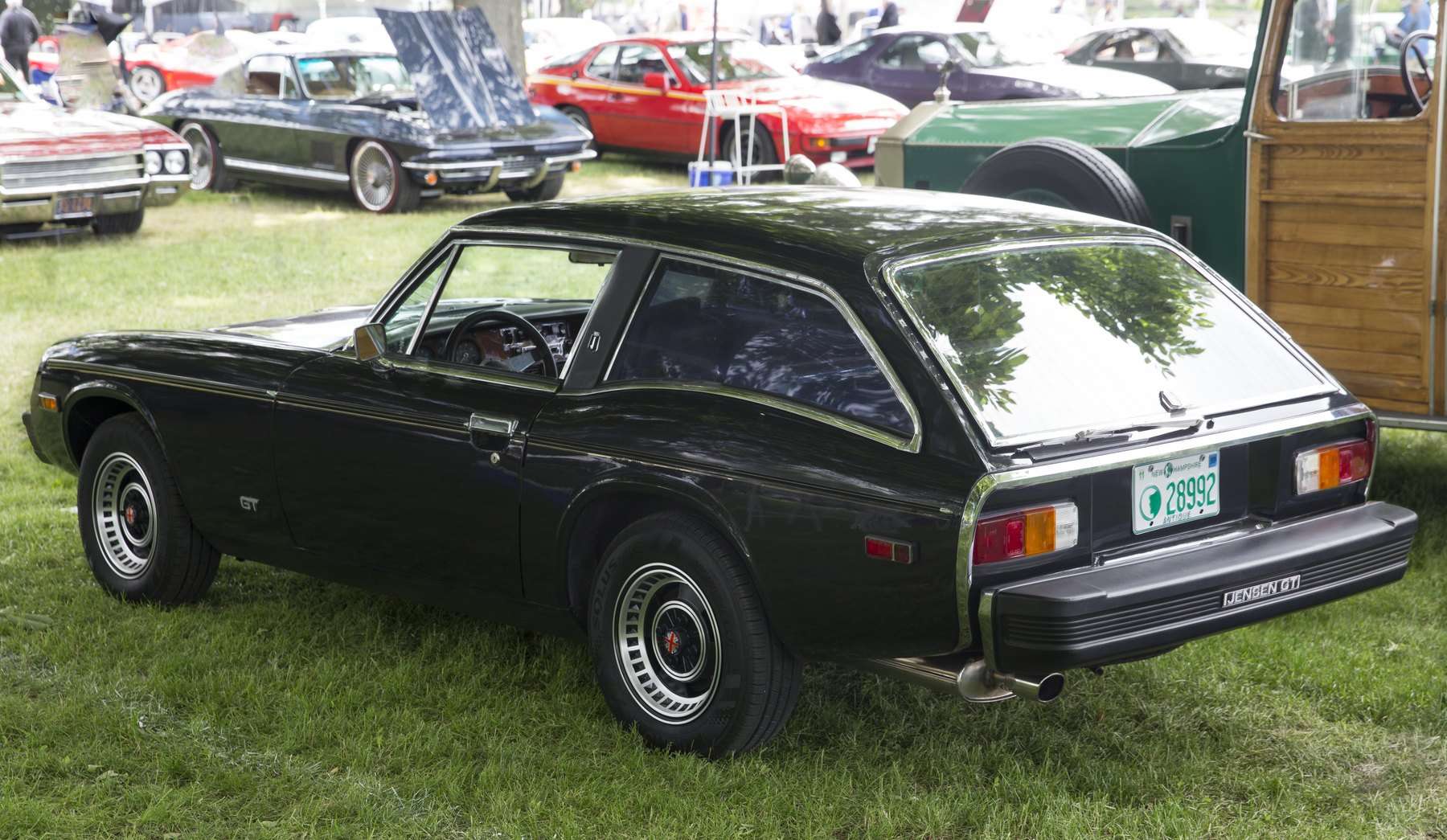
The Jensen GT turned the Jensen-Healey roadster into a compact shooting brake just as the company faced collapse. With Lotus twin-cam power, a five-speed gearbox and only about 511 made, it is one of Britain’s rarest 1970s sporting estates.

From roadster to shooting brake
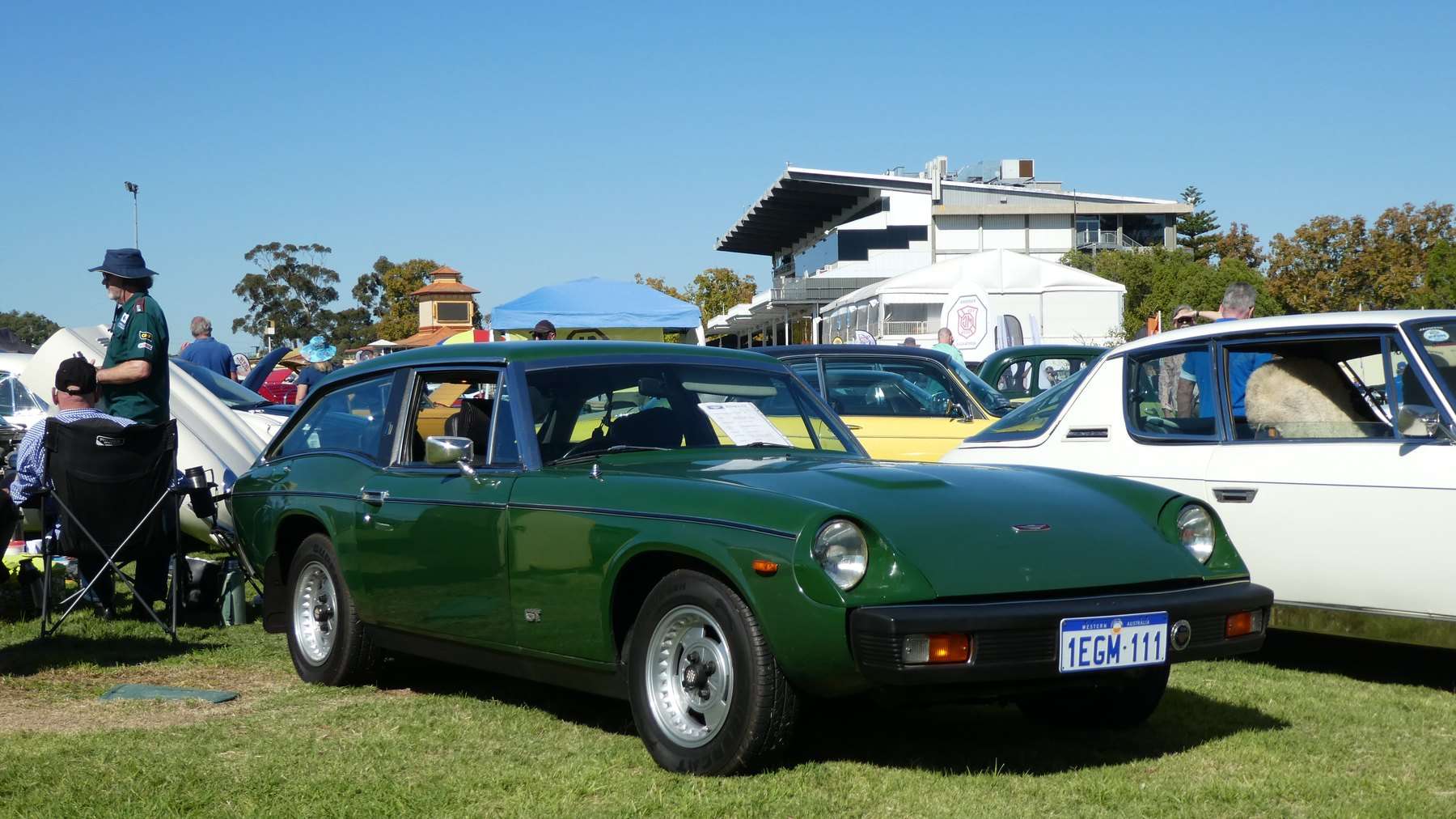
The GT was developed from the Jensen-Healey but received a fixed roof, opening tailgate and small rear seats. Production began in 1975, creating a practical grand tourer in the mould of a miniature Reliant Scimitar or later hot hatch.
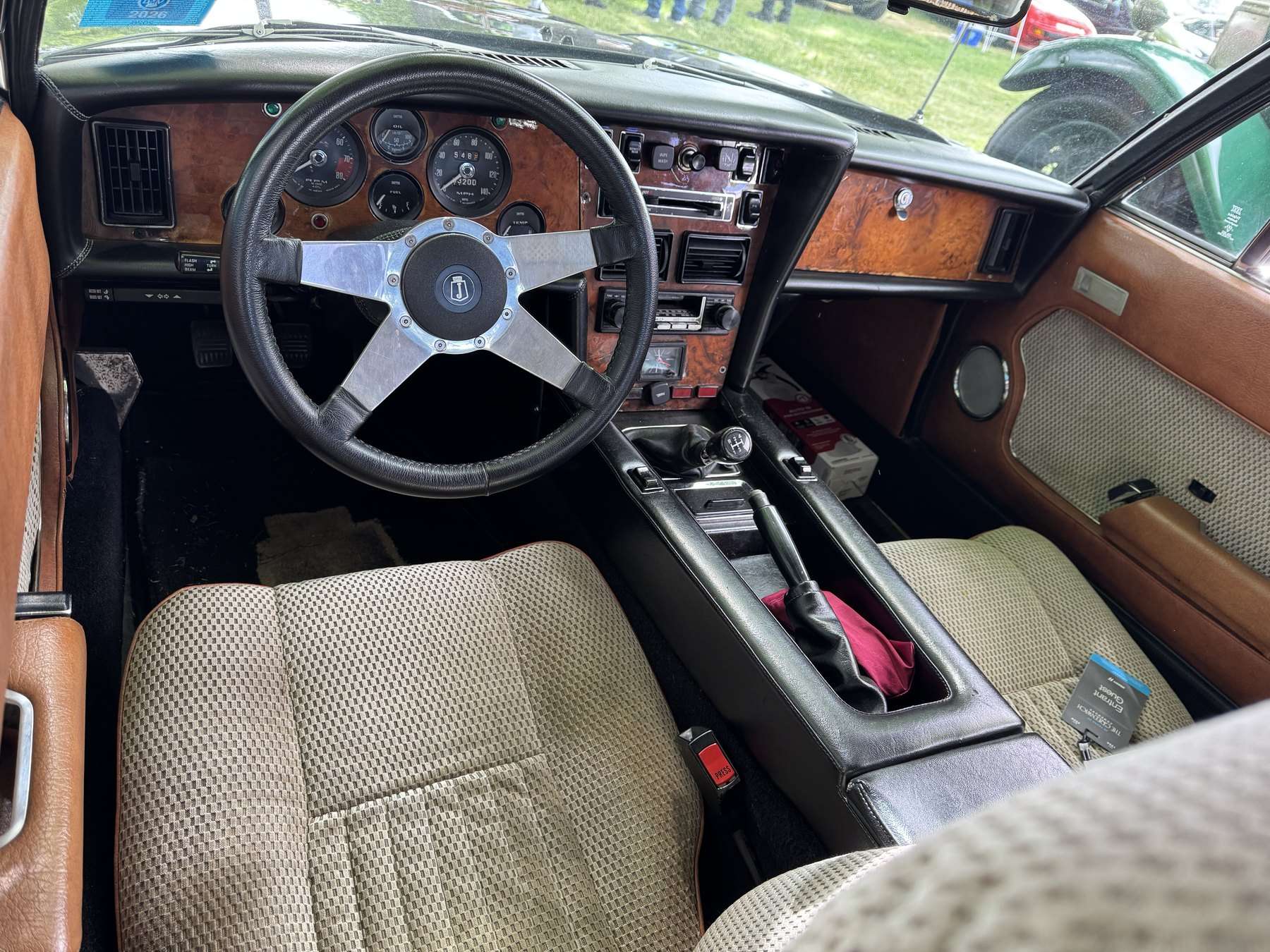
The transformation was more than an added roof. A reshaped interior, improved equipment and a more mature cabin aimed to move the car upmarket and address criticisms of early Jensen-Healey finish.
Its timing was disastrous. Jensen was already under severe financial pressure, so production ended in 1976 after roughly 511 cars.
Lotus power and five-speed transmission
The 1,973cc Lotus 907 twin-cam four-cylinder produced about 140 bhp and was paired in the GT with a Getrag five-speed manual gearbox. Period figures put top speed around 114 mph, with 0–60 mph in under ten seconds.
Front suspension was independent, while the rear retained a live axle. Girling front discs and rear drums provided braking. The ingredients were familiar from the roadster, but the five-speed drivetrain and enclosed body changed the car’s long-distance character.
The engine rewards revs rather than relying on low-speed torque. A well-sorted GT feels lively and distinctive, especially compared with most small estates of the period.
Cabin and practicality
A large glass tailgate accesses a useful load area, while the rear seats are best regarded as occasional. Folded down, they give the car genuine touring versatility.
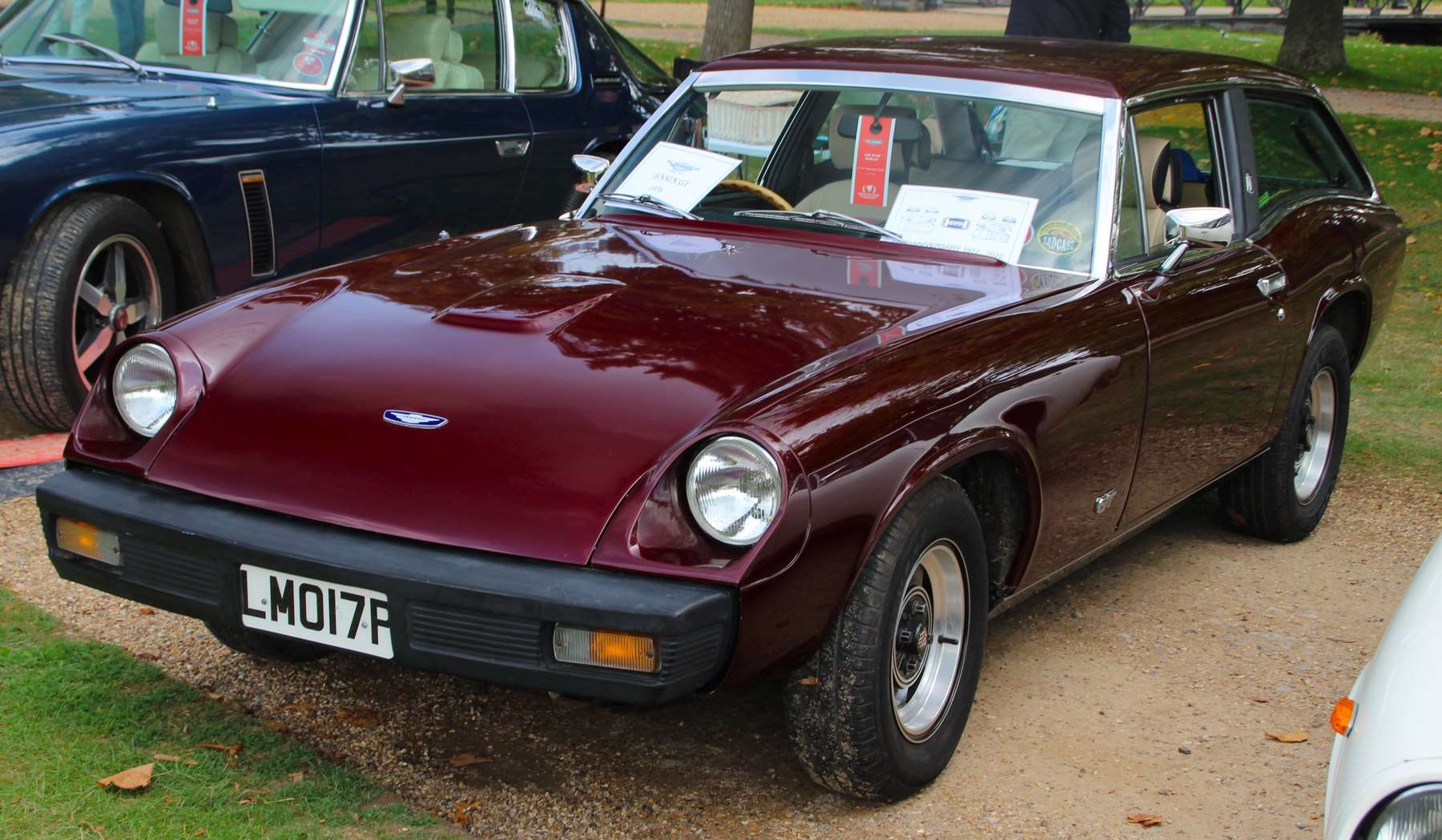
The dashboard and trim attempted to deliver a more polished environment than early Jensen-Healeys. Survival of original materials matters because model-specific interior pieces are scarce and expensive to reproduce.
Right-hand-drive cars form only part of the small production run. Jensen Museum material cites 218 RHD examples, adding to the GT’s rarity in its home market.
What it is like to drive
The GT feels much smaller than the V8 Jensens that dominate the badge’s reputation. Steering is direct, the engine enthusiastic and the five-speed gearbox better suited to fast touring than the roadster’s earlier transmissions.
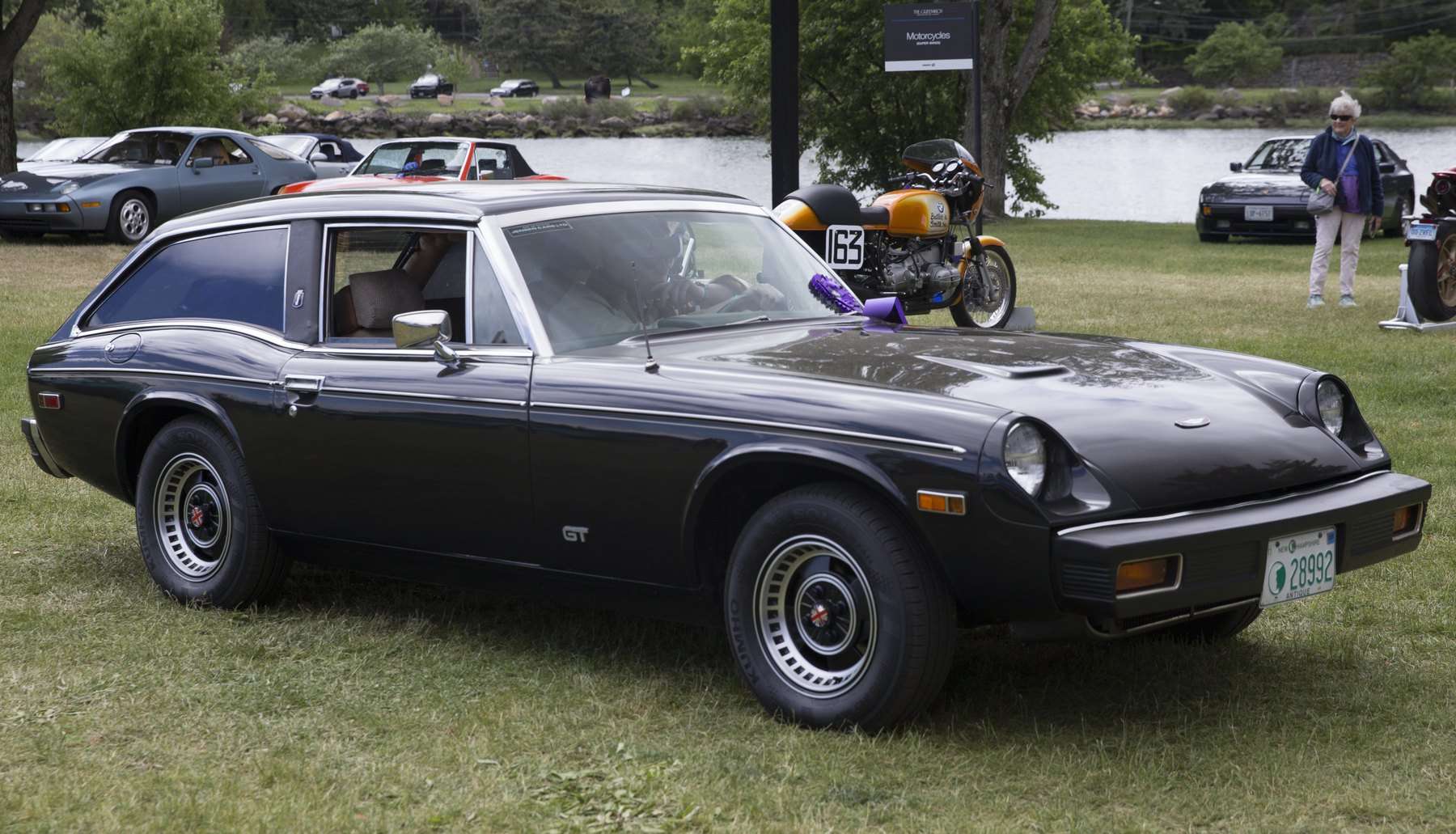
Extra bodywork and equipment add weight, but the enclosed cabin improves refinement. The result is not a tiny Interceptor; it is a rev-happy 1970s sports estate with its own personality.
Rust, engine and buying checks
Rust is the principal structural concern. Examine sills, floors, suspension mounts, wheelarches, the windscreen surround and the tailgate aperture. Water leaks can damage both structure and the difficult-to-source interior.
The Lotus 907 needs evidence of correct timing-belt service, cooling-system care and attention to oil leaks. Carburettor balance and ignition condition affect how well it starts and pulls. Check gearbox synchros, axle noise and brake condition on a full road test.
Completeness is crucial: glass, lights, badges, tailgate fittings and cabin parts can be harder to solve than the basic mechanical components. A cheaper incomplete GT can become an expensive puzzle.
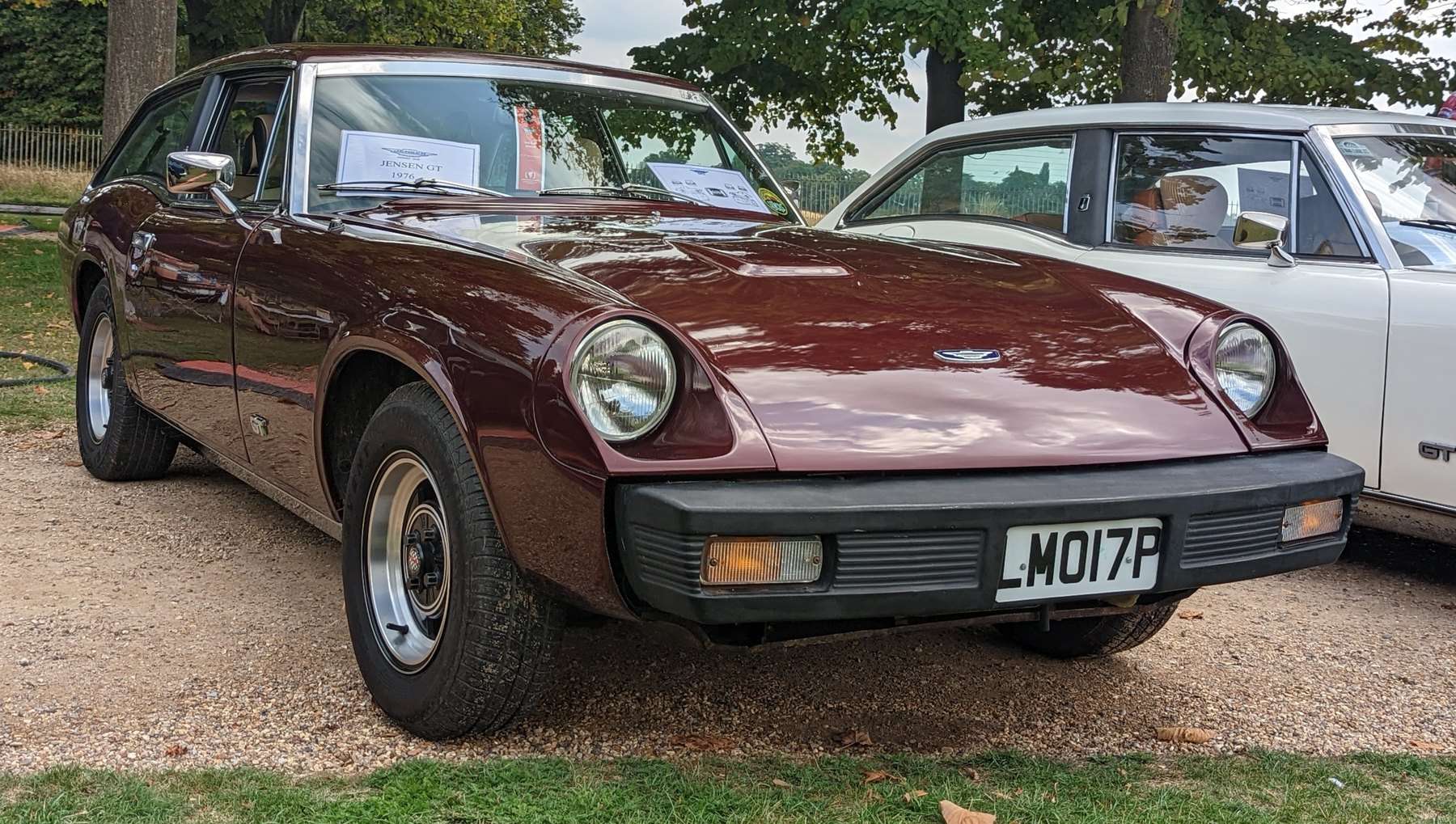
Jensen’s poignant final model
The GT arrived too late to rescue Jensen, but it showed a credible direction: practical, characterful performance in a format that would become far more popular during the following decade.
Today it combines a Lotus engine, genuine rarity and an unexpectedly useful body. It is both a rewarding classic and a poignant reminder that Jensen still had fresh ideas at the end.
Frequently asked questions
When was the Jensen GT made?
Production ran from 1975 until Jensen’s collapse in 1976.
How many Jensen GTs were built?
Jensen Owners’ Club figures list 511 cars; some specialist sources cite 509 depending on counting method.
What engine does the Jensen GT use?
It uses the 1,973cc Lotus 907 twin-cam four-cylinder, rated at about 140 bhp.
Is the Jensen GT a four-seater?
It has small rear seats, but they are best for occasional use; folding them creates a useful luggage area.
What is the main Jensen GT buying risk?
Structural rust and missing GT-specific trim are the biggest concerns, alongside documented timing-belt and cooling-system care for the Lotus engine.
Sources and further reading
Jensen Owners’ Club model histories and production records; The Jensen Museum production and model features; period specifications collated by the Jensen-Healey Preservation Society. Vehicle photographs are individually credited beneath each image.