UNUSUAL CARS MODEL GUIDE
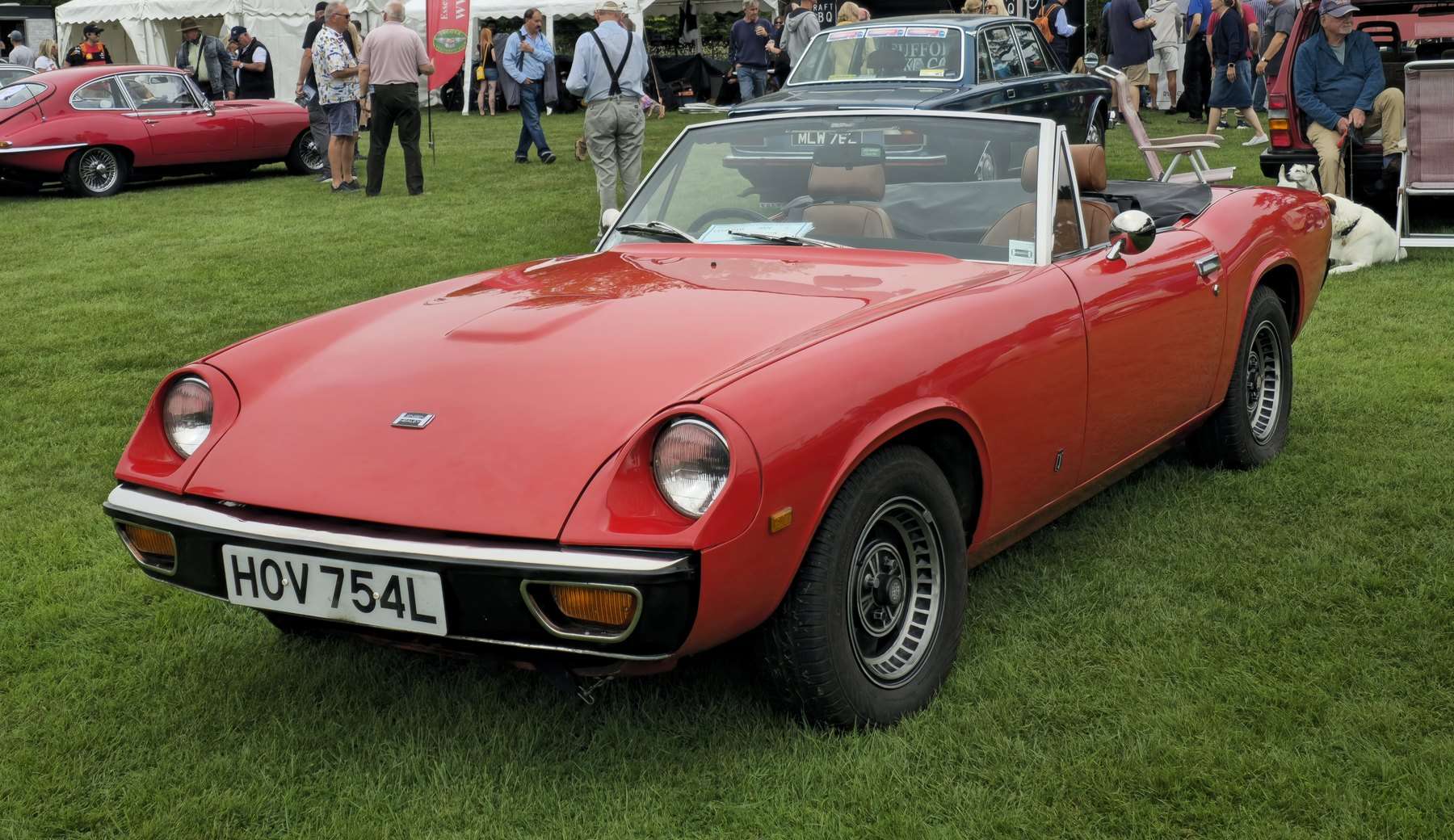
The Jensen-Healey was a British two-seat sports car built from 1972 to 1976, followed by the related Jensen GT. Developed with Donald and Geoffrey Healey, it combined a light convertible body with the new 2.0-litre Lotus 907 twin-cam engine.
Quick answer: A good Jensen-Healey is quick, balanced and practical, but corrosion, timing-belt history, oil pressure, cooling, carburettor condition and gearbox specification all need careful checking. The later Jensen GT adds a useful shooting-brake body and greater rarity.
Featured image: Jensen-Healey. Photograph by Calreyn88, CC BY-SA 4.0, via Wikimedia Commons; locally hosted.
A new Anglo-American sports car
Jensen sought a new volume model after ending production of the Austin-Healey 3000 body. Working with Donald and Geoffrey Healey, it developed a modern roadster aimed particularly at the American market. Steel monocoque construction, independent front suspension and a live rear axle kept the package conventional and repairable.
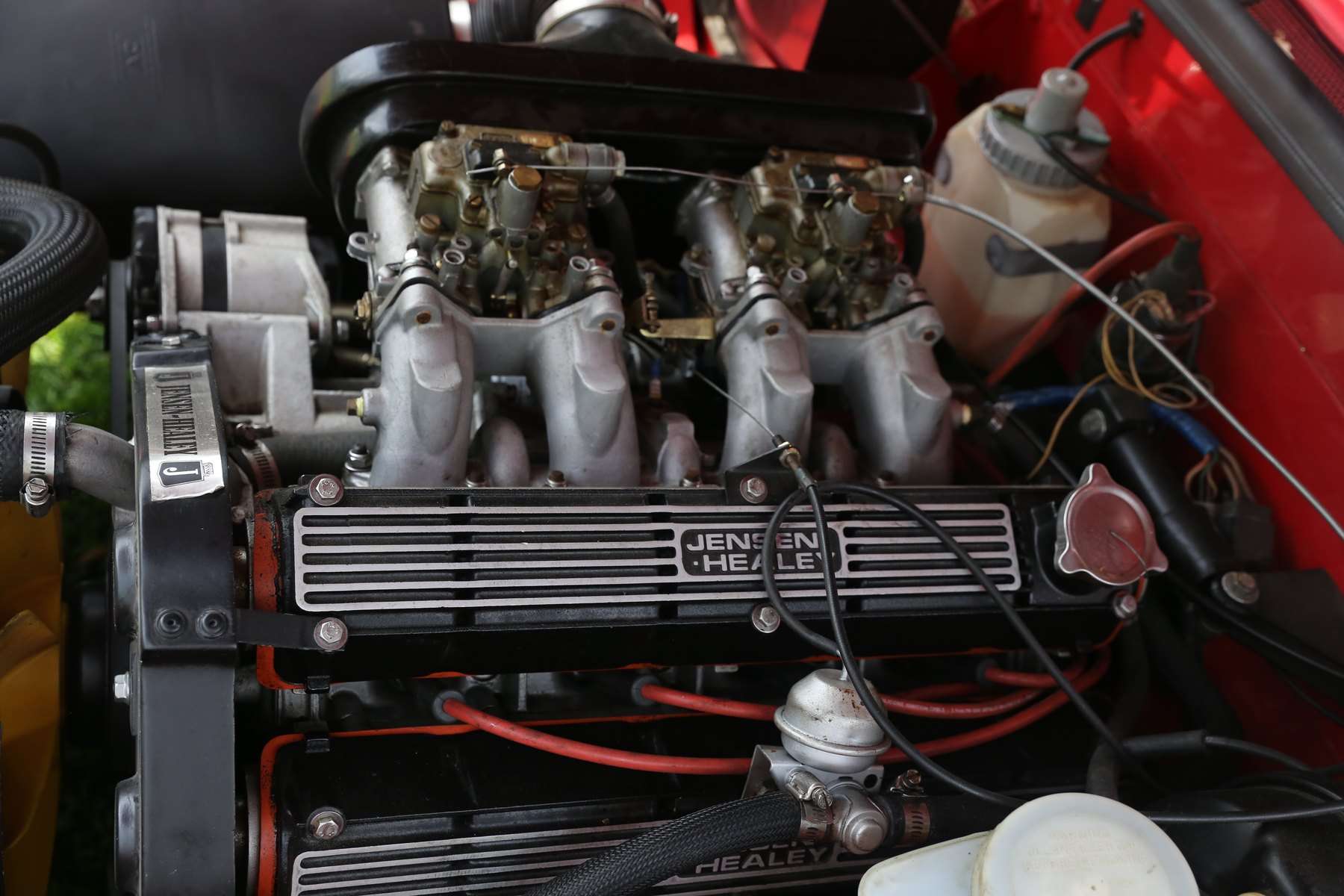
The engine was anything but ordinary. Lotus supplied its new Type 907, an all-aluminium 1,973cc double-overhead-cam sixteen-valve four-cylinder. Period UK specification was around 144 bhp, giving strong performance from a car weighing roughly a tonne.

Mk I, Mk II and Jensen GT
| Version | Production | Key features |
|---|---|---|
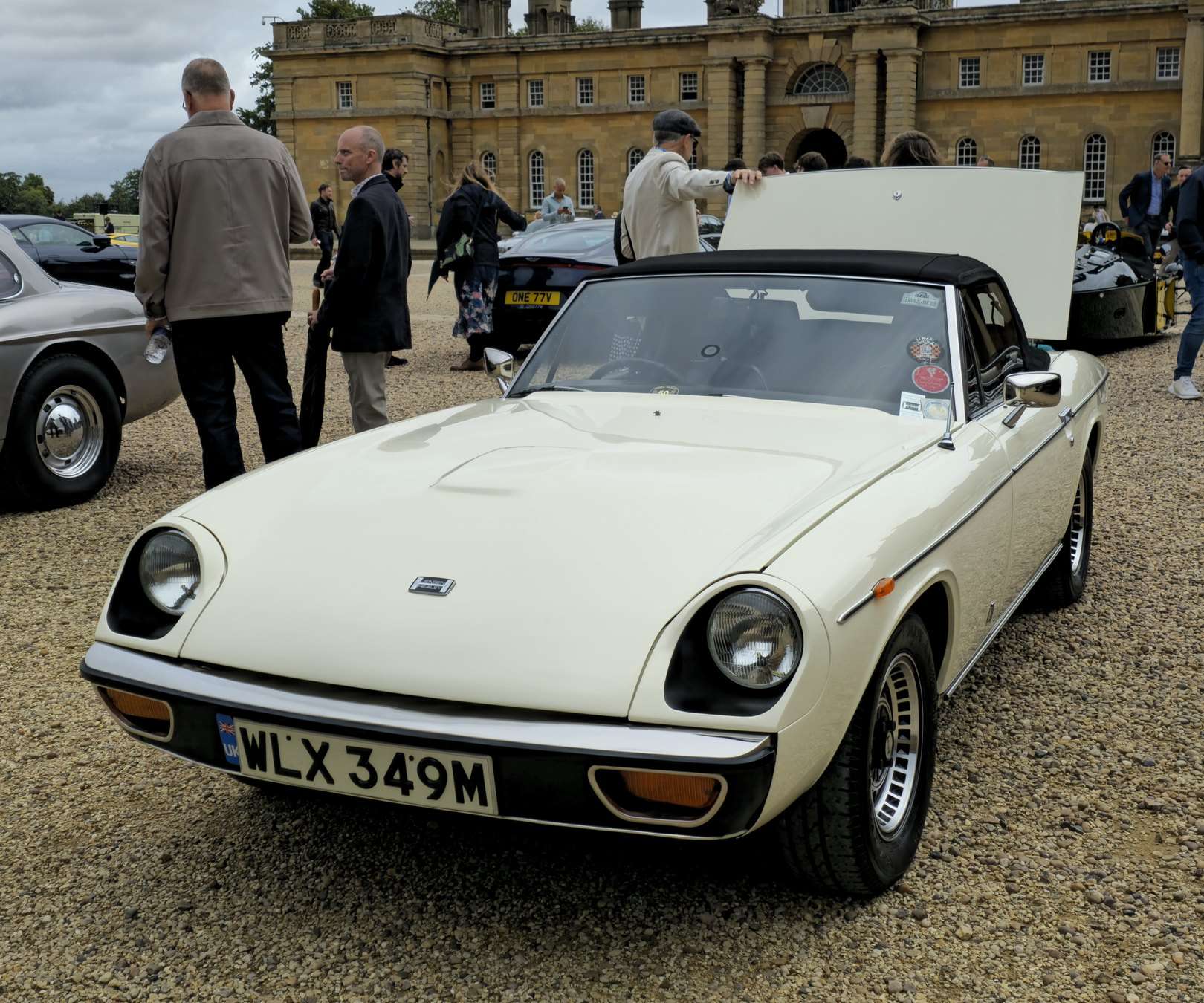
| Jensen-Healey Mk I | 3,357 | Early 1972-73 roadster with initial trim and four-speed gearbox. |
| Jensen-Healey Mk II | 7,146 | Revised cabin, safety and body details; later cars gained a five-speed gearbox. |
| Jensen GT | 511 | 1975-76 shooting brake with a fixed roof, hatchback and more luxurious interior. |
Production data comes from the Jensen Owners’ Club. Changes were progressive, particularly for different export markets, so build date and chassis information are more dependable than an informal Mk label.
Love cars you don’t see every day?
Get forgotten cars, surprising motoring stories and the most interesting finds from Unusual Cars by email.
Free to join. No spam. Unsubscribe whenever you like. See our privacy policy.
Lotus 907 engine
The 907 was advanced but arrived early in its production life, and neglected examples created much of the model’s poor reputation. Verify recent timing-belt replacement, correct tensioning and service records. Check oil pressure hot, coolant temperature, water pump, oil leaks, cam-carrier sealing and signs of head-gasket trouble.
Twin carburettors must be correctly balanced and free from spindle wear or air leaks. Misfires, weak charging and improvised wiring can make tuning appear worse than it is. A healthy engine is smooth once warm and comes alive at higher revs without smoke or mechanical rattle.
Gearboxes, suspension and brakes
Early cars use a four-speed gearbox; later five-speed cars use a Getrag unit with a dog-leg first gear. Check synchros, bearings, clutch action, propshaft and differential under acceleration and overrun. Parts availability and rebuild costs differ between transmissions, so identify what is fitted.
Front suspension uses double wishbones, while the rear is a coil-sprung live axle. Examine bushes, ball joints, dampers, springs, wheel bearings and mounts. Brakes should be progressive and the car should steer accurately without shimmy. Matching quality tyres transform confidence.
Body corrosion and weather protection
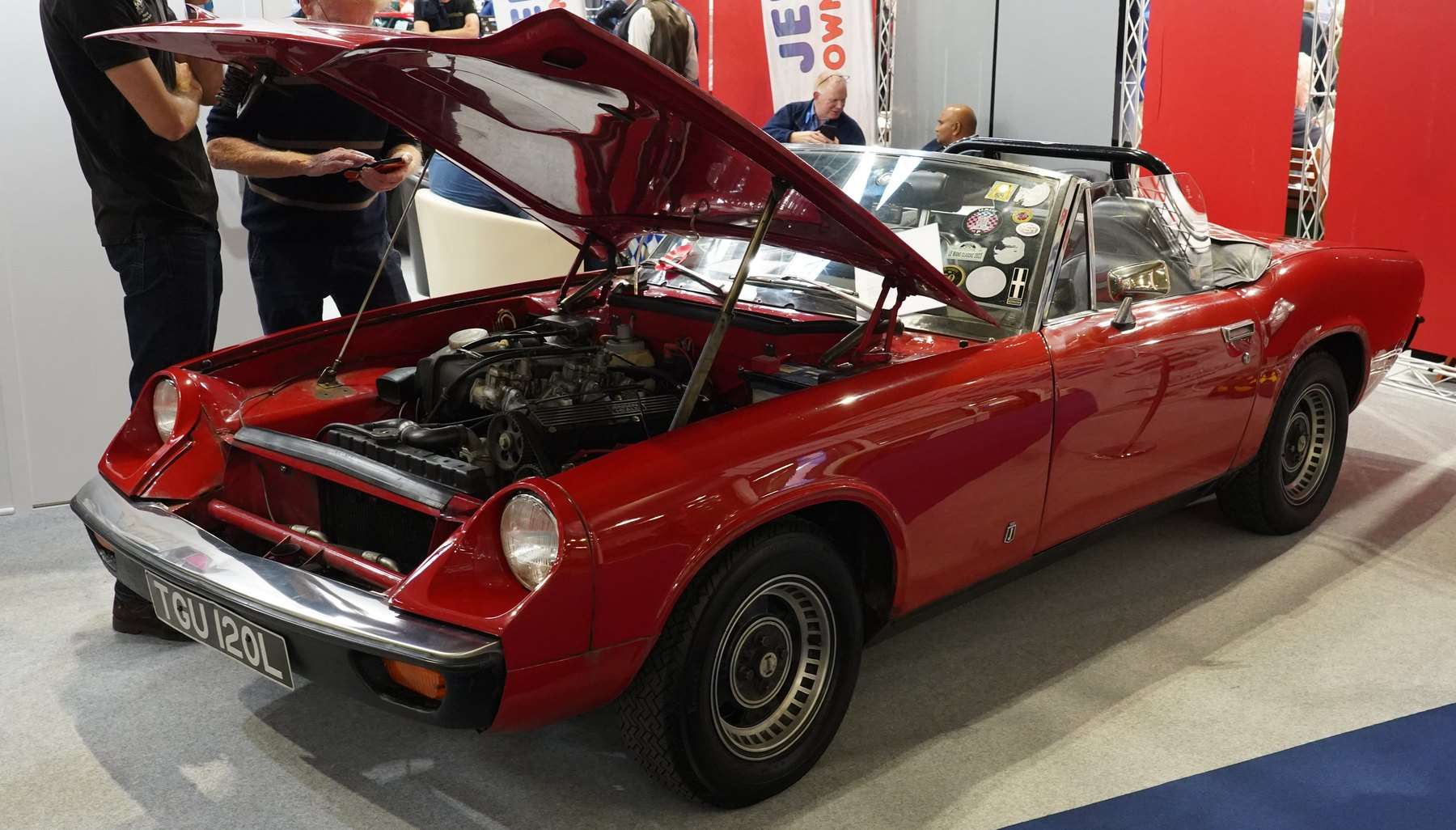
The steel monocoque can rust in sills, floors, jacking areas, wheelarches, suspension pick-ups, door bottoms, bulkhead, screen surround, boot floor and seams hidden by trim. Inspect on a lift and probe beyond visible outer panels. Misaligned doors can indicate weakened sills.
On the roadster, check the hood frame, fabric, header rail, seals and drainage, then look for damp carpets and boot trim. GTs add roof, tailgate and rear-window areas plus unique glass and trim. A cheap car needing structural work is rarely economical.

Interior, originality and choosing one
Test every instrument, lamp, wiper, heater control and switch. Early and late dashboards differ, while GT trim is model-specific. Seats and carpets are straightforward to retrim, but missing gauges, console pieces, glass or exterior fittings may take time to source.
Choose a car with sound structure, stable hot oil pressure and temperature, recent belt work and evidence of regular use. Modified cooling or ignition can be sensible when professionally installed, but retain receipts and original parts where possible. A specialist compression test and underside inspection provide useful protection.

Sources and further reading
Continue the Jensen story
Explore the complete Jensen hub. Continue with Jensen Interceptor, Jensen C-V8.
Frequently asked questions
When was the Jensen-Healey built?
The roadster was produced from 1972 to 1976, with the related Jensen GT appearing in 1975-76.
What engine does it use?
A 1,973cc Lotus 907 all-aluminium, twin-cam, sixteen-valve four-cylinder engine.
How many were made?
The Jensen Owners’ Club records 3,357 Mk Is, 7,146 Mk IIs and 511 Jensen GTs.
What is the Jensen GT?
It is a fixed-roof shooting-brake development of the Jensen-Healey with a hatchback and more luxurious cabin.
What should buyers inspect first?
Structural corrosion, timing-belt history, hot oil pressure, cooling, carburettors, gearbox condition, hood or tailgate seals and complete trim.