UNUSUAL CARS MODEL GUIDE
The Rolls-Royce Silver Shadow, built from 1965 to 1980, transformed the marque by replacing a separate chassis with a compact monocoque body. It offered more passenger and luggage space than the Silver Cloud, while introducing four-wheel disc brakes, independent rear suspension and high-pressure hydraulic assistance.
Quick answer: a Silver Shadow can be a usable and deeply satisfying British luxury classic, but only when its structure, cooling system and complex hydraulics have been maintained properly. A low purchase price does not reduce the cost of correct repair.
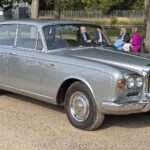
Featured image: grey 1969 Rolls-Royce Silver Shadow. Photograph by Calreyn88, CC BY-SA 4.0, via Wikimedia Commons; locally hosted.
The car that modernised Rolls-Royce
Rolls-Royce began studying a Silver Cloud replacement before that model reached production. The development programme, known as SY, pursued a smaller exterior without sacrificing interior room. John Blatchley shaped the restrained three-box body, while front and rear subframes helped isolate road and drivetrain vibration from the passenger cell.
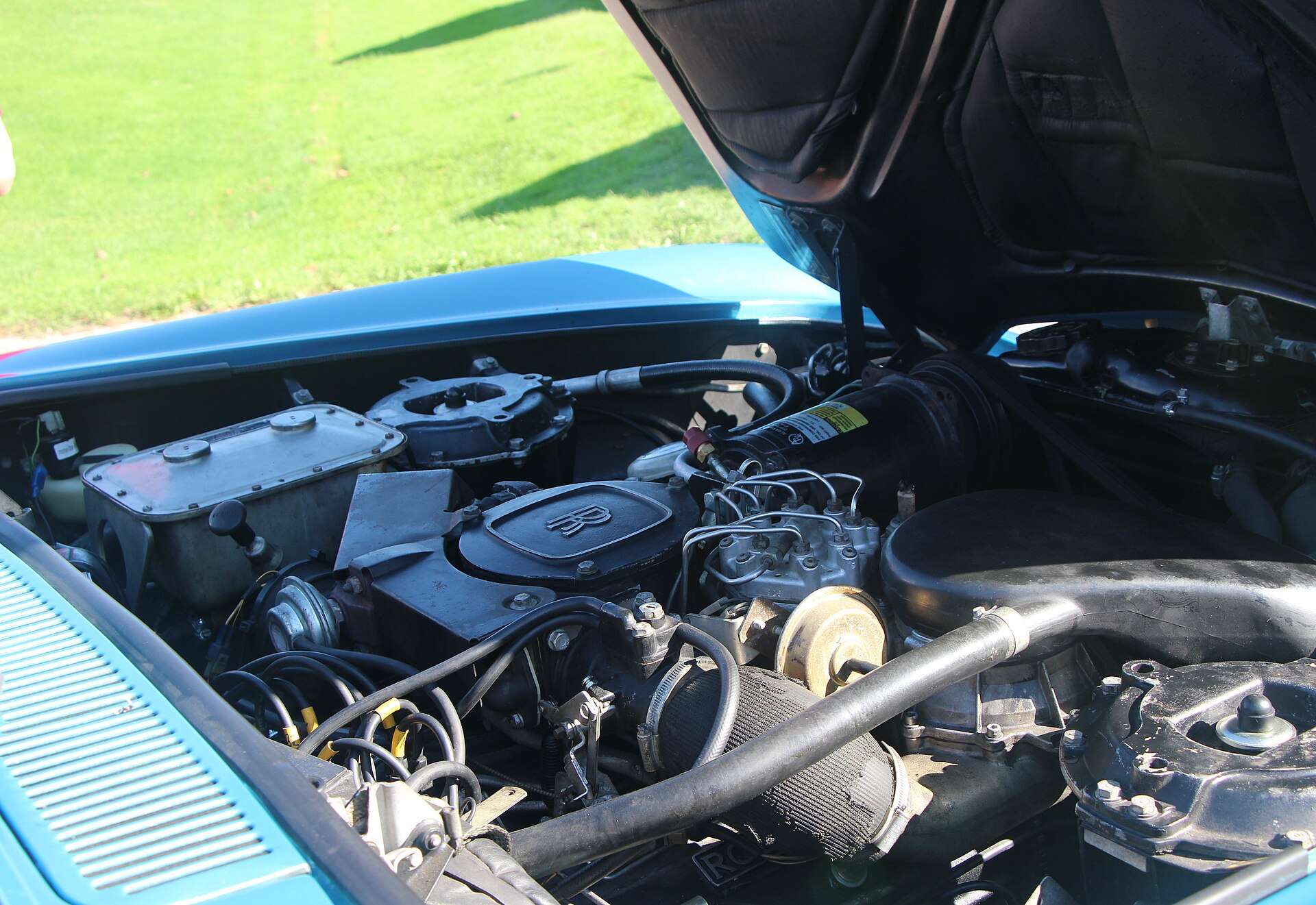
At launch the Shadow retained the 6,230cc aluminium V8 and four-speed Hydramatic used in the Silver Cloud III. Most markets received the three-speed GM400 automatic from 1968, and the V8 grew to approximately 6.75 litres in 1970. Rolls-Royce traditionally withheld power figures; effortless low-speed torque mattered more than a headline number.
Silver Shadow I, II and long-wheelbase cars
| Version | Key distinction |
|---|---|
| Silver Shadow | Original 1965 model; 6.2-litre V8 initially, enlarged to 6.75 litres during production |
| Long-wheelbase Silver Shadow | Introduced in 1969 with approximately 4.5 inches of extra rear legroom; often fitted with a division |
| Silver Shadow II | Introduced for 1977 with rack-and-pinion steering, revised suspension, improved ventilation and energy-absorbing bumpers |
| Silver Wraith II | The long-wheelbase counterpart to the Silver Shadow II |
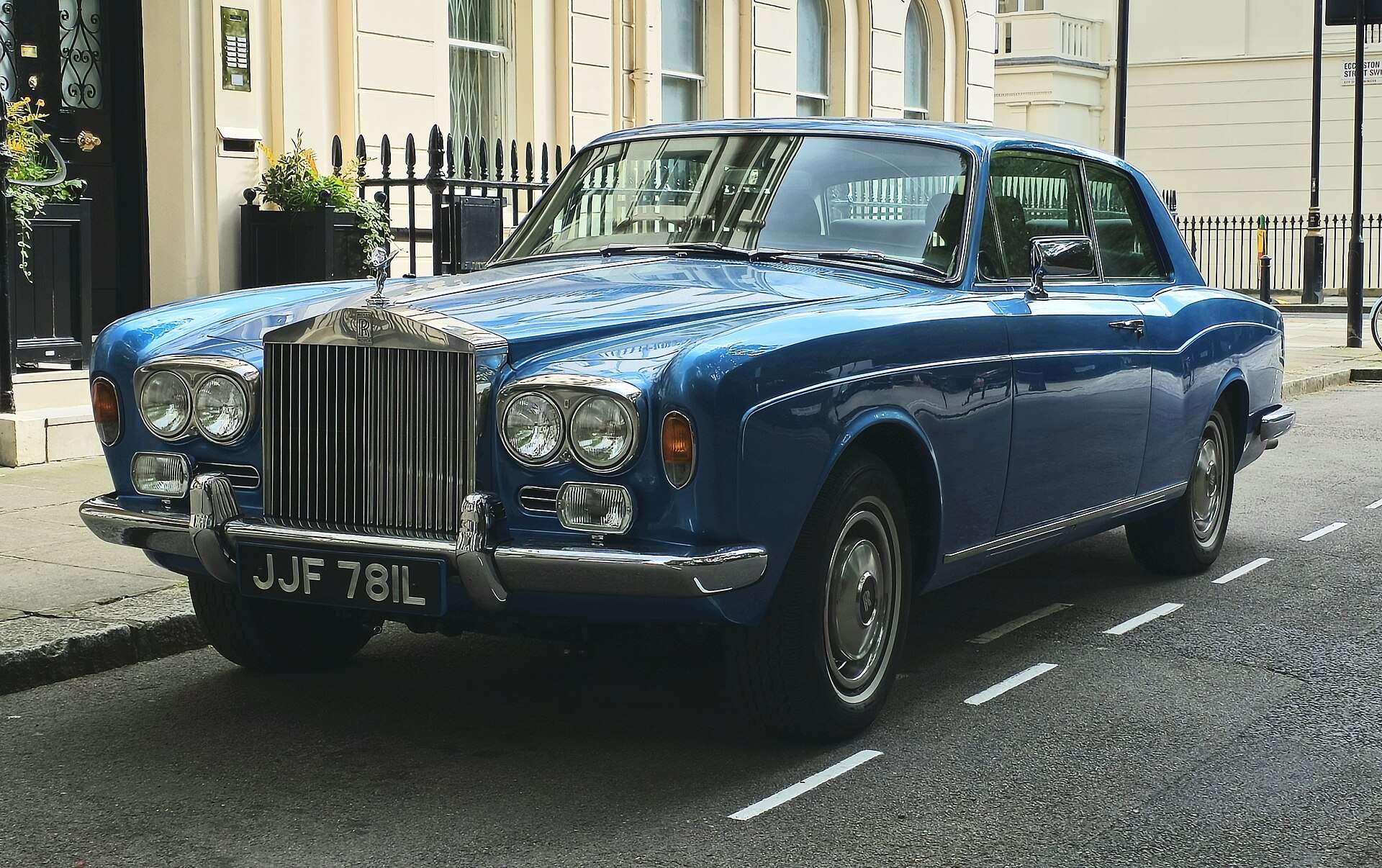
The two-door Mulliner Park Ward models shared the SY foundation, but became the separately named Corniche in 1971. Buyers should identify the exact chassis, market specification and build date rather than relying on later trim or badges.

Love cars you don’t see every day?
Get forgotten cars, surprising motoring stories and the most interesting finds from Unusual Cars by email.
Free to join. No spam. Unsubscribe whenever you like. See our privacy policy.
Hydraulics, brakes and suspension
The high-pressure system supplies the power-assisted brakes and self-levelling rear suspension. Warning lamps should extinguish promptly after starting, fluid should be clean and at the correct level, and the brake pedal should feel consistent. Old accumulators, leaking pumps, perished hoses or contaminated fluid can create large bills and safety risks.
A Shadow should sit level and ride quietly without floating, crashing or wandering. Conventional coil springs still carry the car; tired springs must not be disguised by asking the levelling system to support excessive weight. Check ball joints, bushes, dampers, wheel bearings and tyres, then confirm that the correct hydraulic fluid has been used for the car’s production period.
Engine, transmission and cooling
Start the V8 from cold and look for persistent smoke, tappet noise, uneven idle or serious oil and coolant leaks. Inspect the radiator, water pump, hoses, fan coupling and evidence of overheating. Regular coolant changes matter because internal corrosion and blocked passages are expensive to correct.
The automatic gearbox should select drive and reverse promptly and shift smoothly once warm. Early four-speed and later three-speed cars require different expertise. Check the propeller shaft, differential, engine mounts and exhaust for vibration or knocks under load and on the overrun.
Bodywork, cabin and electrical equipment
Inspect the complete underside, sills, jacking points, floor edges, wheelarches, spring and subframe mountings, door bottoms, screen apertures and boot floor. Aluminium bonnet and door skins can react around steel frames, while filler and thick underseal may conceal poor repairs. Heavy doors should close cleanly without dropping.
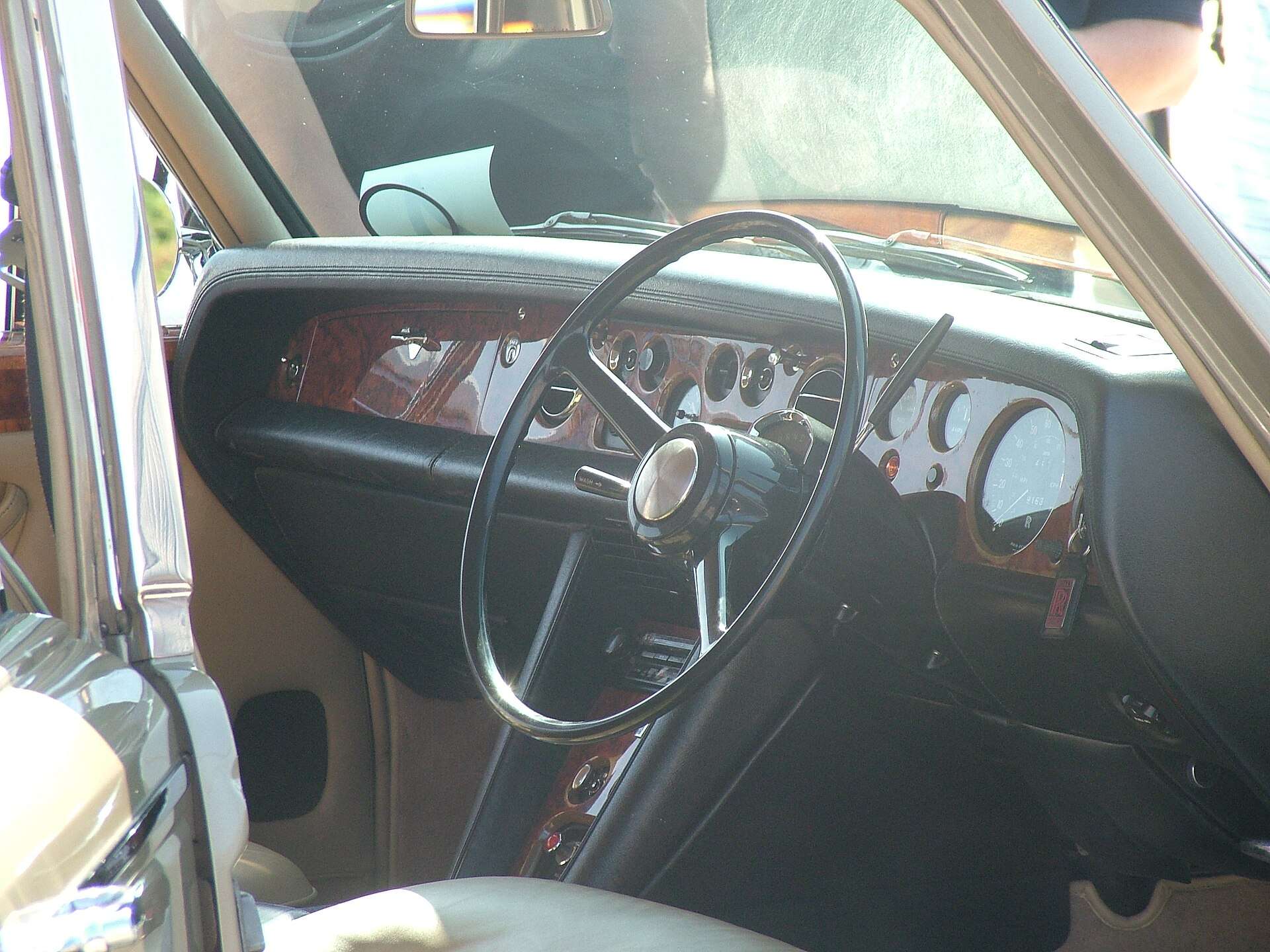
Test the climate system, electric seats, windows, locks, lamps, instruments and every dashboard control. Damp carpets can reveal blocked drains or failed seals. Veneer and leather can be restored, but a complete original cabin is preferable to one missing model-specific switches, fittings or trim.

Which Silver Shadow should you buy?
Early cars have the purest styling and attract enthusiasts who value the original 6.2-litre specification. Later Shadow I cars combine the earlier appearance with the larger engine, while the Shadow II offers sharper steering, better ventilation and more developed road manners. Long-wheelbase cars provide greater rear space but add specialised trim and body sections.
Condition and documented maintenance outweigh the version. Commission a Rolls-Royce specialist to inspect the structure on a lift, test hydraulic pressure, assess cooling and run the car fully hot. A sorted example is the sensible purchase even when a cheaper car appears more cosmetically attractive.

Sources and further reading
- Rolls-Royce Motor Cars: Silver Shadow history
- Classics World: Silver Shadow buyer’s guide
- Hagerty UK: Silver Shadow buying guide
Continue the Rolls-Royce story
Explore the complete Rolls-Royce hub. Continue with the Rolls-Royce Corniche and Rolls-Royce Silver Spirit and Silver Spur.
Frequently asked questions
When was the Rolls-Royce Silver Shadow built?
The Silver Shadow was produced from 1965 until 1980, with the substantially revised Silver Shadow II arriving for 1977.
What engine does a Silver Shadow use?
An aluminium Rolls-Royce V8: initially 6,230cc and enlarged to approximately 6.75 litres during 1970.
What is the difference between Silver Shadow and Silver Shadow II?
The Shadow II introduced rack-and-pinion steering, revised suspension, improved ventilation and energy-absorbing bumpers.
Is the Silver Wraith II a different model?
It is the long-wheelbase version of the Silver Shadow II, with extra rear legroom and model-specific trim.
What are the most important buying checks?
Structural corrosion, hydraulic-system condition, cooling, engine and gearbox behaviour, suspension wear, tyres, climate control and complete specialist history.