UNUSUAL CARS MODEL GUIDE
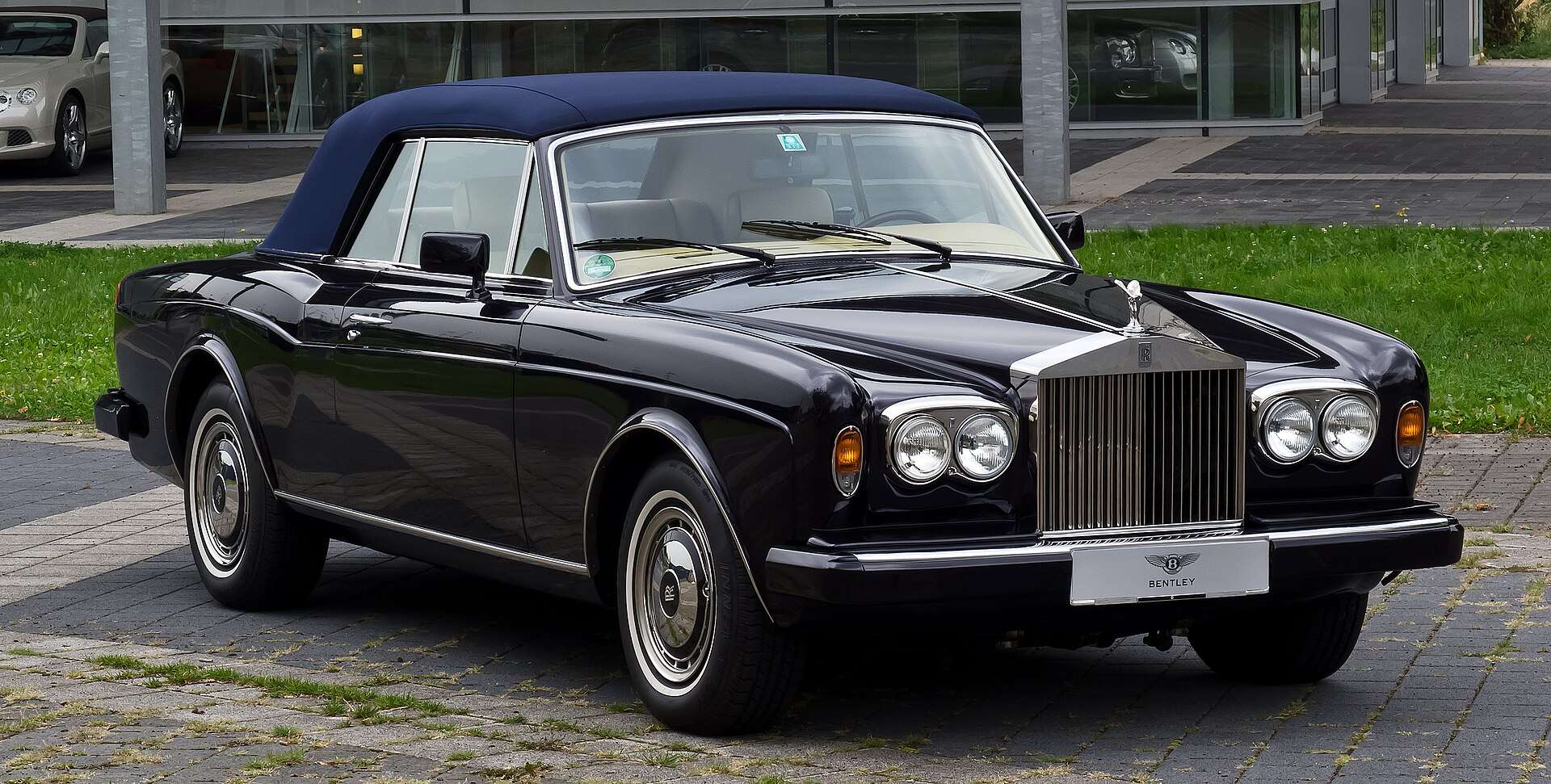
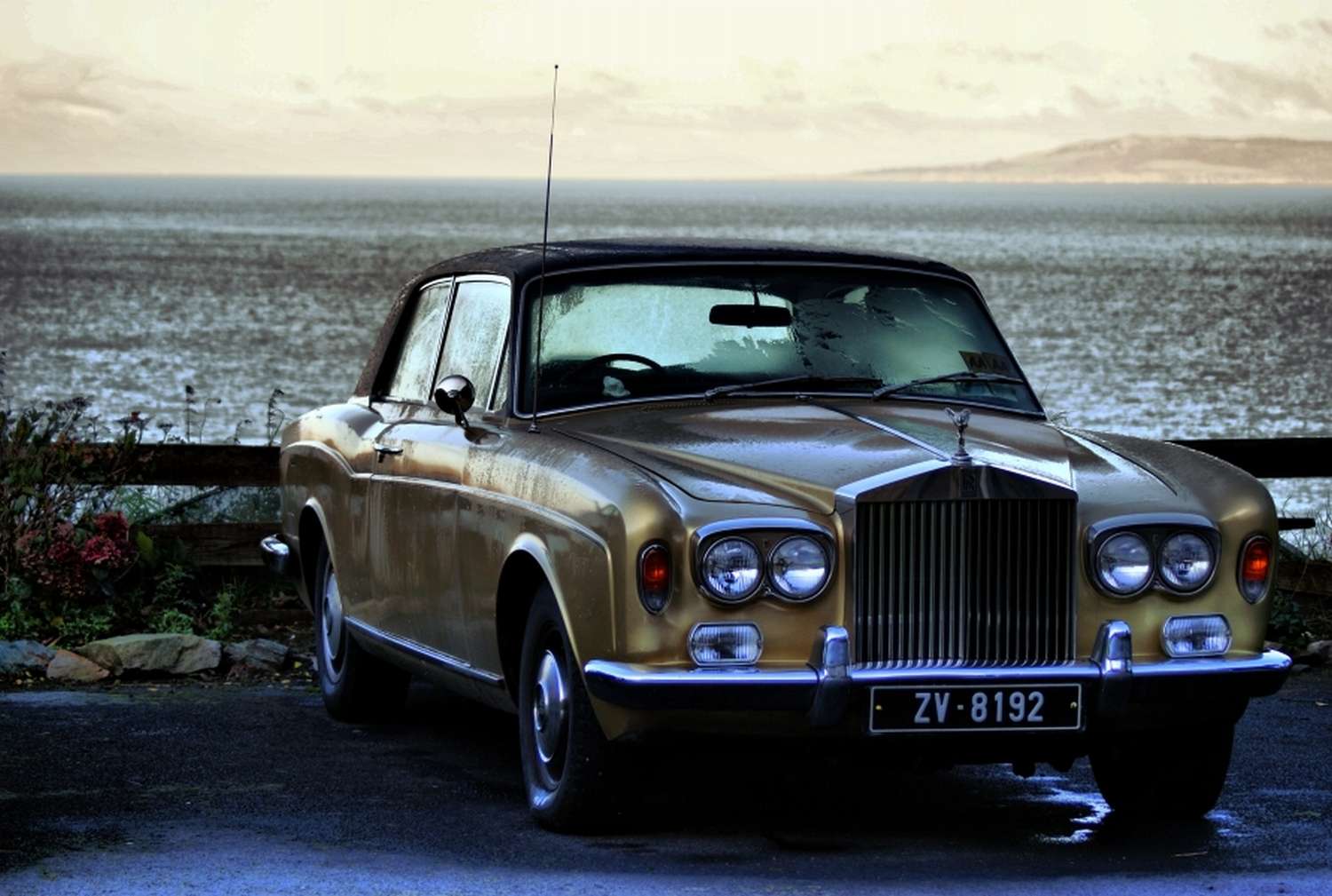
The Rolls-Royce Corniche was the hand-finished two-door development of the Silver Shadow family. The name arrived in 1971, but Mulliner Park Ward had built the closely related fixed-head coupé from 1966 and convertible from 1967. Coupé production ended in 1981; successive Corniche convertibles continued until 1995.
Quick answer: the Corniche combines recognisable Rolls-Royce mechanical systems with much rarer two-door bodywork. Structural condition, roof operation, unique glass and trim, hydraulics and complete provenance are the decisive buying checks.
Featured image: burgundy 1971 Rolls-Royce Corniche convertible. Photograph by Calreyn88, CC BY-SA 4.0, via Wikimedia Commons; locally hosted.
From Silver Shadow two-door to Corniche
Rolls-Royce subsidiary Mulliner Park Ward engineered the monocoque two-door saloon in 1966 and the convertible a year later. The cars were substantially more expensive than the standard four-door Silver Shadow because their altered bodies required extensive hand finishing and reinforcement. The Corniche name, drawn from the south of France, was adopted in 1971.
The 6.75-litre V8, automatic transmission, independent suspension, disc brakes and hydraulic self-levelling followed the SY family. A tachometer, wood-rim steering wheel and distinctive wheel trims emphasised a slightly more sporting owner-driver role without compromising the car’s long-distance refinement.

Corniche generations and dates
| Version | Period and distinction |
|---|---|
| Corniche coupé | 1971–1981; fixed-head continuation of the earlier MPW two-door saloon |
| Corniche convertible | 1971–1987; evolved with rack-and-pinion steering, revised hydraulics and injection |
| Corniche II | Introduced in 1986, with cosmetic, safety and detail revisions |
| Corniche III | Introduced in 1989 with further interior and technical updates |
| Corniche IV and S | Introduced in 1992; final 25 turbocharged Corniche S cars completed the first lineage in 1995 |
A separate BMW-powered Corniche appeared in 2000 and belongs to a different generation. This guide concentrates on the original Crewe-built line.
Love cars you don’t see every day?
Get forgotten cars, surprising motoring stories and the most interesting finds from Unusual Cars by email.
Free to join. No spam. Unsubscribe whenever you like. See our privacy policy.
Convertible roof and body structure
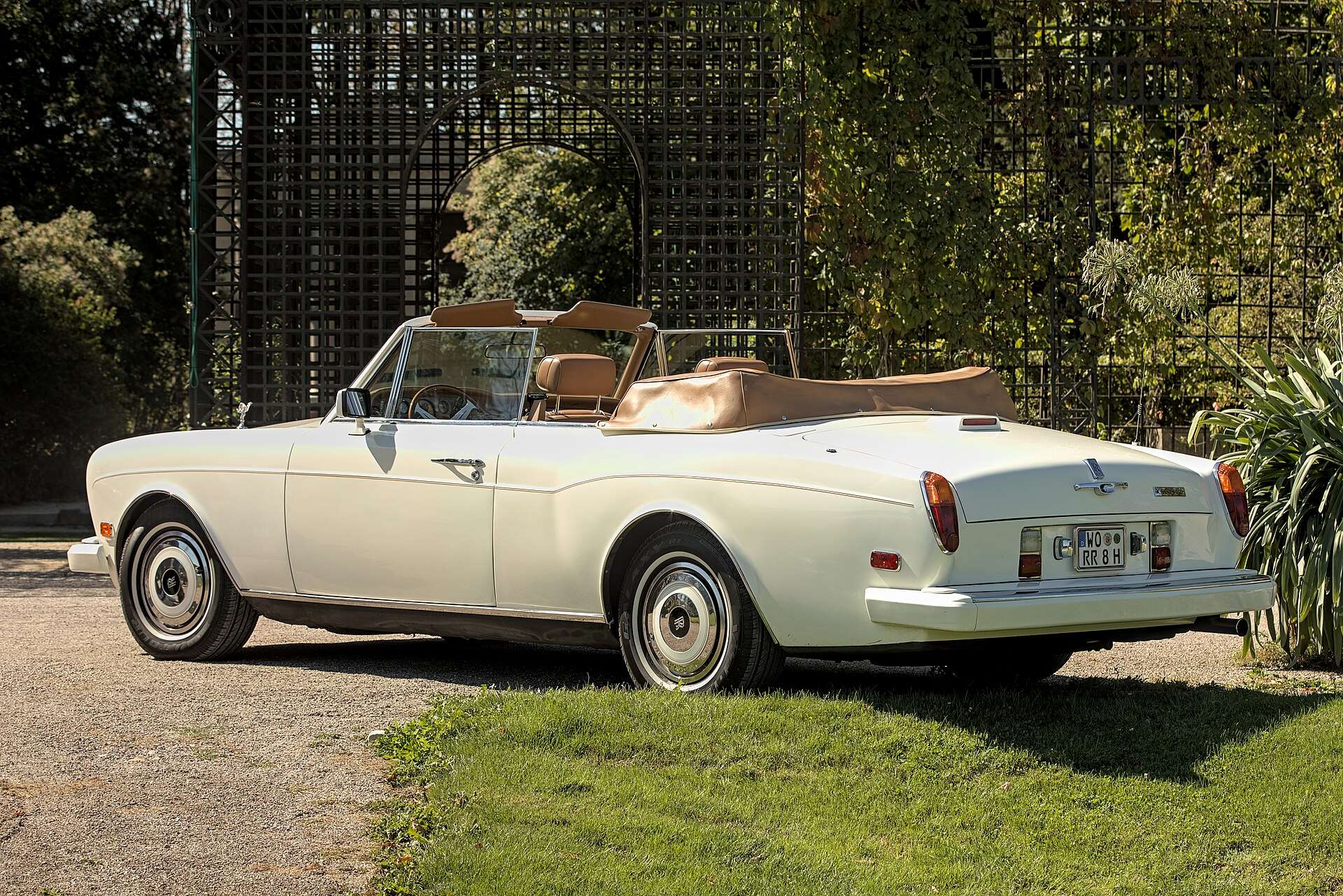
Operate the hood repeatedly from fully raised to fully stowed. It should move evenly, latch securely and seal around the header rail, side glass and rear deck. Inspect the frame, hydraulic mechanism, fabric, rear window, drainage channels and evidence of water in the cabin or boot.
Corrosion can affect sills, floors, jacking points, wheelarches, door bottoms, screen frames, boot floor and suspension mountings. Convertible strengthening and long doors make poor accident repairs especially damaging. Fixed-head cars add the condition of the roof, rear window and pillarless side glazing to the inspection.
Hydraulics, brakes and suspension
The high-pressure system supplies the brakes and self-levelling suspension. Confirm the correct fluid for the chassis, recent accumulator and hose work, rapid warning-lamp extinction and consistent braking. The rear should remain level without forcing the hydraulic system to compensate for collapsed conventional springs.
Later cars gained rack-and-pinion steering and other Shadow II developments. Inspect bushes, ball joints, dampers, wheel bearings, steering joints and tyres. A Corniche should feel stable and quiet; shaking, wandering or scuttle vibration requires investigation rather than acceptance as a convertible trait.
V8, cooling and transmission
The naturally aspirated V8 should start easily, idle smoothly and remain cool during a prolonged test. Inspect radiator, hoses, water pump, fan coupling, ignition, carburettors or injection equipment and all visible oil and coolant leaks. Long periods of storage can create fuel-system and seal problems even on low-mileage cars.
The automatic should select promptly and shift without flare or thump. Early cars may use a four-speed Hydramatic; most use the three-speed GM400, and final cars gained a four-speed automatic. Check mounts, propeller shaft, differential and exhaust under both acceleration and overrun.
Interior, provenance and the right version
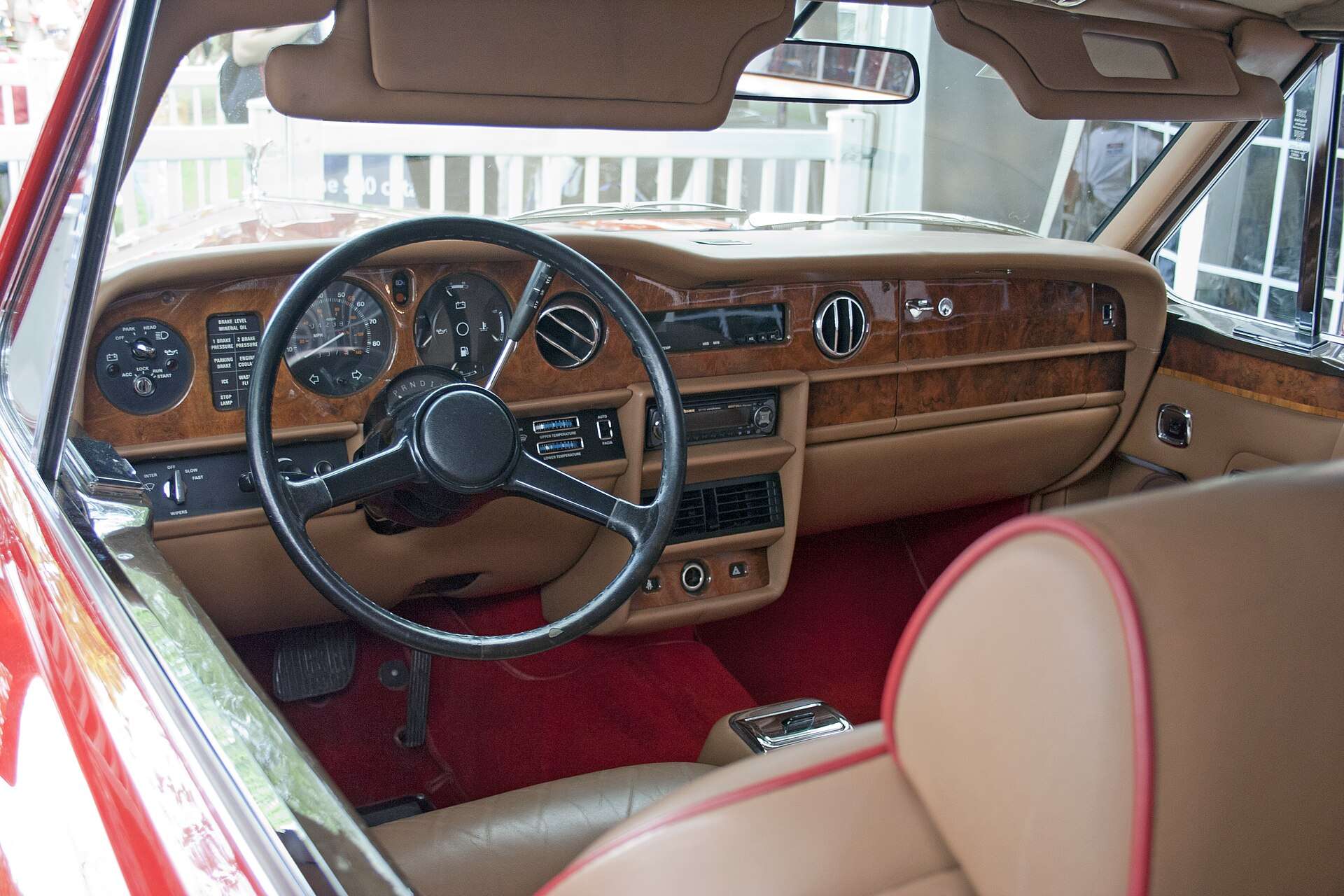
Test the climate system, electric seats, windows, locks, instruments and later electronic equipment. Water ingress can damage timber, leather, carpets and wiring. Recreating a missing or altered cabin is expensive, so compare colours, materials and fittings with the factory build record.
The early coupé is the rarest regular body style; the convertible is the model most buyers recognise. Corniche II, III and IV cars provide progressive usability improvements, while the final Corniche S is a highly specialised collector model. Condition and documented originality are more important than chasing a particular badge.

Sources and further reading
- Rolls-Royce Motor Cars: coupé and Corniche history
- Classic & Sports Car: Corniche buyer’s guide
- Classics World: Corniche buyer’s guide
Continue the Rolls-Royce story
Explore the complete Rolls-Royce hub. Continue with the Rolls-Royce Camargue and Rolls-Royce Silver Shadow.
Frequently asked questions
When was the original Rolls-Royce Corniche built?
The Corniche name was used from 1971. Fixed-head production ended in 1981, while successive convertibles continued until 1995.
Is the Corniche based on the Silver Shadow?
Yes. Its monocoque structure and major mechanical systems derive from the Silver Shadow family, with extensively reworked two-door bodywork.
What is the difference between Corniche and Corniche II?
Corniche II arrived in 1986 with accumulated technical, safety and cosmetic updates; later Corniche III and IV versions continued the development.
Was every Corniche a convertible?
No. A fixed-head two-door saloon was produced until 1981, although the convertible became the longer-lived and better-known version.
What should a Corniche buyer check first?
Body structure, roof and seals, unique glass and trim, hydraulic-system history, cooling, transmission, suspension, water ingress and factory provenance.