UNUSUAL CARS MODEL GUIDE
The Rolls-Royce Silver Spirit and long-wheelbase Silver Spur formed the core of the Crewe range from 1980 through the 1990s. Their angular John Blatchley body looked new, but the SZ platform evolved the Silver Shadow’s proven 6.75-litre V8, independent suspension, hydraulic braking and self-levelling systems.
Quick answer: the Silver Spirit is the standard-wheelbase driver’s saloon and the Silver Spur prioritises rear-seat space. Both can be excellent long-distance classics, but only with documented hydraulic, cooling, fuel-system, suspension and corrosion care.
Featured image: white right-hand-drive 1981 Rolls-Royce Silver Spirit. Photograph by Calreyn88, CC BY-SA 4.0, via Wikimedia Commons; locally hosted.
From Silver Shadow to SZ
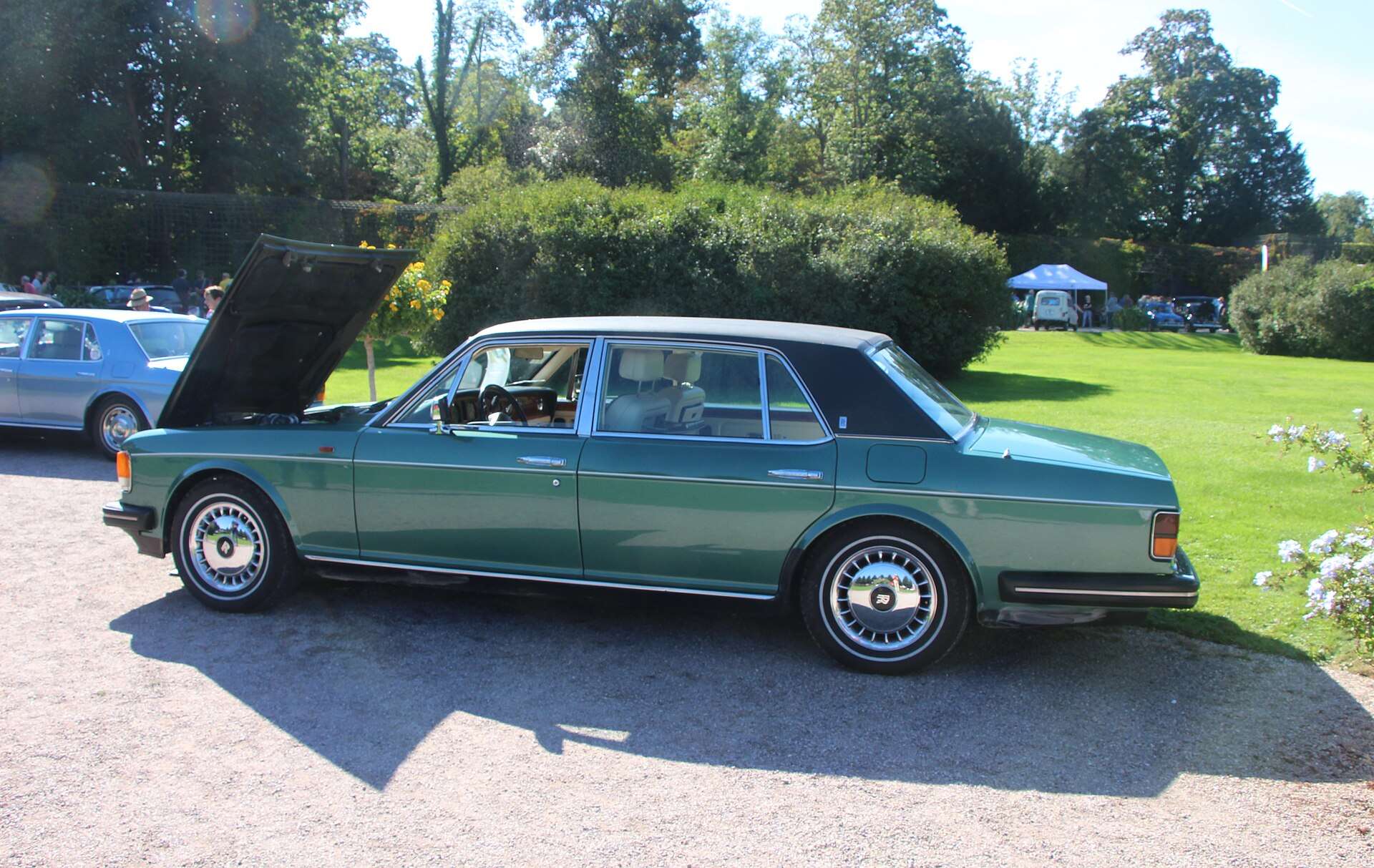
The Silver Spirit replaced the Silver Shadow in 1980, retaining its underlying floorpan and major mechanical principles while introducing a lower, more rectilinear body. The Spirit’s broad glass area and formal roof created an airy cabin; the Silver Spur used a wheelbase approximately four inches longer to benefit rear passengers.
The naturally aspirated 6.75-litre V8 initially used carburettors and a three-speed automatic. Fuel injection, anti-lock brakes, revised engine management and a four-speed transmission arrived progressively. Because changes followed model year and market requirements, the chassis number and build documentation are more reliable than registration year alone.
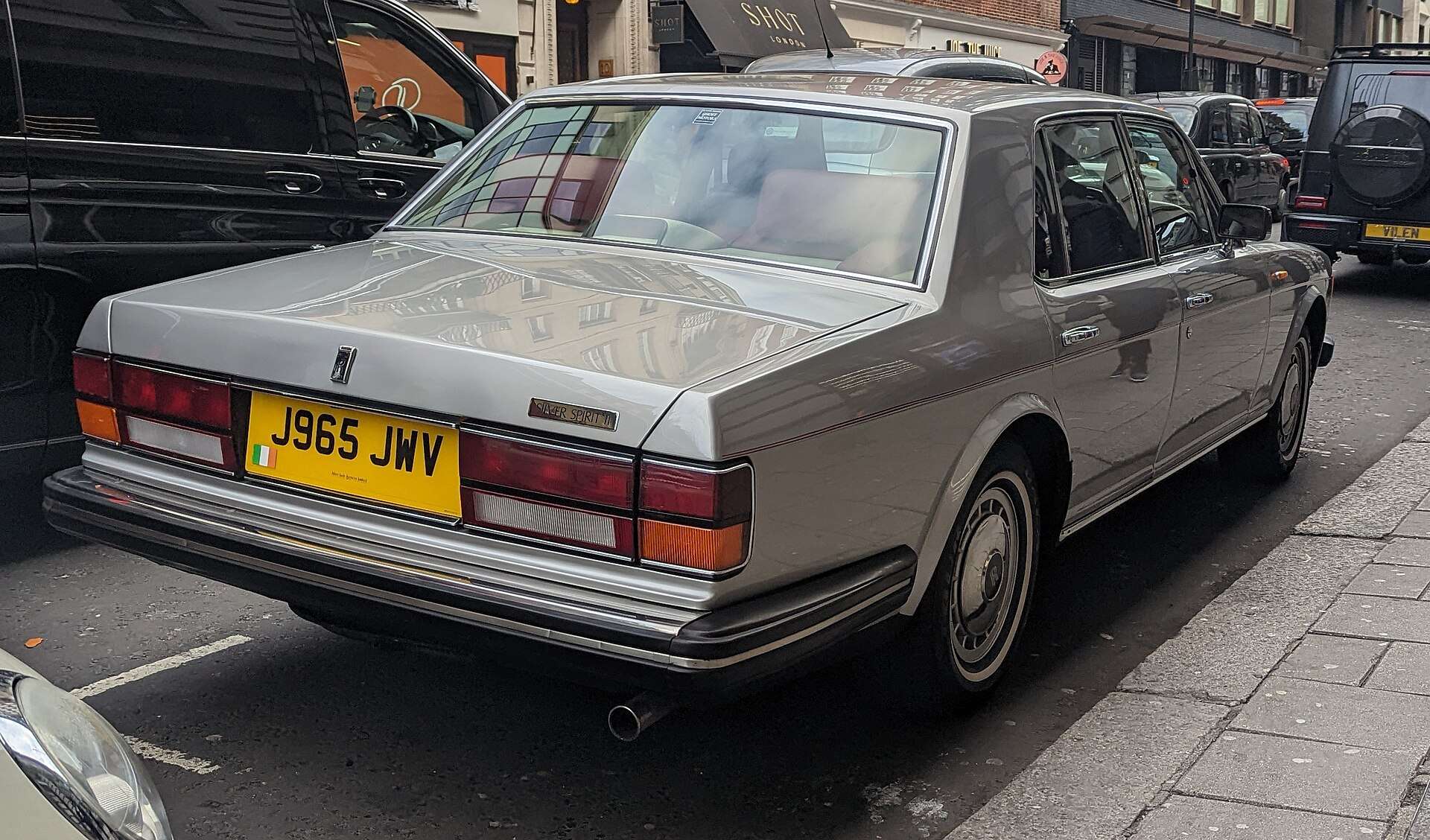
Spirit and Spur generations
| Phase | Main developments |
|---|---|
| Silver Spirit and Spur | 1980 launch; standard and long wheelbases, carburettors initially and fuel injection later |
| Series II | Introduced for 1989 with Automatic Ride Control and revised instrumentation |
| Series III | 1993 model-year update with further engine-management, safety and cabin changes |
| New Silver Spirit and Silver Spur | Known informally as Series IV; redesigned bumpers, mirrors, wheels and extensive detail revisions |
| Late derivatives | Silver Dawn, Touring Limousine and Park Ward extended-wheelbase cars continued the family into the late 1990s |
Special coachbuilt and extended cars require careful authentication. A later grille, lamps or wheels do not convert an early car into a later factory derivative.

Love cars you don’t see every day?
Get forgotten cars, surprising motoring stories and the most interesting finds from Unusual Cars by email.
Free to join. No spam. Unsubscribe whenever you like. See our privacy policy.
Engine, fuel system and cooling
The L-series V8 should start promptly, idle almost silently and pull without hesitation. Check the correct carburettor or injection equipment for the model, then inspect fuel hoses, pumps, ignition components, turbo-free intake plumbing and all vacuum lines. Long storage can produce stale-fuel deposits and brittle seals.
Cooling is critical. Inspect the radiator, expansion tank, water pump, fan coupling, heater valves and every accessible hose. Any history of overheating deserves investigation. Oil leaks are common, but heavy loss, low hot oil pressure, smoke or persistent valvetrain noise should not be normalised as character.

Hydraulics, suspension and brakes
The braking and rear self-levelling systems use high pressure and demand the correct mineral fluid on these cars. Warning lights should extinguish quickly, the rear should maintain its height and the brake pedal should feel consistent. Inspect accumulators, pumps, hoses, calipers, spheres and pipework for age, leaks and evidence of correct servicing.
Series II cars introduced electronically controlled dampers. A healthy example changes character without warning lamps or harshness. Check bushes, ball joints, steering, wheel bearings, dampers and springs, and budget properly for quality tyres with the right load and speed ratings.
Corrosion, cabin and electronics
Look closely at sills, jacking points, lower wings, rear arches, door bottoms, screen surrounds, boot floor and suspension mounting areas. Many cars lived outside after depreciation, so glossy paint can conceal structural deterioration. Aluminium panels require attention where they meet steel frames.
Operate climate control, electric seats, windows, locks, mirrors, lamps, instruments and any rear-compartment equipment. The dashboard and veneer should be complete, dry and consistent with the build record. Electrical faults often multiply when batteries or earth connections are poor, but every warning still deserves diagnosis.

Spirit or Spur?
The Silver Spirit is slightly shorter and usually the better choice for an owner who expects to drive the car. The Silver Spur offers a more formal rear compartment and a broader selection of divisions, picnic tables and rear-seat equipment. Later cars can feel more contemporary, but extra electronics and adaptive systems increase diagnostic complexity.
Buy the best maintained car rather than the newest or most heavily optioned. A specialist inspection should measure hydraulic performance, check ride control, test cooling at full temperature, scan later management systems and inspect the complete underside.

Sources and further reading
- Rolls-Royce Motor Cars: Silver Spirit and Silver Seraph development context
- Classic & Sports Car: Silver Spirit and Silver Spur buyer’s guide
Continue the Rolls-Royce story
Explore the complete Rolls-Royce hub. Continue with the Rolls-Royce Silver Shadow and Rolls-Royce Camargue.
Frequently asked questions
What is the difference between Silver Spirit and Silver Spur?
The Silver Spirit uses the standard wheelbase, while the Silver Spur adds approximately four inches for greater rear-seat space.
When were the Silver Spirit and Silver Spur built?
The SZ family began in 1980 and continued through several generations and long-wheelbase derivatives into the late 1990s.
What engine do they use?
A naturally aspirated 6.75-litre Rolls-Royce V8, with carburettor and fuel-injected versions depending on year and market.
What changed on the Series II?
Automatic Ride Control was the headline development, accompanied by revised instrumentation and detail improvements.
What should buyers inspect first?
Structure, hydraulics, cooling, fuel and ignition systems, suspension and ride control, tyres, electrical equipment and complete maintenance history.