UNUSUAL CARS MODEL GUIDE
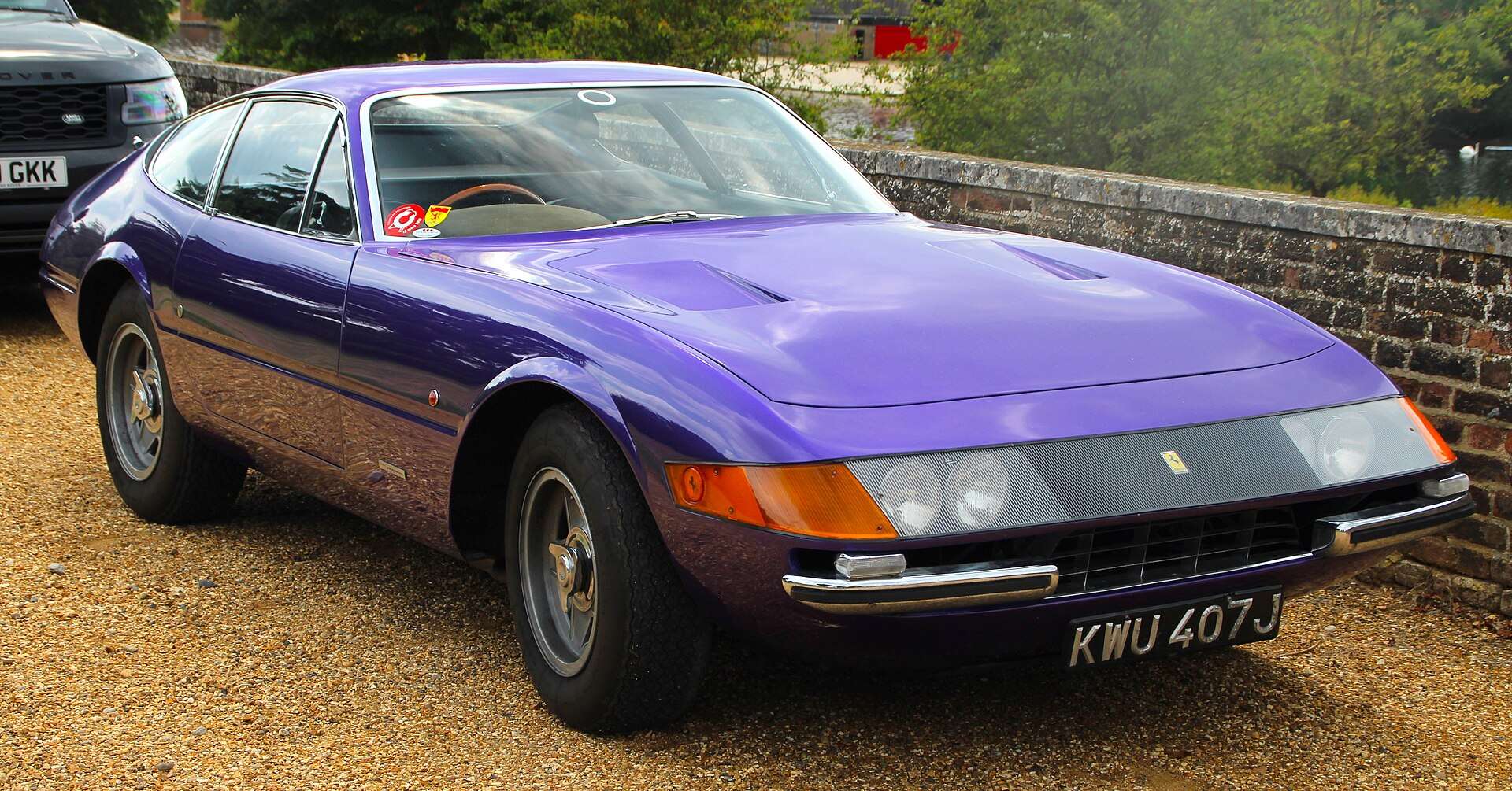
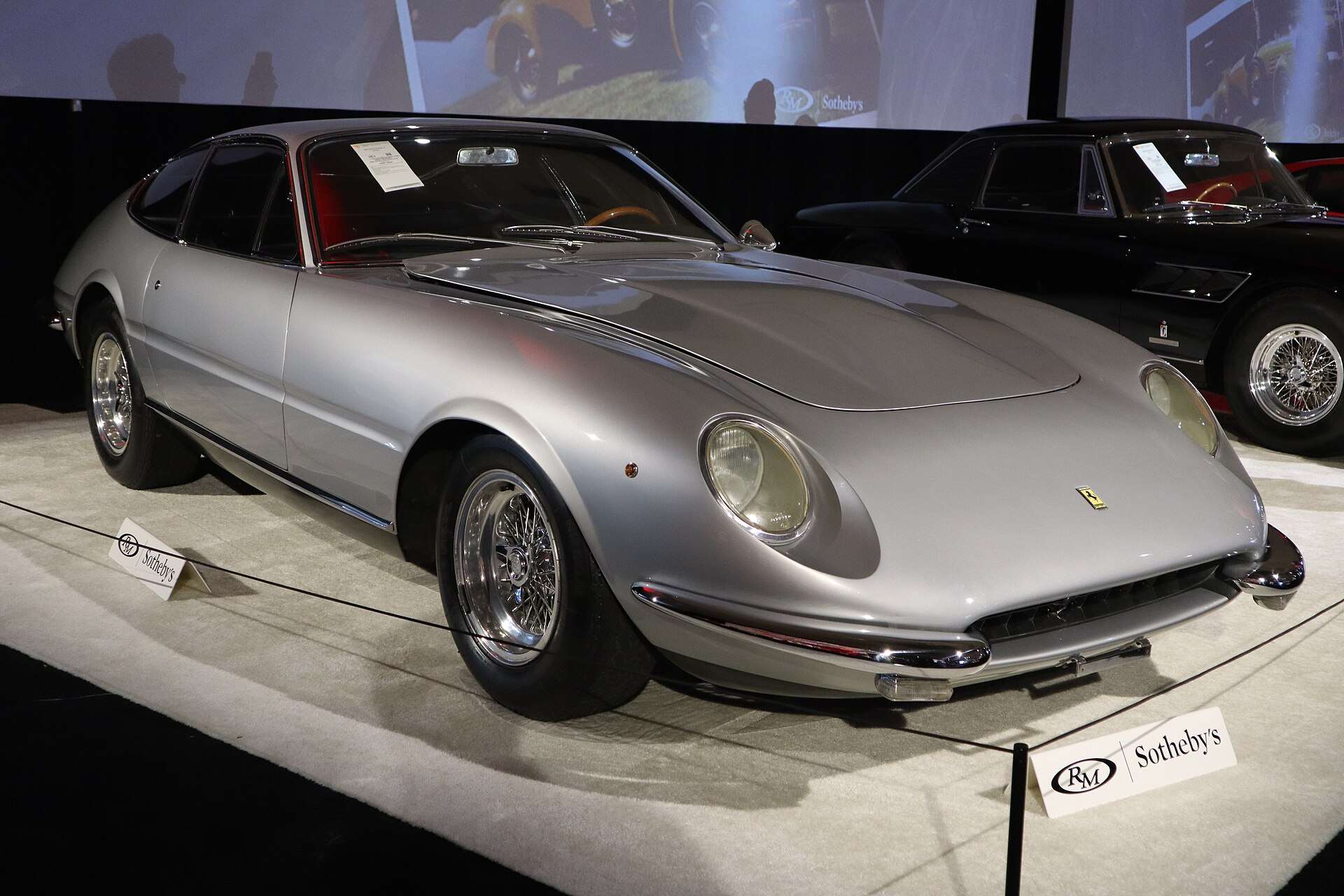
The Ferrari 365 GTB/4—universally nicknamed Daytona—is the front-engined V12 berlinetta unveiled at the 1968 Paris Motor Show. Its long-nosed Pininfarina body, rear-mounted transaxle and 4.4-litre four-cam engine made it one of the defining high-speed grand tourers of its era.
Quick answer: a genuine Daytona is a complex hand-built classic whose value depends heavily on identity, body style, originality and restoration quality. Confirm the chassis, engine, gearbox and factory configuration, then inspect the tubular frame, aluminium opening panels, steel body, corrosion, accident repair, V12, transaxle, suspension, brakes, wheels and complete history.
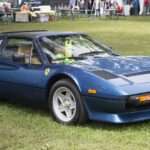
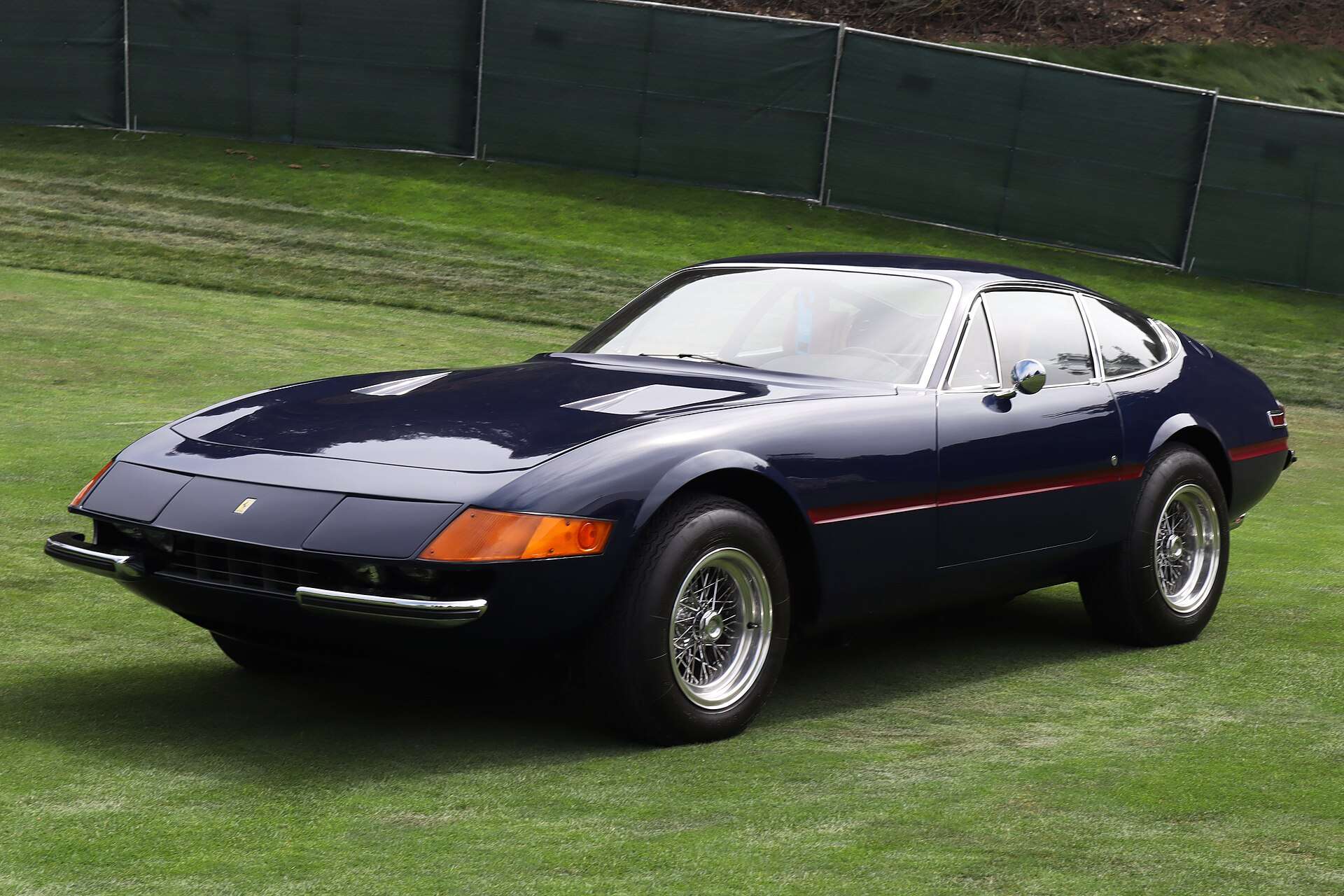
Featured image: blue Ferrari 365 GTB4 Daytona front three-quarter. Photograph by MrWalkr, CC BY-SA 4.0, via Wikimedia Commons; locally hosted.
Why the Daytona name stuck
Ferrari officially called the car 365 GTB/4. The press attached “Daytona” after Ferrari’s one-two-three finish at the 1967 Daytona 24 Hours, and the unofficial name became inseparable from the road car. The 365 designation refers to the approximate capacity of each cylinder, GTB means Gran Turismo Berlinetta and the four identifies the engine’s four camshafts.
Leonardo Fioravanti’s design for Pininfarina initially used a full-width transparent nose panel covering the lights. Changing regulations led later cars to adopt pop-up headlamps. The transition creates the familiar plexiglass-nose and pop-up-light distinction, although dates and market configuration must be established from chassis records rather than appearance alone.

Engine, chassis and performance
| Specification | 365 GTB/4 |
|---|---|
| Engine | 4,390cc 60-degree V12, four camshafts |
| Power | 352hp at 7,500rpm |
| Transmission | Five-speed rear transaxle |
| Layout | Front engine, rear-wheel drive |
| Maximum speed | 280km/h |
| Production era | 1968–1973 |
Six twin-choke Weber carburettors fed the dry-sump V12. Mounting the five-speed gearbox with the differential at the rear helped distribute mass across the wheelbase. Independent suspension used unequal-length wishbones, coil springs and telescopic dampers at each corner, with four-wheel disc brakes.

Love cars you don’t see every day?
Get forgotten cars, surprising motoring stories and the most interesting finds from Unusual Cars by email.
Free to join. No spam. Unsubscribe whenever you like. See our privacy policy.
Berlinetta, Spider and competition cars
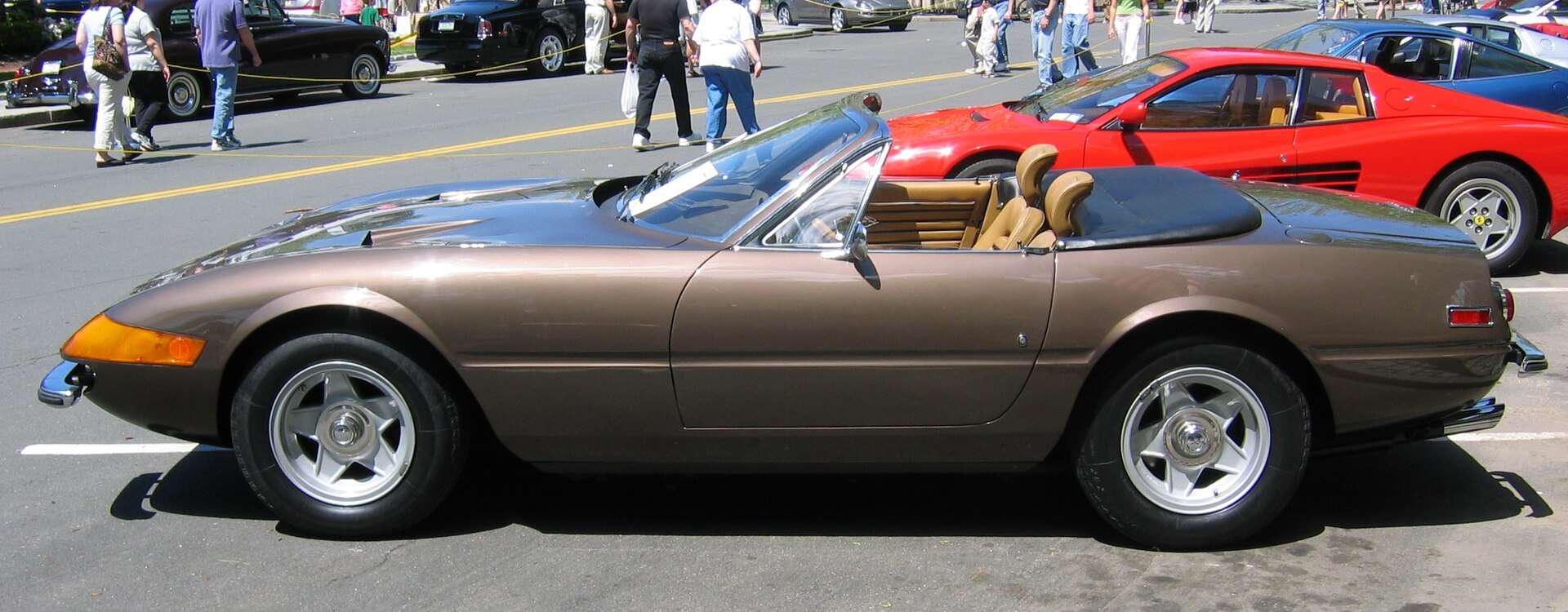
The 365 GTS/4 Spider was a factory-built open derivative produced in much smaller numbers than the berlinetta. Its rarity led many GTB/4 coupés to be converted later. A conversion can be enjoyable, but it is not a factory Spider and should never be represented or valued as one. Factory records and structural details are essential.
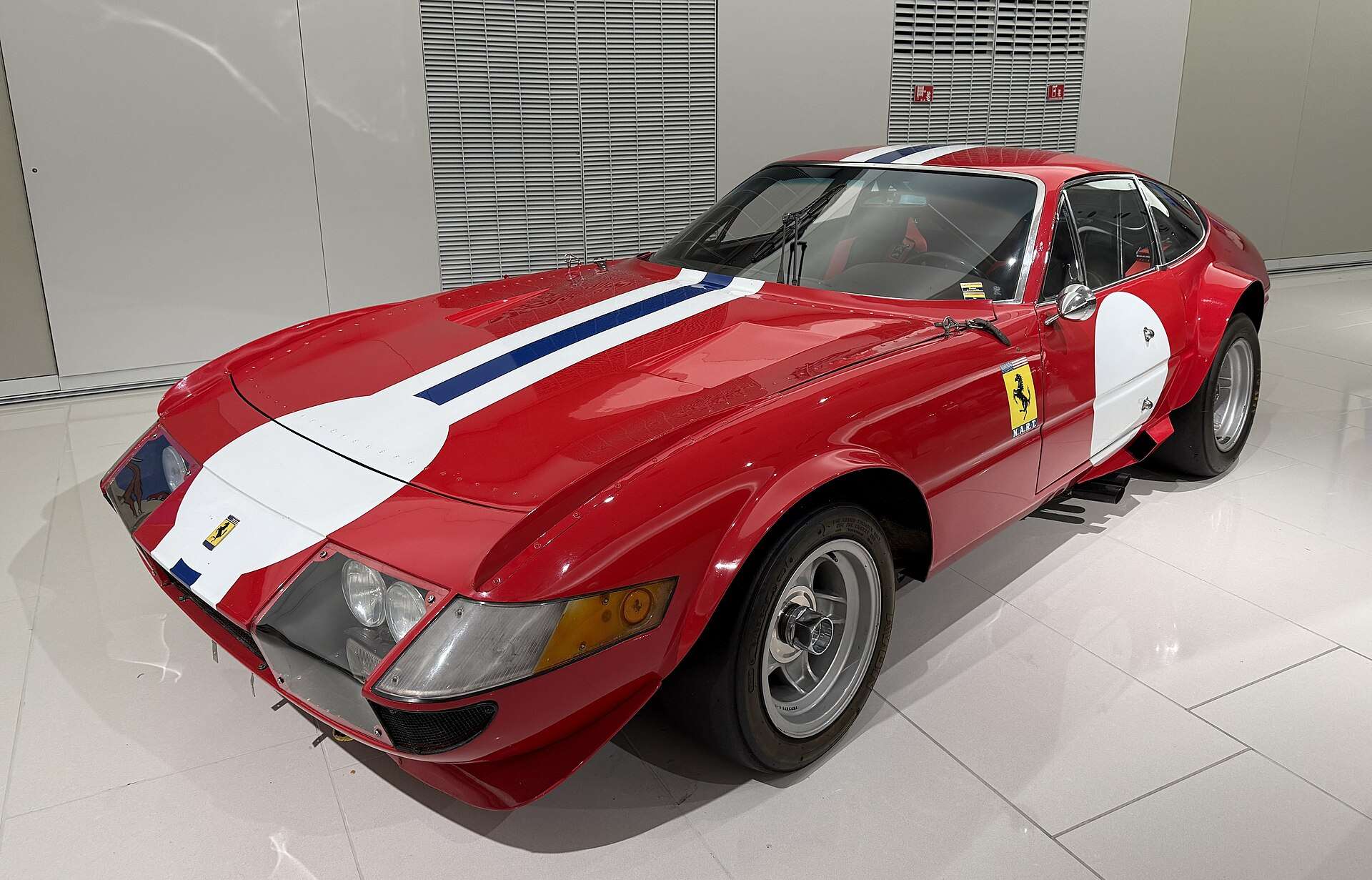
Ferrari also developed competition Daytonas in several series. They achieved class victories at Le Mans in 1972, 1973 and 1974 and remained competitive long after road production ended. Genuine factory competition cars are distinct from road cars modified with flares, lightweight panels or racing paint.
Identity, restoration and corrosion
Start with the stamped chassis number, engine type and number, gearbox details, build sheets and ownership trail. Confirm whether the car was originally a plexiglass or pop-up-headlamp berlinetta, a factory Spider or a later conversion. Original books, tools, trim and period documentation materially strengthen the record.
The tubular frame and steel body can corrode, especially around sills, floors, wheelarches, windscreen and rear-window apertures, suspension mounts and areas repaired after accidents. The bonnet, doors and boot lid are aluminium, creating different repair and corrosion considerations. Inspect panel shape, shut lines, welds and hidden cavities; a glossy restoration may conceal inaccurate structure.
V12, transaxle and road equipment
A cold start should reveal healthy oil pressure without sustained smoke, heavy rattles or fuel leaks. Carburettor balance, ignition timing and valve clearances require specialist knowledge. Inspect the dry-sump system, cooling circuit, fuel tanks and pumps, exhaust and engine mounts. Poorly set carburettors can disguise deeper compression or ignition problems.
The clutch is heavy but should release cleanly. Assess synchromesh and transaxle noise only when the oil is warm. Check driveshafts, limited-slip differential, wheel bearings, steering box, dampers and suspension bushes. Brakes must pull evenly and the servo should operate correctly. Original Cromodora alloy wheels or Borrani wire wheels need inspection appropriate to their construction, together with correctly rated modern tyres.
Sources and further reading
- Ferrari: 365 GTB4 Daytona presentation and history
- Ferrari: 365 GTB4 technical archive
- Ferrari: Daytona competition history
- Motor Sport: Ferrari Daytona buying guide
Continue the Ferrari story
Explore the complete Ferrari hub. Continue with the Ferrari Berlinetta Boxer and Ferrari 550 and 575M.
Frequently asked questions
Is Daytona the Ferrari 365 GTB4’s official name?
No. Ferrari called it the 365 GTB/4; Daytona was a press nickname inspired by Ferrari’s 1967 endurance-race result.
What is the difference between plexiglass and pop-up-headlamp Daytonas?
Early cars used a transparent panel over the lamps. Later production adopted retractable headlamps after regulatory changes.
How can a genuine Daytona Spider be identified?
Factory records and chassis-specific structural details must confirm a 365 GTS/4. Many berlinettas were converted after production.
Did the Ferrari Daytona race?
Yes. Competition 365 GTB/4s achieved major endurance results, including Le Mans class victories in 1972, 1973 and 1974.
What should be checked before buying a Daytona?
Verify identity and body style, then inspect frame and body corrosion, restoration quality, V12, carburettors, transaxle, suspension, brakes, wheels and history.