UNUSUAL CARS MODEL GUIDE
The Ferrari Testarossa, 512 TR and F512 M form one 1984–1996 family of two-seat, mid-engined twelve-cylinder supercars. The Testarossa created the defining wide-body shape; the 512 TR substantially improved the chassis, engine and cabin; and the rare F512 M became the final Ferrari road car with a mid-mounted flat-12.
Quick answer: buy the exact derivative you want, but prioritise history and recent use. Every version demands checks of engine-out belt servicing, differential and transmission condition, cooling, fuel hoses, electrical systems, tyres and accident repairs. A 512 TR is usually the best driving compromise; the original has the purest period identity, while the F512 M is the rarest and most valuable.
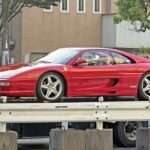
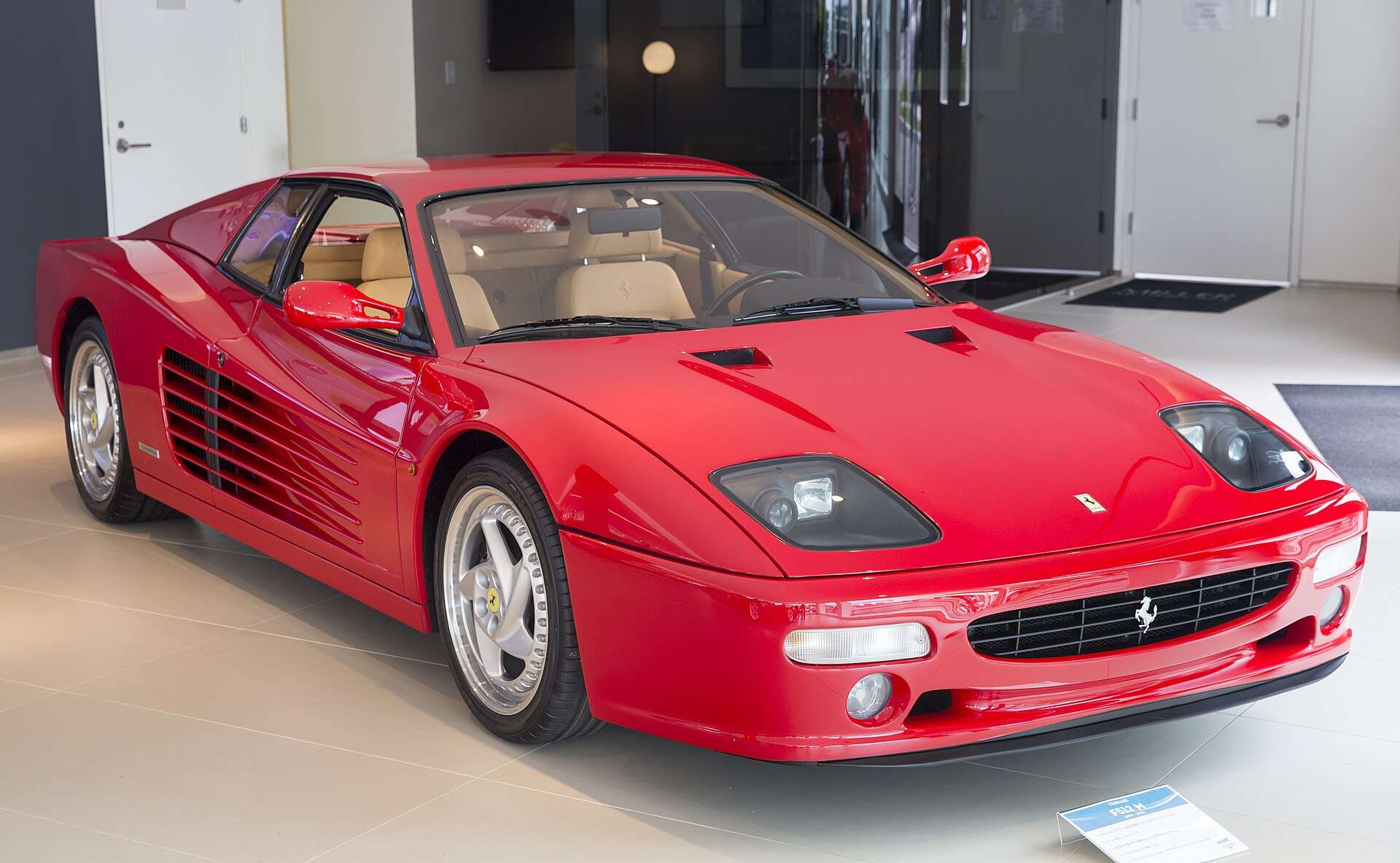
Featured image: red 1987 Ferrari Testarossa front three-quarter. Photograph by Calreyn88, CC BY-SA 4.0, via Wikimedia Commons; locally hosted.
From Berlinetta Boxer to Testarossa
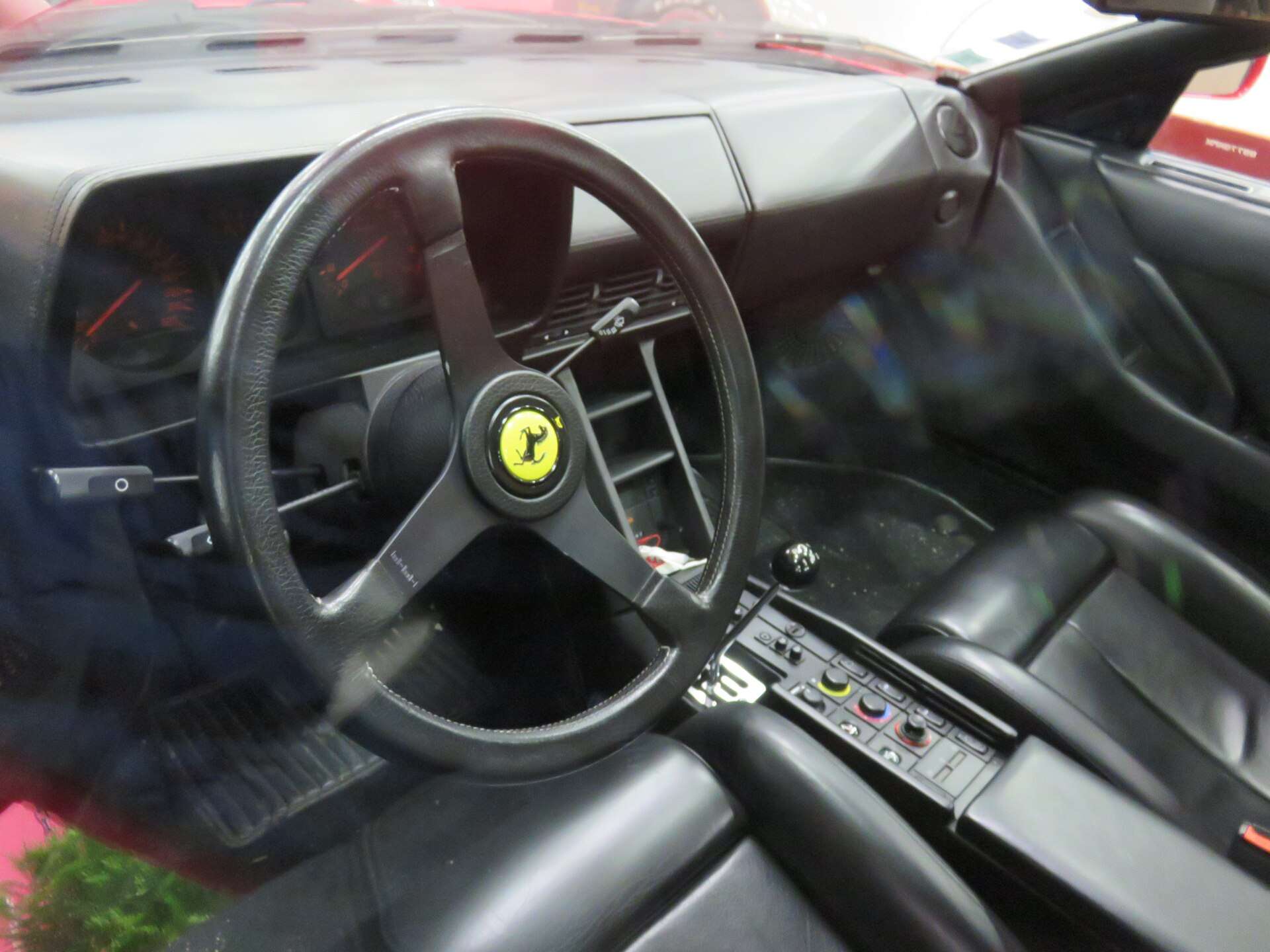
Ferrari unveiled the Testarossa at the 1984 Paris Motor Show as the successor to the 512 BBi. Pininfarina placed the water radiators beside the engine rather than at the front, eliminating long coolant pipes and creating the wide rear body and straked side intakes. The name revived Ferrari’s Testa Rossa tradition and referred to the red-painted cylinder heads.
The 4,943cc dry-sump flat-12 sat longitudinally behind the cabin above a five-speed transaxle. Four valves per cylinder and Bosch injection produced 390cv in European form. Early cars used one high-mounted door mirror; later twin-mirror examples are more common. Market equipment and emissions specifications vary, making chassis-number and documentation checks essential.
Three generations explained
| Model | Years | Factory output | Key changes |
|---|---|---|---|
| Testarossa | 1984–1991 | 390cv European | Original straked body, five-speed manual and pop-up lamps |
| 512 TR | 1992–1994 | 428hp European | Lower powertrain, Motronic injection, stronger brakes, revised body and cabin |
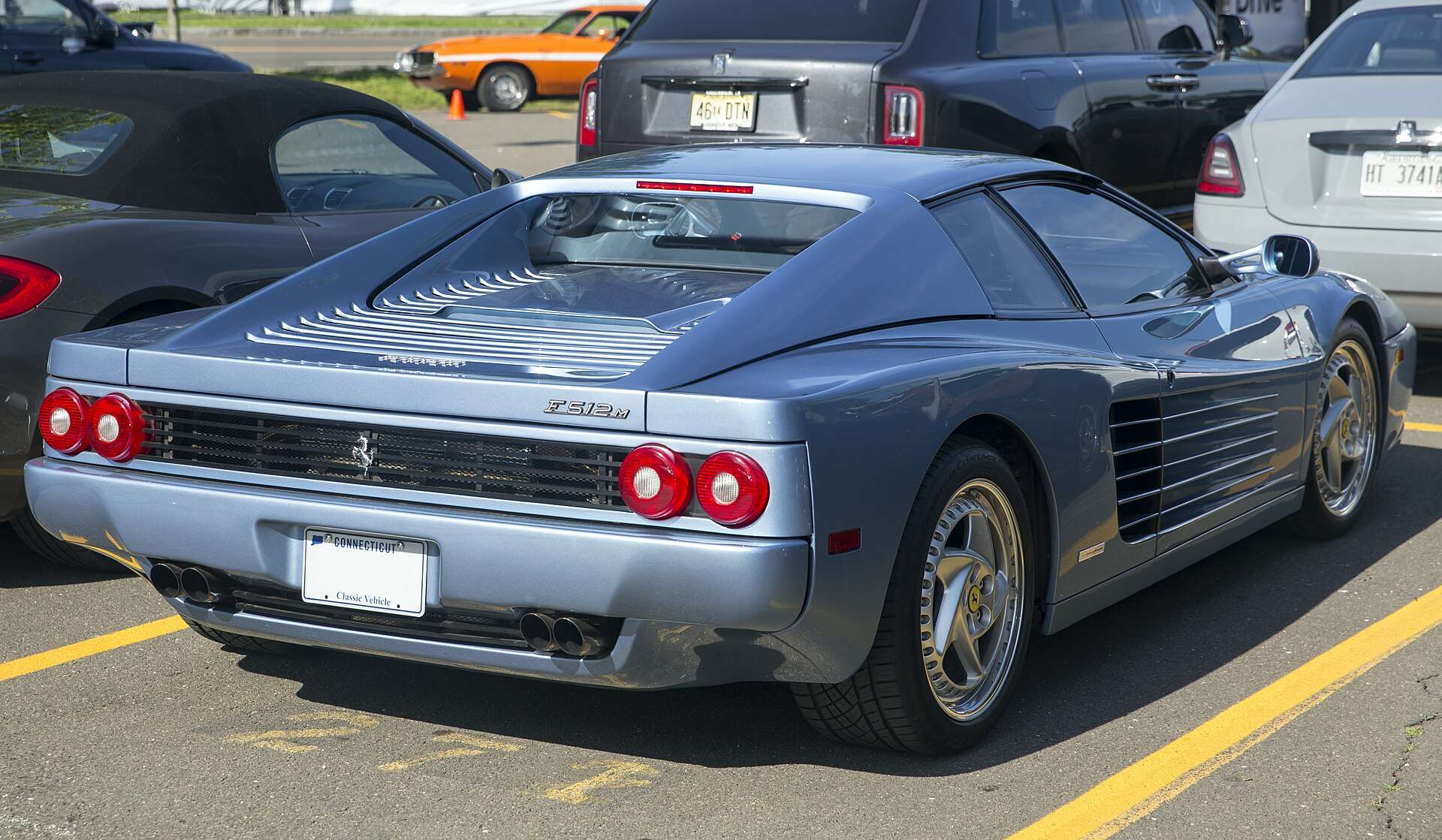
| F512 M | 1994–1996 | 440hp | Fixed lamps, round rear lights, lighter components and final flat-12 development |
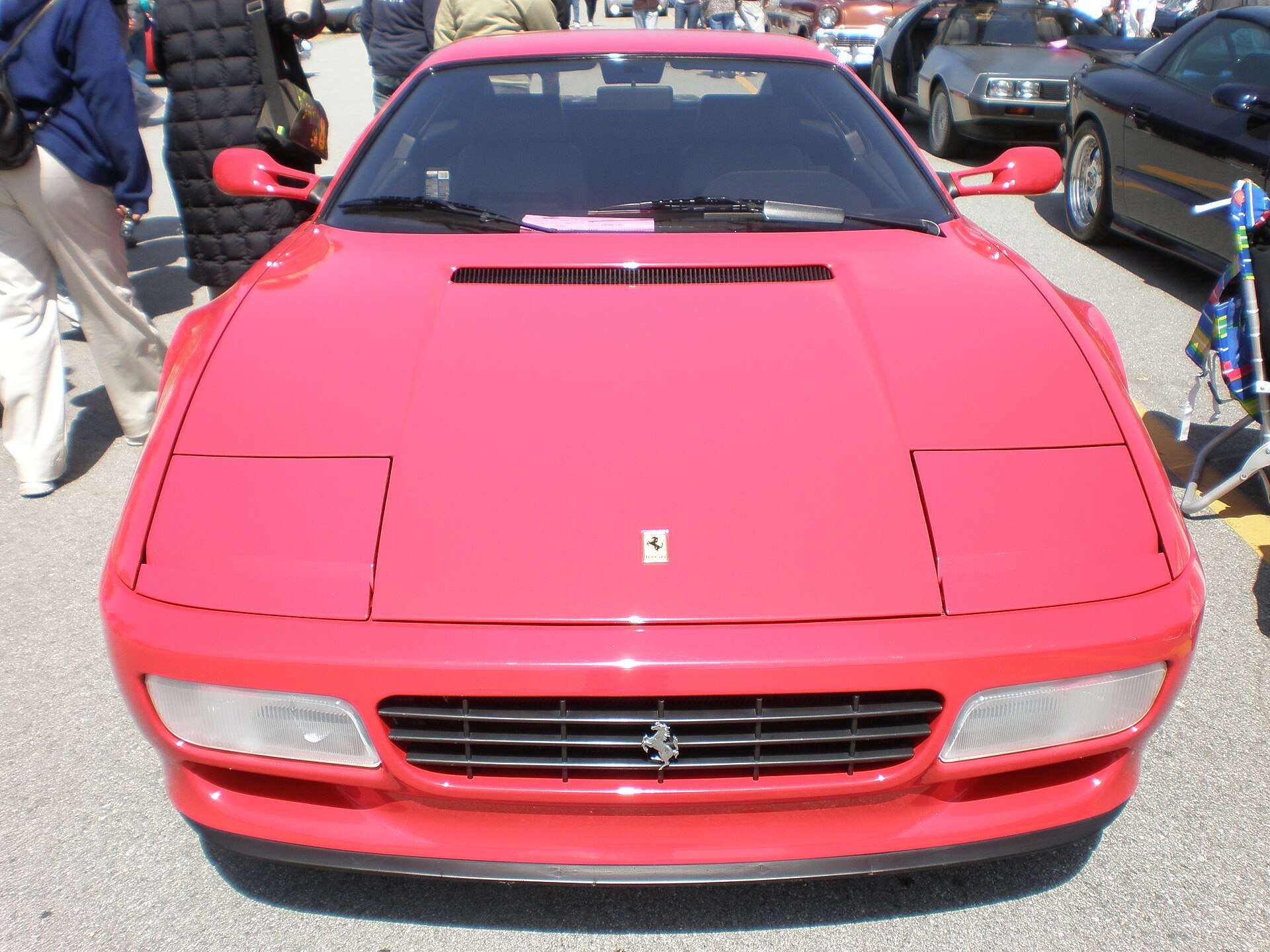
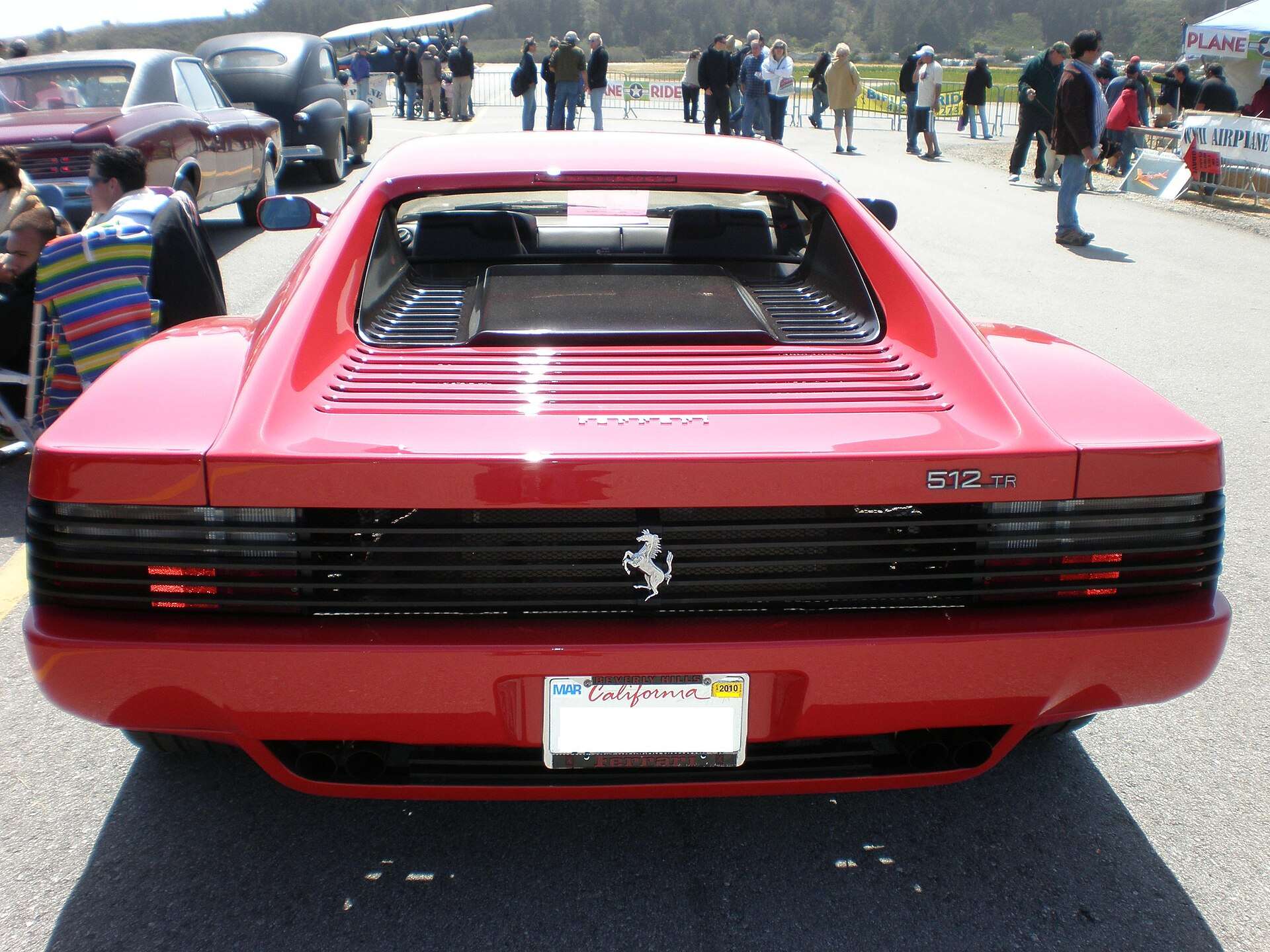
The 512 TR was more than a facelift. Ferrari mounted its engine and gearbox 30mm lower, revised the suspension and steering, enlarged the brakes and gave the cabin better ergonomics. The F512 M — M for modificata — sharpened performance again but replaced the Testarossa’s pop-up lights and slatted rear panel with a more modern treatment.
Love cars you don’t see every day?
Get forgotten cars, surprising motoring stories and the most interesting finds from Unusual Cars by email.
Free to join. No spam. Unsubscribe whenever you like. See our privacy policy.
Flat-12 servicing and cooling
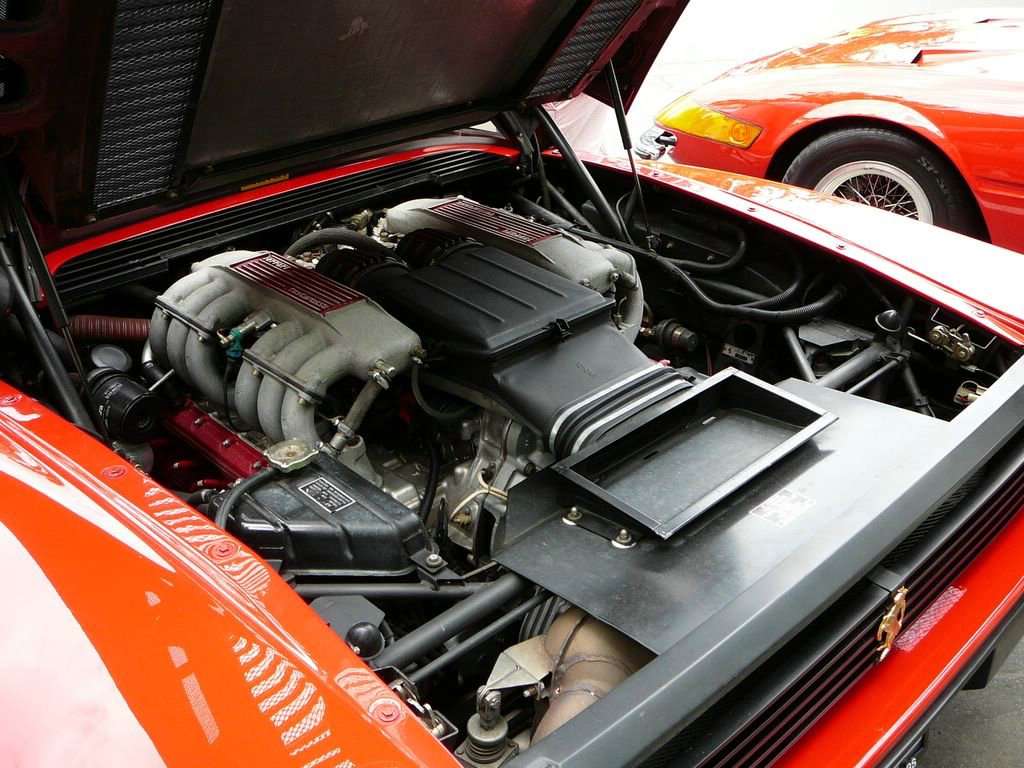
Timing belts and associated service work require removal of the engine and gearbox assembly. The value lies not merely in a stamped book but in detailed invoices showing belts, tensioners, valve clearances, hoses, pumps, seals and fluids. From cold, watch oil pressure and exhaust smoke, then bring the car fully to temperature to prove the radiators, fans and coolant circulation.
Inspect fuel hoses, injection components, distributors on earlier cars, ignition wiring and the condition of the exhaust and catalytic converters. Long storage can be harder on seals, pumps and fuel systems than sensible use. Oil seepage is common; major leaks or contaminated coolant require diagnosis before purchase.
Gearbox and differential
The five-speed gearbox should be allowed to warm before firm shifts. Test for synchro wear, noise, clutch slip and difficult selection. The engine-over-gearbox layout raises the centre of gravity and places substantial torque through the differential assembly. On hard-used cars, differential, quill-shaft and final-drive condition deserve specialist attention; repair history and upgraded parts should be documented rather than assumed.
Steering is heavy at low speed but should become accurate on the move. Inspect dampers, bushes, wheel bearings, brakes and wheel condition, then confirm the car wears correctly rated tyres in matched sets. Old tyres can look excellent and still be unsafe.
Body, cabin and provenance
The Testarossa is wide and vulnerable to parking damage. Inspect its aluminium and steel panels, door strakes, sills, glass and the hidden structure for poor repairs or corrosion around fixings and dissimilar metals. Panel gaps should be consistent even if they do not resemble a modern production car.
Test air conditioning, windows, seats, mirrors, instruments and every warning lamp. Interior trim is expensive to reproduce correctly. Original books, tools and luggage are desirable, while a documented colour change or major restoration must be assessed for workmanship rather than dismissed automatically.
Sources and further reading
- Ferrari: Testarossa history
- Ferrari: 512 TR evolution
- Ferrari: F512 M history
- Classic & Sports Car: Ferrari Testarossa buyer’s guide
Continue the Ferrari story
Explore the complete Ferrari hub. Continue with the Ferrari F355 and Ferrari 550 and 575M.
Frequently asked questions
What is the difference between a Testarossa and 512 TR?
The 512 TR has a lower-mounted and more powerful engine, revised injection, stronger brakes, updated suspension, improved ergonomics and restyled body details.
What does F512 M mean?
The F identifies Ferrari, 5 refers to engine capacity in litres, 12 to the cylinder count and M means modificata, or modified.
Is the Testarossa engine a boxer?
Ferrari commonly describes the family as flat-12 or boxer-engined, although its opposing pistons share crankpins rather than moving as true boxer pairs.
Do Testarossas need engine-out belt services?
Yes. Major belt service requires removal of the engine and gearbox assembly, making recent detailed invoices particularly important.
Which Testarossa-family model is best to drive?
The 512 TR is generally the best balance because its lower powertrain, chassis revisions, brakes and ergonomics materially improve the driving experience.