UNUSUAL CARS MODEL GUIDE
The Ferrari Mondial was a mid-engined V8 2+2 produced from 1980 to 1993 as a coupé and, from 1983, a Cabriolet. Across Mondial 8, Quattrovalvole, 3.2 and t generations it evolved from a relatively simple transverse drivetrain into the longitudinal-engine architecture that led towards the 348.
Quick answer: the Mondial is not one car but four significantly different versions. The QV and 3.2 balance usability with manageable servicing, while the t is faster and more sophisticated but requires engine-out belt work. Buy a complete, regularly used example with specialist history rather than the cheapest Ferrari badge.
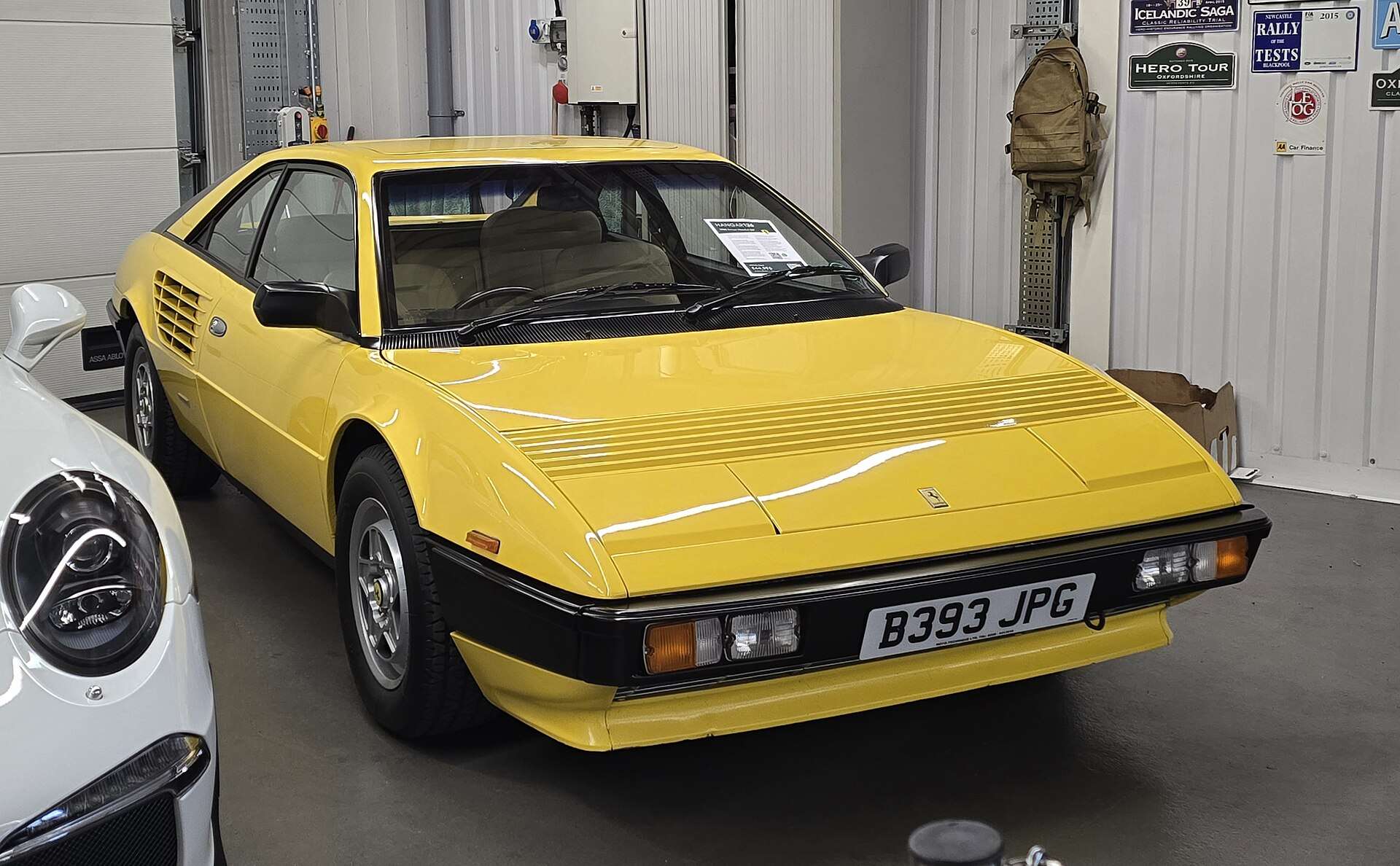
Featured image: yellow 1985 Ferrari Mondial QV coupé. Photograph by Calreyn88, CC BY 4.0, via Wikimedia Commons; locally hosted.
A practical mid-engined Ferrari
The Mondial replaced the Dino/Ferrari 308 GT4. Pininfarina styled a longer 2+2 around a 2,650mm wheelbase, while Scaglietti built the body. Its transverse engine, transmission and rear suspension were carried on a removable subframe, giving genuine rear seats and making major service work less disruptive than the body proportions suggest.
The first Mondial 8 used the fuel-injected 2,927cc two-valve V8. Contemporary criticism focused on its weight and reduced output, but the model’s purpose was broader: it combined Ferrari performance with luggage space, rear accommodation and a calmer long-distance character.
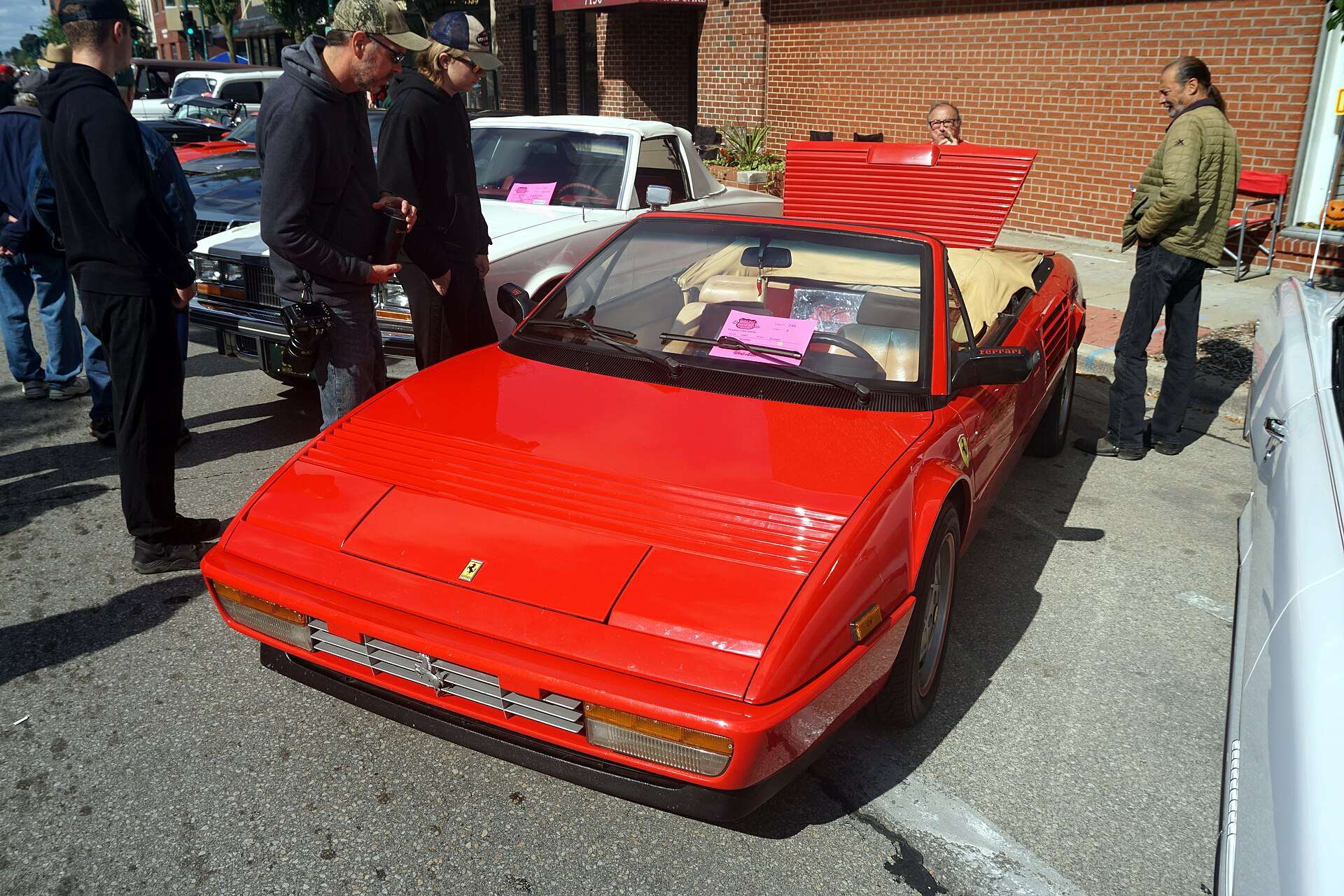
Four Mondial generations
| Version | Years | Engine | Key distinction |
|---|---|---|---|
| Mondial 8 | 1980–1982 | 2.9-litre, two-valve V8 | Original fuel-injected coupé |
| Mondial QV | 1982–1985 | 2.9-litre, four-valve V8 | 240hp European specification; Cabriolet from 1983 |
| Mondial 3.2 | 1985–1989 | 3.2-litre four-valve V8 | Restyled body-coloured bumpers and more torque |
| Mondial t | 1989–1993 | 3.4-litre four-valve V8 | Longitudinal engine, transverse gearbox, power steering and electronic dampers |
The lower-case t describes the final car’s drivetrain layout: longitudinal engine with a transverse gearbox. It transformed the packaging and handling, but increased servicing complexity. Market outputs varied, so identify a car by chassis, engine and documentation rather than relying on an advert’s rounded figure.
Love cars you don’t see every day?
Get forgotten cars, surprising motoring stories and the most interesting finds from Unusual Cars by email.
Free to join. No spam. Unsubscribe whenever you like. See our privacy policy.
Engine, belts and cooling
All versions need evidence of regular belt servicing, correct oil and careful warm-up. On the 8, QV and 3.2, the rear subframe eases access and belt work can be performed without removing the whole power unit. The Mondial t normally requires the drivetrain to be removed for belts, making service history particularly important.
Listen from cold for bearing, valve-train and exhaust-manifold noise, check oil pressure and test the cooling fans in traffic. Inspect pumps, hoses, tanks, fuel lines and the condition of the radiators. Heat-related ignition or injection faults may not appear during a short test drive.
Body, roof and cabin
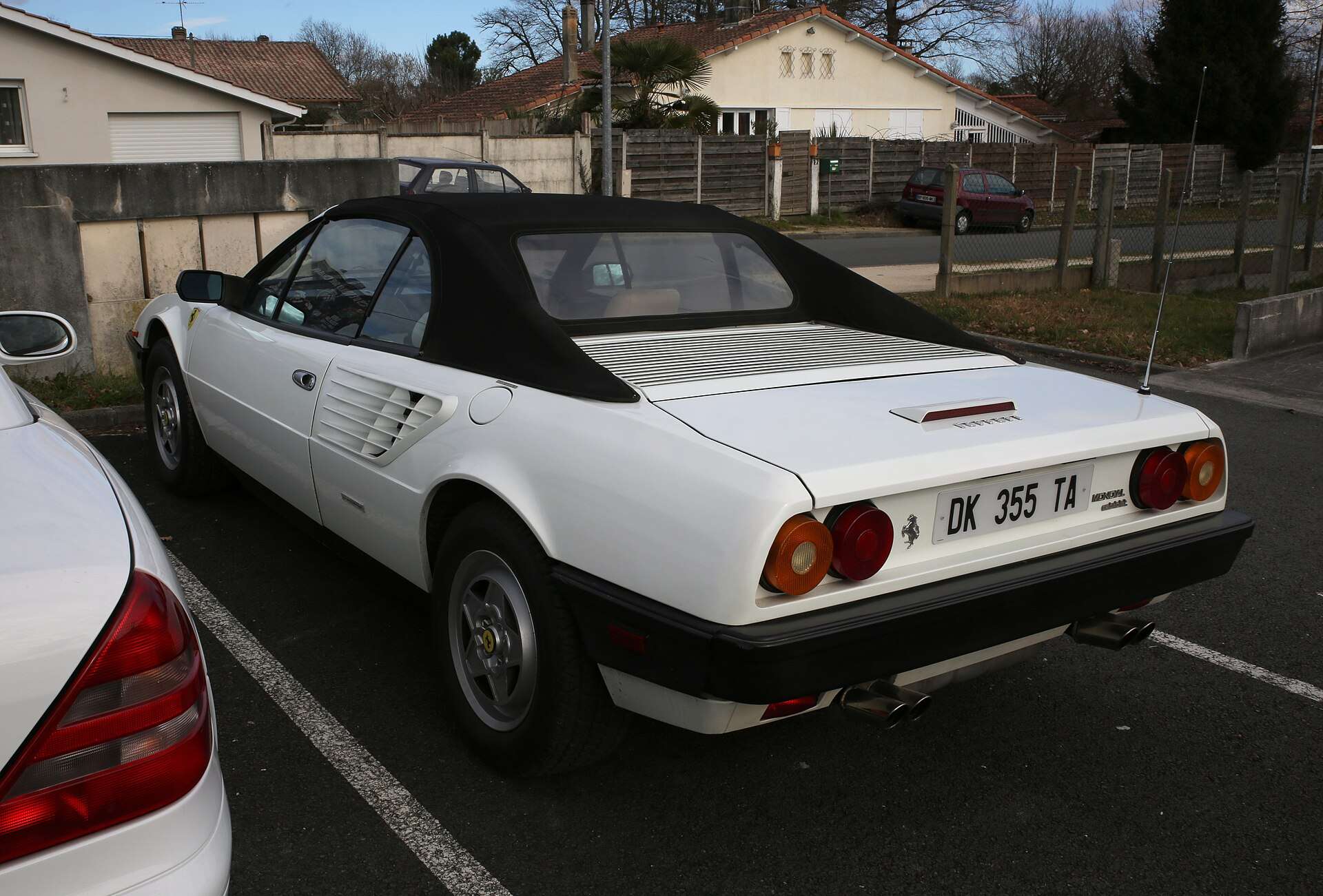
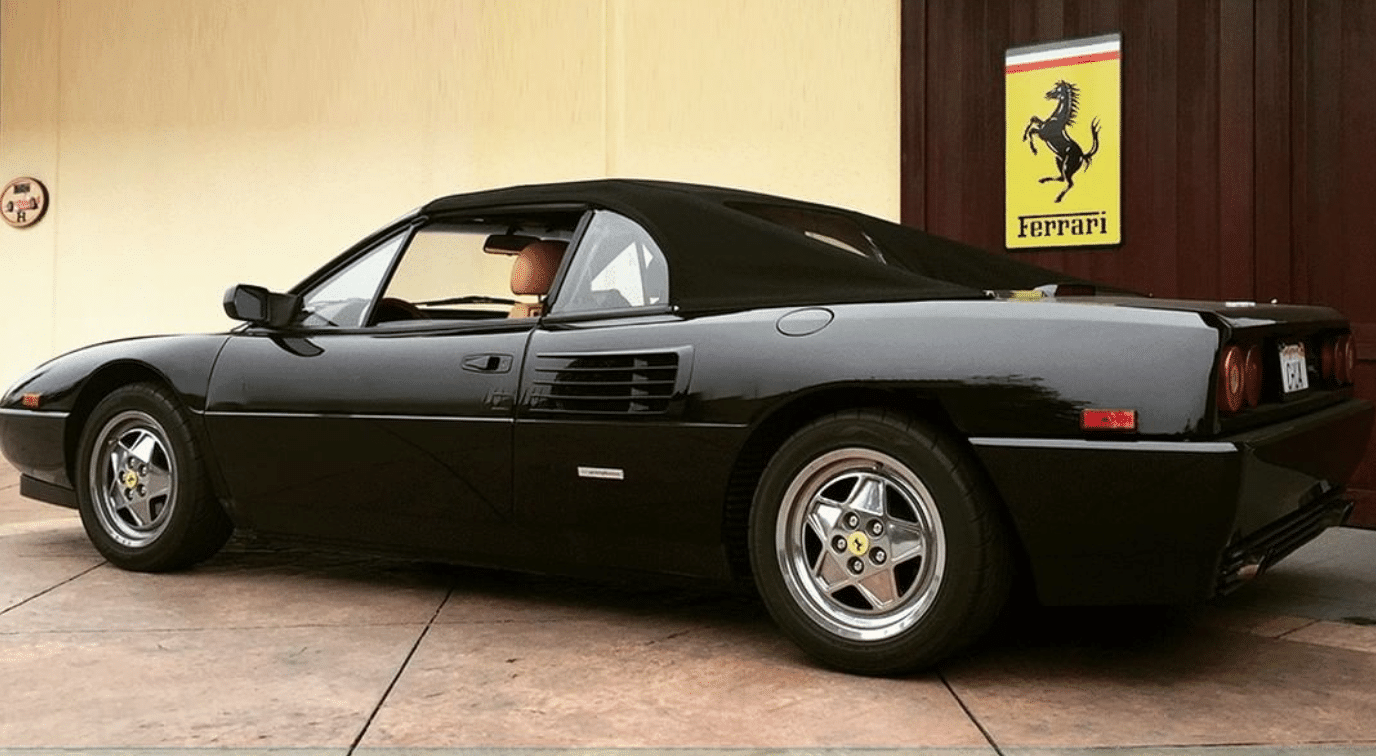
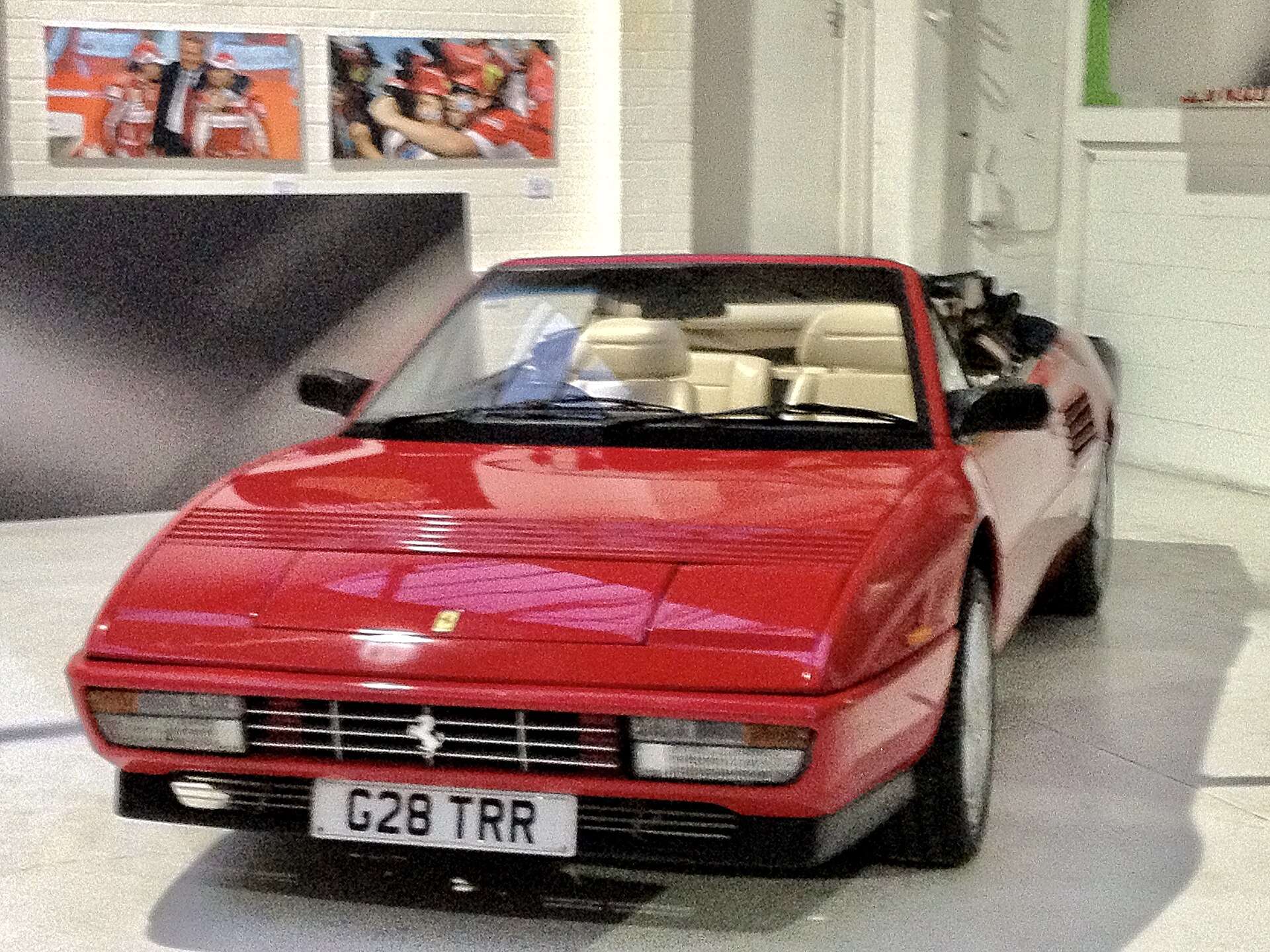
Early cars can suffer cosmetic corrosion around wheelarches, doors, sills, screens and panel seams. Inspect the underlying structure, suspension mounting points and accident repairs on a lift. Cabriolets need a complete roof cycle, dry carpets, clear drains and sound seals; poor alignment can indicate wear or earlier structural work.
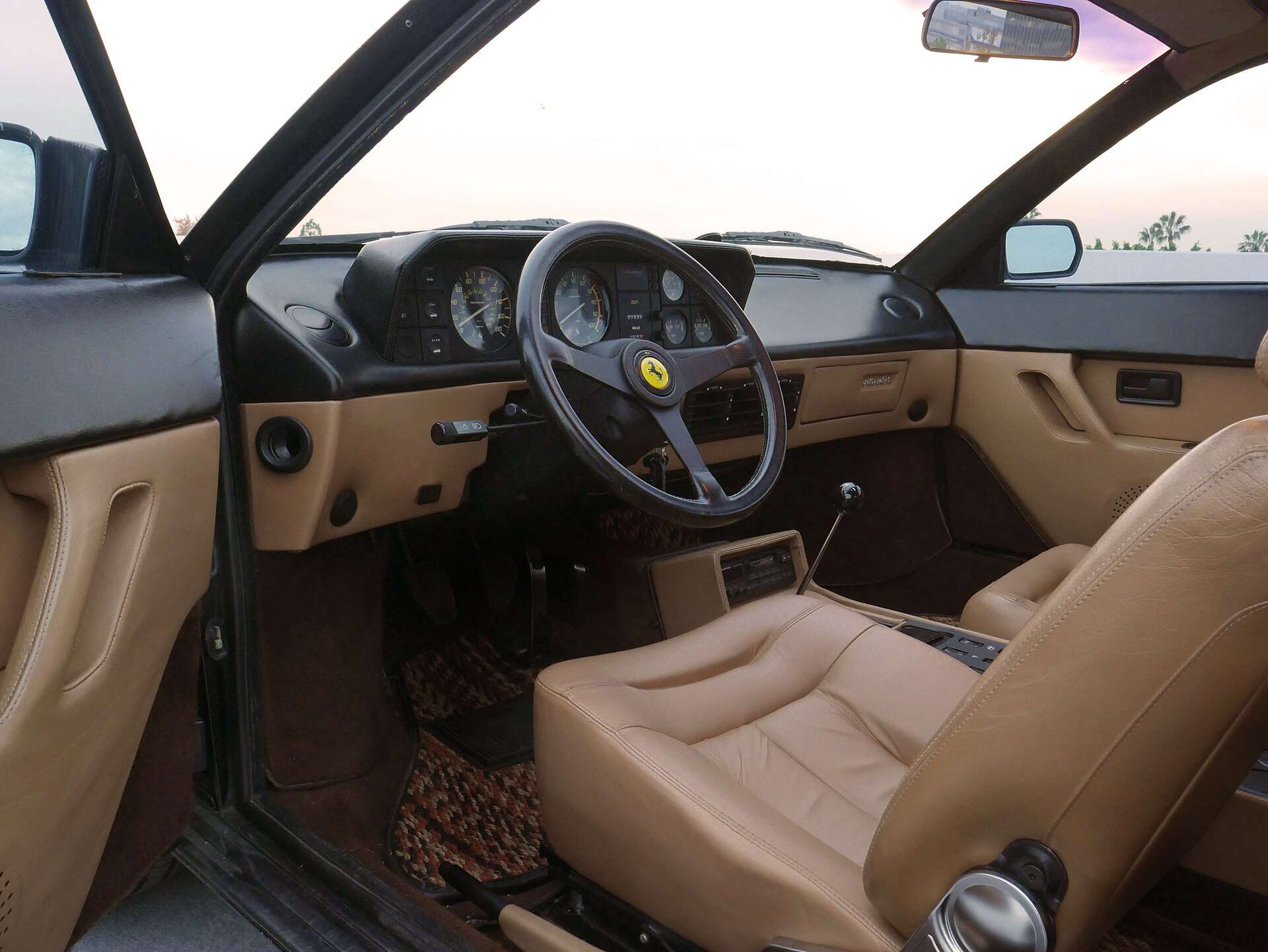
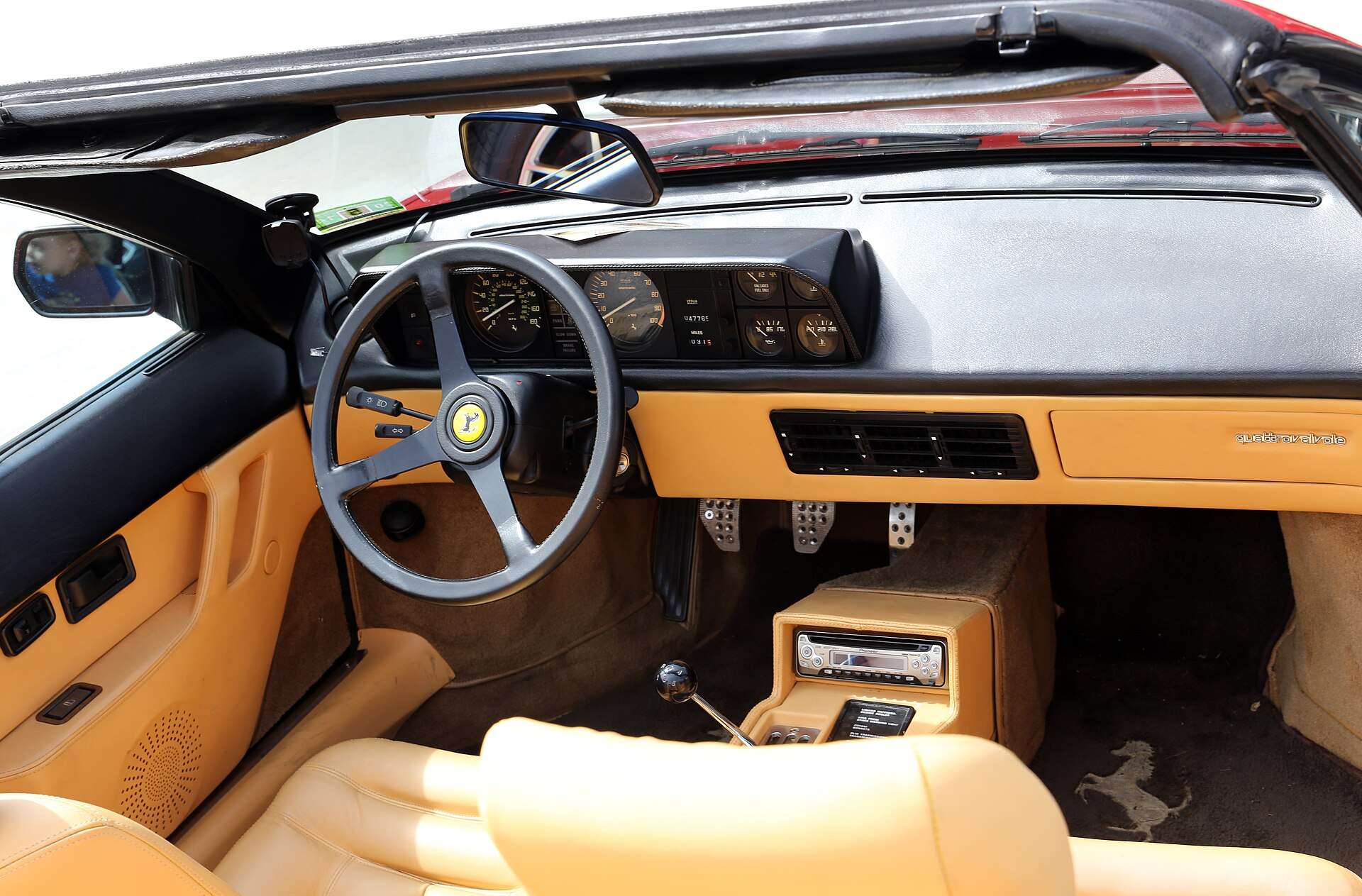
The cabin is a large part of the Mondial’s appeal and its restoration cost. Test the windows, central warning panel, ventilation, air conditioning, seat mechanisms and every switch. Slow windows, poor electrical grounds and fuse-board problems are familiar, but should still be priced and repaired rather than accepted blindly.
Suspension, brakes and choosing a version
Tired dampers, bushes, ball joints and driveshaft gaiters make a Mondial feel far less composed than it should. Check wheel bearings, tyres, steering and brakes, then inspect the t model’s electronically controlled dampers and power steering for leaks or warning lights.
The Mondial 8 is historically important but best bought for condition rather than performance. The QV is a meaningful improvement, the 3.2 is often the sweet spot, and the t offers the most modern response with the highest maintenance exposure. Coupé or Cabriolet is a personal decision, but neither excuses incomplete history.
Sources and further reading
- Ferrari: Mondial 8 and Quattrovalvole history
- Ferrari: introduction of the Mondial Cabriolet
- Classic & Sports Car: Ferrari Mondial buyer’s guide
- Auto Express: Mondial history and buying guide
Continue the Ferrari story
Explore the complete Ferrari hub. Continue with the Ferrari 308 and Ferrari 456 GT and GTA.
Frequently asked questions
How many versions of the Ferrari Mondial were made?
There were four main generations: Mondial 8, Mondial Quattrovalvole, Mondial 3.2 and Mondial t, with coupé and Cabriolet bodies offered during the range.
What does the t in Mondial t mean?
It describes the drivetrain arrangement: a longitudinal engine with a transverse gearbox, an architecture later used by the Ferrari 348.
Does a Mondial t need an engine-out belt service?
Major belt service on the Mondial t normally requires drivetrain removal, unlike the earlier transverse-engine versions where access is less involved.
Is the Ferrari Mondial a genuine four-seater?
It is a 2+2 with more usable rear accommodation than Ferrari’s two-seat V8 models, though adult comfort depends on journey length and front-seat position.
Which Ferrari Mondial is best to buy?
The QV and 3.2 offer a strong balance of performance and serviceability. The t is quicker and more sophisticated, but maintenance history and condition matter more than version alone.