UNUSUAL CARS MODEL GUIDE
The British-built Talbot 105 and 110 are among the most accomplished sporting cars of the 1930s. Chief engineer Georges Roesch extracted exceptional performance from a compact overhead-valve six-cylinder engine, while dealer-backed competition cars succeeded at Brooklands, Le Mans and in the Alpine Trial. Road cars combined that engineering with saloon, tourer, coupé and Airline coachwork.
Quick answer: the Talbot 105 used a 2,969 cc six-cylinder engine and appeared in 1931, with road versions following in 1932. The enlarged 3,377 cc Talbot 110 arrived in the mid-1930s with up to about 123 bhp in road form. Model identity depends on chassis, engine, wheelbase, gearbox and coachwork evidence; expert club inspection is essential before purchase.
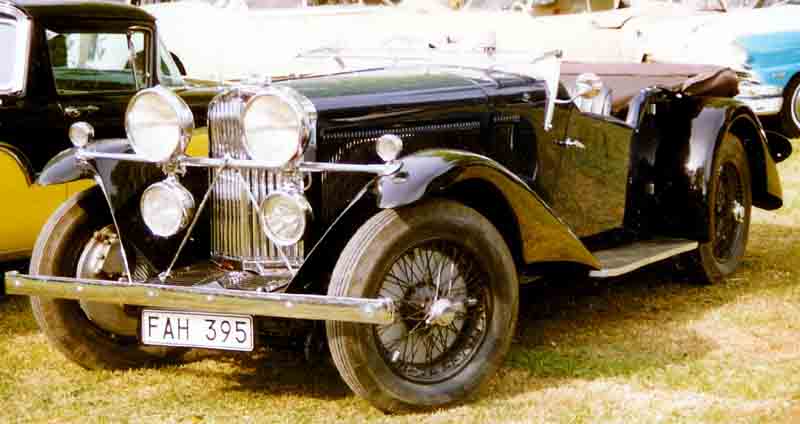
Featured image: 1933 Talbot 105 four-seat tourer. Photograph by Lars-Göran Lindgren Sweden, CC BY-SA 3.0, via Wikimedia Commons; locally hosted.
Georges Roesch and the 3-litre Talbot
Roesch developed the 105 from the successful 2.3-litre Talbot 90. By increasing bore and stroke to 75 by 112 mm while retaining compact external dimensions, he created a 2,969 cc six with larger staggered valves, unequal-length rockers and efficient manifolding. Road engines produced around 100 bhp, while high-compression competition versions were considerably stronger.
The 105 used a shorter 9 ft 6 in chassis than the long-wheelbase 95 and attracted leading coachbuilders. Vanden Plas four-seat tourers became the best-known sporting form, but surviving cars wear a variety of original and later bodies. That diversity makes documentary history unusually important.
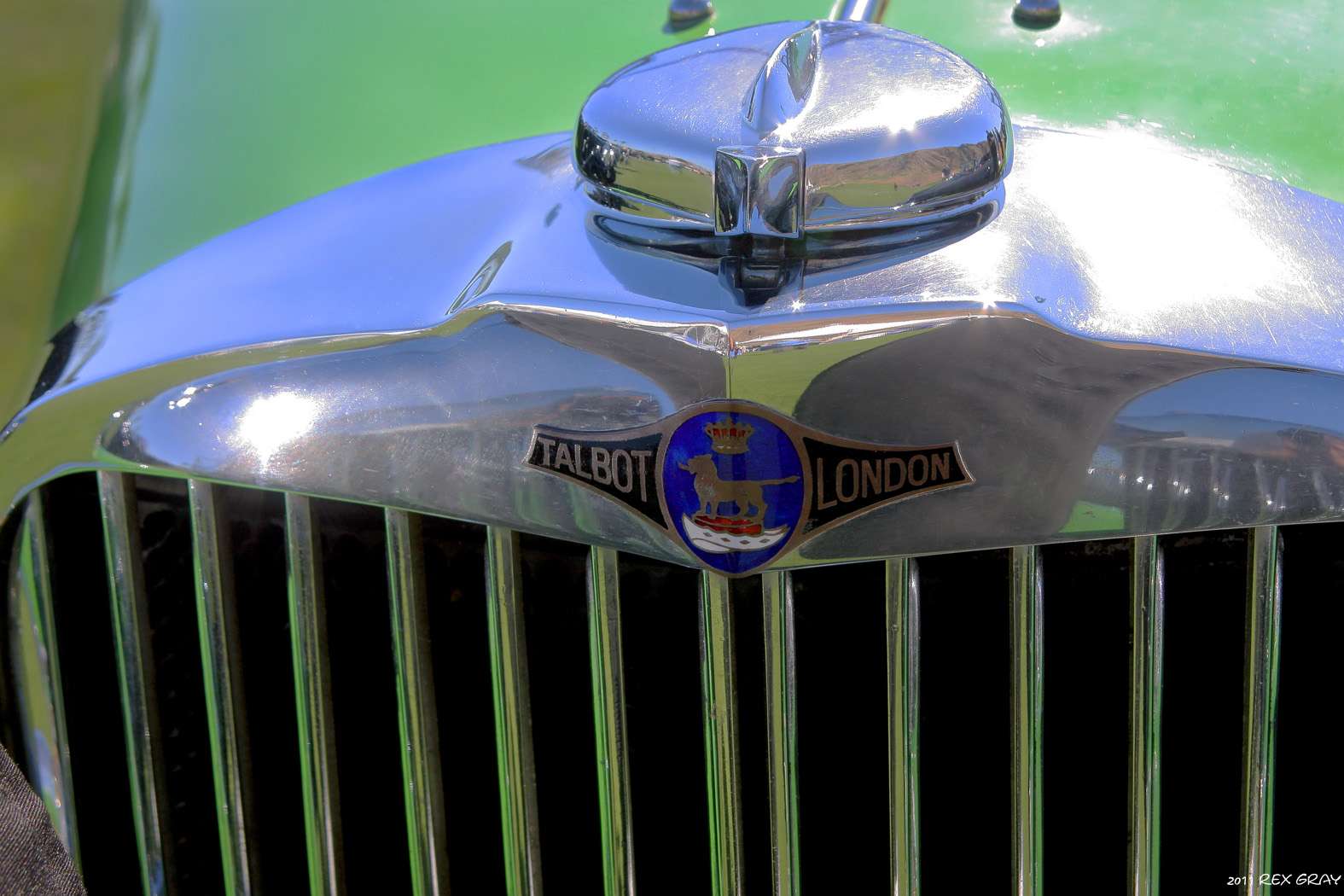
95, 105 and 110 compared
| Type | Engine | Typical chassis/use |
|---|---|---|
| Talbot 95 | 2,969 cc six | Longer 10 ft chassis, commonly saloon coachwork |
| Talbot 105 | 2,969 cc six | Shorter sporting chassis, about 100 bhp in road form |
| Talbot 110 | 3,377 cc six | Up to about 123 bhp, revised dropped chassis and later controls |
The 110 used an 80 mm bore with the same 112 mm stroke, creating 3,377 cc. Later cars adopted a lower frame line, lighter traffic clutch and revised transmission arrangements, while some Rootes-era examples could be specified with a conventional synchromesh gearbox. Period designation, chassis prefix and build records must guide identification.
Love cars you don’t see every day?
Get forgotten cars, surprising motoring stories and the most interesting finds from Unusual Cars by email.
Free to join. No spam. Unsubscribe whenever you like. See our privacy policy.
Pre-selector transmission and road character
A Wilson-type pre-selector gearbox became closely associated with the 105 from 1933. The driver selects the next ratio with a small lever, then completes the change by pressing and releasing the operating pedal. In good adjustment it provides quick, smooth shifts and suits the engine’s willingness to rev.
It is not an automatic gearbox and should not be judged like a conventional manual. Incorrect adjustment, worn bands or neglected lubrication require specialist attention. Cars with the later synchromesh option have a different character and must be authenticated against their build history.
Brooklands, Le Mans and the Alps
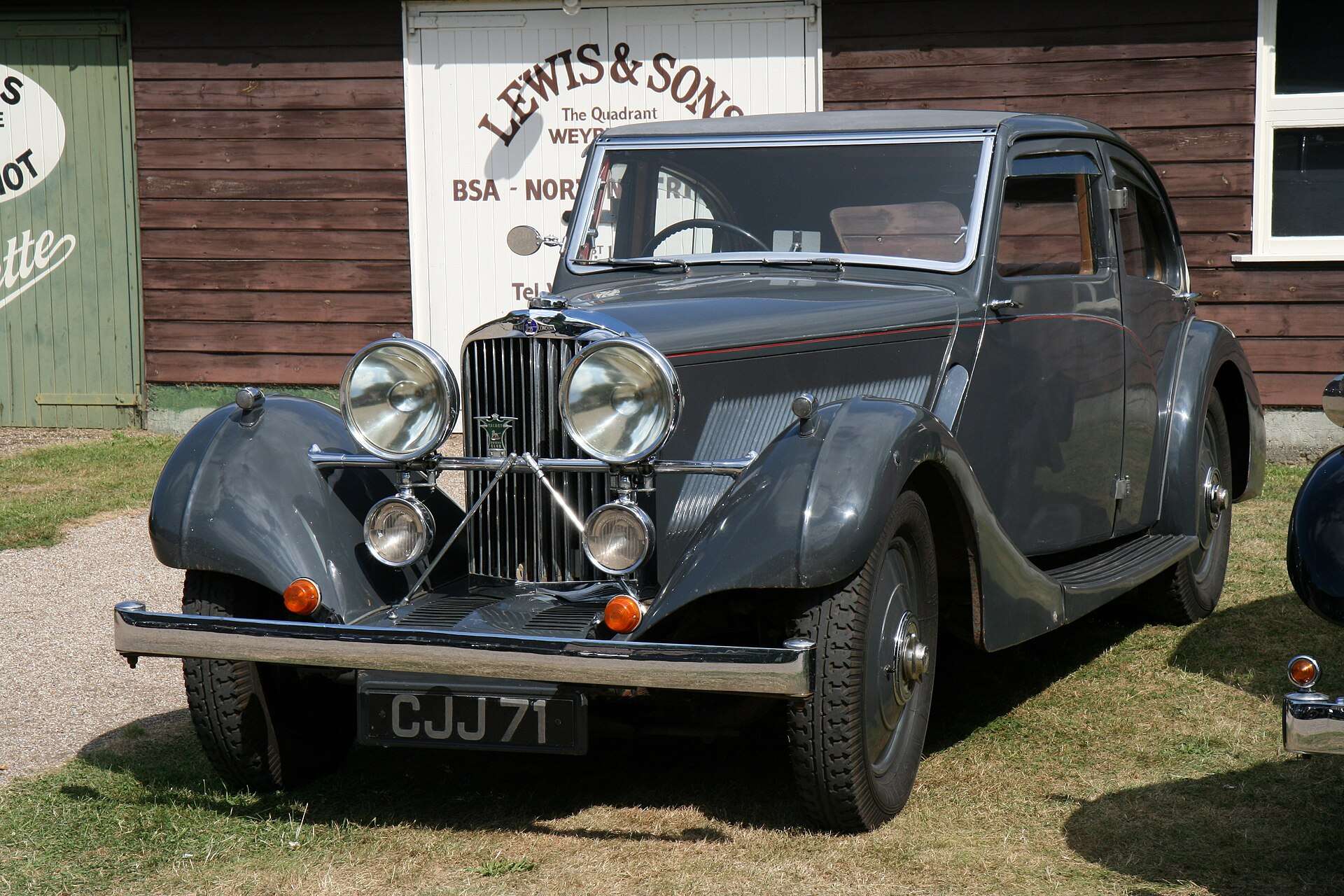
Fox & Nicholl prepared Talbots for major British and European events. The 105 competed at Le Mans, Brooklands, the Tourist Trophy and the Alpine Trial against larger and supercharged opposition. In 1932 a three-car Talbot team completed the Alpine Trial without penalty to win the Coupe des Alpes, and the achievement was repeated in 1934.
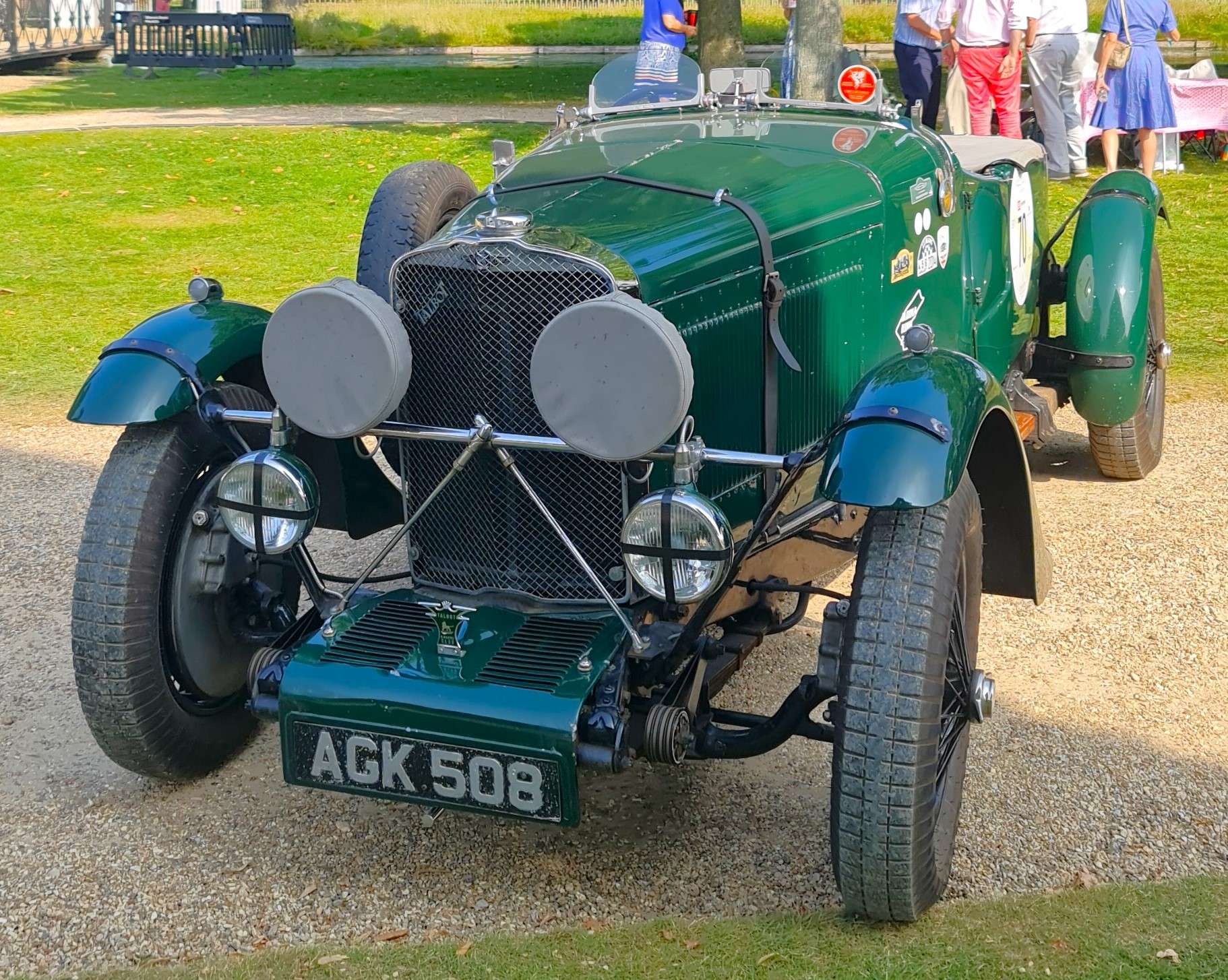
Competition cars evolved continuously, and some surviving racers incorporate later or recreated components. A famous registration or green paint is not proof of works history. Period entries, continuous ownership records, factory documents and inspection by marque historians are needed before accepting a competition claim.
Coachwork, identity and authenticity
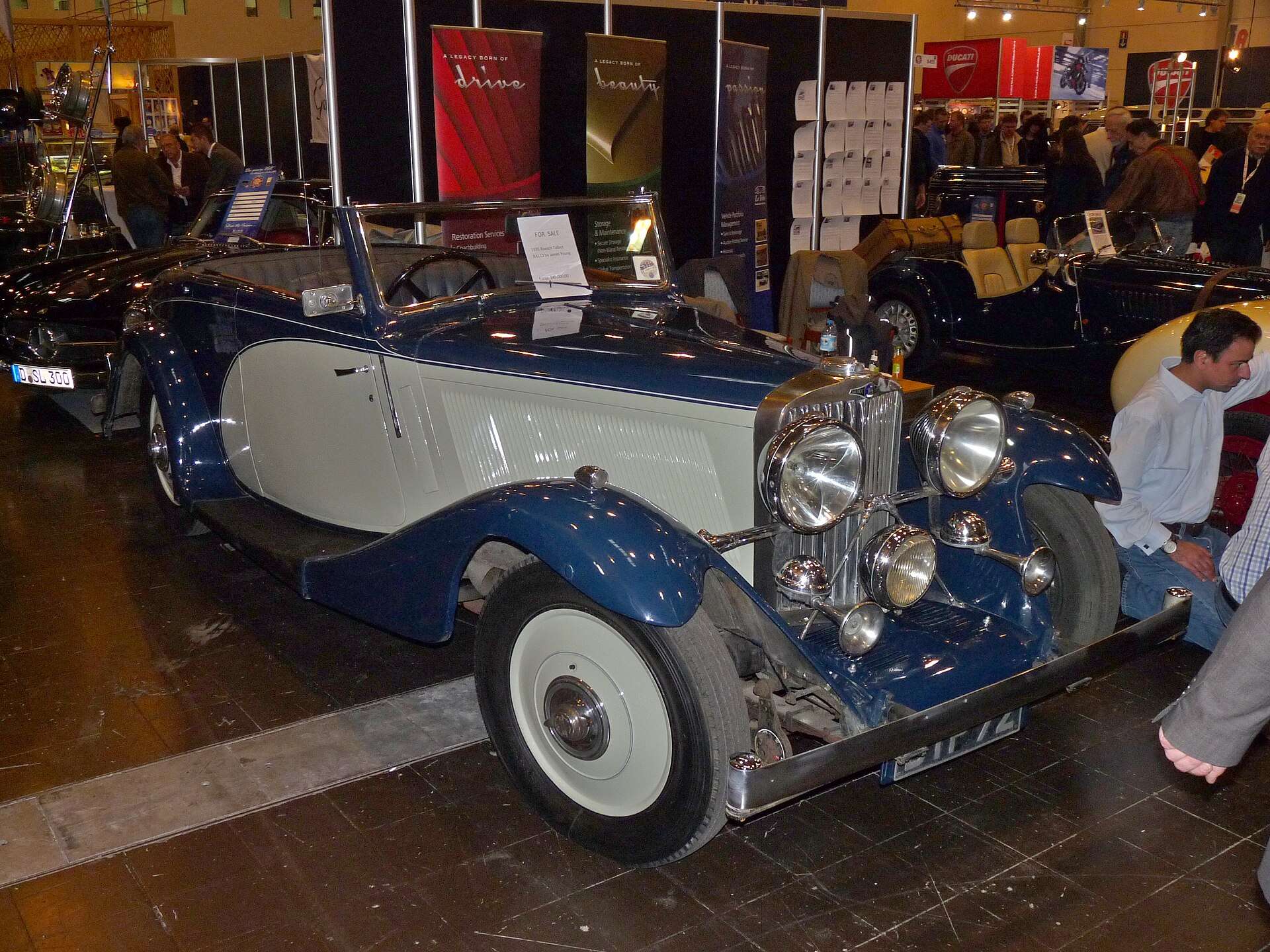
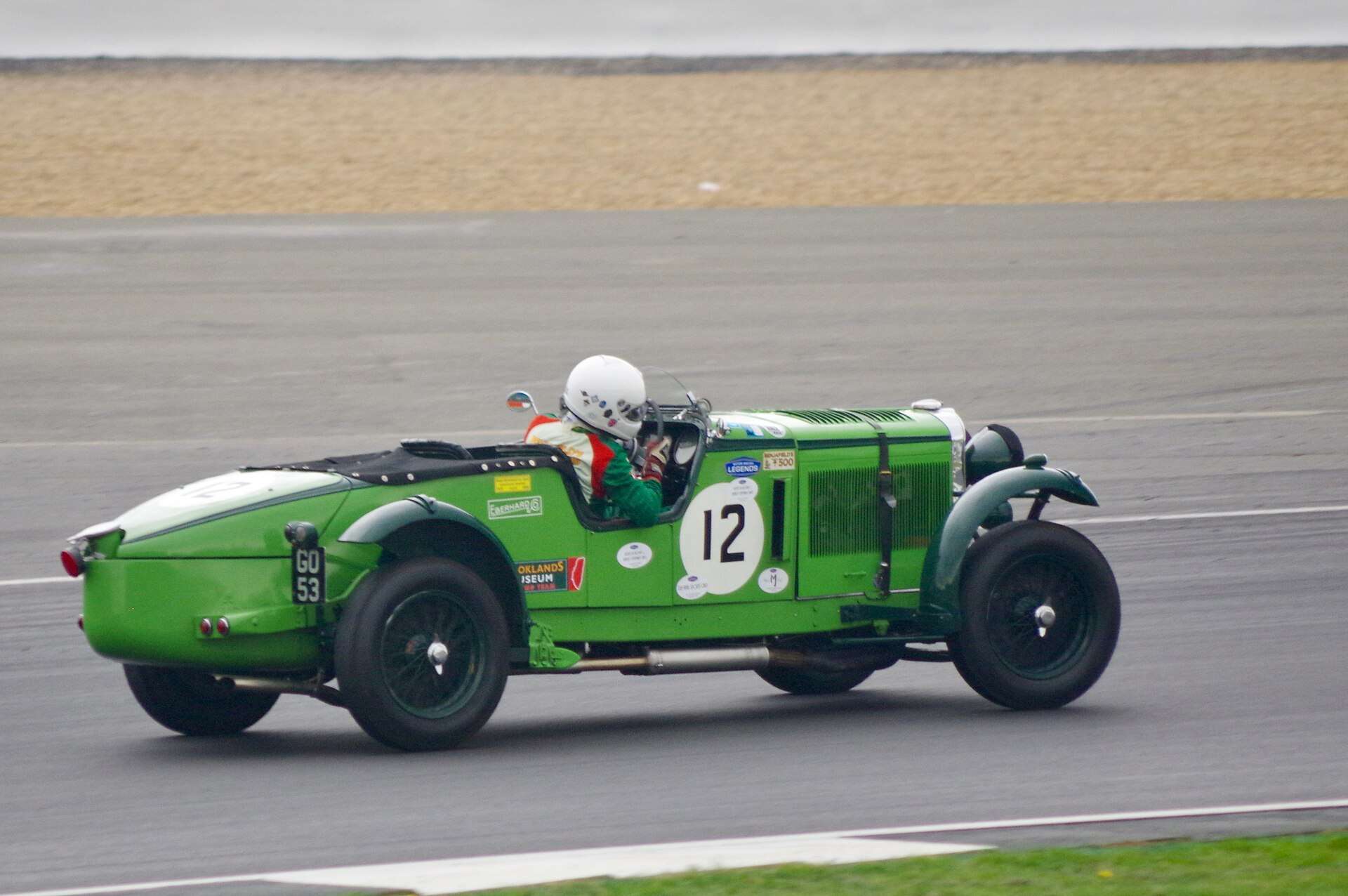
Original coachbuilders included Vanden Plas, James Young and Darracq, among others. Bodies could be replaced when the cars were still relatively young, and some modern recreations are beautifully made. Value and historical meaning depend on stating clearly what is original, period-rebodied or reconstructed.
Record chassis, engine and gearbox numbers, axle type, wheelbase, coachbuilder plates and every visible stamp. Compare them with Talbot Owners’ Club records and surviving factory documentation. Inspect ash framing, aluminium or steel panels, door fit, bulkheads, chassis rails and body mountings for corrosion, fatigue and old repairs.
Mechanical inspection and ownership
A cold start should be quiet, with oil pressure rising promptly. Once hot, listen for bearing noise and check for smoke, coolant loss and combustion leaks. The cooling system, dynamotor or starter arrangements, twin-battery installation on some 3-litre cars and period wiring require knowledgeable assessment.
Steering, brakes, springs, dampers, hubs and wheels must all be inspected for wear and cracks. These are fast pre-war cars whose performance depends on correct chassis set-up. Restoration quality, engineering integrity and provenance outweigh superficial appearance.
The Talbot Owners’ Club supports technical knowledge and records. Prospective buyers should commission a specialist inspection and obtain written clarification of identity before agreeing a price.
Why the 105 and 110 endure
Roesch achieved speed, refinement and reliability without an enormous engine or supercharger. The cars could carry four people rapidly across difficult roads, yet also withstand long-distance competition. That breadth still makes a well-sorted 105 one of the most usable high-performance cars of its era.
The 110 added greater torque and more imposing coachwork, but the 105’s racing and Alpine reputation remains the core of the story. Together they represent the high point of the British Talbot before Rootes rationalised the range.
Research sources
- Talbot Owners' Club: 21/23 hp models, Types 95, 105 and 110
- Talbot Owners' Club: Clement-Talbot history and competition record
- National Motor Museum: Talbot 105
- Talbot Owners' Club magazine: Roesch Talbot development
Continue the Talbot story
The 105 and 110 show that Talbot’s British history began decades before PSA revived the badge. Explore the complete Talbot hub. Continue with the Sunbeam-Talbot 90. Jump to Talbot's later Tagora flagship.
Frequently asked questions
What engine does a Talbot 105 use?
It uses a 2,969 cc overhead-valve six-cylinder engine designed under Georges Roesch, producing about 100 bhp in road form.
What is the difference between a Talbot 105 and 110?
The 110 enlarged the six-cylinder engine to 3,377 cc and introduced later chassis and control developments, with up to about 123 bhp in road specification.
Did the Talbot 105 race at Le Mans?
Yes. Dealer-backed Talbot 105s competed at Le Mans and Brooklands and achieved important long-distance and Alpine Trial results.
How does a pre-selector gearbox work?
The driver chooses the next ratio with a lever, then operates a pedal to complete the change. Correct adjustment and specialist maintenance are essential.
Why is provenance so important?
Many cars received different bodies or competition-style rebuilds. Chassis, engine, gearbox, coachwork and period records must agree before originality or racing history is accepted.