UNUSUAL CARS MODEL GUIDE
The Sunbeam-Talbot 90 was Rootes’ post-war sporting saloon and drophead coupé, built from 1948 and developed through Mk II and Mk IIA form before becoming the Sunbeam Mk III in 1954. Its combination of family-car space, traditional coachwork and serious rally success gave the revived Sunbeam name credibility far beyond showroom trim.
Quick answer: the 90 began with a 1,944 cc overhead-valve engine and conventional front suspension. The Mk II gained a new chassis, independent front suspension and a 2,267 cc engine; the Mk IIA improved power and brakes; the final Sunbeam Mk III reached about 80 bhp and won the 1955 Monte Carlo Rally. Condition and completeness matter more than choosing the rarest version.
Featured image: Green Sunbeam-Talbot 90 drophead coupe. Photograph by Jan Derk Remmers, CC BY-SA 4.0, via Wikimedia Commons; locally hosted.
Rootes rebuilds Sunbeam-Talbot
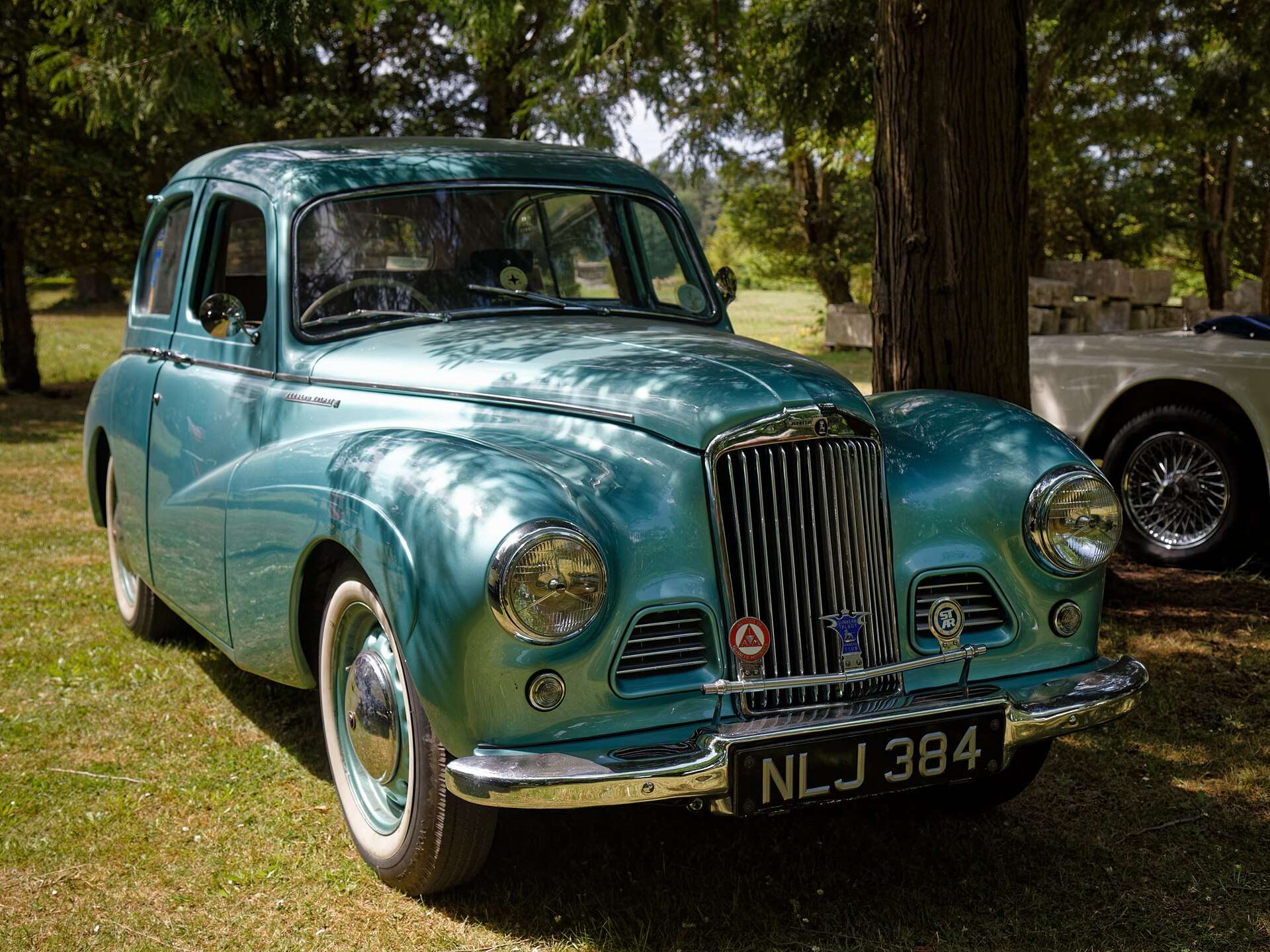
The 90 arrived with the smaller 80 in July 1948, replacing the pre-war-derived Ten and 2 Litre. Its four-door sports saloon body came from British Light Steel Pressings, while Thrupp & Maberly built and trimmed the two-door drophead coupé. The reverse-sloping rear side window and upright radiator gave both versions a clear identity.
The Mk I used a 1,944 cc overhead-valve four-cylinder engine developing about 64 bhp. Although the body looked new, the separate chassis and running gear retained much from the earlier 2 Litre. It was a comfortable fast tourer by immediate post-war standards rather than an austere family car.
Mk I, Mk II, Mk IIA and Mk III
| Version | Years | Main changes |
|---|---|---|
| 90 Mk I | 1948–1950 | 1,944 cc engine, beam front axle, rear wheel spats |
| 90 Mk II | 1950–1952 | New chassis, independent front suspension, 2,267 cc engine |
| 90 Mk IIA | 1952–1954 | More power, larger brakes and no rear wheel spats |
| Sunbeam Mk III | 1954–1957 | Talbot name dropped, about 80 bhp, larger intakes and wing portholes |
The Mk II’s chassis and suspension transformed the car more substantially than its styling changes suggest. Raised headlamps met American requirements, while the larger engine produced about 70 bhp. The Mk IIA incorporated lessons from competition, with power around 77 bhp and improved braking.
Love cars you don’t see every day?
Get forgotten cars, surprising motoring stories and the most interesting finds from Unusual Cars by email.
Free to join. No spam. Unsubscribe whenever you like. See our privacy policy.
Rally success and the Alpine connection
Rootes used international rallying to prove durability and develop the cars. Stirling Moss, Sheila van Damm and other prominent drivers competed in Sunbeam-Talbots, and the model accumulated class wins and team awards. The greatest result came when Per Malling and Gunnar Fadum won the 1955 Monte Carlo Rally in a Sunbeam Mk III.
Dealer George Hartwell’s two-seat conversions of drophead bodies helped inspire the first Sunbeam Alpine. Rootes refined the idea and named the production sports car after the marque’s Alpine Rally successes. The 90 is therefore central to both the Mk III and Alpine stories.

Saloon or drophead coupe
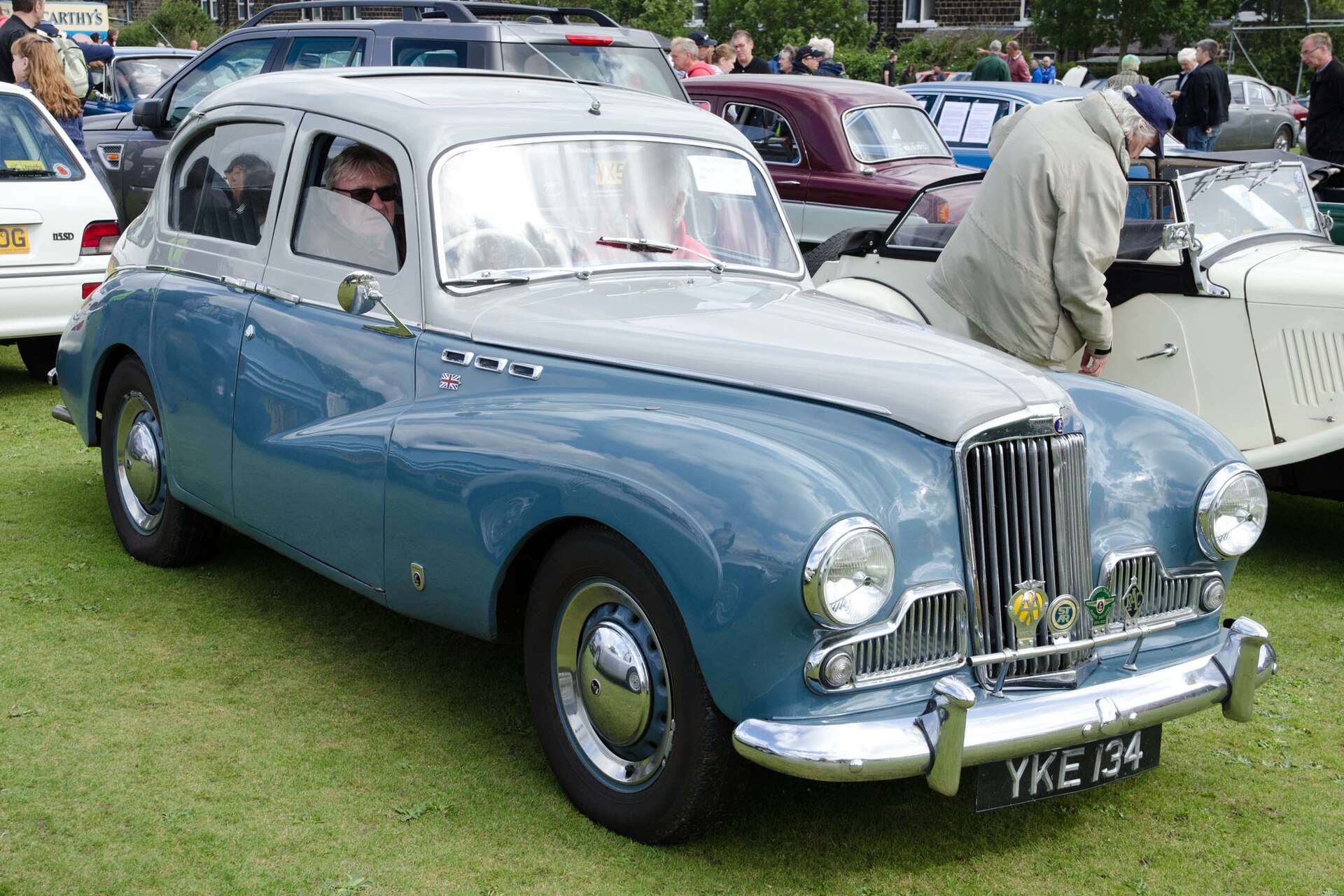
The saloon is the practical choice, with four doors and distinctive pillarless-looking side glazing. The drophead coupé is rarer, more complex and usually more valuable. Its timber, hood frame, weather sealing and Thrupp & Maberly trim require specialist inspection.
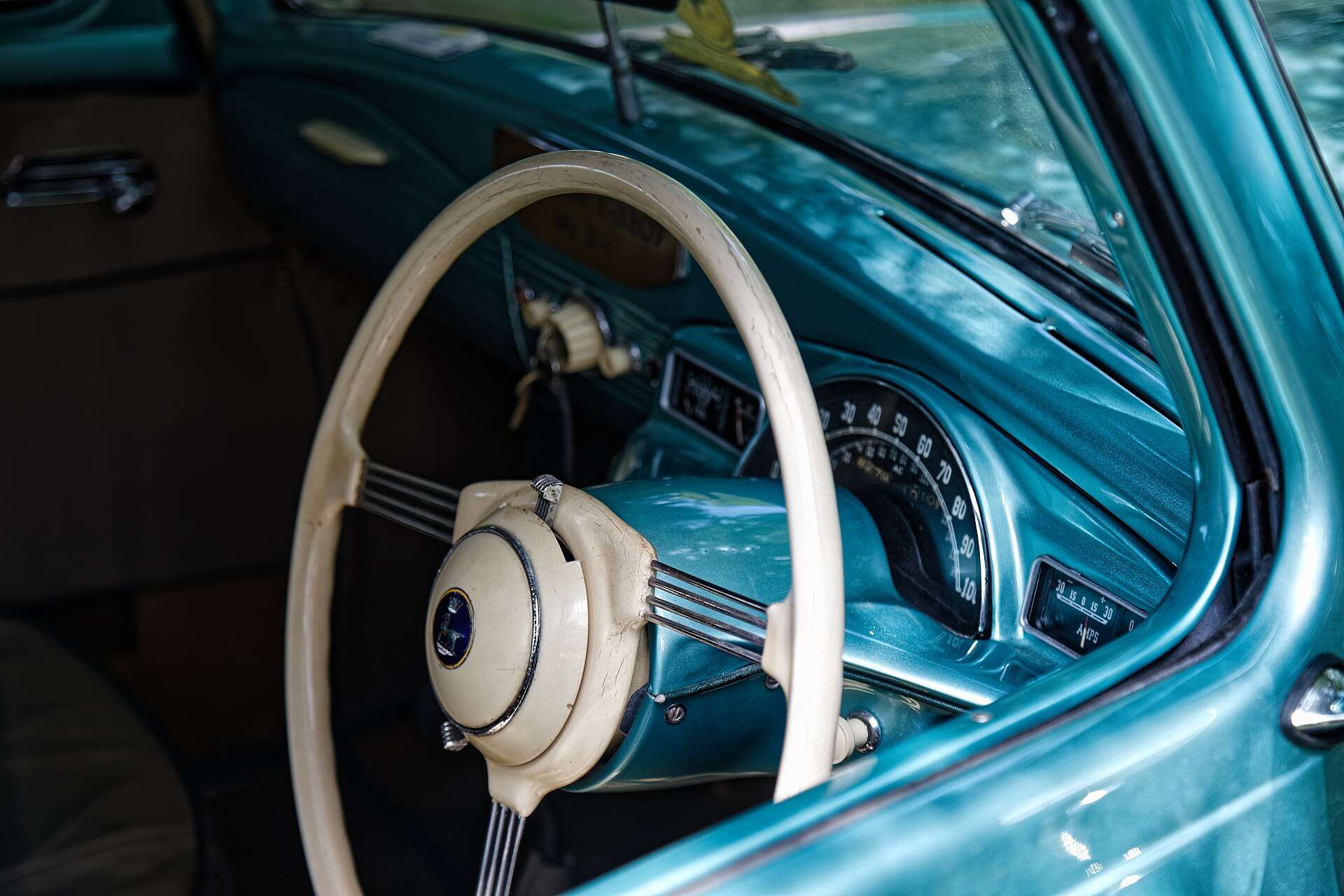
Whichever body is chosen, original instruments, steering wheel, seats, brightwork, grille and lamps are costly to replace. A car may have acquired Alpine-inspired modifications or a later engine, so check chassis and engine numbers against club records before paying for originality.

Mechanical and structural buying checks
Start with the chassis, outriggers, sills, floor, bulkhead, suspension mountings, door posts and boot floor. Examine the windscreen surround, wings and lower body for corrosion, then check whether doors fit without lifting. Dropheads need particular attention to structural rigidity and timber framing.
The engine should hold oil pressure when hot and run without bearing rumble, blue smoke or persistent overheating. Check the column gear change, clutch, rear axle and steering box for excessive wear. Hydraulic brakes should pull up squarely. Independent-front-suspension cars need sound kingpins, bushes and dampers.
Choosing and owning one
A Mk I has the purest early appearance, a Mk II or IIA brings important mechanical improvements, and the Mk III offers the most developed specification. The best choice is the car with a sound structure, correct major components and documented maintenance.
Specialist clubs and Rootes parts suppliers remain essential. These cars reward sympathetic touring rather than modern motorway expectations, yet their rally record shows that a properly prepared 90 is much more capable than its formal appearance suggests.
Research sources
- National Motor Museum: Sunbeam-Talbot 90 Mk IIA
- Sunbeam history: 80, 90 and Mk III development
- Rootes Heritage archive: Sunbeam-Talbot 90 production and literature
- Sunbeam Talbot and Alpine Register: marque history
- Hagerty UK: Sunbeam-Talbot 90 Mk IIA history
Continue the Talbot story
The 90 links Rootes’ pre-war-derived Sunbeam-Talbots to the later Alpine and the rally-winning Sunbeam Mk III. Explore the complete Talbot hub. Continue with the later Talbot Avenger. Explore the earlier Talbot 105 and 110.
Frequently asked questions
What is the difference between a Sunbeam-Talbot 90 Mk I and Mk II?
The Mk II gained a new chassis, independent front suspension and a larger 2,267 cc engine, making it a substantial mechanical advance over the 1,944 cc Mk I.
Why did the Sunbeam-Talbot 90 become the Sunbeam Mk III?
Rootes dropped the Talbot part of the name in 1954, partly to avoid confusion with French Talbot cars, while continuing development as the Sunbeam Mk III.
Did a Sunbeam Mk III win the Monte Carlo Rally?
Yes. Per Malling and Gunnar Fadum won the 1955 Monte Carlo Rally outright in a Sunbeam Mk III.
Was the Sunbeam-Talbot 90 available as a convertible?
Yes. Thrupp & Maberly built a two-door drophead coupé alongside the four-door sports saloon.
What are the main buying checks?
Inspect the chassis and body structure, confirm model identity and completeness, then check hot oil pressure, cooling, gearbox, steering, suspension and hydraulic brakes.