UNUSUAL CARS MODEL GUIDE
The original Range Rover Sport was not a chopped-down Range Rover. Underneath, the L320 shared its integrated body-frame architecture and much of its suspension philosophy with the Discovery 3, but a shorter body, lower roof, quicker steering and powerful supercharged V8 gave it a distinct road-biased character.
Quick answer: UK supercharged cars began with the 4.2-litre Jaguar-derived V8, producing about 390 PS and 550 Nm. The 2009 model-year update introduced the direct-injection 5.0-litre supercharged V8 with about 510 PS and 625 Nm, alongside revised styling, cabin electronics and chassis calibration. Both use a six-speed ZF automatic and permanent four-wheel drive.
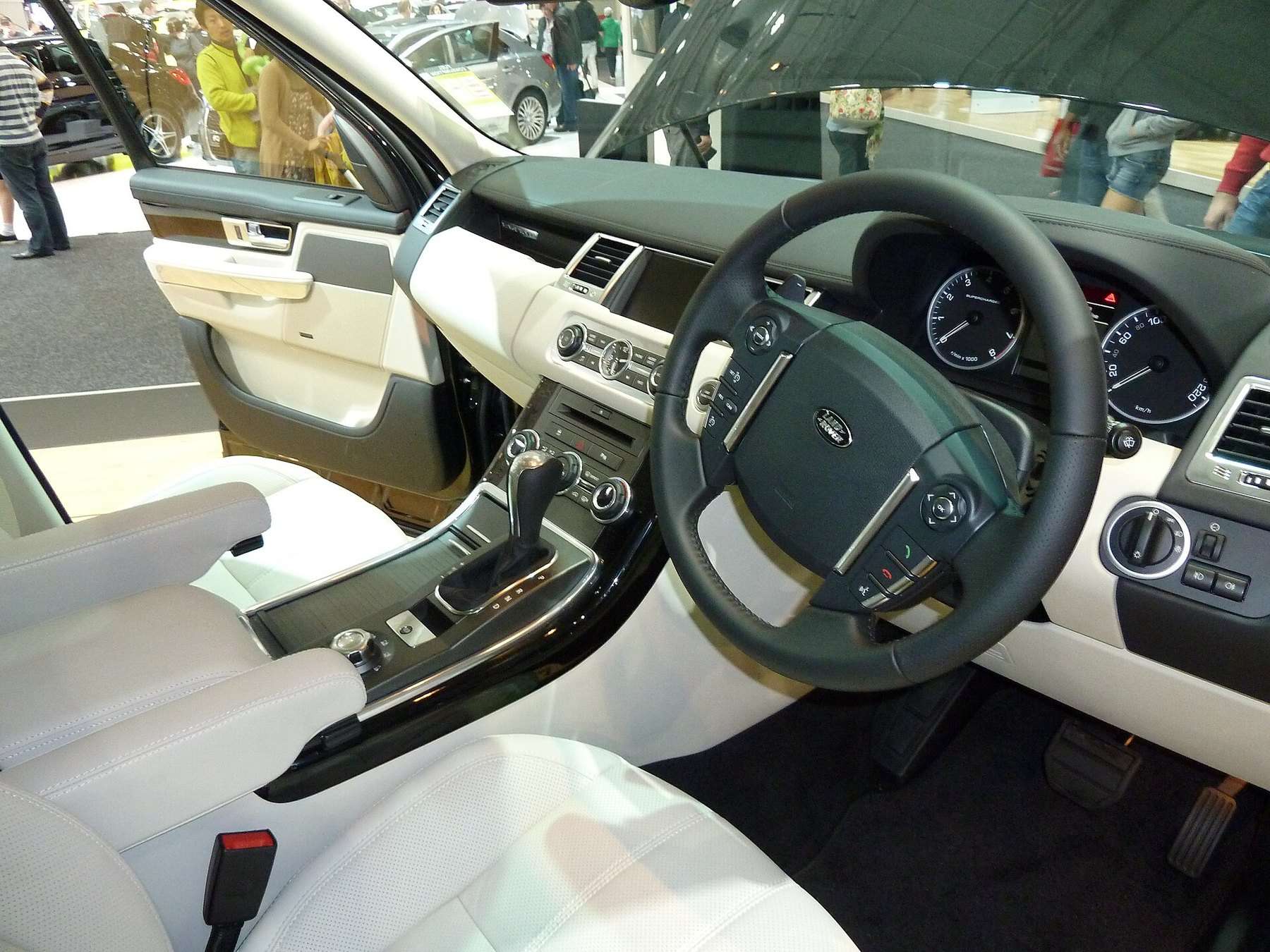
Featured image: 2010 Range Rover Sport L320 Supercharged. Photograph by OSX, Public domain, via Wikimedia Commons; locally hosted.
From Range Stormer to production
The 2004 Range Stormer concept previewed a faster, more assertive Land Rover. The production Range Rover Sport arrived in 2005 with five doors and familiar brand cues but a much more planted stance. Its hydroformed chassis rails and body structure were related to the Discovery 3, not the contemporary L322 Range Rover.
Terrain Response coordinated throttle, gearbox, centre differential, suspension and traction systems. Dynamic Response active anti-roll control helped the heavy SUV corner flatter, while large Brembo front brakes distinguished the supercharged flagship.
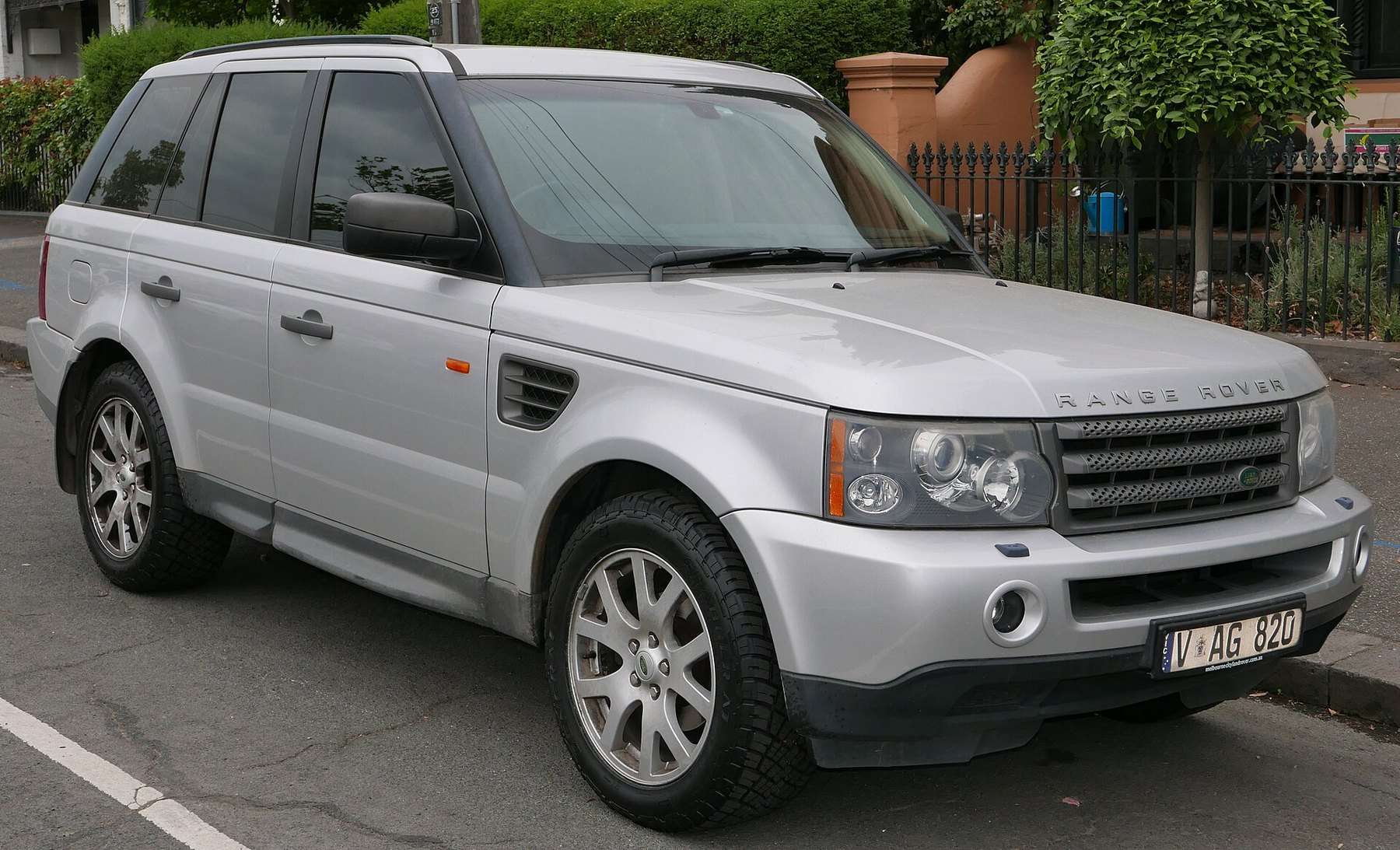
4.2 and 5.0 supercharged versions
| Version | Typical UK specification |
|---|---|
| 4.2 Supercharged | 4,197 cc V8; about 390 PS; 550 Nm |
| 5.0 Supercharged | 4,999 cc direct-injection V8; about 510 PS; 625 Nm |
| Transmission | Six-speed ZF automatic |
| Driveline | Permanent four-wheel drive with low range and Terrain Response |
| Suspension | Independent air suspension; Dynamic Response on supercharged models |
The 4.2 has a strong, progressive delivery and simpler fuel system. The 5.0 is much faster and more efficient for its output, but adds direct injection and revised cooling and supercharger hardware that demand careful maintenance.

Love cars you don’t see every day?
Get forgotten cars, surprising motoring stories and the most interesting finds from Unusual Cars by email.
Free to join. No spam. Unsubscribe whenever you like. See our privacy policy.
The 2009 facelift
The major update brought smoother bumpers, LED lighting signatures and a cleaner interior with a new centre console and infotainment system. Under the skin, the 5.0 V8, revised suspension software and improved braking transformed the flagship’s pace.
Later Autobiography and limited derivatives can be desirable, but equipment varies. Verify specification through the VIN and original build record rather than relying on badges, wheels or later body kits.
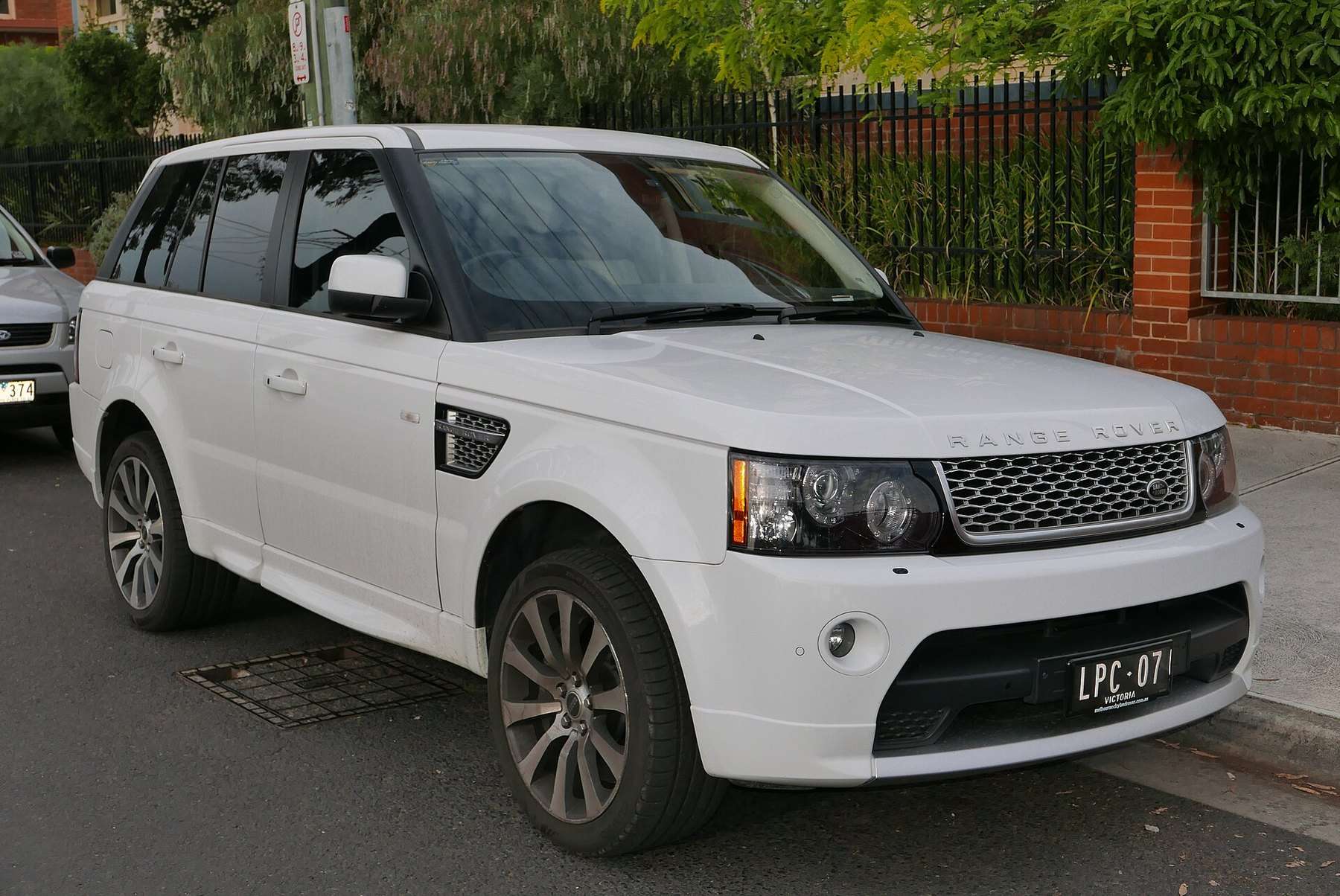
Engine and cooling checks
On a 4.2, listen for supercharger noise beyond the normal whine, inspect coolant hoses and expansion tank, and look for oil leaks. On a 5.0, investigate coolant loss, timing-chain noise, injector or high-pressure fuel faults and supercharger-coupling rattle. Any overheating history deserves specialist assessment.
Both versions need clean, timely oil changes. The ZF automatic should shift smoothly from cold and hot; fluid servicing is sensible despite early lifetime-fill language. Test low range and every Terrain Response setting.
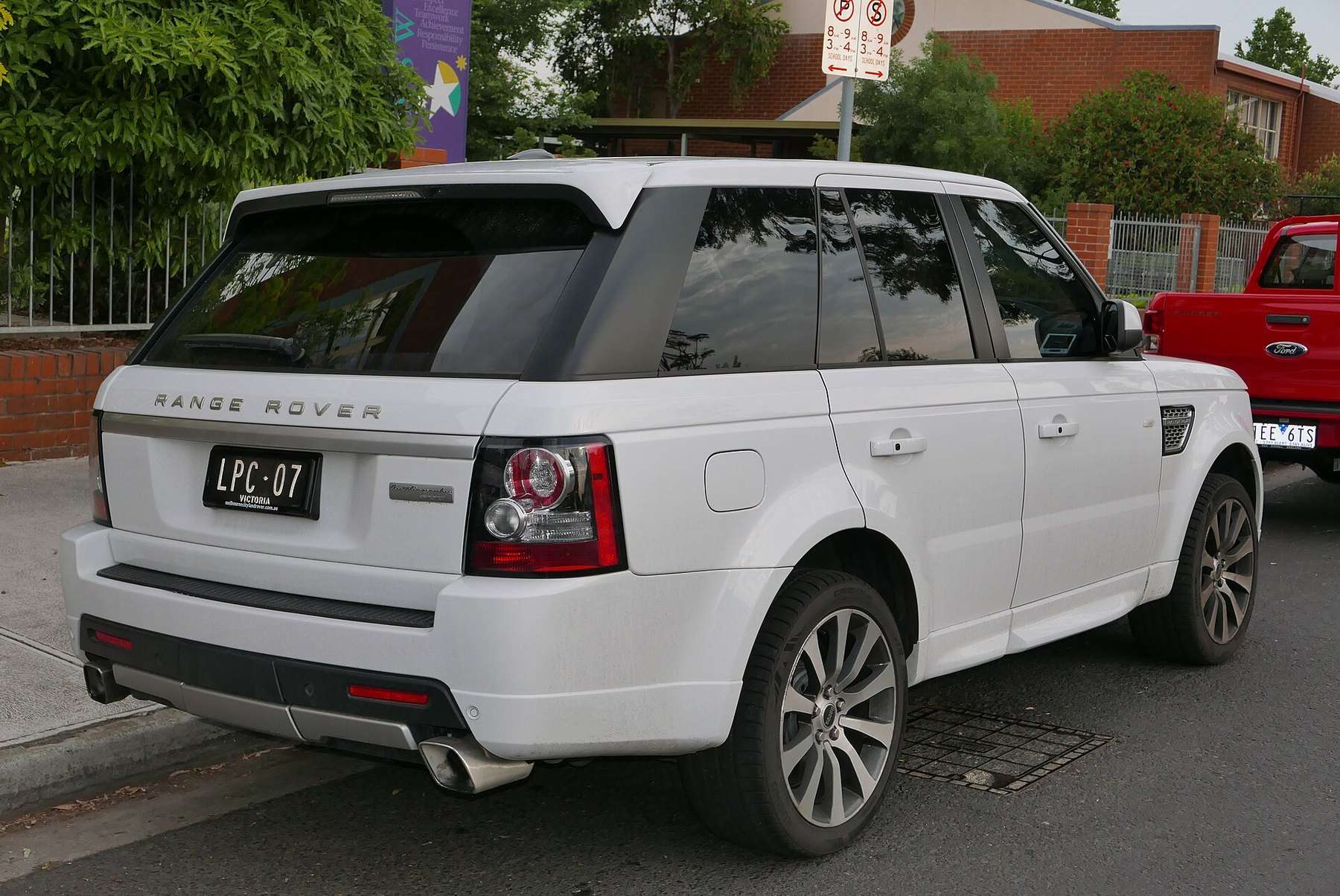
Air suspension, brakes and structure
The vehicle should rise promptly and remain level. Slow operation, compressor noise or suspension warnings can indicate leaking air springs, a weak compressor, valve faults or height sensors. Worn lower control-arm bushes create knocks and vague braking, while the heavy car consumes tyres and brakes quickly.
Check the electronic parking brake, Brembo calipers, wheel condition and tyre matching. Inspect the underside for off-road damage and corrosion around brake pipes, subframes and body mounts. A heavy tow history is not automatically bad, but it increases the need for driveline and cooling evidence.
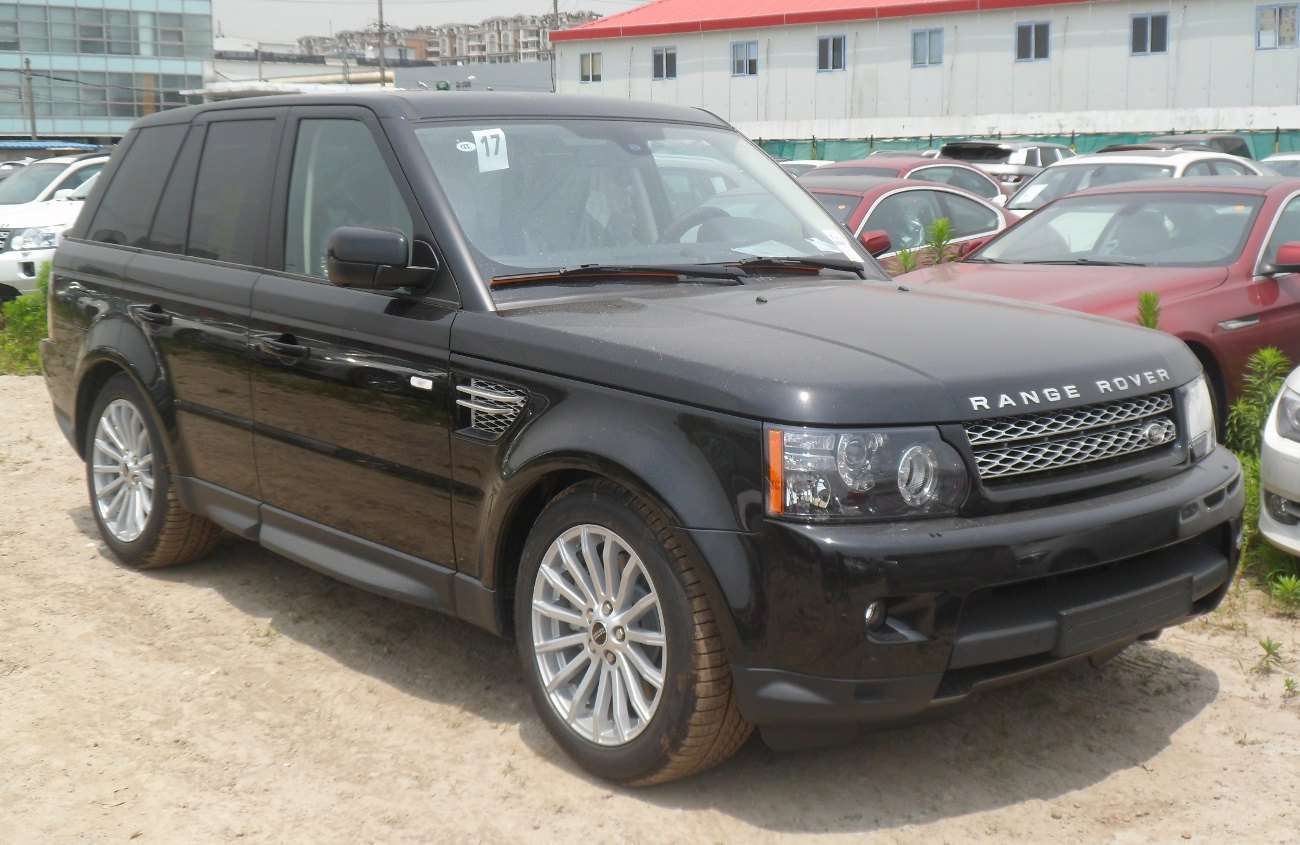
Electronics and buying priorities
Low voltage can trigger multiple warnings, so begin with battery condition and charging output. Test infotainment, cameras, navigation, heated seats, climate control, keyless functions, sunroof and all exterior lights. Dampness in the cabin or load area can damage expensive modules.
The best purchase is a standard car with a continuous specialist history, correct tyres, quiet suspension and no cooling uncertainty. Modified exhausts and remaps can be enjoyable, but they complicate diagnosis and should be supported by invoices and insurance disclosure.
Sources and further reading
- PistonHeads Range Rover Sport buying guide
- JGS4x4 Range Rover Sport L320 model information
- Land Rover Monthly first Range Rover Sport history
- Land Rover owner's guides and manuals
Continue the Land Rover story
The L320 Supercharged is the model that made high-performance handling a core part of the Range Rover story. Explore the complete Land Rover hub. Compare the Range Rover P38 4.6 HSE. Read the Freelander 1 guide.
Frequently asked questions
Is the L320 Range Rover Sport based on a Range Rover?
It shares its integrated body-frame architecture and much of its running gear with the Discovery 3 rather than the contemporary L322 Range Rover.
How much power does the 4.2 Supercharged have?
UK specification is commonly quoted at about 390 PS and 550 Nm.
How much power does the 5.0 Supercharged have?
The facelift 5.0-litre supercharged V8 is commonly quoted at about 510 PS and 625 Nm.
Does the Range Rover Sport Supercharged have low range?
Yes. The L320 retains permanent four-wheel drive, a two-speed transfer case and Terrain Response.
What are the main L320 buying checks?
Prioritise cooling-system health, air suspension, front control-arm bushes, brakes, ZF gearbox behaviour, electronics and evidence of regular specialist maintenance.