UNUSUAL CARS MODEL GUIDE
The Range Rover CSK turned the original two-door Range Rover into a genuine sporting limited edition. Announced at the 1990 UK Motor Show and named for original Range Rover engineer Charles Spencer King, it combined a reworked 3.9-litre V8, firmer road manners, luxurious Vogue SE equipment and a numbered identity. Land Rover approved just 200 UK-market cars.
Quick answer: the CSK is the rare 1990 two-door Range Rover special built in a run of 200. All were Beluga Black and used a 185 bhp 3,947 cc fuel-injected Rover V8, with five-speed manual or four-speed automatic transmission. Its numbered plaque, CSK insignia, beige leather and walnut trim are important evidence of authenticity.
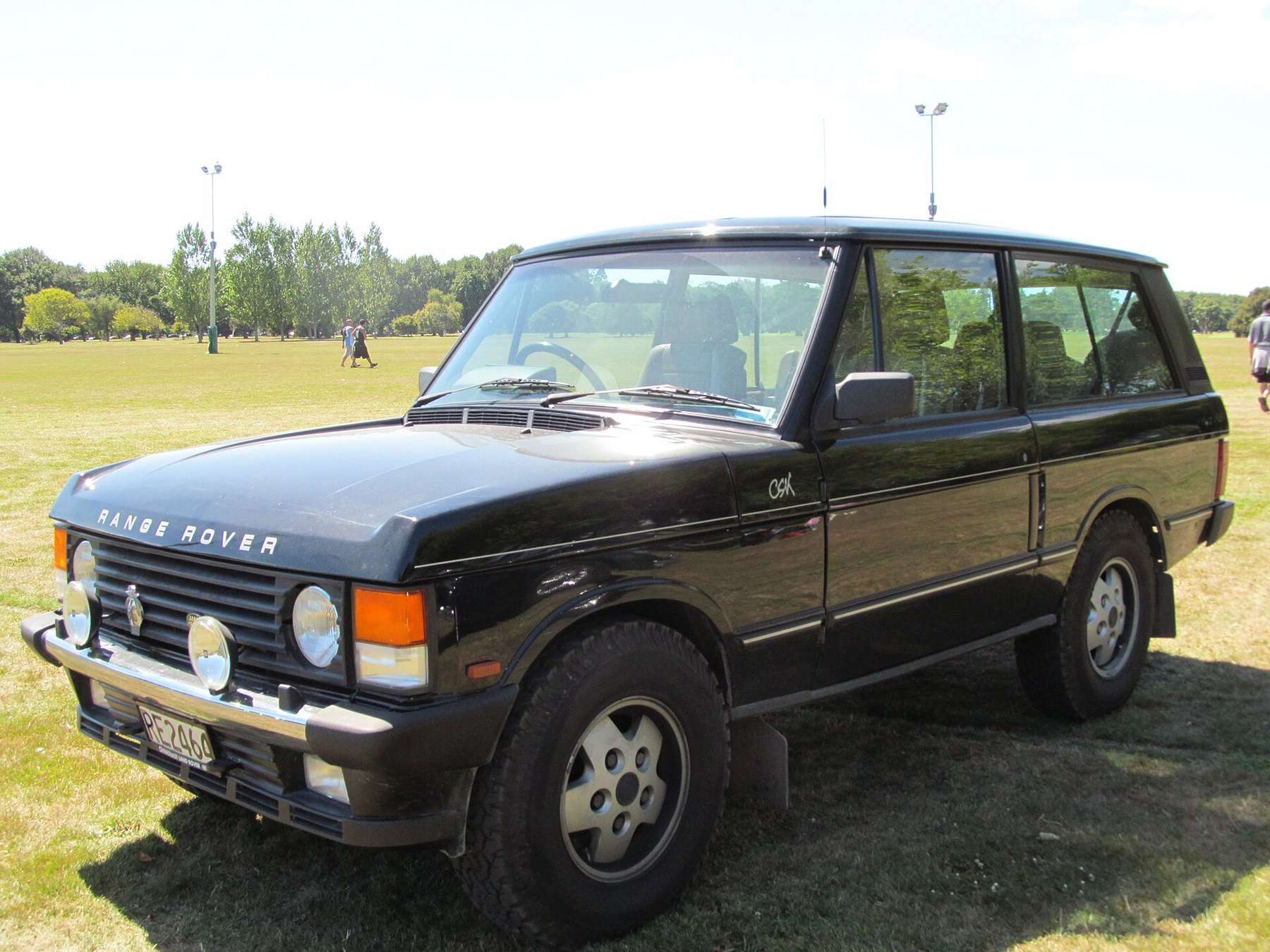
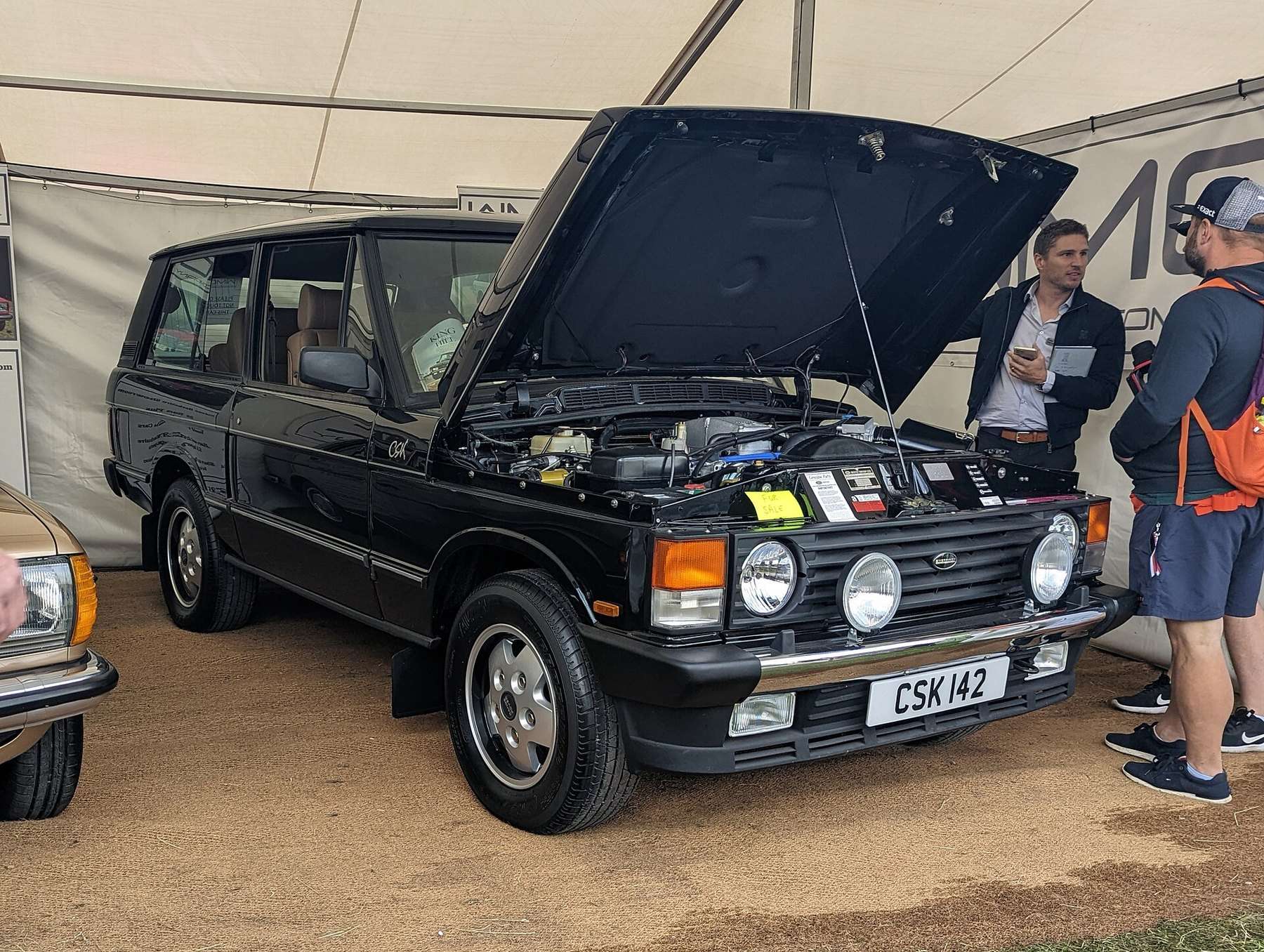
Featured image: Beluga Black 1991 Range Rover CSK. Photograph by MrWalkr, CC BY-SA 4.0, via Wikimedia Commons; locally hosted.
Why Land Rover created the CSK
By 1990 the Range Rover had evolved from a practical two-door luxury utility into a predominantly four-door premium vehicle. The CSK deliberately returned to the clean two-door outline to mark twenty years of the model and to preview chassis changes intended to improve on-road control.
The name honoured Charles Spencer King, usually known as Spen King, whose engineering leadership shaped the original Range Rover. JLR’s own heritage chronology records the CSK as a 200-vehicle limited edition created as the two-door era approached its close.
Engine, transmission and handling
| Item | Range Rover CSK specification |
|---|---|
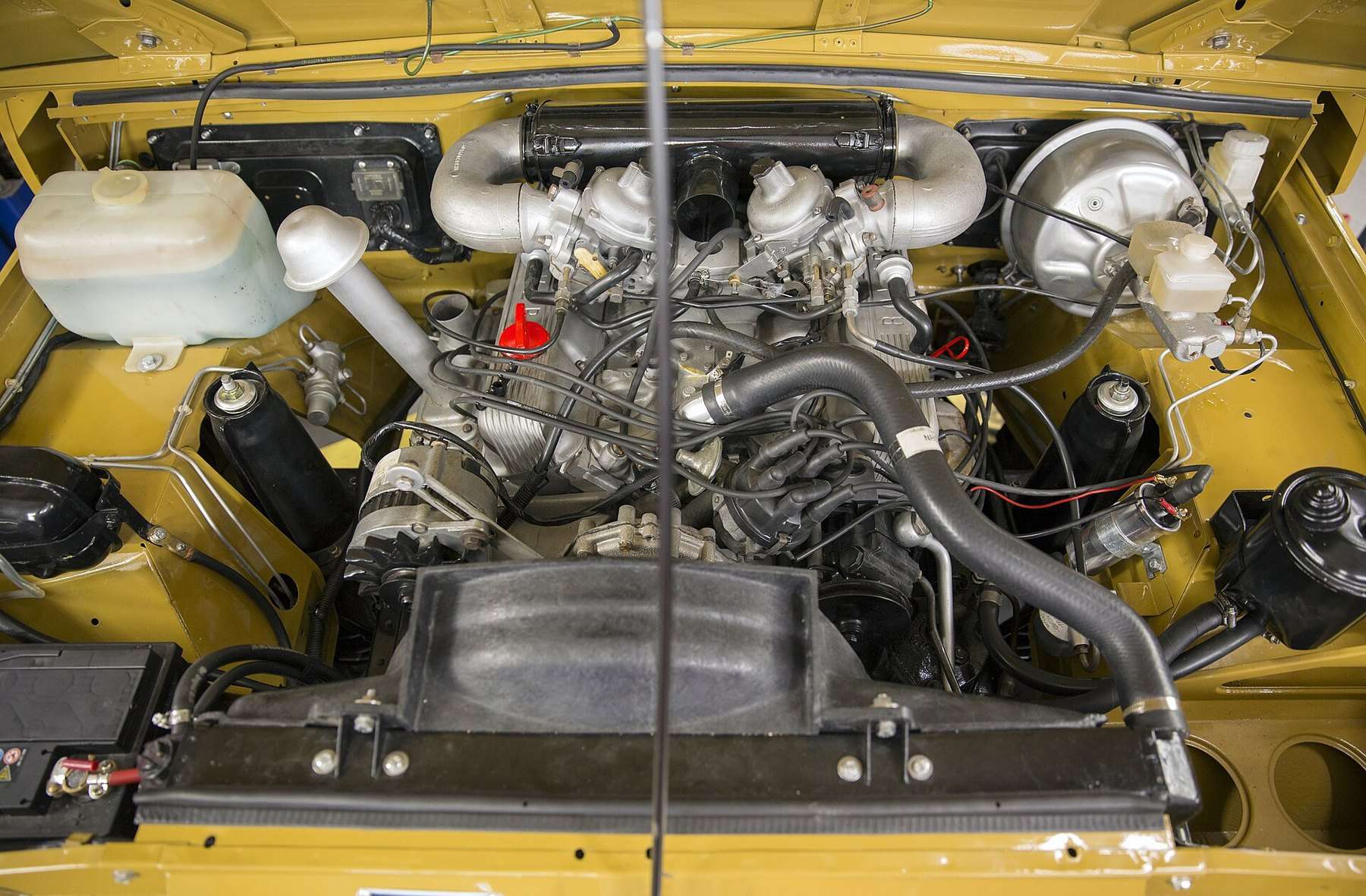
| Engine | 3,947 cc fuel-injected Rover V8 |
| Output | 185 bhp at 4,750 rpm; 235 lb ft at 2,600 rpm |
| Transmission | Five-speed manual or four-speed automatic |
| Driveline | Permanent four-wheel drive, high/low transfer box and viscous centre coupling |
| Chassis changes | Front and rear anti-roll bars, sports dampers and retained long-travel coil springs |
A recalibrated engine-management system raised the 3.9 V8 to 185 bhp. Period figures quoted 0–60 mph in 9.9 seconds and a top speed of about 114 mph. The important change was not simply acceleration: the anti-roll bars and damper tuning increased roll stiffness by 25 per cent while retaining the axle articulation expected of a Range Rover.
Love cars you don’t see every day?
Get forgotten cars, surprising motoring stories and the most interesting finds from Unusual Cars by email.
Free to join. No spam. Unsubscribe whenever you like. See our privacy policy.
Exterior and interior details
Beluga Black paint, chrome bumpers, silver coachlines and discreet CSK script separate the car from a normal two-door. Five-spoke alloy wheels, a front spoiler with fog lamps and auxiliary driving lamps complete the restrained exterior treatment.
Inside, beige soft leather, American walnut trim, air conditioning, electric windows and an electric sunroof brought Vogue SE luxury into the older body style. A numbered plaque on the radio panel is central to each car’s identity, while the original certificate, brochure and presentation pack add valuable supporting provenance.

Manual, automatic and market distinctions
Most CSKs used the five-speed manual gearbox, but a smaller number were built with the four-speed automatic. The automatic is not a later conversion by definition, although the transmission digit in the VIN and the factory record should agree with the car.
The 200-car British CSK should not be confused with the Australian-market four-door CSK-branded edition. The UK model is a right-hand-drive two-door built to a specific mechanical and trim package. Factory confirmation matters because ordinary two-door Range Rovers have been converted into convincing replicas.
Buying and authenticity checks
Begin with the chassis number, numbered plaque and factory or heritage record. Confirm the two-door shell, original colour, transmission, beige leather, walnut trim and exterior CSK details. Missing trim is expensive and can be harder to replace than common mechanical parts.
Inspect inner wings, front footwells, sills, body mounts, rear crossmember, tailgates, doors and windscreen pillars. Aluminium outer panels can hide corrosion in the steel structure beneath. Test the viscous coupling, transfer box, gearbox, ABS, air conditioning, sunroof and every electrical item. A hot engine should hold oil pressure without coolant loss or persistent smoke.

Why the CSK matters
The CSK proved that the Range Rover could be made sharper on-road without surrendering its core off-road engineering. It also became a bridge between the original two-door and the later Range Rover Sport: Land Rover borrowed CSK 001 for the 2005 Range Rover Sport press launch.
Rarity alone does not make every surviving car correct. The most important examples retain their numbered identity, special trim and a documented chain of ownership rather than merely the right black paint and badges.
Sources and further reading
- JLR Range Rover heritage chronology
- Land Rover Heritage Collection: Range Rover CSK
- Range Rover CSK Registry: history, specification and identification
Continue the Land Rover story
The CSK connects the original Range Rover with Land Rover’s later performance-SUV thinking. Explore the complete Land Rover hub. Continue with the Defender 50th Anniversary V8. Explore the Discovery 3 G4 Challenge story.
Frequently asked questions
How many Range Rover CSKs were built?
Land Rover produced 200 UK-market Range Rover CSKs.
What engine does the Range Rover CSK use?
It uses a 3,947 cc fuel-injected Rover V8 recalibrated to produce 185 bhp.
Was the CSK manual or automatic?
Both were available: most had a five-speed manual, while a smaller number used a four-speed automatic.
How can a genuine CSK be identified?
Check the factory record, VIN and transmission coding, numbered radio-panel plaque, Beluga Black two-door body, CSK insignia and unique beige leather and walnut trim.
Why is the CSK historically important?
It was the first explicitly sporting Range Rover limited edition and previewed anti-roll-bar suspension changes later used more widely.