UNUSUAL CARS MODEL GUIDE
The Range Rover Vogue LSE was the ultimate long-wheelbase development of the original Range Rover. Announced in October 1992, it added eight inches between the axles, a 4.2-litre Rover V8 and electronic air suspension. Late soft-dash cars then carried the Classic towards the second-generation P38 while preserving its unmistakable straight-edged body.
Quick answer: the UK Vogue LSE used a 108-inch wheelbase instead of the standard Classic’s 100 inches. Its 4,215 cc Rover V8 was quoted at 200 bhp, driving through a four-speed automatic gearbox. Electronic air suspension provided five height states and the extra wheelbase primarily improved rear-seat legroom.
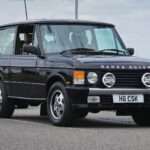
Featured image: 1993 Range Rover Classic 4.2 Vogue LSE. Photograph by Kieran White from Manchester, England, CC BY 2.0, via Wikimedia Commons; locally hosted.
Why Land Rover stretched the Classic
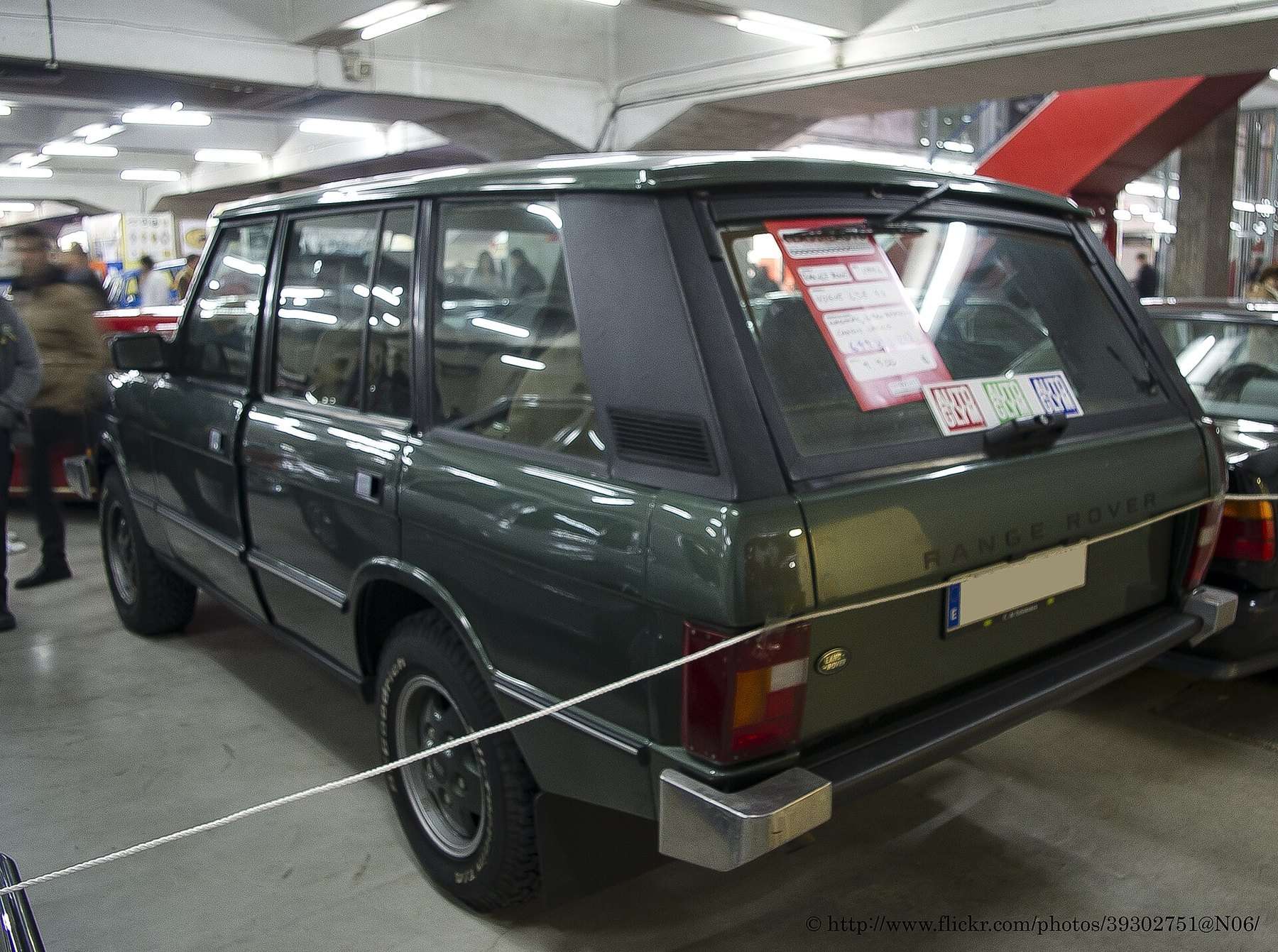
By the early 1990s the Range Rover had become a luxury vehicle, yet rear-seat space no longer matched high-end saloons. Land Rover lengthened the chassis and body by eight inches behind the front doors, producing a visibly larger rear-door aperture and a much roomier cabin without disturbing the familiar front and rear styling.
In North America the equivalent idea was sold as the County LWB. The British Vogue LSE combined the long body with the larger engine and high equipment level, making market identity important when assessing imports.

4.2 V8 and 108-inch chassis
| Item | Vogue LSE 4.2 |
|---|---|
| UK introduction | October 1992 |
| Wheelbase | 108 inches, eight inches longer than standard |
| Engine | 4,215 cc fuel-injected Rover V8 |
| Output | 200 bhp at 4,850 rpm; 251 lb ft |
| Transmission | Four-speed automatic |
| Suspension | Electronically controlled air springs |
The 4.2 achieved its capacity through a longer-stroke crankshaft and was tuned for stronger mid-range performance. Land Rover quoted acceleration and maximum speed close to the lighter 3.9 despite the LSE’s additional size and equipment.
Love cars you don’t see every day?
Get forgotten cars, surprising motoring stories and the most interesting finds from Unusual Cars by email.
Free to join. No spam. Unsubscribe whenever you like. See our privacy policy.
Electronic air suspension
The system offered access, standard, motorway and off-road heights, plus an extended mode intended to lift the vehicle if it grounded. A compressor, valve block, height sensors, reservoir and control electronics replaced conventional steel springs.
Air suspension is part of the LSE’s character and should be assessed rather than dismissed. The vehicle should rise promptly, remain level and change height without warning lamps. Leaking springs can overwork the compressor; aged seals, dryer material and height sensors are repairable when diagnosed methodically.

Hard dash and soft dash
Early LSEs retain the upright dashboard architecture associated with earlier Classics. For the 1994 model year, the final soft-dash interior introduced a more rounded fascia, airbags on many markets and extensive revisions shared in spirit with the Discovery.
Soft-dash LSEs are especially sought after, but the term describes the interior generation rather than a separate engine. Confirm build date, original trim and market specification; late Classics sometimes combine replacement interiors, engines or coil-spring conversions.
Rust, body and mechanical checks
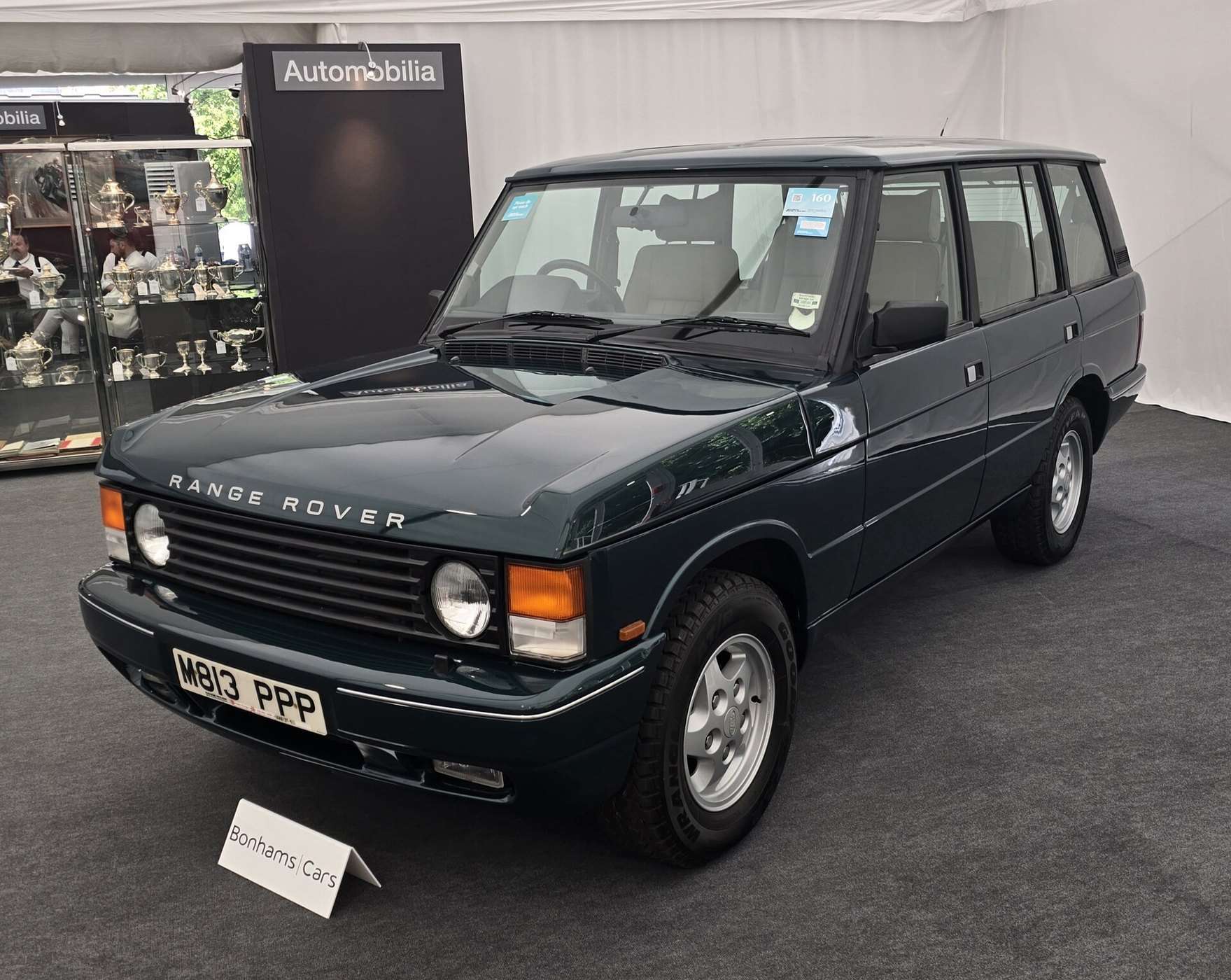
Concentrate on the steel inner structure: sills, A- and B-pillars, front footwells, inner wings, body mounts, rear floor, wheel tubs and tailgate surrounds. Aluminium outer panels can look presentable while the frame beneath requires major repair. The longer chassis also deserves careful inspection around its centre section and suspension mounts.
Check cooling, oil pressure, head-gasket symptoms and timing-chain noise on the 4.2 V8. The automatic gearbox should engage cleanly and the transfer case must operate in high and low range. Listen for axle, propshaft and viscous-coupling problems during tight manoeuvres.

Authenticity and ownership priorities
A factory 4.2 LSE should have documentation matching its long-wheelbase identity, engine and original trim. Autobiography or special-order claims require separate evidence. Picnic tables, veneers, leather, wheels and air-suspension hardware can be costly to source if missing.
Choose structural integrity and maintenance over superficial cosmetics. A functioning air-suspension system, stable cooling and preserved interior are stronger signs than fresh paint. Coil-converted vehicles may work well, but should be valued with originality and conversion quality in mind.
Sources and further reading
- Rimmer Bros: Range Rover Classic development history
- Rovers North: Range Rover LWB technical history
- Land Rover Heritage Collection: Range Rover history
- Land Rover Media: Range Rover Classic historical chronology
Continue the Land Rover story
The LSE is the point where the original Range Rover became a genuine long-wheelbase luxury flagship. Explore the complete Land Rover hub. Continue with the P38 4.6 HSE and Autobiography. Read the Range Rover CSK guide.
Frequently asked questions
What does LSE mean on a Range Rover Classic?
In the UK it identifies the luxury long-wheelbase flagship based on the Vogue SE, with a 108-inch wheelbase and 4.2-litre V8.
How much longer is the Vogue LSE?
Its wheelbase is 108 inches, eight inches longer than the standard 100-inch Range Rover Classic.
What engine does the Vogue LSE use?
UK cars use a 4,215 cc fuel-injected Rover V8 quoted at 200 bhp and 251 lb ft.
Did the Vogue LSE have air suspension?
Yes. Electronic air suspension was a defining part of the LSE specification, with several selectable or automatic height states.
What are the biggest Vogue LSE buying risks?
Structural corrosion, neglected cooling, poor air-suspension conversions, missing model-specific trim and undocumented engine or identity changes are the main concerns.