UNUSUAL CARS MODEL GUIDE
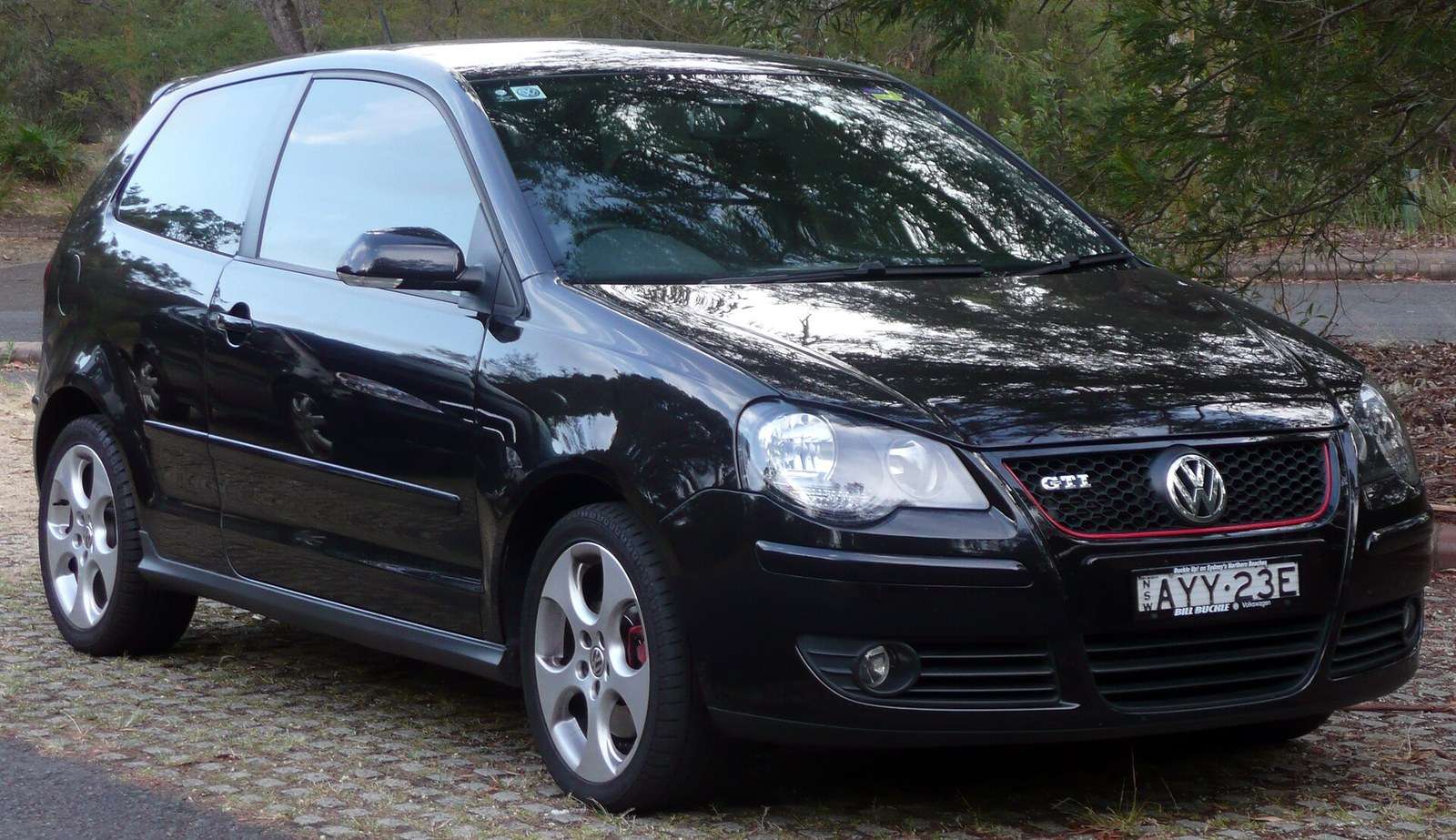
The 2006 Volkswagen Polo GTI 9N3 returned the GTI badge to the small Volkswagen with a 150PS 1.8-litre turbo engine, five-speed manual gearbox and styling deliberately reminiscent of the Golf GTI. It was quick, compact and easy to tune, yet it has been overshadowed by the Polo G40, Lupo GTI and later DSG-equipped generations.
Featured image: Black Volkswagen Polo GTI 9N3 front three-quarter view. Photograph by OSX, Public domain, via Wikimedia Commons; locally hosted.
The Polo GTI returns
The facelifted fourth-generation Polo arrived with a clearer Volkswagen family face, and the GTI followed in 2006. Volkswagen UK describes its 1.8-litre turbocharged engine as producing 110kW, or 150PS. Red grille detailing, GTI badges, sports seats, 16-inch wheels and firmer suspension distinguished it without turning the compact three-door body into a caricature.
The formula was traditional: modest dimensions, front-wheel drive, a manual gearbox and an engine already proven across the Volkswagen Group. At about 1,200kg it was not as light as a Lupo GTI, but it offered stronger mid-range torque and easier everyday refinement.

| Specification | Detail |
|---|---|
| UK introduction | 2006 |
| Engine | 1,781cc turbocharged 20-valve four-cylinder |
| Output | 110kW / 150PS; approximately 220Nm |
| Transmission | Five-speed manual; front-wheel drive |
| Related model | 180PS Cup Edition, principally a continental-market version |
1.8T power and the five-speed gearbox
The turbocharged 1,781cc 20-valve four-cylinder produced 150PS and around 220Nm. Drive went through a five-speed manual gearbox to the front wheels. Period performance figures placed 0-62mph at roughly eight seconds, with a top speed above 130mph. The broad torque curve mattered more in everyday driving than the headline sprint.
Volkswagen also produced a 180PS Cup Edition for continental markets. It is relevant to the model’s history but was not a normal UK showroom derivative. Cars advertised with Cup Edition styling or power should therefore be identified carefully; badges and body parts do not establish factory provenance.
Love cars you don’t see every day?
Get forgotten cars, surprising motoring stories and the most interesting finds from Unusual Cars by email.
Free to join. No spam. Unsubscribe whenever you like. See our privacy policy.
Why so many were modified
The 1.8T engine’s tuning potential made the 9N3 GTI attractive to owners seeking more boost and power. Sensible software and supporting maintenance can work well, but large turbochargers, atmospheric valves, poorly routed intercooler pipes and unknown calibrations make diagnosis harder. Confirm who mapped the car and what fuel and boost level it requires.
Suspension changes are equally common. Very low springs or inexpensive coilovers can spoil geometry, ride and tyre wear. Compare wheel sizes and offsets with factory specifications, inspect for rubbing and check that braking components are suitable for any claimed increase in power.

Engine and cooling checks
Start the engine cold and listen for rattles, hydraulic-lifter noise and exhaust leaks. Check oil level and pressure history, crankcase breather hoses, ignition coils and the diverter valve. Hesitation under boost can result from leaks, sensors or ignition faults, but it can also reveal a poor remap.
Inspect the water pump, thermostat housing, radiator and expansion tank for leakage. The cambelt and water-pump history must be evidenced rather than assumed. Look beneath the oil filler cap only as one clue: sludge concerns require an assessment of servicing, oil pressure and internal condition, not a quick visual verdict.

Gearbox, clutch, brakes and steering
The five-speed gearbox should select cleanly and remain quiet on and off load. Test the clutch for slip in a high gear and listen for flywheel vibration. Worn engine mounts can exaggerate movement and make gearchanges feel less precise. Driveshaft joints should remain quiet on full lock.
Check front wishbone bushes, drop links, rear bushes, springs and dampers. Uneven tyre wear may reflect poor alignment after lowering. The GTI should stop straight without vibration, and the ABS and stability-control lamps must illuminate and extinguish normally.

Body and interior
Inspect front wings and wheel-arch lips, sill ends, tailgate edges and the floor around jacking points. Stone chips can begin corrosion around the bonnet and roof edge. Look for mismatched paint and overspray because many cars have had cosmetic repairs or modified bumpers.
Test climate control, windows, locking, mirrors, lights and the small display in the instruments. Bolster wear, damaged trim and missing GTI details reveal hard use. A complete service record and restrained modifications are worth more than an ambitious power claim without invoices.
Buying checklist
Start from cold
Ask the seller not to warm the car before inspection. Cold behaviour exposes chain, bearing, fuelling and warning-light problems that may disappear later.
Inspect underneath
Use a lift where possible. Check structure, suspension, braking, leaks and previous repairs rather than judging only paint and interior presentation.
Verify the exact car
Match the VIN, engine code, drivetrain, market specification and service history. Badges, wheels and online descriptions are not proof of a rare derivative.
Use a Volkswagen specialist
A diagnostic scan and pre-purchase inspection cost far less than correcting hidden engine, gearbox or four-wheel-drive faults after purchase.
References
- Volkswagen UK Polo fourth-generation history
- Volkswagen UK 2008 Polo brochure
- Volkswagen Polo model history
Continue the Volkswagen story
Explore the complete Volkswagen hub, then read the Golf Mk4 R32 guide and the Passat R36 guide.
Frequently asked questions
What engine is in the Polo GTI 9N3?
It uses Volkswagen’s 1.8-litre turbocharged 20-valve four-cylinder, producing 150PS in the regular GTI.
Was the Polo GTI 9N3 sold in the UK?
Yes. The 150PS three-door GTI joined the facelifted Polo range in Britain in 2006.
Is the 180PS Polo GTI Cup Edition a UK model?
The Cup Edition was principally a continental-market derivative; UK cars wearing its styling need their identity verified.
What are the main buying risks?
Poor modifications, incomplete cambelt and water-pump history, boost leaks, ignition and breather faults, clutch wear, tired suspension and corrosion are key checks.
Is the 9N3 Polo GTI easy to tune?
The 1.8T responds readily to tuning, but any remap needs supporting maintenance, suitable hardware and documentation from a reputable specialist.