UNUSUAL CARS MODEL GUIDE
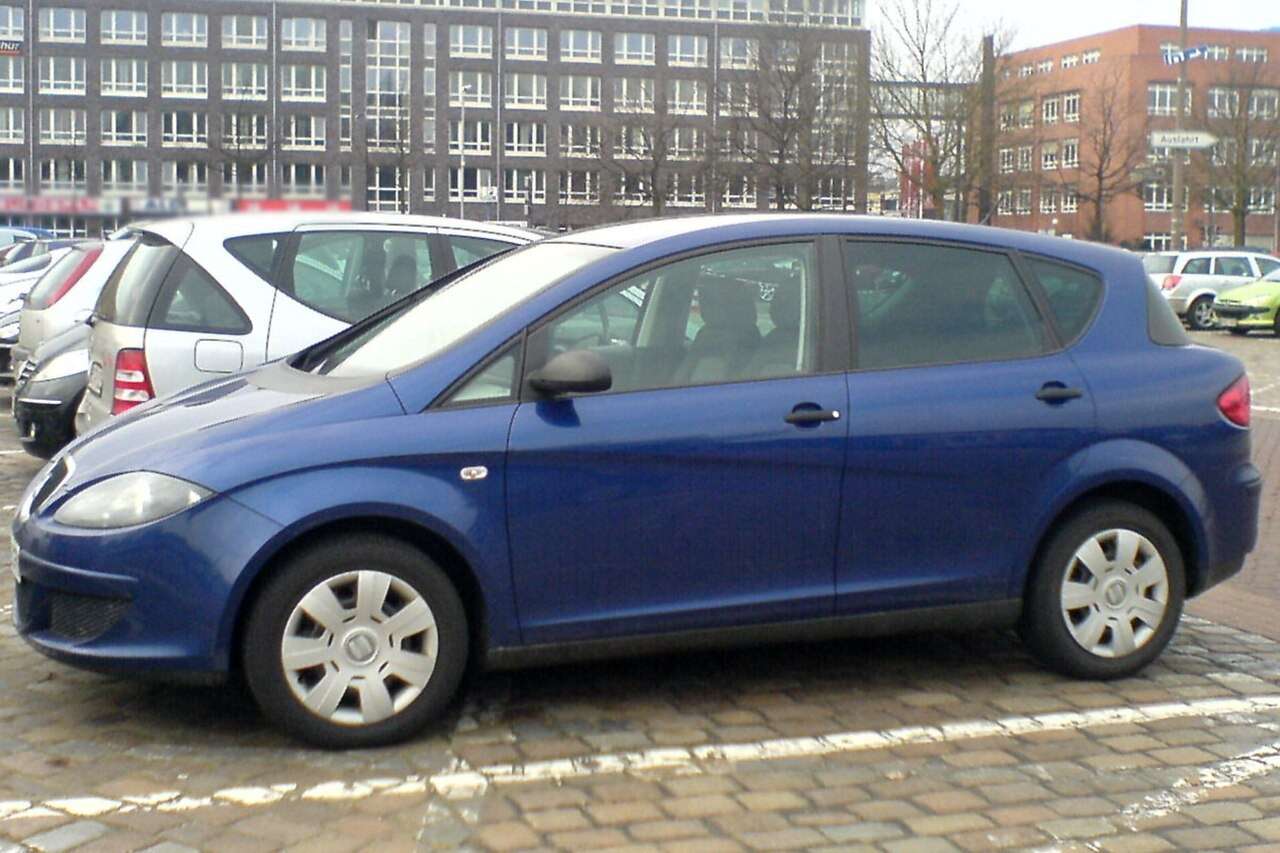
The third-generation SEAT Toledo was one of the strangest family cars of the 2000s. Walter de Silva’s team combined the nose and tall architecture of the Altea with an extended fastback tail and a huge hatchback boot. UK manuals covered engines from the 1.6 petrol and 1.9 TDI to 2.0 FSI, 2.0 TDI 170 and a rare 200 PS 2.0 turbo petrol, creating a range far broader than the car’s sober image suggests.
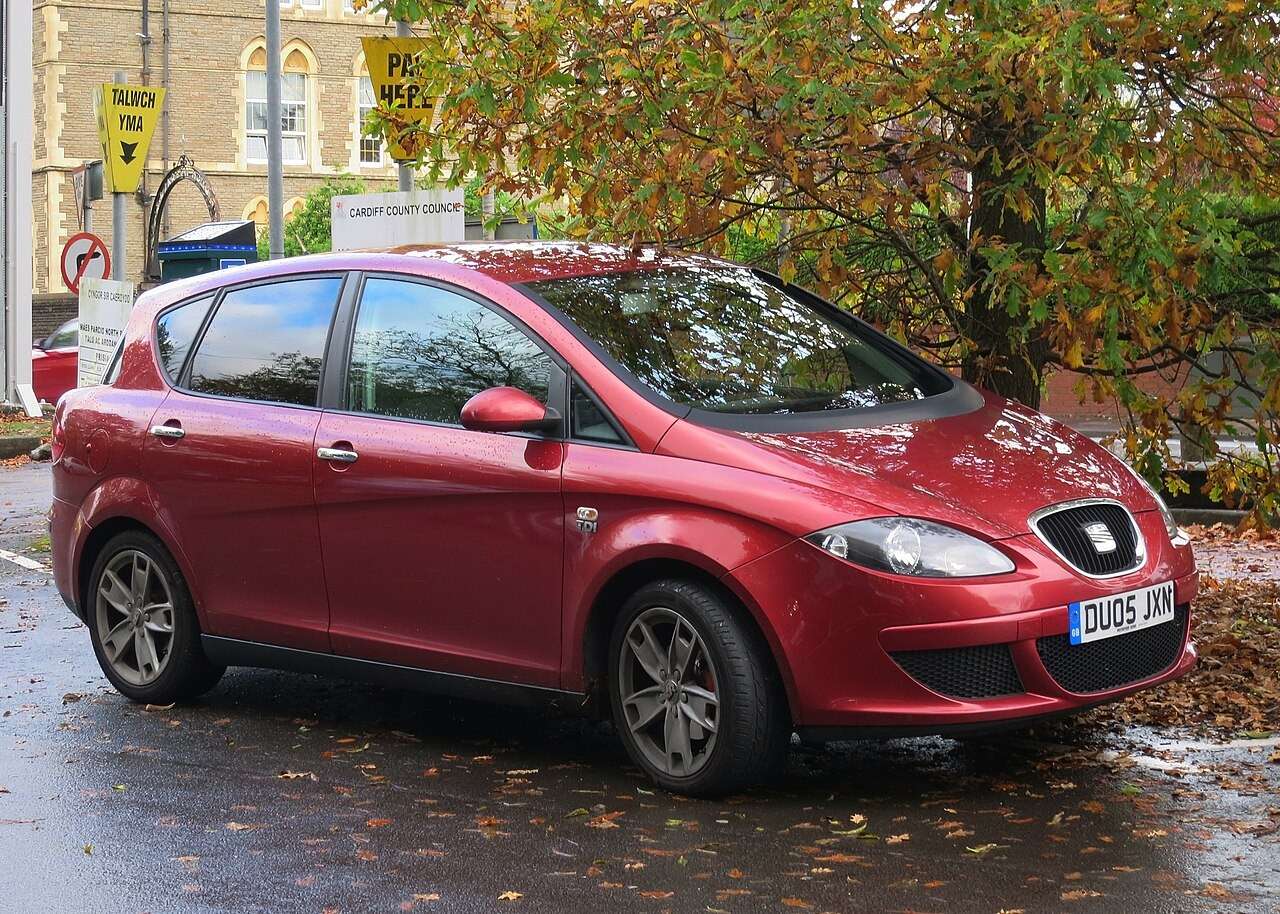
Featured image: SEAT Toledo Mk3 2.0 FSI front three-quarter view. Photograph by Thomas doerfer, CC BY 3.0, via Wikimedia Commons; locally hosted.
Why the Mk3 looked so different
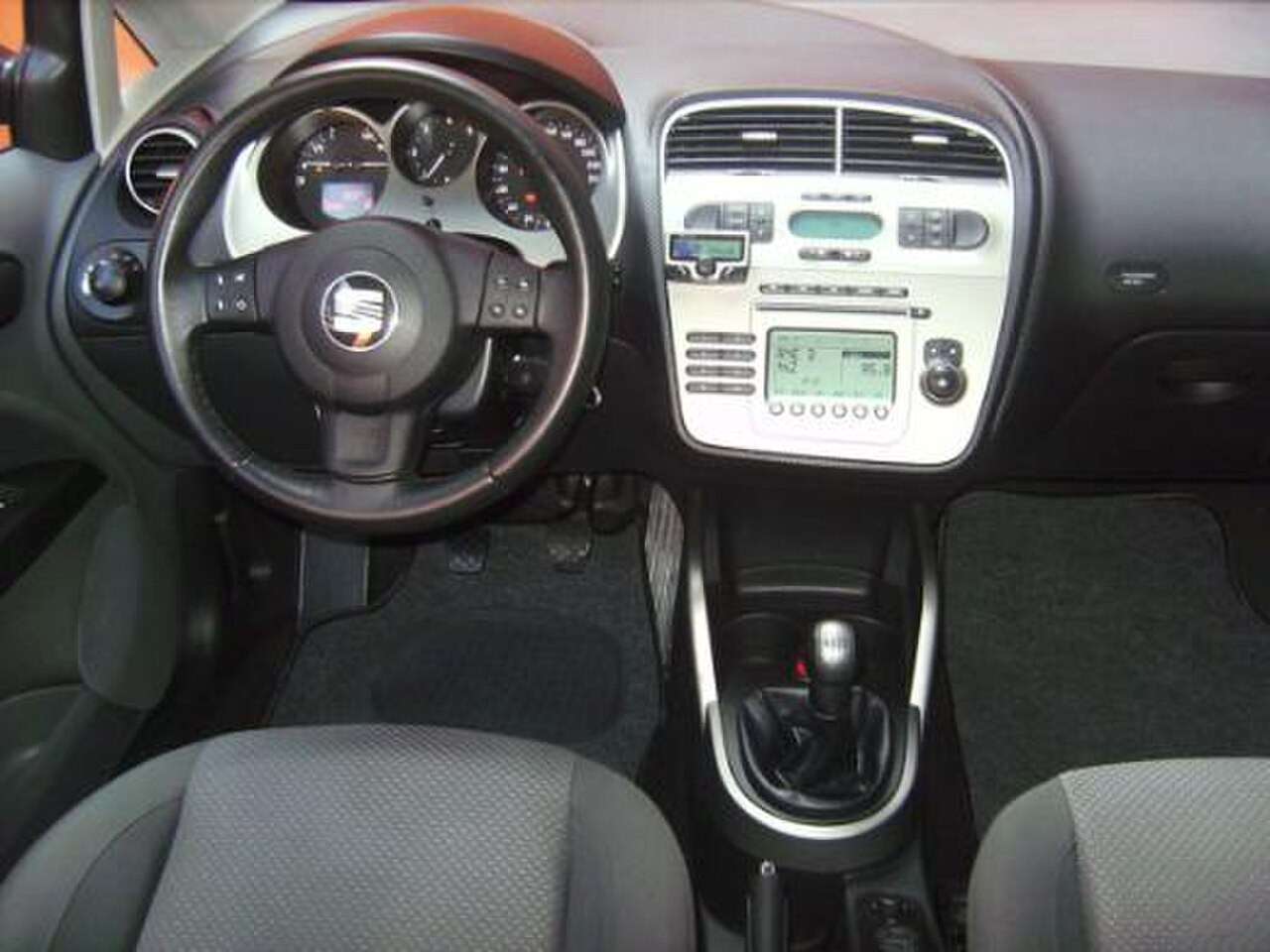
Launched for the 2005 model year, the Toledo Mk3 abandoned the conventional three-box form of its predecessor. It used the Volkswagen Group PQ35 platform and shared its windscreen, doors, dashboard architecture and much of its running gear with the SEAT Altea. Behind the rear doors, however, the roof flowed into a stepped fastback tail with a large lift-up hatch.
The result offered more luggage space than many compact MPVs while retaining five seats and a footprint suited to European roads. Buyers did not always understand the styling, and sales were modest, but that commercial awkwardness is exactly what makes the model relevant to Unusual Cars today.

Engines from FSI to 200 PS turbo and TDI 170
SEAT’s English-language UK manual lists a broad engine range. Early petrol choices included 1.6 and 2.0 FSI units, while diesels included 1.9 TDI and 2.0 TDI. Later technical data also covers a 147 kW 2.0-litre turbo petrol and a 125 kW 2.0 TDI. Availability and transmission combinations changed by model year, so the VIN and engine code matter.
| Engine | Official output | Character |
|---|---|---|
| 1.6 petrol | 102 PS | Simple entry petrol, steady rather than fast. |
| 2.0 FSI petrol | 150 PS | Direct-injection petrol and the better-known UK sporting choice. |
| 2.0 turbo petrol | 200 PS / 147 kW | Rare high-output version listed in SEAT technical data. |
| 1.9 TDI | 105 PS | Economical mainstream diesel. |
| 2.0 TDI | 140 or 170 PS | Stronger diesel performance with greater maintenance sensitivity. |
Do not assume a 2.0 badge identifies the fuel system or power. FSI, turbo-petrol and TDI engines have different service needs, and many used adverts omit the engine code.
Love cars you don’t see every day?
Get forgotten cars, surprising motoring stories and the most interesting finds from Unusual Cars by email.
Free to join. No spam. Unsubscribe whenever you like. See our privacy policy.
Petrol engine checks
On FSI engines, listen for timing noise at cold start, check cooling stability and look for misfires, uneven idle or hesitation that can indicate ignition faults, vacuum leaks or intake-valve deposits. Demand evidence of correct oil and disciplined servicing. The rare turbo petrol adds boost hoses, diverter and pressure-control hardware, turbocharger condition and higher thermal load to the inspection.
Any engine should reach temperature normally, hold oil pressure and remain free of coolant loss. Scan all control modules rather than relying only on a warning-light check. An intermittent engine light erased before sale can return after the readiness monitors complete.

Diesel, clutch and transmission checks
For 1.9 and 2.0 TDI cars, verify the exact engine code, correct oil specification, timing-belt and water-pump history. Check cold starting, smoke, injector balance, turbo boost, intercooler hoses, EGR operation and any diesel particulate filter fitted to that specific version. Early 2.0 TDI engines deserve careful attention to oil pressure, cooling and cylinder-head history.
Manual cars can wear clutches and dual-mass flywheels; listen for idle rattle and test for slip under load. DSG-equipped cars require documented oil and filter changes at the specified interval, smooth engagement from cold and clean low-speed manoeuvring. Hesitation, shudder or warning messages should not be dismissed as character.
Body, cabin and electrical equipment
Inspect the long rear quarter panels, hatch aperture, floor, sills, jacking points and front subframe. The unusual rear body is difficult to repair invisibly after a collision, so compare panel gaps and paint texture in good light. Check under the boot floor for water and make sure the parcel shelf and load fittings are present.
Inside, test climate control, heater fan, windows, mirrors, locks, cruise control, radio, parking sensors and dashboard display. Damp can affect connectors beneath carpets. Front suspension bushes, springs, dampers and wheel bearings are familiar PQ35 wear points, while uneven rear tyre wear can reveal alignment or accident issues.
Buying checklist
Decode the exact engine and gearbox
Use the build label and VIN because 2.0-litre versions differ substantially.
Demand evidence, not assurances
Timing, oil, DSG and emissions-system invoices are more useful than a low odometer alone.
Inspect the rear body carefully
The model’s rare hatch, quarters and trim make accident damage and missing parts harder to correct.
Sources
- SEAT UK: Toledo Mk3 owner’s manual and technical data
- SEAT UK: 2006 Toledo technical data
- SEAT UK: 75-year model timeline
Continue the SEAT story
Explore more overlooked Spanish performance, family and utility cars in the complete SEAT hub.
Frequently asked questions
Is the SEAT Toledo Mk3 a saloon or an MPV?
It is a five-door hatchback with a tall MPV-like cabin and a fastback, saloon-inspired rear body.
Did the Toledo Mk3 have a 200 PS petrol engine?
SEAT technical data lists a 2.0-litre turbo petrol producing 147 kW, equivalent to 200 PS, although it is rare.
Which diesels were available?
The range included a 105 PS 1.9 TDI and 2.0 TDI versions with 140 or 170 PS, depending on year and market specification.
Is the Toledo Mk3 related to the Altea?
Yes. It shares the PQ35 platform, front body structure and much of its cabin and running gear with the Altea.
What are the main buying checks?
Identify the exact engine, verify timing and oil history, check diesel emissions equipment or petrol direct injection, assess clutch or DSG condition, and inspect the rear body for accident repairs and water ingress.