UNUSUAL CARS MODEL GUIDE
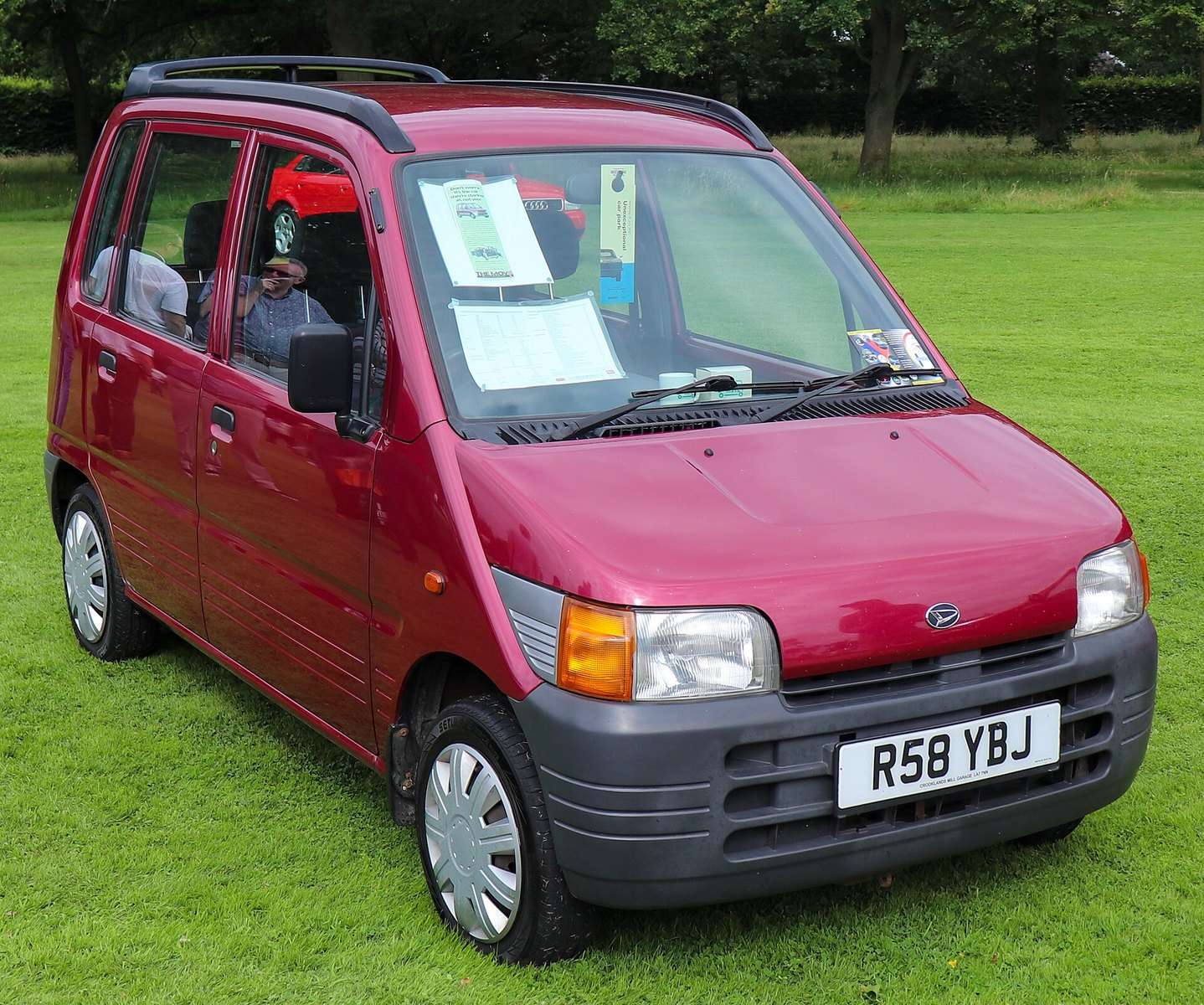
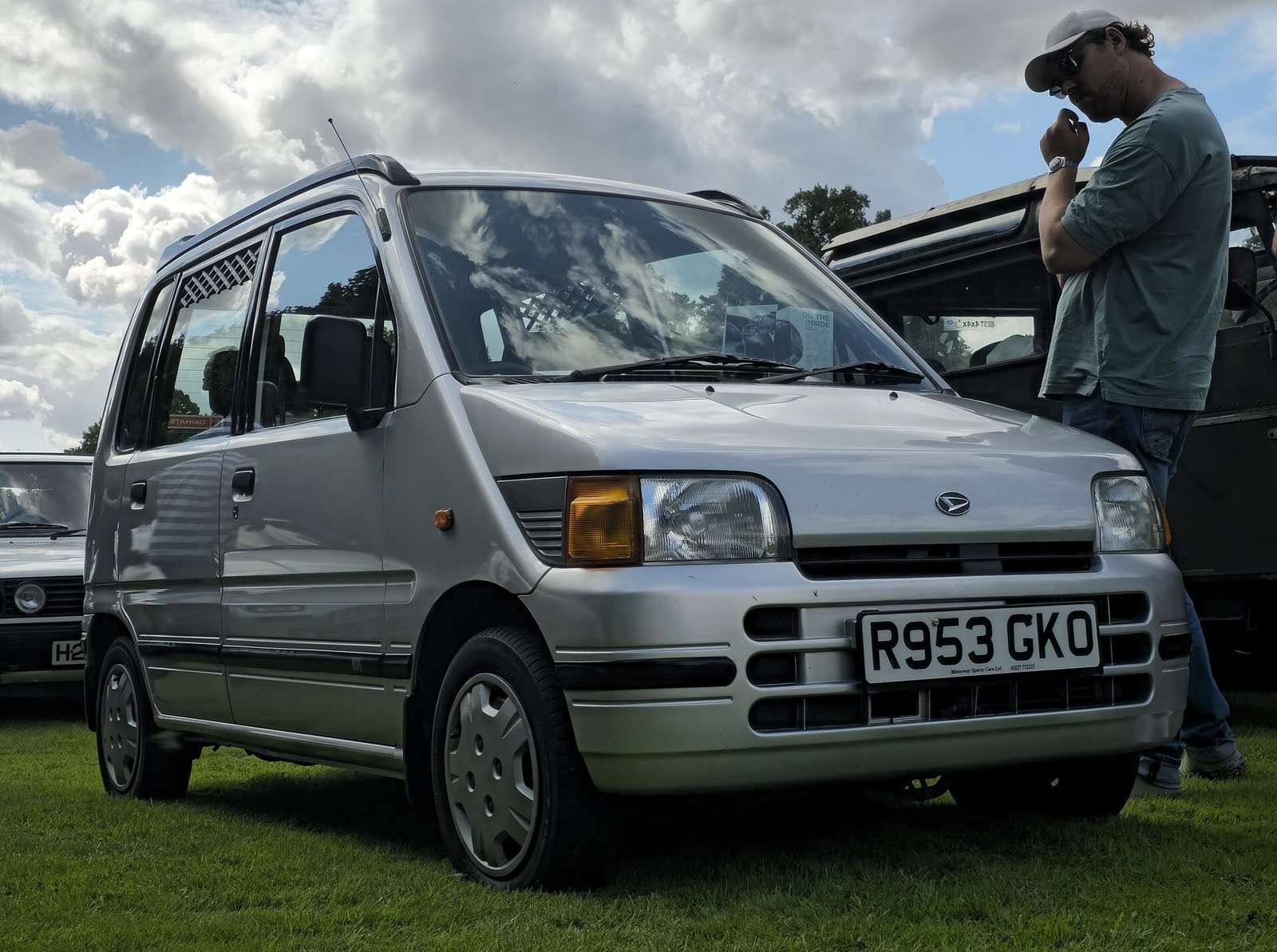
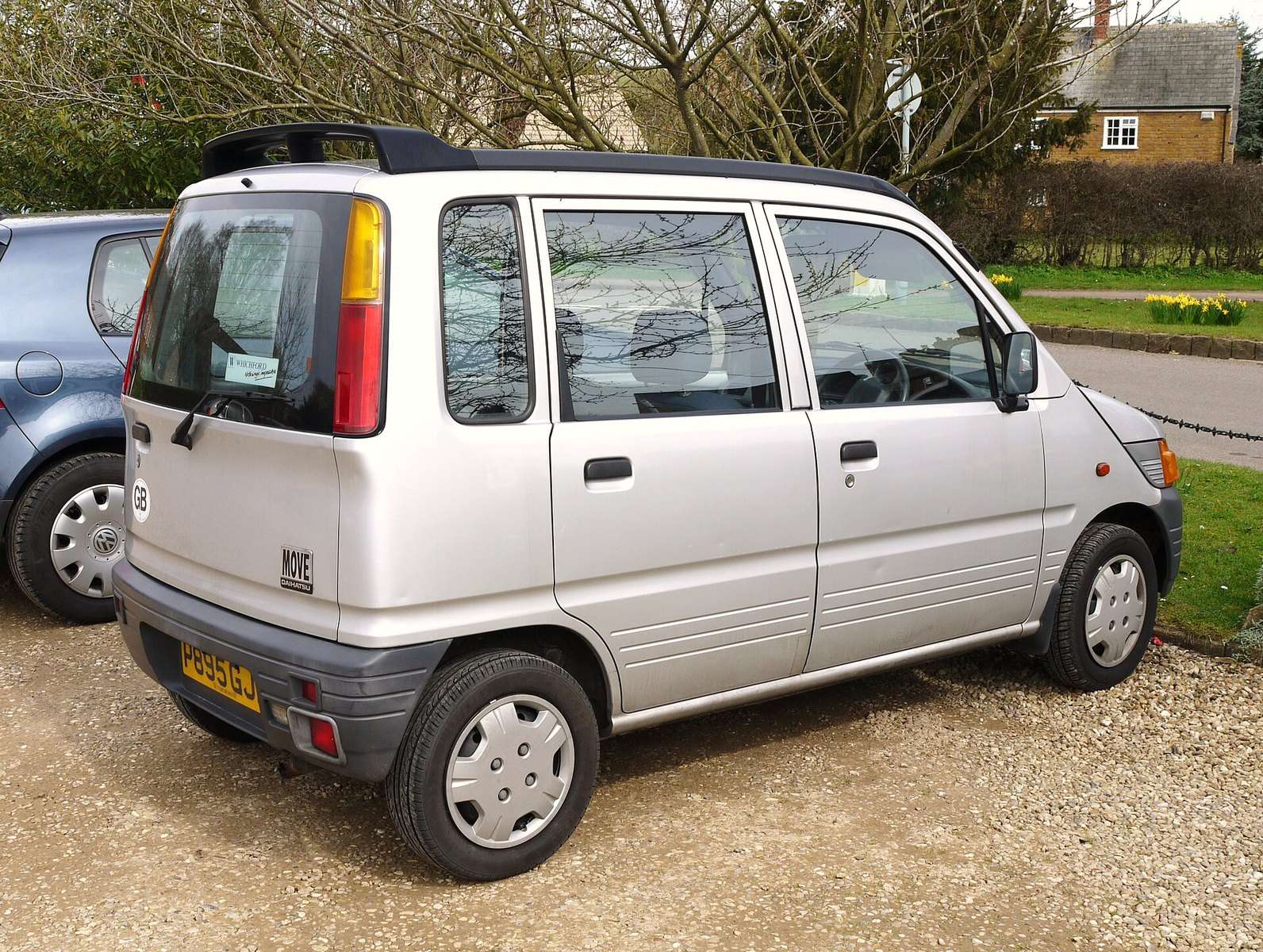
The first Daihatsu Move was a five-door micro-MPV built upwards rather than outwards. Launched in Japan in 1995 and sold in Britain from March 1997, it combined an 847cc three-cylinder engine with a body narrower than a classic Mini and far taller than an ordinary city car. It was slow and sensitive to crosswinds, but its airy four-seat cabin and tiny footprint made it a genuine packaging experiment.
Featured image: 1997 UK-market Daihatsu Move 850cc front three-quarter view. Photograph by Vauxford, CC BY-SA 4.0, via Wikimedia Commons; locally hosted.
A kei-car idea brought to Britain
Daihatsu introduced the Move in Japan in August 1995. The UK importer launched an enlarged 847cc export version in March 1997, positioning it as a city car or micro-MPV. Five doors and an exceptionally high roof made access easy, while individually adjustable seats could be slid, reclined or folded to vary the cabin.
Period tests initially treated the appearance as comedy, then acknowledged that the design worked. The Move carried four adults in a road footprint smaller than conventional superminis. It also exposed the limits of that formula: a narrow track, basic 42bhp engine and slab-sided body made open-road refinement and stability less convincing than urban manoeuvrability.
UK models, engine and equipment
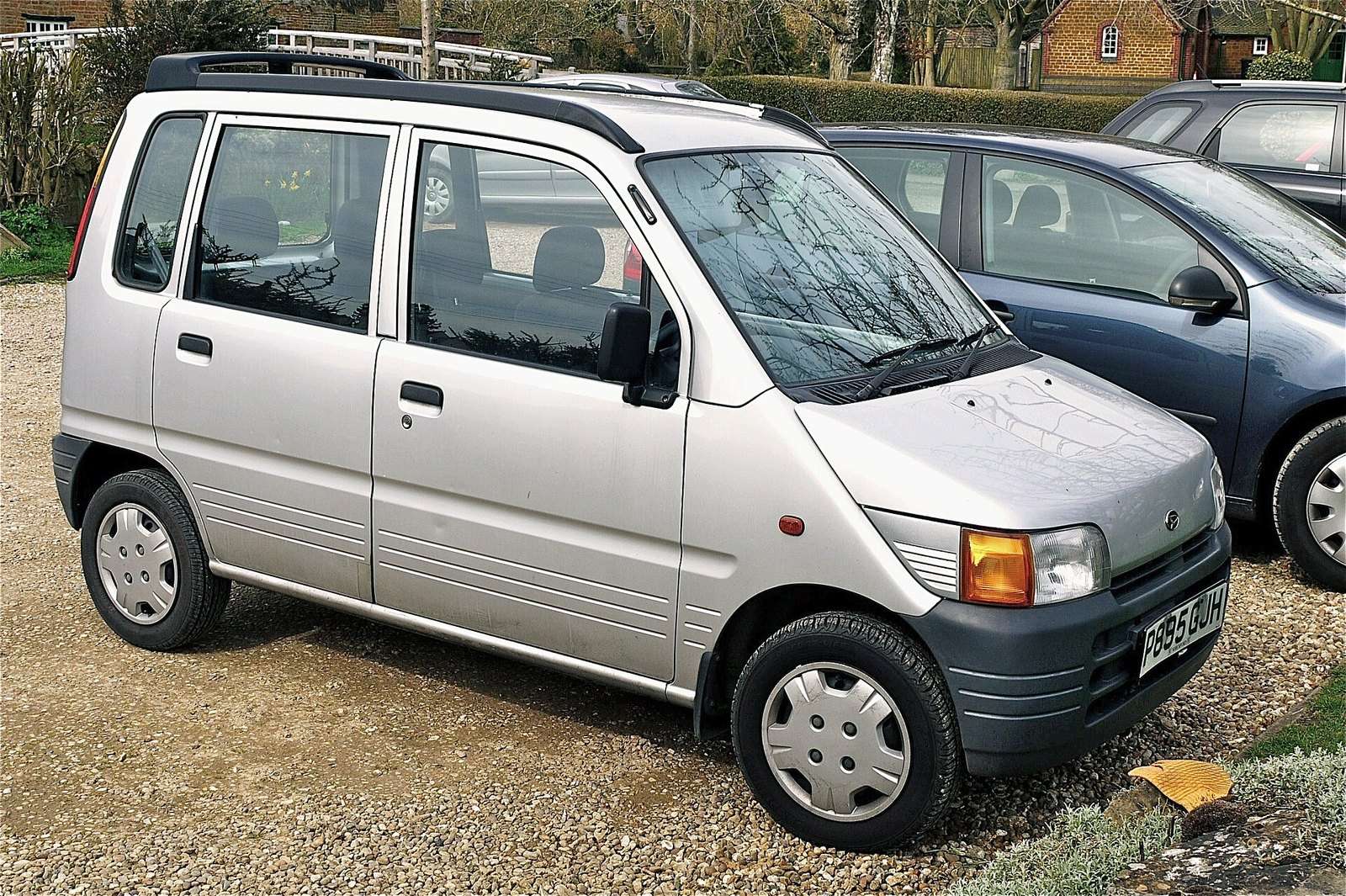
British cars used an 847cc three-cylinder petrol engine shared with the early Cuore. A five-speed manual was standard and a three-speed automatic was offered. The better-equipped Move+ added colour-keyed trim, electric front windows and central locking, while later promotional cars could include air conditioning or automatic transmission at no extra charge.
| Item | UK Move |
|---|---|
| UK launch | March 1997 |
| Engine | 847cc three-cylinder petrol, about 42bhp |
| Transmission | Five-speed manual or three-speed automatic |
| Body | Five-door, four-seat tall hatchback |
| Main trims | Move and Move+ |
Do not confuse the UK L601-era car with later Japanese Moves or the Malaysian Perodua Kenari. Parts and dimensions differ. Registration and chassis evidence should guide identification, not a generic online listing.
Love cars you don’t see every day?
Get forgotten cars, surprising motoring stories and the most interesting finds from Unusual Cars by email.
Free to join. No spam. Unsubscribe whenever you like. See our privacy policy.
Cabin, seats and urban practicality
Check every sliding, reclining and folding function. Seat frames should lock firmly, and belts must retract without damage. The tall doors need sound hinges and catches; inspect the side-hinged tailgate, strut or check mechanism, seals and rear wash/wipe. Lift carpets to find water entry or floor corrosion.
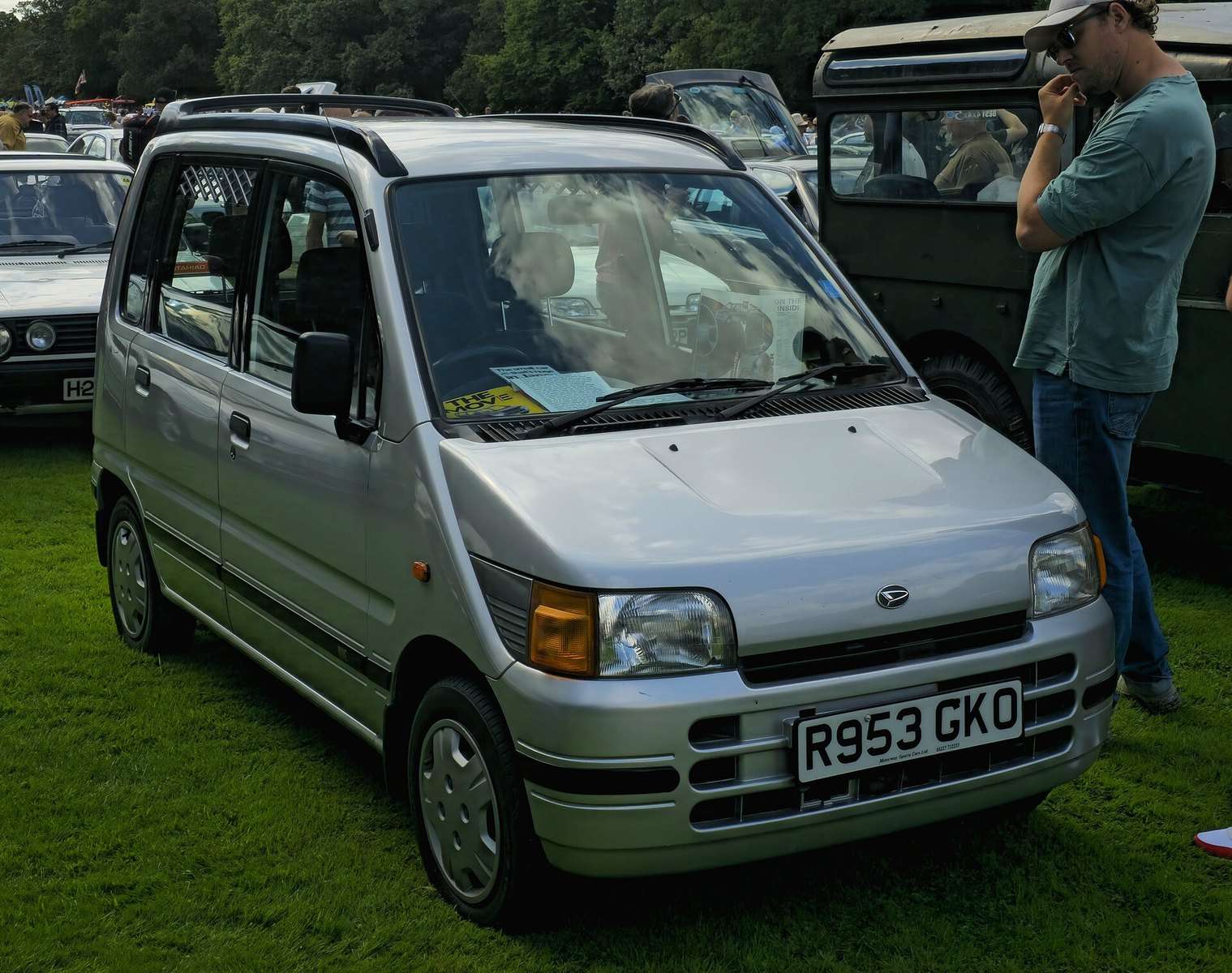
The windscreen, side glass, lamps, dashboard, parcel shelf and seat trim are rare. A shabby but complete interior is generally easier to preserve than one missing unique mouldings. Test the heater, fan, stereo, central locking and electric windows where fitted. A Move used exclusively in town may have low mileage but heavy wear to the driver’s seat, pedals, clutch and door hinges.
Body, suspension and crosswind behaviour
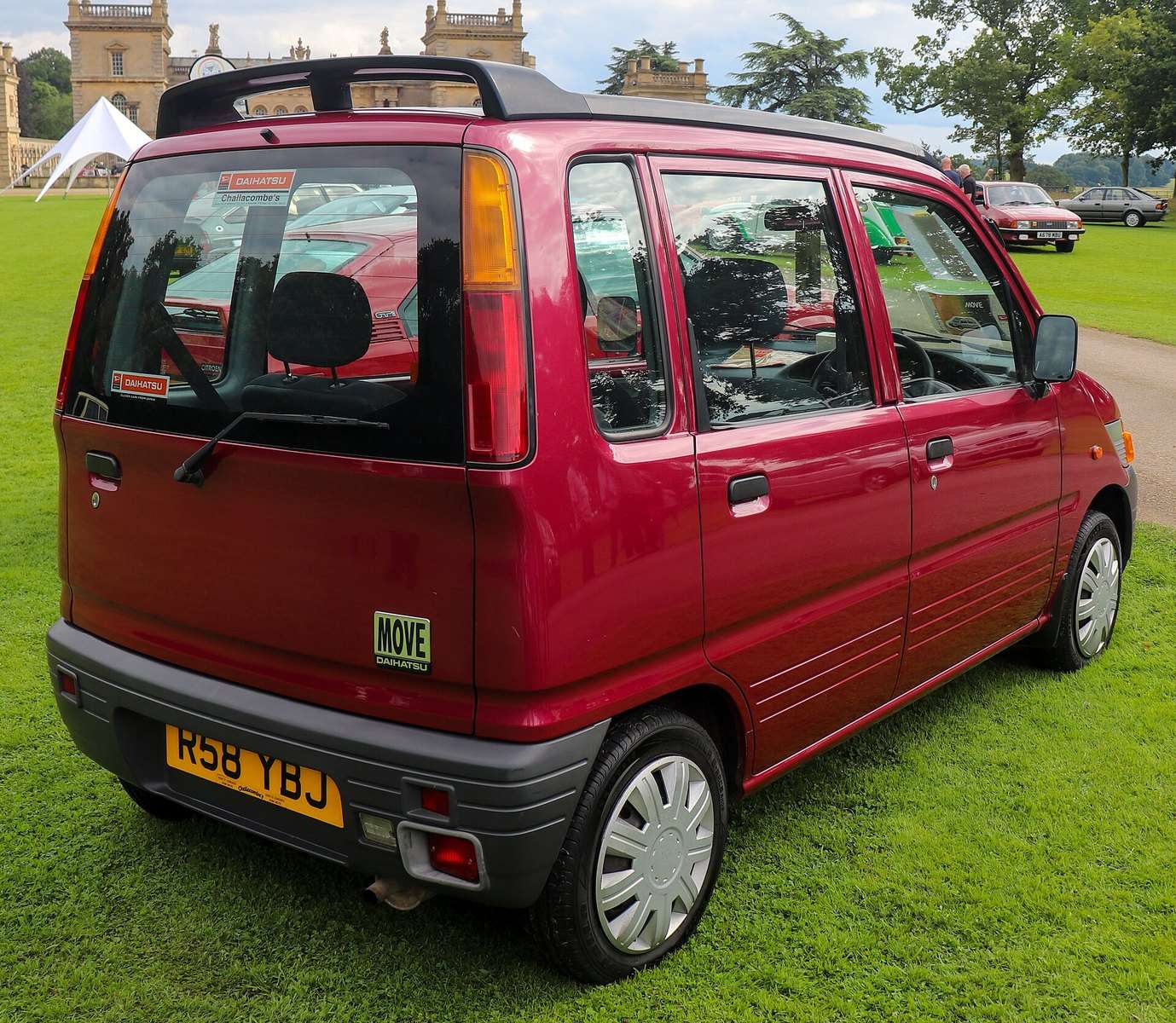
Inspect sills, jacking points, floor seams, inner arches, suspension mounts and brake pipes. Pay attention to the front structure because city parking damage and minor collisions are common. Check roof gutters, windscreen edges and the tall rear pillars for corrosion or poor accident repairs.
A sound Move is light and nimble at low speed. It should not wander, clonk or pull under braking. Period AA and Independent tests warned about body roll, motorway noise and crosswinds; those are design limitations, but severe instability usually means worn dampers, bushes, tyres or steering parts. Fit correct-size quality tyres and keep pressures accurate.
Engine, gearbox and realistic use
Start the engine cold, check prompt oil-pressure warning extinction and listen for persistent rattles. Inspect coolant level and condition, radiator, fan and hoses. A small engine that has spent its life at high revs needs evidence of frequent oil changes. Smoke, overheating or poor compression can erase the saving of buying an inexpensive car.
The manual gearbox should shift cleanly and the clutch should take up without slip or judder. A three-speed automatic must engage promptly and be tested on hills as well as in town. The Move can use faster roads, but its best role remains local transport. Buyers expecting modern motorway stability, noise suppression or crash protection should choose a later and larger car.
Buying checklist
Look underneath first
Corrosion in the light shell and suspension mounting areas determines the car’s future.
Test every seat and door function
The Move’s value lies in its packaging, and unique mechanisms or trim are difficult to source.
Use it for the job it was designed to do
It excels in town; long, exposed high-speed journeys reveal its limitations.
Sources
- Daihatsu: official product history confirming the 1995 Move launch
- Daihatsu: 30-year Move model history
- AA: October 1997 Move road test
- The Independent: May 1997 Move road test
- RAC Drive: UK Move model history
Continue the Daihatsu story
Explore more inventive Japanese city cars, turbo hatchbacks and compact 4x4s in the complete Daihatsu hub.
Frequently asked questions
Was the Daihatsu Move sold in the UK?
Yes. The first-generation Move reached Britain in March 1997 and remained on sale until around the end of the decade.
What engine does the UK Move use?
It uses an 847cc three-cylinder petrol engine producing about 42bhp.
Was an automatic Move available?
Yes. A three-speed automatic was offered alongside the five-speed manual.
How many people does a Move carry?
The UK Move is a four-seat, five-door micro-MPV with flexible individual seating.
Is the Move suitable for motorway use?
It can maintain legal speeds when healthy, but noise, modest power and sensitivity to crosswinds make it much better suited to urban and local driving.