UNUSUAL CARS MODEL GUIDE
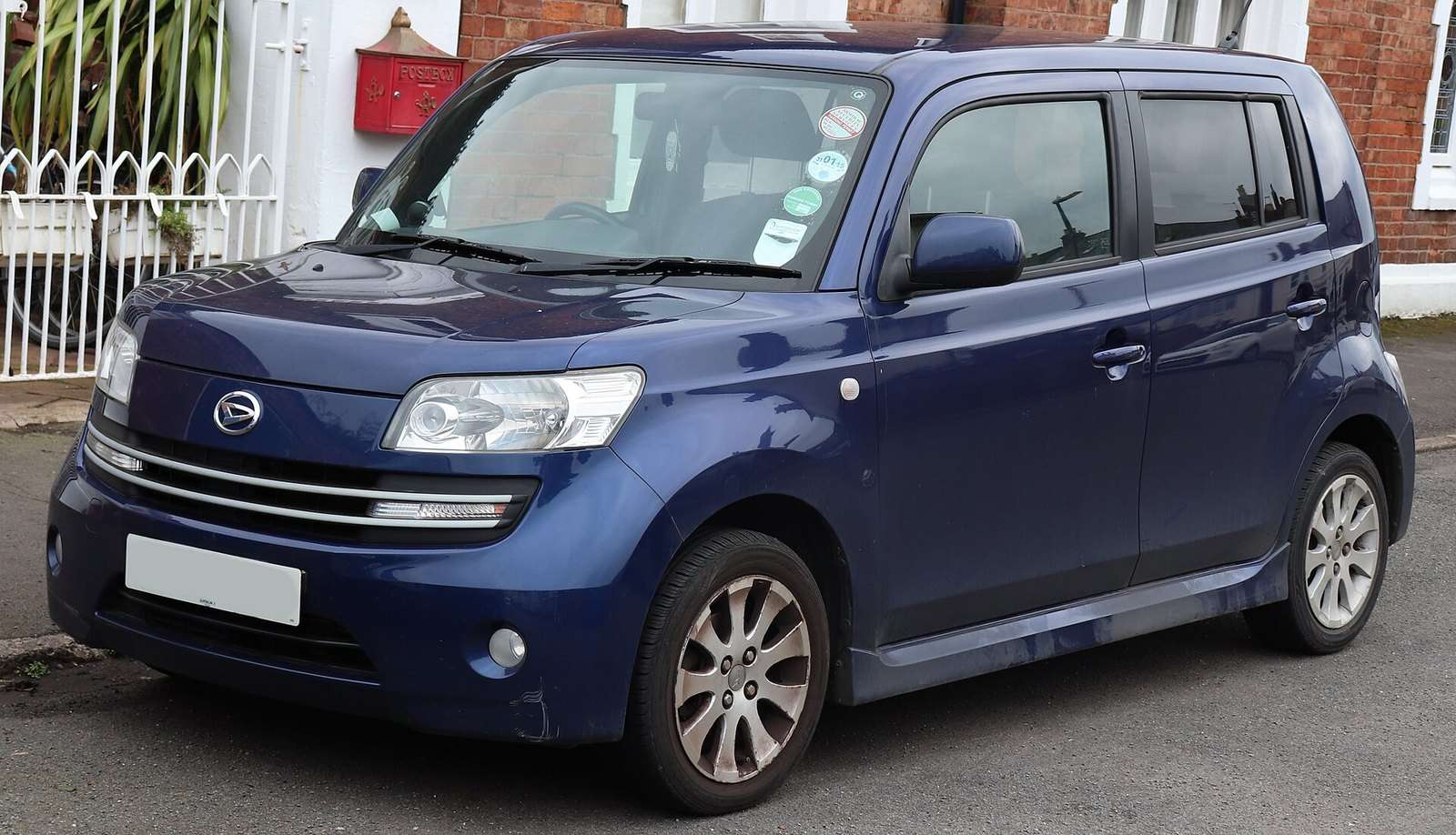
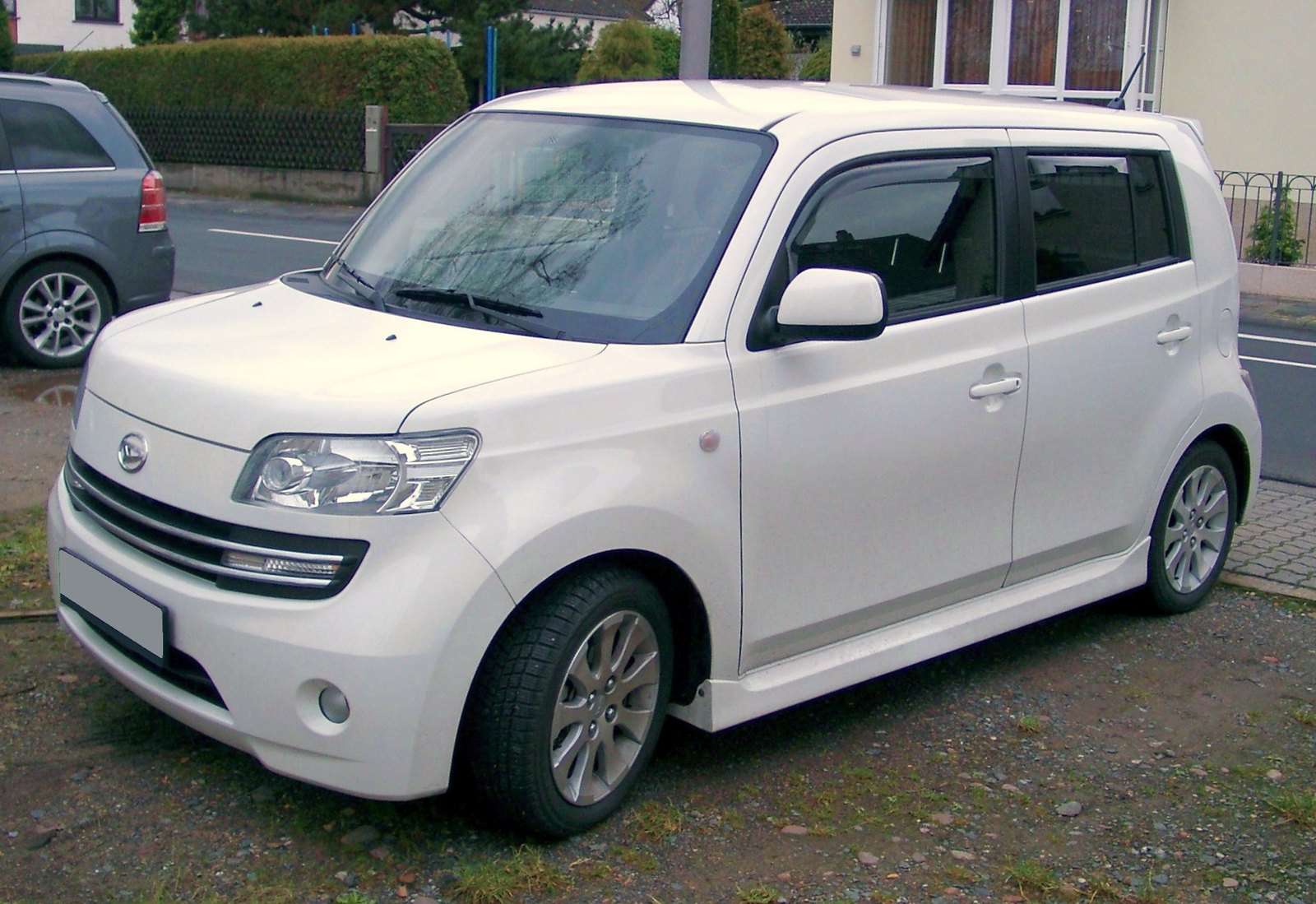
The Daihatsu Materia was a tall, square five-door whose styling looked closer to a Japanese custom car than a conventional British supermini. Launched in Europe for 2007, the UK version used a 1.5-litre petrol engine with manual or automatic transmission. Its real strengths were a roomy cabin, sliding and folding rear seats and a tiny road footprint; rarity and parts availability are now more important than its modest performance figures.
Featured image: 2008 UK-market Daihatsu Materia 1.5 front three-quarter view. Photograph by Vauxford, CC BY-SA 4.0, via Wikimedia Commons; locally hosted.
A box designed around people
Daihatsu presented the Materia at the 2006 Paris motor show and put it on European sale early in 2007. It was related to the Japanese-market Daihatsu Coo and second-generation Toyota bB, but the European car received its own branding and specification. The upright windscreen, near-vertical sides and long wheelbase created far more cabin space than the short overall length suggested.
The styling divided opinion immediately. Period tests praised the visibility and packaging while questioning the firm ride and noisy motorway gearing. That contrast remains central to the car today: the Materia makes sense as an urban or local-use vehicle, and less sense as a quiet long-distance cruiser. Its unusual appearance has also helped survivors avoid becoming anonymous old transport.

UK engine, transmission and equipment
British cars used a 1,495cc four-cylinder petrol engine with variable valve timing, producing about 103bhp. A five-speed manual gearbox was standard and a four-speed automatic was available. Contemporary testing recorded 0–60mph in roughly eleven seconds for the manual, but the short gearing made engine speed noticeable on faster roads.
| Item | UK specification |
|---|---|
| Engine | 1,495cc four-cylinder petrol with variable valve timing |
| Power | About 103bhp |
| Transmission | Five-speed manual or four-speed automatic |
| Body | Five-door, five-seat tall hatchback |
| Notable equipment | Air conditioning, alloy wheels, split/folding rear seat and ABS were commonly standard |
Do not confuse European specifications with 1.3-litre or four-wheel-drive versions sold elsewhere. Match the VIN, registration record and handbook to the actual car before ordering service or transmission parts.

Love cars you don’t see every day?
Get forgotten cars, surprising motoring stories and the most interesting finds from Unusual Cars by email.
Free to join. No spam. Unsubscribe whenever you like. See our privacy policy.
Space, seats and everyday use
The rear bench can slide to trade luggage room for passenger space, and the separate seatbacks fold to create a long, useful load floor. Check every latch and runner because sticky mechanisms are a known age-related nuisance. Look beneath the seats for objects or corrosion, then confirm the seat locks positively in every position.
Inspect door seals, tailgate struts, window regulators, central locking, air conditioning and the audio system. The dashboard plastics are robust but easily marked, while missing clips, parcel shelves and trim pieces are inconvenient because breakers rarely have several Materias to choose from. Damp carpets point to blocked drains, damaged seals or previous body repair.

Body, suspension and brakes
Put the car on a lift. Examine sills, jacking points, floor seams, subframes, suspension mounts, rear spring areas, brake pipes and the metal around the fuel tank. Surface rust is common on cars that have lived outside; swelling seams, perforation or heavy underseal over fresh repairs need closer investigation.
A Materia should steer cleanly without clonks or wandering. Worn bushes, joints, dampers and wheel bearings increasingly appear in MOT histories, while the large wheels are easy to kerb. Check that all four tyres match sensibly and wear evenly. The brakes should operate straight and smoothly, and the handbrake must hold without excessive travel.
Engine, gearboxes and parts supply
Start from cold and listen for persistent rattles, belt noise or exhaust leaks. The idle should settle promptly and the temperature remain stable. Confirm regular oil and coolant changes, inspect the radiator and hoses, and look for leaks around the engine and gearbox. Warning lights must illuminate for the self-test and then go out.
On a manual, check for clutch slip, judder and weak synchromesh. The automatic should select drive and reverse promptly, change smoothly and hold securely in Park. Daihatsu service parts can often be sourced through specialists or cross-referenced with related Toyota components, but assumptions are risky. Verify every number before purchase; unique lights, bumpers and interior parts make a complete car worth seeking.

Buying checklist
Check the underside, not just the styling
Structural corrosion and tired suspension determine whether a cheap Materia is genuinely economical.
Operate the rear seats repeatedly
Both sections should slide, fold and lock securely.
Buy the most complete example
Mechanical service items are normally easier to find than model-specific lamps, trim and body panels.
Sources
- Daihatsu: 2006 Paris motor show Materia announcement
- Auto Express: 2007 Materia road test
- Business Car: Materia 1.5 test drive
- RAC Drive: UK Materia used review
- Daihatsu Materia sales brochure
Continue the Daihatsu story
Explore more inventive Japanese city cars, turbo hatchbacks and compact 4x4s in the complete Daihatsu hub.
Frequently asked questions
When was the Daihatsu Materia sold in the UK?
The Materia reached Europe and Britain for 2007 and remained available until Daihatsu wound down UK new-car sales.
What engine does a UK Materia have?
UK cars use a 1.5-litre four-cylinder petrol engine producing about 103bhp.
Was an automatic Materia available?
Yes. UK buyers could choose a four-speed automatic as an alternative to the five-speed manual.
Is the Materia related to the Toyota bB?
Yes. It shares its basic model family with the Japanese-market Daihatsu Coo and second-generation Toyota bB, but specifications differ by market.
What is the main buying risk?
Corrosion, neglected suspension and brakes, and missing model-specific trim are more important than cosmetic mileage claims.