UNUSUAL CARS MODEL GUIDE
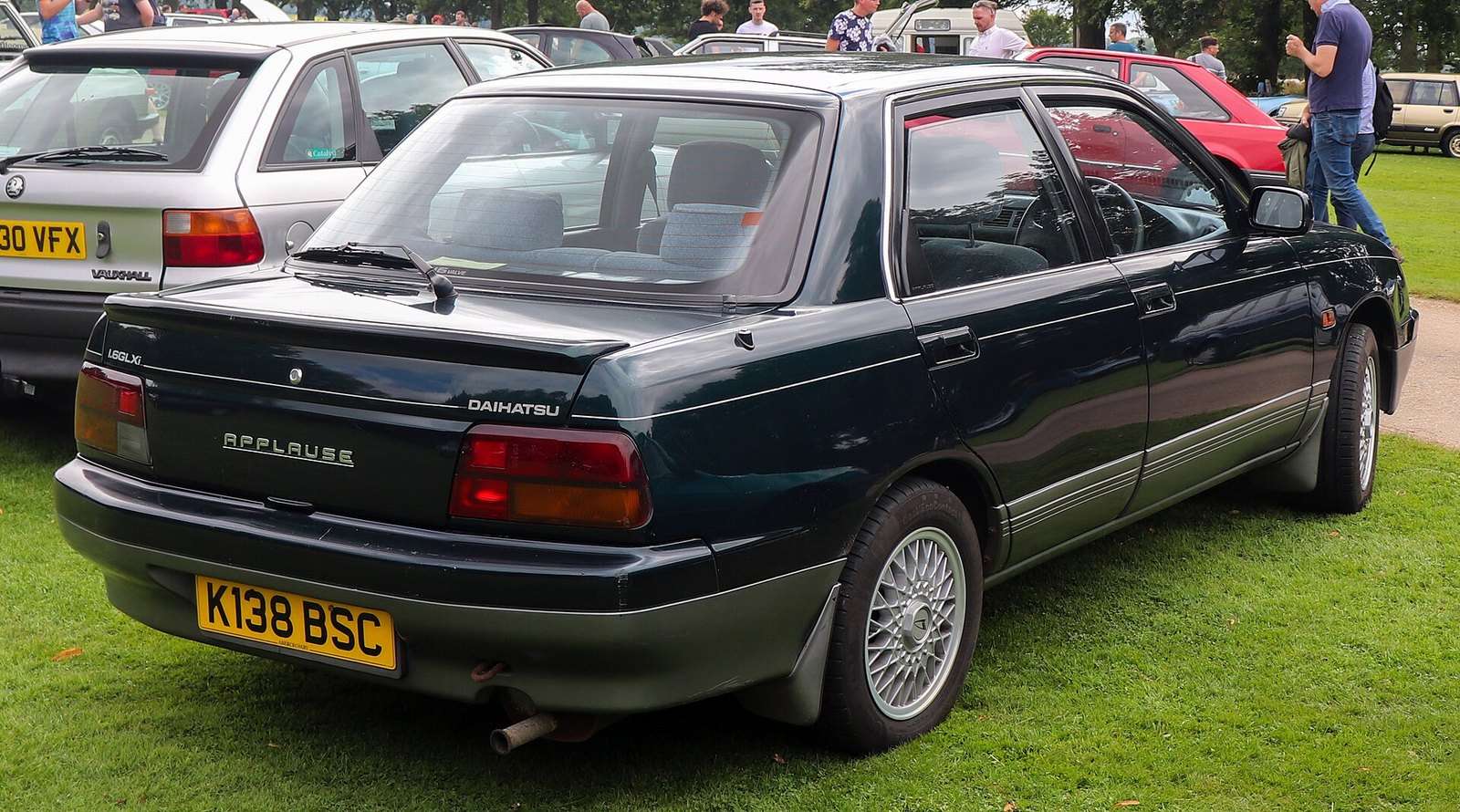
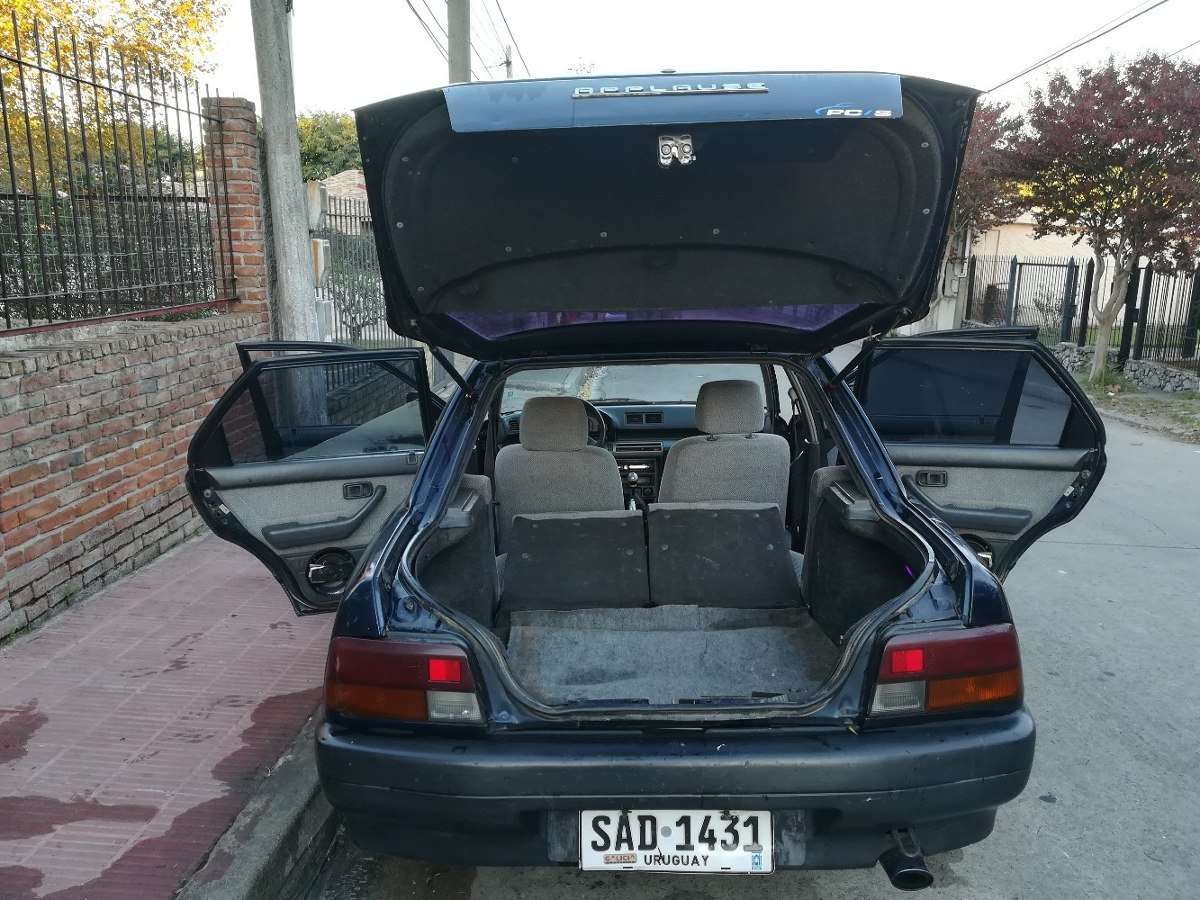
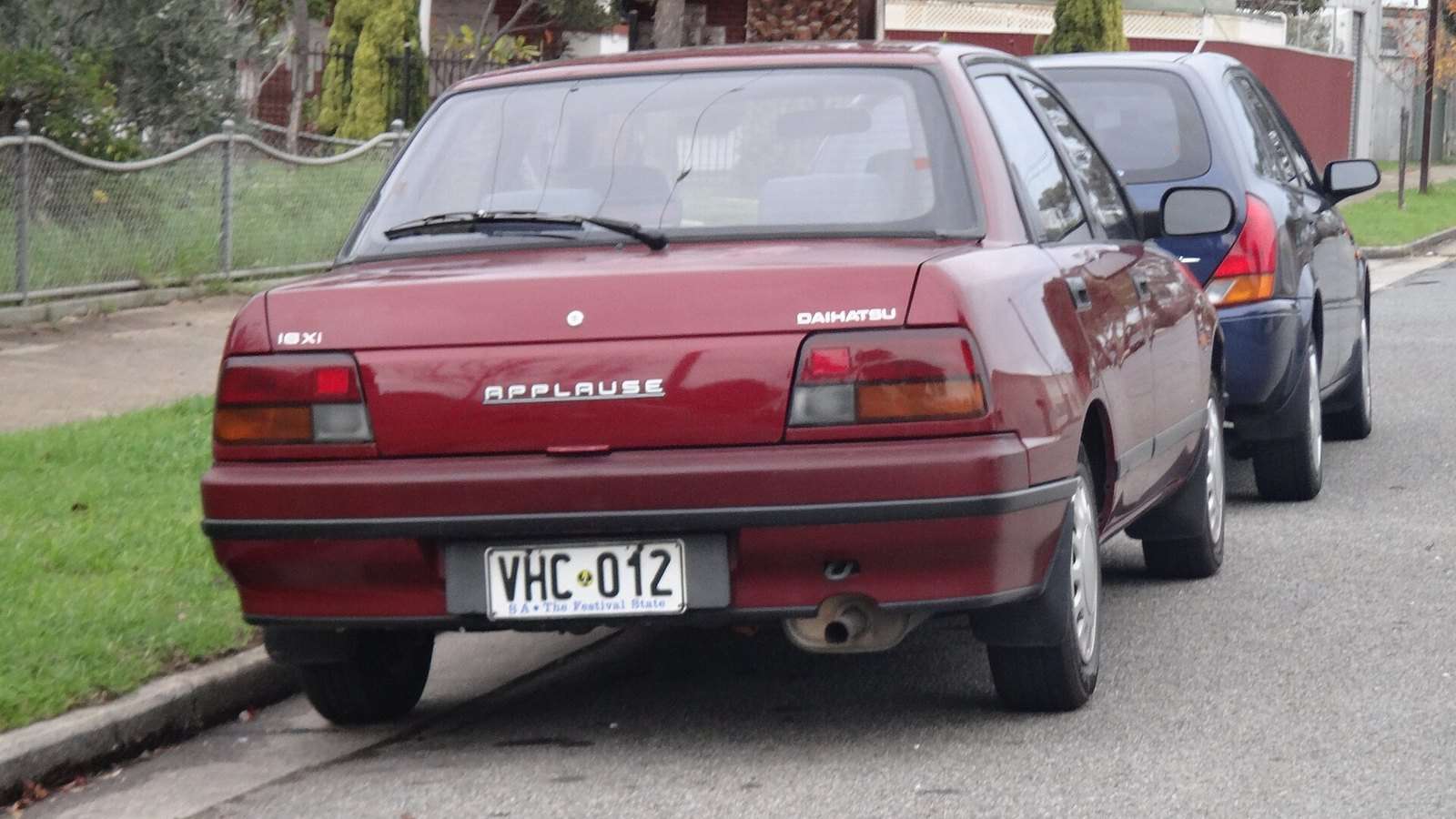
The Daihatsu Applause looked like a compact four-door saloon, yet its rear window and bootlid opened together as an enormous hatch. Daihatsu called this concealed arrangement the Super Lid. British cars arrived in 1990 with carburettor or fuel-injected 1.6-litre engines, followed by GXi and GLXi versions. The design was practical and technically interesting; rarity, corrosion and model-specific parts now dominate the buying decision.
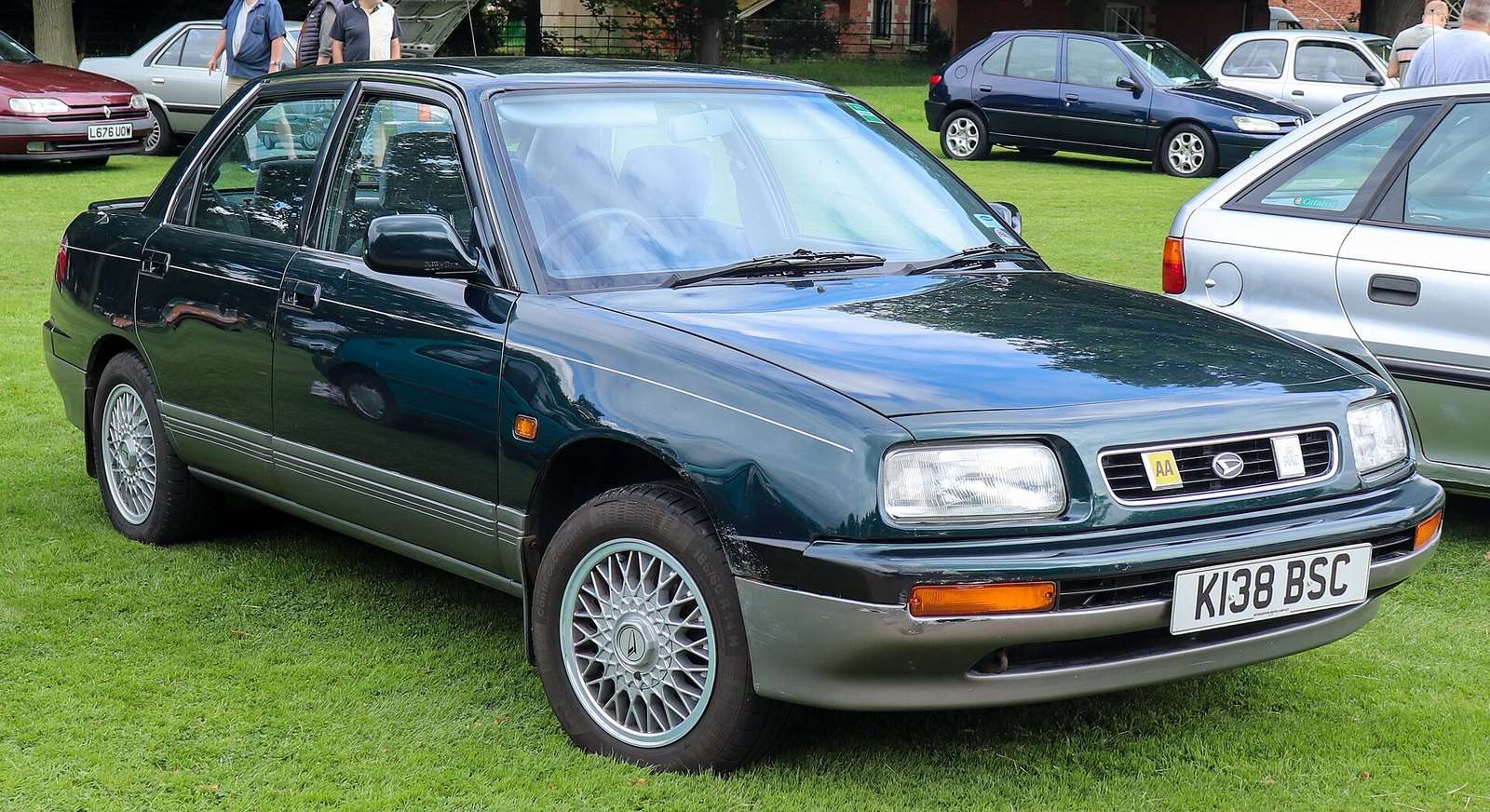
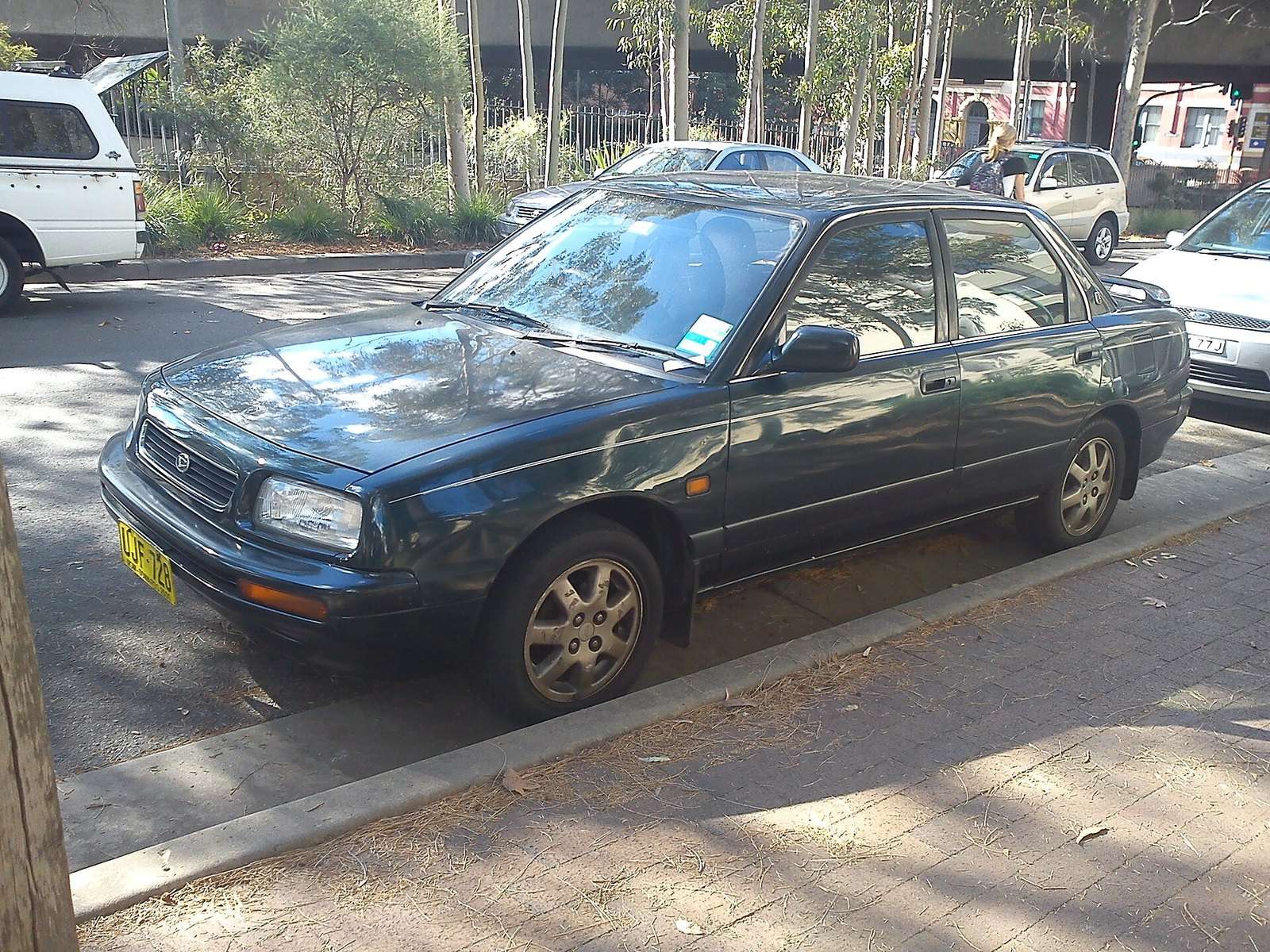
Featured image: 1993 UK-market Daihatsu Applause GLXi front three-quarter view. Photograph by Vauxford, CC BY-SA 4.0, via Wikimedia Commons; locally hosted.
The saloon that was really a hatchback
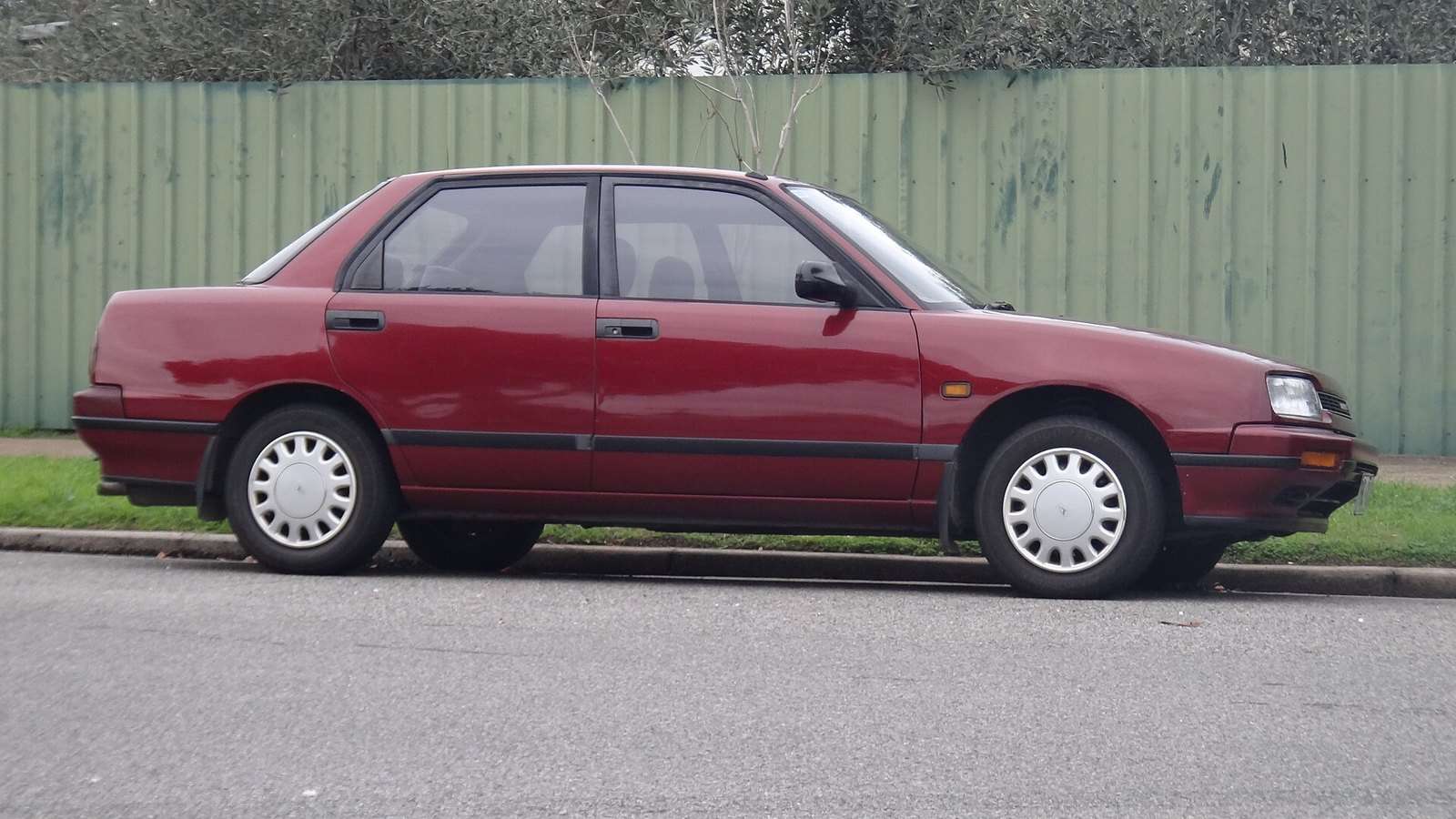
Daihatsu introduced the Applause in Japan in 1989 as the successor to the Charmant. The official catalogue described a three-box saloon with a large rear gate opening together with the window. In profile it kept the security-conscious appearance of a booted car, while the load opening and folding rear seat offered the usefulness of a hatchback.
British sales began in 1990. The concept anticipated later liftbacks such as the Skoda Octavia, but buyers were presented with a little-known badge and conservative styling against strong Rover, Ford, Vauxhall and Peugeot rivals. Period coverage found the car spacious and easy around town, though less refined when driven hard.
UK versions and 1.6-litre engine
Initial UK cars used a 1,589cc single-cam 16-valve four-cylinder. The 1.6 L had a carburettor, while the injected Xi produced about 105bhp for Britain. From 1993 the carburettor model disappeared and the range became GXi and better-equipped GLXi, both mechanically similar. UK sales ended in 1996 even though production continued elsewhere.
| UK version | Period | Key distinction |
|---|---|---|
| 1.6 L | 1990–1993 | Carburettor-fed entry model |
| 1.6 Xi | 1990–1993 | Fuel injection and catalytic converter |
| GXi | 1993–1996 | Later injected core model |
| GLXi | 1993–1996 | Higher equipment specification |
Japanese catalogues also list four-wheel-drive and higher-output derivatives. Those details should not be applied automatically to a UK front-wheel-drive car. Verify the VIN, transmission and original registration record.
Love cars you don’t see every day?
Get forgotten cars, surprising motoring stories and the most interesting finds from Unusual Cars by email.
Free to join. No spam. Unsubscribe whenever you like. See our privacy policy.
Super Lid, cabin and practicality
Open the rear carefully and inspect the hinges, struts, latch, wiring, seals and glass. The large assembly should rise smoothly and remain securely supported. Water staining in the boot, headlining or rear quarters suggests leaking seals or blocked drains. The unique glass and hardware are valuable because replacements are rare.
Check the split rear seat, parcel shelf and every piece of load-area trim. Test windows, mirrors, central locking, heater fan and rear wash/wipe. GLXi equipment can include alloy wheels and upgraded audio, but condition matters more than a complete options list. A well-preserved grey interior may look plain; a missing or broken one is surprisingly difficult to reconstruct.
Corrosion, suspension and brakes
Inspect sills, jacking points, inner and outer arches, floor seams, front and rear suspension mounts, subframes and brake pipes. Examine the windscreen surround and the entire hatch aperture. Fresh underseal may hide repairs, so look from inside and underneath. Rare-car status does not make weak welding acceptable.
The independent suspension should work quietly. Clonks, uneven tyre wear or vague steering suggest tired bushes, joints or dampers. Period road tests criticised the steering feel and composure, but a car that lurches, pulls or wanders has faults rather than historical character. Brake fade in old testing also makes fluid condition, hoses, discs, drums and calipers important.
Engine, timing belt and parts
Start the 1.6 cold and listen for top-end noise, exhaust leaks and slow oil-pressure warning extinction. Confirm the timing belt and tensioner have been replaced on time; absence of proof means budgeting for the job. Check the radiator, fan, water pump and hoses, and reject unexplained coolant loss or overheating.
Carburettor cars must start and idle cleanly without flat spots. Injected cars should show no warning lamps or hesitation. The manual gearbox should select cleanly and the clutch must not slip; an automatic needs prompt, smooth engagement. Service consumables remain findable through cross-referencing, but panels, lamps, Super Lid hardware and trim make a complete donor-quality car far more desirable.
Buying checklist
Inspect the structure and hatch aperture
Rust around load-bearing points or the unique rear opening is the first decision.
Demand timing-belt evidence
Replace the belt and related service items if the history is uncertain.
Value unique parts
A complete Super Lid, glass, lamps and interior can matter more than cosmetic paint quality.
Sources
- Daihatsu official Applause web catalogue
- Hagerty UK: Daihatsu Applause history and period-test context
- RAC Drive: UK Applause range history
- 1991 Daihatsu range brochure
Continue the Daihatsu story
Explore more inventive Japanese city cars, turbo hatchbacks and compact 4x4s in the complete Daihatsu hub.
Frequently asked questions
Was the Daihatsu Applause sold in the UK?
Yes. UK sales began in 1990 and ended in 1996.
Is the Applause a saloon or a hatchback?
It looks like a saloon, but the rear window and bootlid open together as a large hatch known as the Super Lid.
What engine did UK cars use?
UK models used a 1.6-litre 16-valve four-cylinder engine in carburettor and fuel-injected forms.
Which later UK versions were offered?
From 1993 the range centred on injected GXi and better-equipped GLXi versions.
What is the biggest ownership challenge?
Finding unique glass, hatch hardware, lamps, trim and body panels can be harder than routine mechanical servicing.