UNUSUAL CARS MODEL GUIDE
The 1997 Daihatsu Cuore was one of Britain’s smallest new cars, a light three- or five-door hatch with an 847cc three-cylinder engine. The range later gained a 1.0-litre engine, but its extraordinary footnote was the official UK allocation of the Avanzato TR-XX R4: a 659cc turbocharged, intercooled and four-wheel-drive kei-car derivative. Ordinary Cuores reward simplicity; an Avanzato demands proof of identity and specialist care.
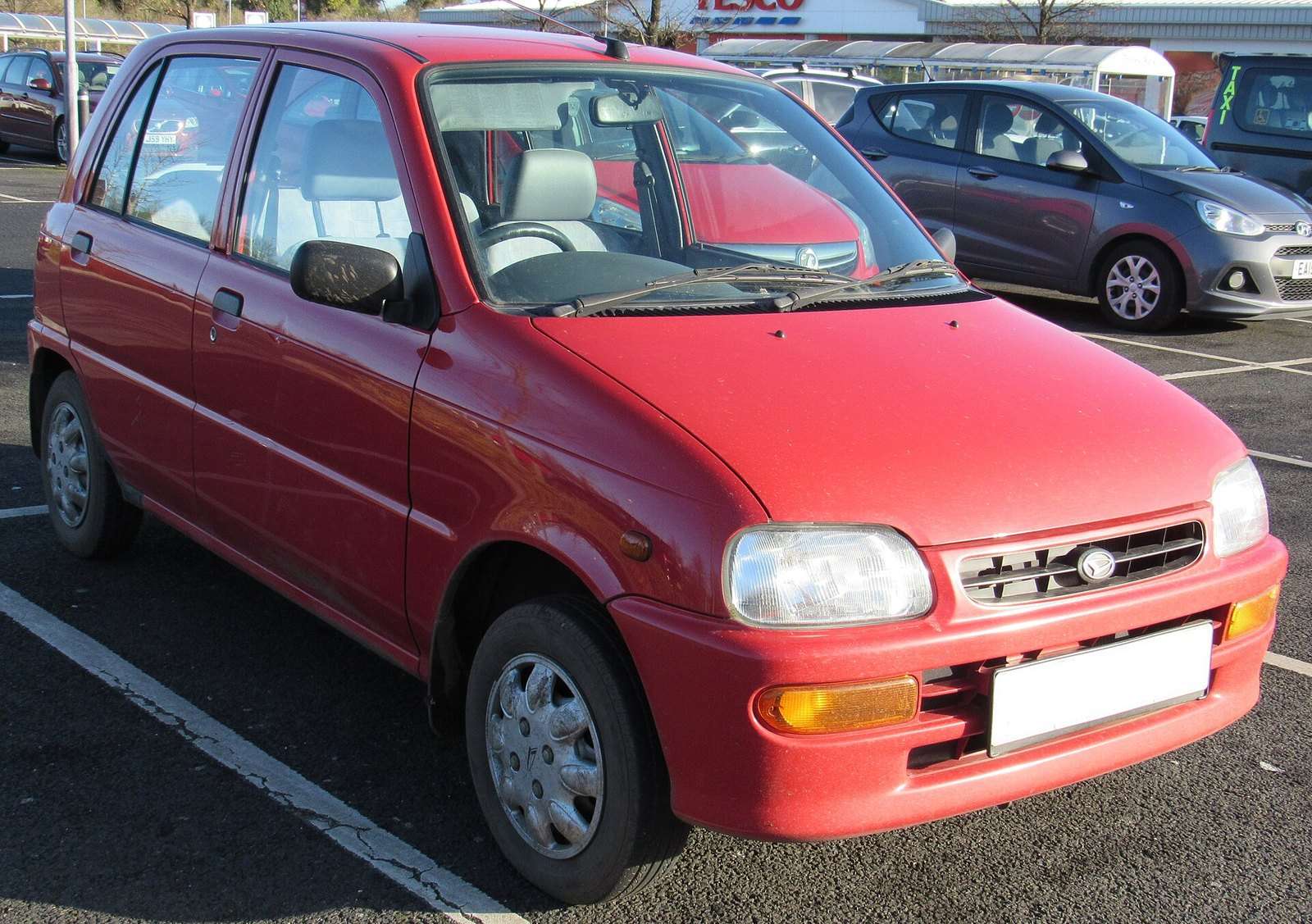
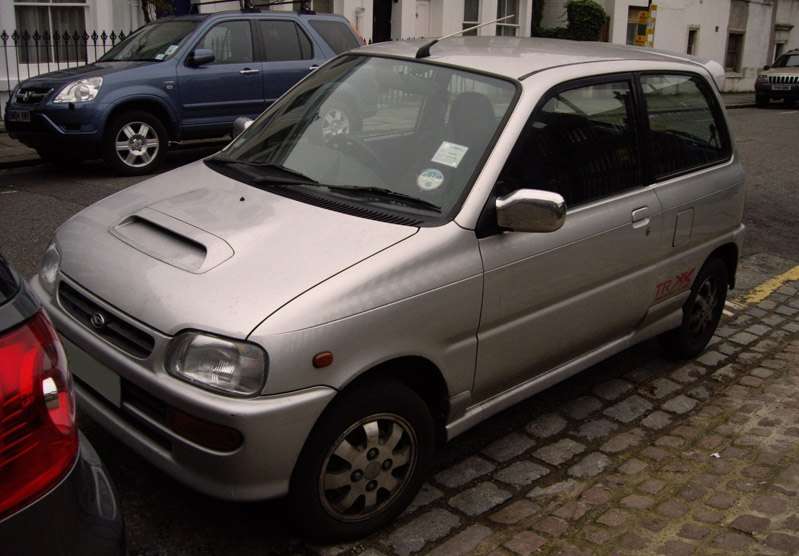
Featured image: 1998 UK-market Daihatsu Cuore Plus 850cc front three-quarter view. Photograph by Vauxford, CC BY-SA 4.0, via Wikimedia Commons; locally hosted.
Britain’s tiny Japanese hatchback
The Cuore arrived in Britain in summer 1997 in three-door base and five-door Cuore+ forms. It was the export relation of Daihatsu’s Mira kei car, widened and adapted for markets outside Japan. The 847cc three-cylinder engine produced only about 42bhp, but a kerb weight around 630kg made it lively in town and exceptionally easy to park.
A late-1998 revision brought a 989cc engine and improved equipment. Period AA and Independent tests found impressive space and economy for the size, alongside a choppy ride, noise and limited overtaking performance. Those traits are now part of the appeal: the Cuore is a highly economical mechanical object rather than a miniature luxury car.
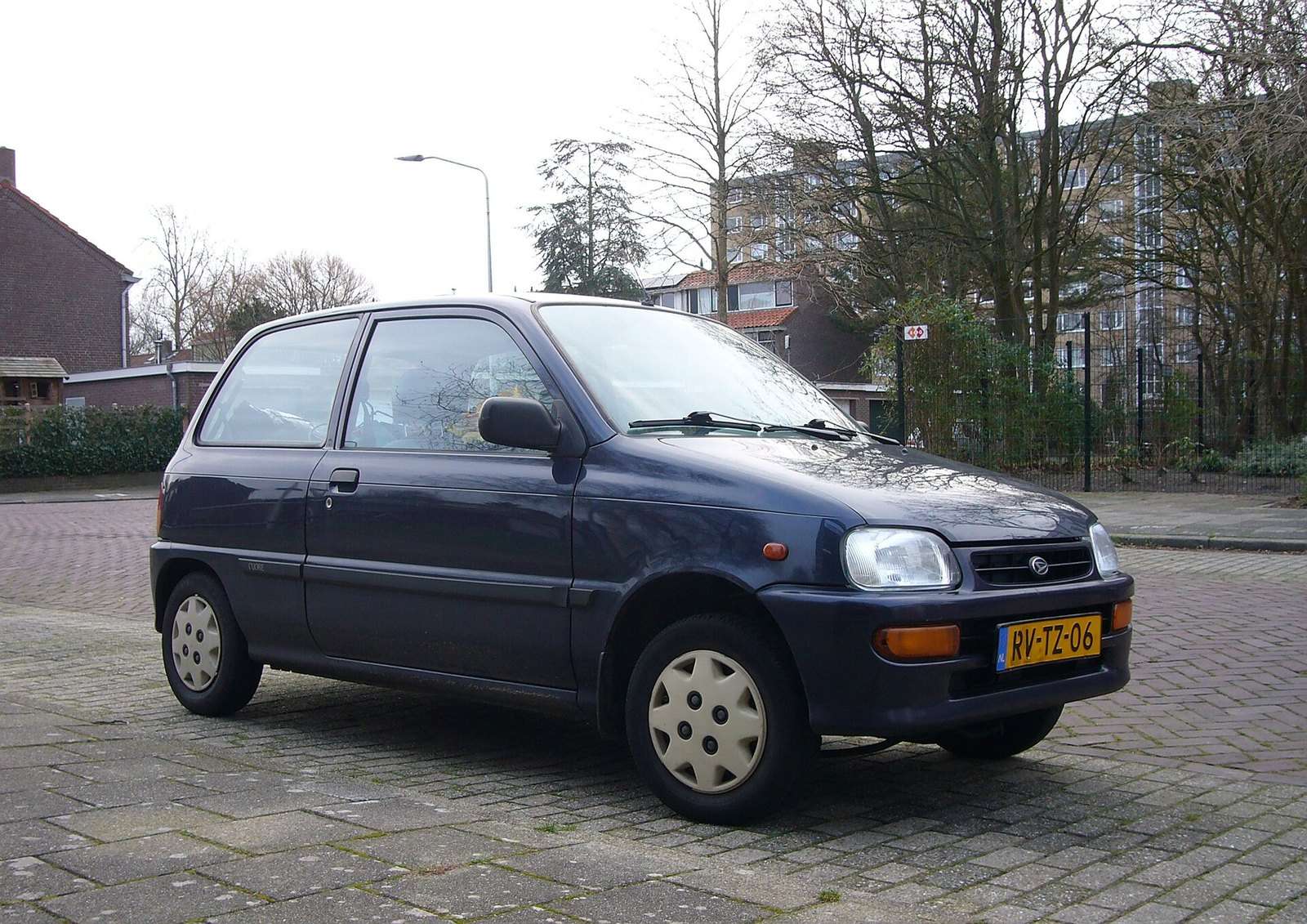
Cuore 850, 1.0 and Avanzato
| Version | Engine and drive | Character |
|---|---|---|
| Cuore 850 | 847cc three-cylinder, front-wheel drive | Lightest and simplest UK model |
| Cuore 1.0 | 989cc three-cylinder, front-wheel drive | Improved performance from the 1998 update |
| Avanzato TR-XX R4 | 659cc turbo three-cylinder, four-wheel drive | Limited official UK special introduced in 1997 |
Only a small number of Avanzatos were officially brought to Britain. Its intercooled turbo engine produced the Japanese kei-class limit of about 64PS, while permanent four-wheel drive and very low weight created performance out of proportion to the capacity. It is not simply a Cuore with a body kit.
Later private imports and ordinary Mir as can complicate advertisements. Use the chassis code, import or dealer paperwork, registration history and physical drivetrain to establish exactly what is being sold.
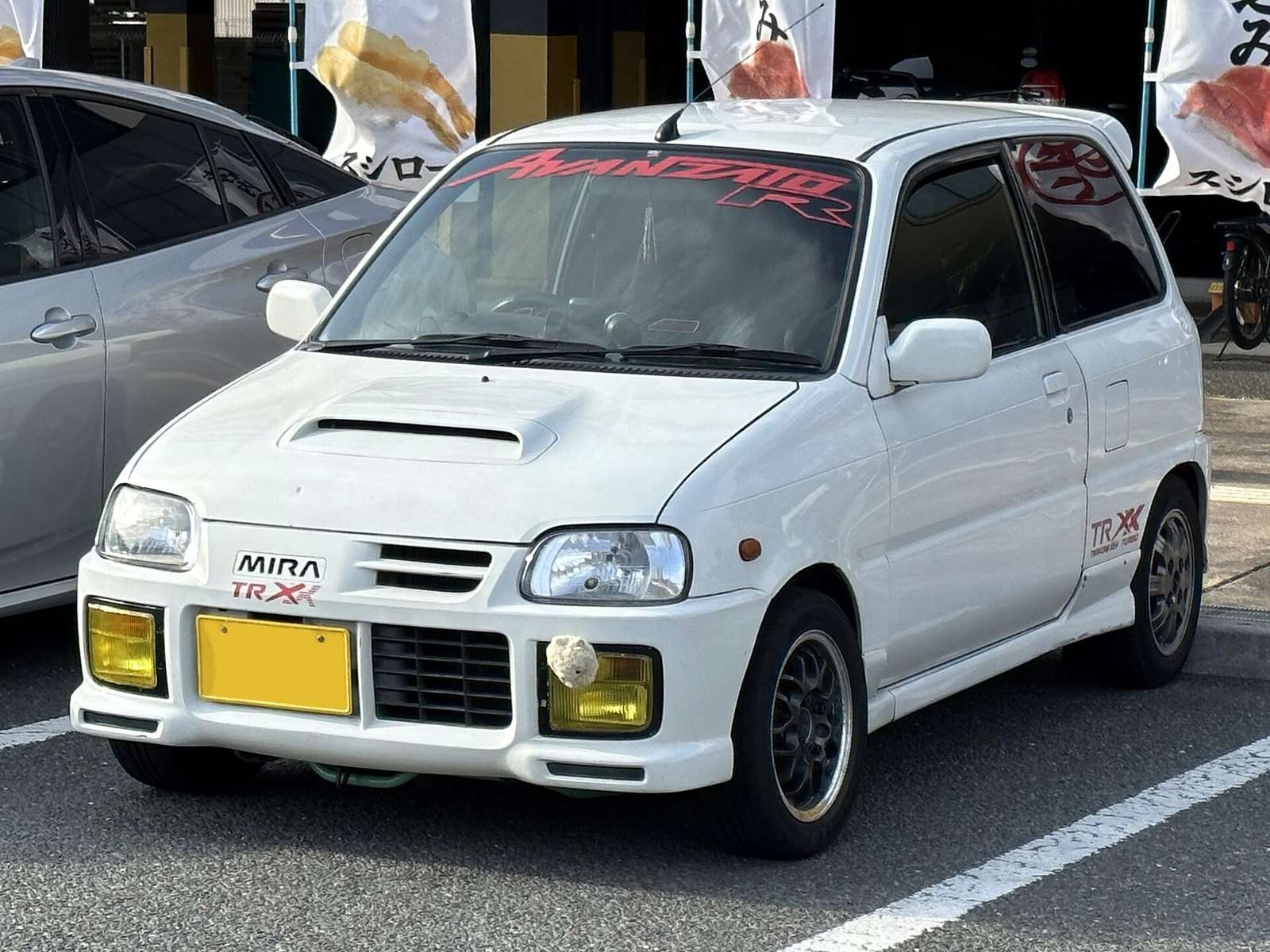
Love cars you don’t see every day?
Get forgotten cars, surprising motoring stories and the most interesting finds from Unusual Cars by email.
Free to join. No spam. Unsubscribe whenever you like. See our privacy policy.
Body and corrosion
Inspect sills, jacking points, floor seams, front and rear suspension mounts, inner arches, rear spring areas and the boot floor. Check the base of the windscreen, door bottoms and tailgate. A very light shell cannot tolerate casual structural repair, and replacement panels are scarce.
Compare panel gaps and look for paintwork that hides accident damage. Avanzatos were often used enthusiastically, so inspect the front structure, turrets and rear floor for distortion. Lift the carpets and check for damp. Completeness matters: lamps, glass, seats, trim, spoilers and original wheels can be more difficult to replace than ordinary filters or brake pads.
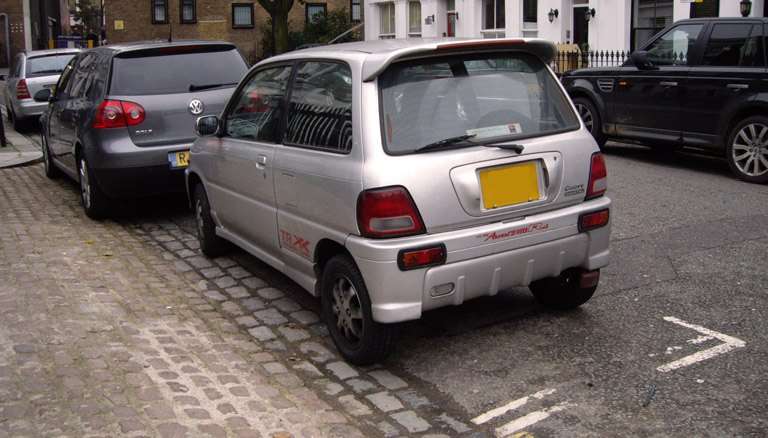
Engines, cooling and transmission
Start an 850 or 1.0 from cold. The three-cylinder engine should fire promptly, maintain oil pressure and settle without smoke or persistent knocking. Check oil-change evidence, coolant condition, radiator, fan and hoses. A small engine working hard on faster roads suffers quickly when servicing is ignored.
On an Avanzato, allow the turbo engine to warm fully before testing boost. Watch for smoke after idling, oil leaks, misfires, overheating and non-standard boost controls. The gearbox should select every ratio cleanly. Listen to the transfer and differentials, examine driveshaft boots and confirm all four tyres match closely in size and wear. Binding or whining is not an acceptable quirk.
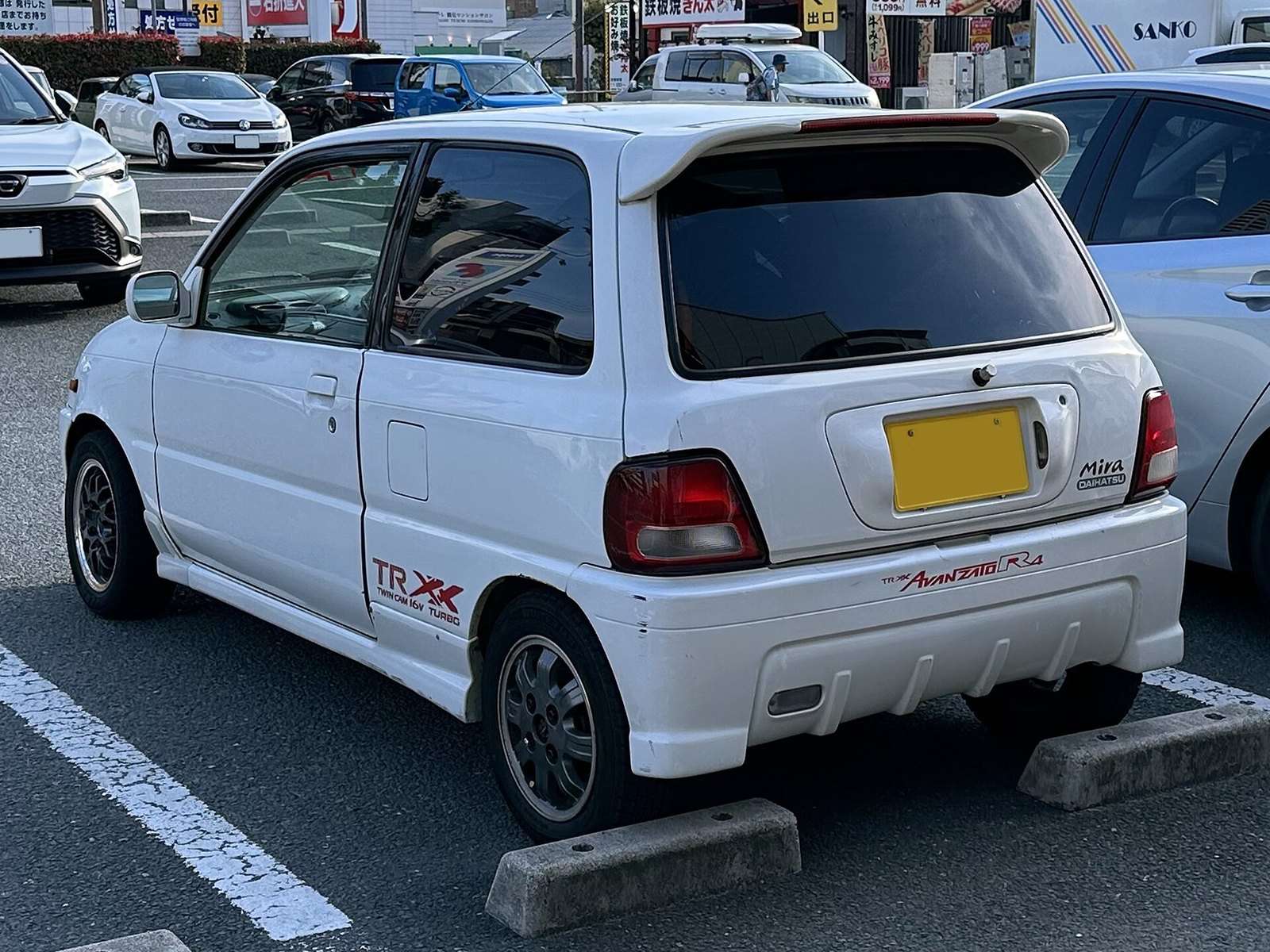
Road test, brakes and ownership
An ordinary Cuore should feel light rather than loose. Excessive wandering, wheel-bearing rumble, suspension knocks or brake pull indicate wear. Automatic versions need prompt engagement and smooth operation; the AA noted that the three-speed automatic changed the car’s performance and economy, so test it in traffic and on an incline.
The Avanzato should be urgent and composed, not harsh, smoky or noisy through the driveline. Modified suspension can ruin geometry, and oversized wheels add load to bearings. Specialist clubs and Japanese parts sources are invaluable. Record every part number and retain original components, because returning a modified car to factory specification can be a long project.
Buying checklist
Establish the exact model first
Cuore, Mira and Avanzato badges can be moved; chassis and drivetrain evidence cannot.
Put corrosion ahead of mileage
A sound light shell is the foundation of a worthwhile car.
Treat an Avanzato as a specialist performance car
Turbo, four-wheel-drive and model-specific parts need informed inspection and documentation.
Sources
- Daihatsu: corporate product history from 1995
- AA: 1999 Cuore automatic full test
- The Independent: 1998 Cuore road test
- RAC Drive: UK Cuore and Avanzato history
- Daihatsu: company history and model-name record
Continue the Daihatsu story
Explore more inventive Japanese city cars, turbo hatchbacks and compact 4x4s in the complete Daihatsu hub.
Frequently asked questions
Was the Daihatsu Cuore sold in Britain?
Yes. The 1997 generation was sold in the UK as three-door Cuore and five-door Cuore+ models, initially with an 847cc engine.
Was the Avanzato TR-XX R4 officially sold in the UK?
Yes. A limited number were introduced through the UK network from October 1997.
What engine does the Avanzato use?
It uses a 659cc turbocharged and intercooled three-cylinder engine producing about 64PS.
Is every Mira TR-XX an Avanzato R4?
No. Mira performance versions differed by generation and drivetrain; the R4 designation identifies the four-wheel-drive derivative.
What is hardest to replace?
Avanzato-specific drivetrain, body, trim and interior parts are considerably harder to find than routine service items.