UNUSUAL CARS MODEL GUIDE
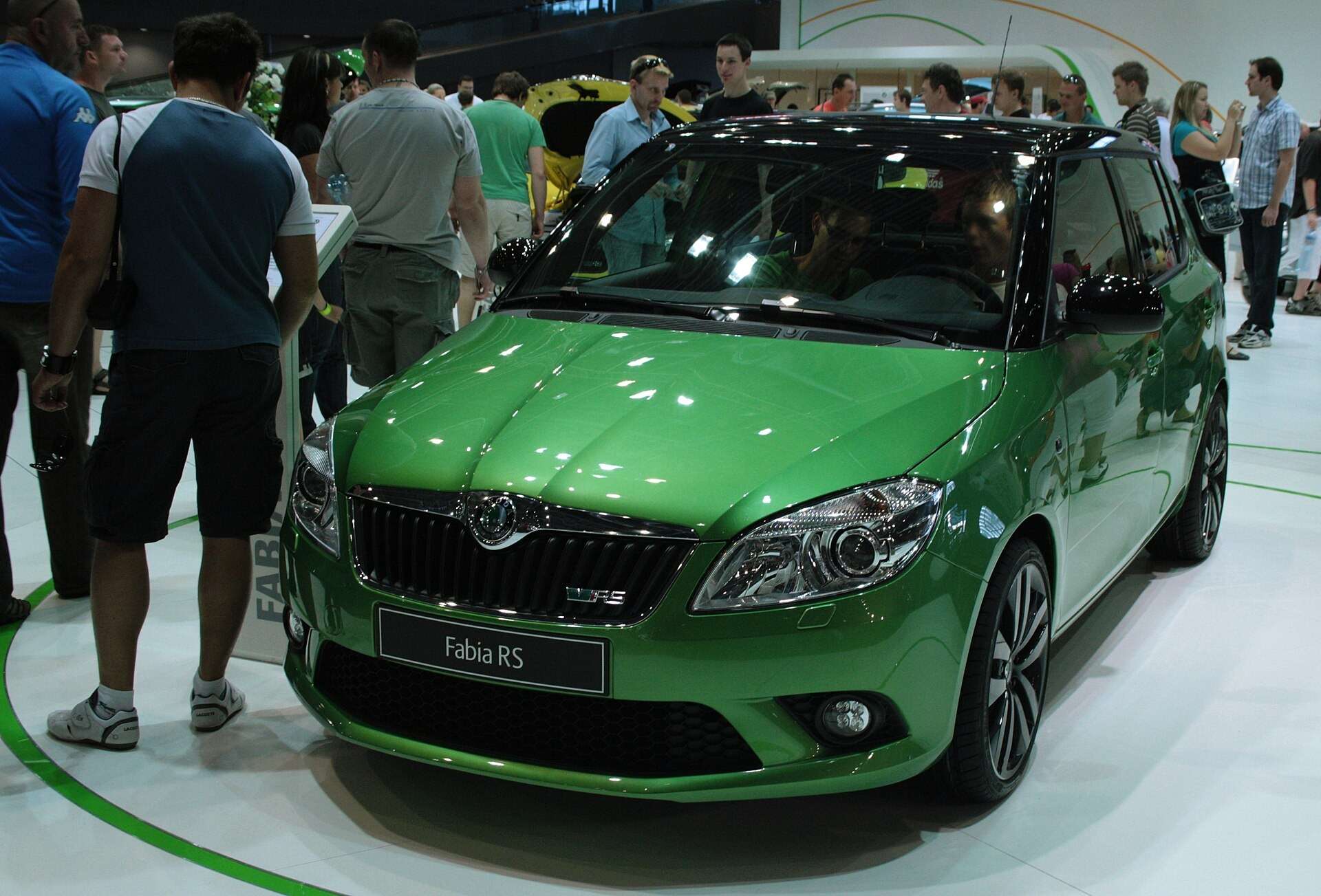
The second-generation Škoda Fabia vRS was Britain’s small twincharged performance Škoda. Launched here in 2010 as both a hatchback and an unusually rare estate, it paired a 180 PS 1.4 TSI engine with a seven-speed DSG gearbox. It was quicker and more technically ambitious than the diesel Mk1, but that complexity now defines the buying decision.
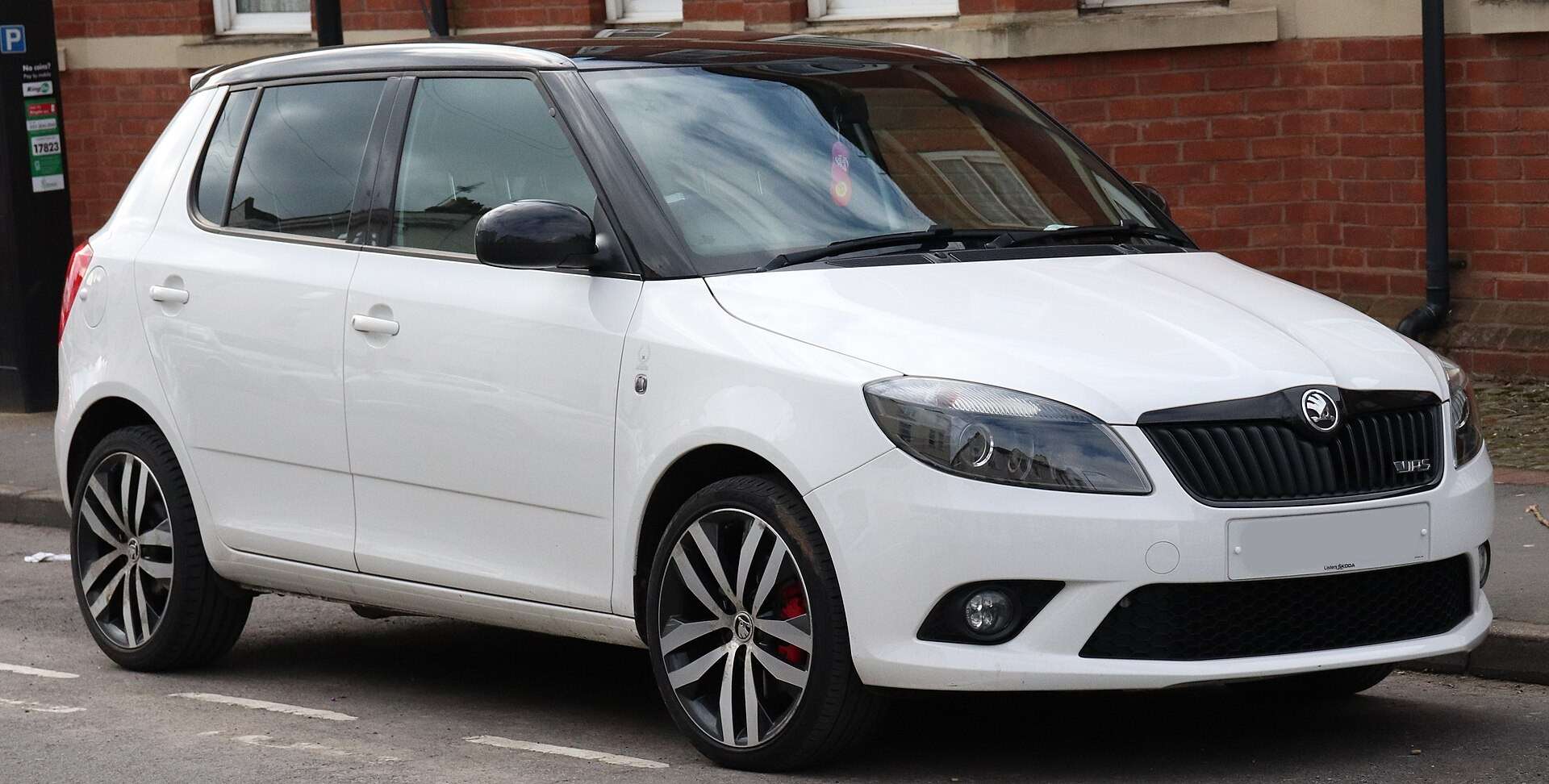
Featured image: 2013 UK-market Škoda Fabia vRS Mk2. Photograph by Vauxford, CC BY-SA 4.0, via Wikimedia Commons; locally hosted.
From diesel torque to twincharging
The original Fabia vRS used a 1.9-litre diesel and manual gearbox. Its successor took the opposite route: a small petrol engine used a supercharger at low speed and a turbocharger at higher load, attempting to combine immediate response with strong top-end power.
Škoda UK records the second-generation Fabia as running from 2007 to 2014, with vRS joining in 2010. The performance model was officially available as a hatch and estate, making the Combi one of the most unusual factory hot estates sold in Britain.

Engine, gearbox and performance
| Item | UK-market specification |
|---|---|
| Engine | 1.4-litre TSI petrol with supercharger and turbocharger |
| Output | 180 PS |
| Transmission | Seven-speed DSG, front-wheel drive |
| 0–62 mph | 7.3 seconds |
| Top speed | 139 mph hatch; 140 mph estate |

Hatch and estate
The hatch is the obvious hot-hatch shape, but the estate gives the model its rare-and-forgotten distinction. It retains the same 180 PS drivetrain while adding a longer roof and more useful luggage area. UK survivors often wear option wheels, contrasting roofs or later cosmetic changes, so factory build information is worth checking.
Love cars you don’t see every day?
Get forgotten cars, surprising motoring stories and the most interesting finds from Unusual Cars by email.
Free to join. No spam. Unsubscribe whenever you like. See our privacy policy.
How twincharging works
The mechanically driven supercharger supplies boost before the exhaust-driven turbocharger is fully effective. Control hardware blends and then disengages the supercharger as engine speed rises. When healthy the transition feels strong and progressive; hesitation, surging or warning lamps need proper diagnosis rather than parts swapping.

Buying guide
Oil consumption and compression
Establish how often oil has been added and whether any piston, ring or engine work is documented. Check the level before the test drive, inspect the exhaust after overrun and acceleration, and arrange compression or leak-down testing if consumption is unclear. A clean tailpipe does not prove the engine is sound.
Timing chain, ignition and cooling
Listen from cold for chain rattle and check the service record for tensioner or chain work. Misfires can involve plugs, coils, injectors or mechanical condition. Inspect the water pump, thermostat housing, hoses and coolant quality, and make sure both the supercharger and turbocharger deliver smoothly.
DSG transmission
The seven-speed dual-clutch gearbox should select drive and reverse promptly, creep smoothly and change consistently when cold and fully warm. Judder, hesitation or warning messages need specialist investigation. Software updates and repairs should be supported by invoices.

Suspension, brakes and body
Check springs, dampers, bushes, wheel bearings and tyre wear. Large wheels are easily damaged and poor tyres spoil the chassis. Inspect the sills, floor edges, tailgate, bonnet and panel gaps, then test air conditioning, windows, central locking, infotainment and every warning lamp.
Why it remains interesting
The Mk2 vRS represents a brief engineering fashion for downsized, highly boosted engines paired only with dual-clutch transmissions. It is also the only Fabia vRS generation offered as an estate. That combination gives it stronger historical interest than its sales numbers suggested at the time.
UK-market evidence and sources
Continue the Škoda story
The twincharged Mk2 was a complete change from the diesel original. Explore the complete Škoda hub, then compare the Fabia vRS Mk1 diesel, then continue with the Octavia vRS Mk2.
Frequently asked questions
Was the Škoda Fabia vRS Mk2 sold in Britain?
Yes. Škoda UK sold the second-generation Fabia vRS from 2010 in both hatchback and estate forms.
What engine is in the Fabia vRS Mk2?
It uses a 1.4-litre TSI four-cylinder with both a supercharger and a turbocharger, rated at 180 PS.
Was a manual gearbox offered?
No UK Mk2 vRS used a manual gearbox; the model was paired with a seven-speed DSG dual-clutch transmission.
How fast is it?
Škoda UK quoted 0–62 mph in 7.3 seconds and top speeds of 139 mph for the hatch and 140 mph for the estate.
What are the main buying concerns?
Oil consumption, timing-chain condition, misfires, supercharger and turbo operation, cooling, DSG behaviour and evidence of careful servicing are the priorities.