UNUSUAL CARS MODEL GUIDE
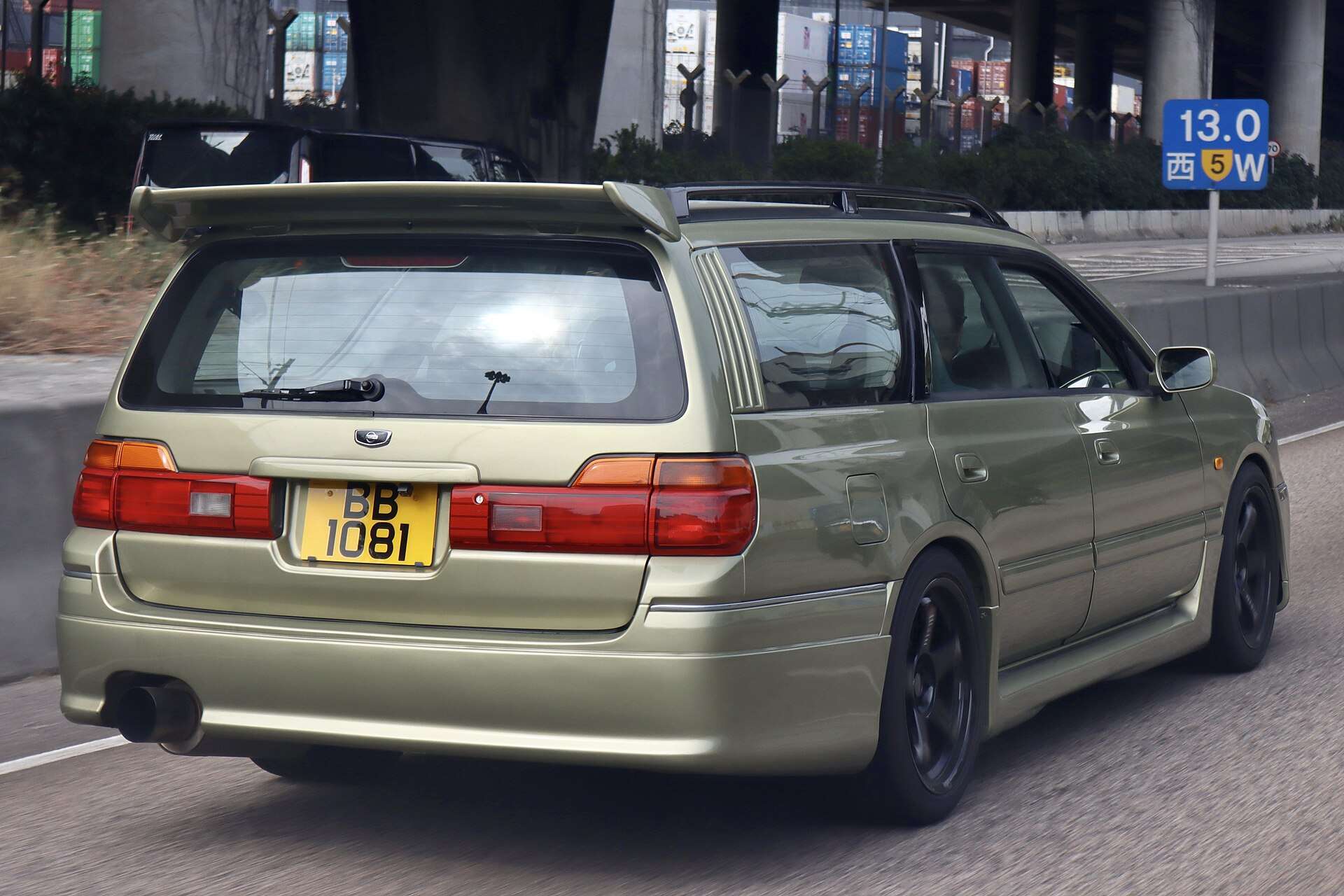
The Nissan Stagea 260RS Autech is the factory-built performance flagship of the first-generation WC34 Stagea estate. Introduced in 1997, it combined the RB26DETT twin-turbo straight-six, ATTESA E-TS four-wheel drive, a five-speed manual gearbox and extensively upgraded body and chassis hardware.
From prestige wagon to Autech flagship
Nissan launched the Stagea in 1996 as a “prestige touring wagon”. Autech Japan created the 260RS in 1997 by installing GT-R-related running gear and strengthening the estate body and chassis. Nissan Heritage describes its constitution—electronic Super HICAS and torque-split four-wheel drive included—as close to the Skyline GT-R.
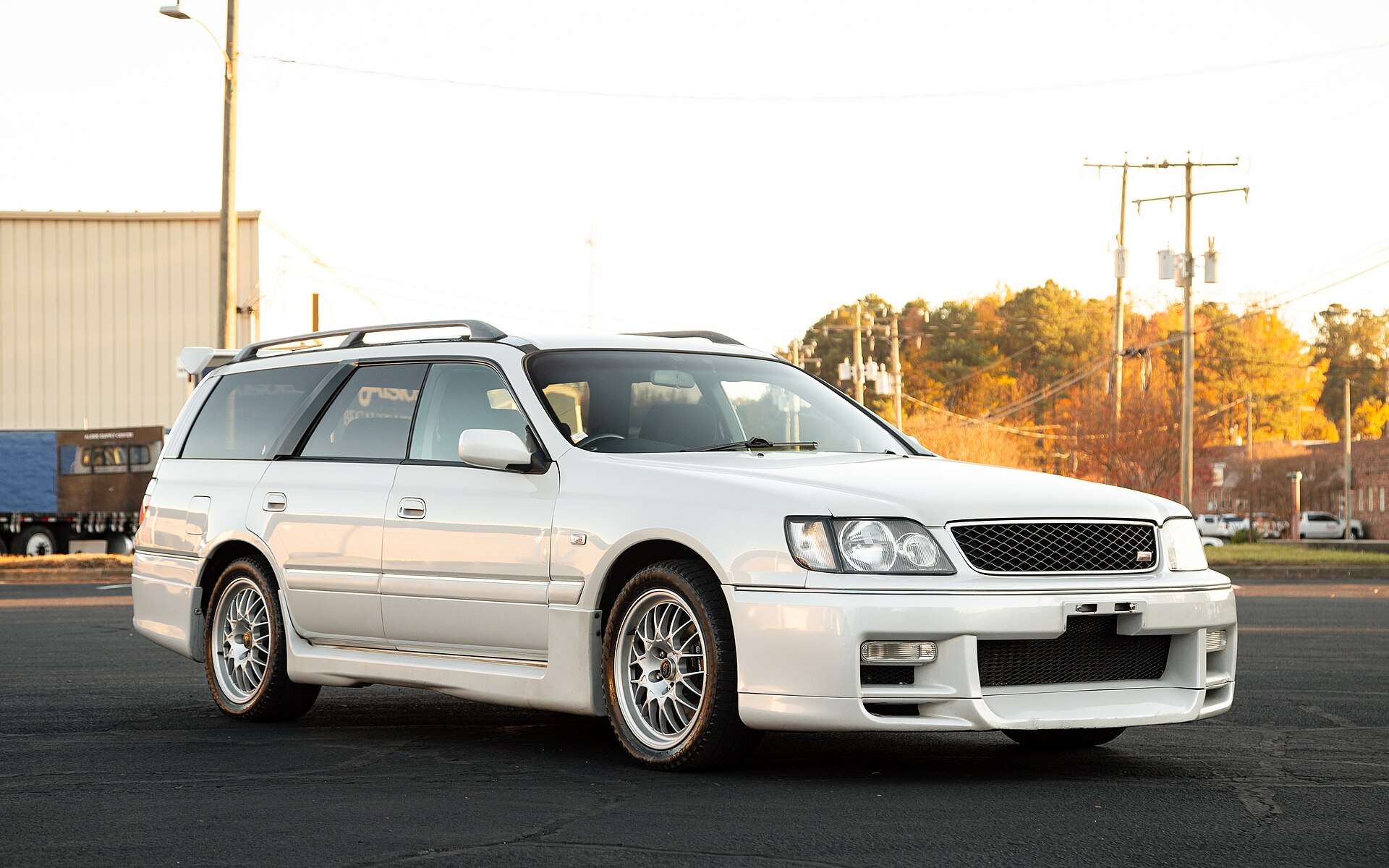
The “260” in the name refers to the RB26 engine family rather than an output figure. Nissan’s Heritage narrative states 280PS, while the numerical table currently displayed on the same page contains an inconsistent 200PS entry. That conflict should be acknowledged rather than copied without qualification.
Stagea 260RS specification
| Item | 260RS Autech |
|---|---|
| Chassis | WGNC34 Stagea, developed and assembled by Autech Japan |
| Engine | RB26DETT 2,568cc twin-turbo inline-six |
| Quoted output | 280PS in Nissan’s Heritage narrative; verify period documents because the current online table is inconsistent |
| Transmission | Five-speed manual |
| Drive | ATTESA E-TS electronically controlled four-wheel drive |
| Chassis systems | Multi-link suspension, Super HICAS, upgraded brakes and reinforced body |

Series 1 and later Series 2 cars differ in exterior and detail specification. Imported examples may also have replacement bumpers, headlights or complete front-end conversions. Confirm the build date and original Autech configuration.
Love cars you don’t see every day?
Get forgotten cars, surprising motoring stories and the most interesting finds from Unusual Cars by email.
Free to join. No spam. Unsubscribe whenever you like. See our privacy policy.
RB26DETT engine and cooling
Use the same caution applied to any ageing RB26. Start from cold, check oil pressure, compression, smoke, crankcase breathing, coolant condition and evidence of timing-belt, tensioner and water-pump renewal. The estate’s weight and restricted engine bay make a healthy cooling system especially important.
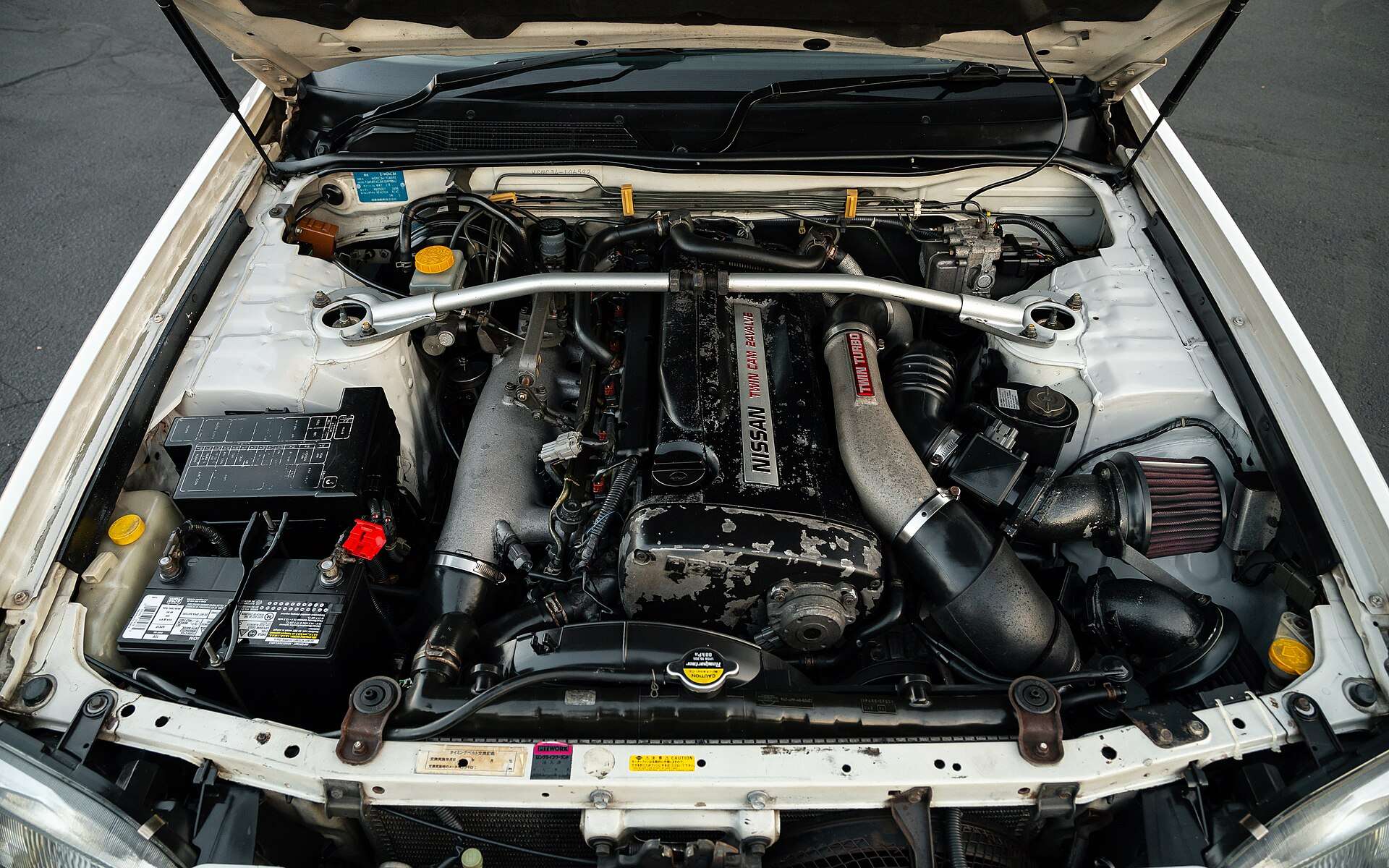
Many cars have upgraded turbochargers, fuelling, intercoolers and engine management. Require invoices and a safe calibration. Modifications should not obscure original identity or make routine service access impossible.
Transmission, ATTESA and suspension
The five-speed manual should shift cleanly without heavy synchro wear. Check clutch, transfer case, differentials, propshafts and driveshafts. ATTESA and HICAS warning lights must behave correctly, and all four tyres should match in size and rolling circumference.

Inspect dampers, bushes, wheel bearings, steering joints and brakes. Stageas are heavy and may have carried loads or towed in ordinary use; 260RS examples may also have been driven hard. A quiet test drive on smooth and broken surfaces is essential.
Rust, estate-body checks and identity
Inspect sills, jacking points, floor seams, front chassis legs, strut towers, rear arches, tailgate aperture, boot floor and rear suspension mounts. Lift the luggage-floor panels and check for water ingress. Tailgate alignment and rear-quarter repairs can reveal accident damage.

Model-specific bumpers, skirts, seats, instruments and Autech details are difficult to replace. Compare the car with period references and check the Japanese chassis number, export certificate, import documents and UK registration history.
R34 front conversions and archive cars
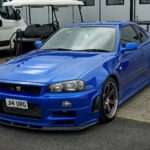
The Stagea’s relationship with Skyline running gear encouraged owners to install R34-style front panels. These can be striking builds but they are not factory 260RS evidence. The site’s earlier R34-front Stagea and modified RS4S remain individual case studies, while this page covers the production Autech model.

A well-executed conversion can still be valuable, but inspect panel mounting, crash structure, lighting, cooling airflow and documentation. Never allow the front appearance to replace a chassis-level identity check.
Sources and further reading
- Nissan Heritage Collection: Stagea Autech Version 260RS
- Nissan Heritage Collection: 1990s timeline
- Unusual Cars archive: R34-front Stagea case study
- Unusual Cars archive: modified Stagea RS4S
Continue the Nissan story
The 260RS translates GT-R-related running gear into a practical estate, making it one of Nissan’s most unusual performance cars. Explore the complete Nissan hub and read the R34 GT-R guide.
Frequently asked questions
Is the Nissan Stagea 260RS a factory model?
Yes. It was developed by Autech Japan as the high-performance Stagea flagship with strengthened body and chassis hardware.
What engine is in the Stagea 260RS?
It uses the 2,568cc twin-turbo RB26DETT inline-six associated with the Skyline GT-R.
Does a 260RS have four-wheel drive?
Yes. It uses the electronically controlled ATTESA E-TS torque-split four-wheel-drive system.
Is an R34-front Stagea a 260RS?
Not necessarily. R34 front conversions can be fitted to other Stagea grades. Check the WGNC34 identity, Autech equipment and documentation.
What should be checked before buying a 260RS?
Verify identity and import history, inspect corrosion and repairs, then test the RB26, cooling system, gearbox, ATTESA, HICAS, brakes and suspension.