UNUSUAL CARS MODEL GUIDE
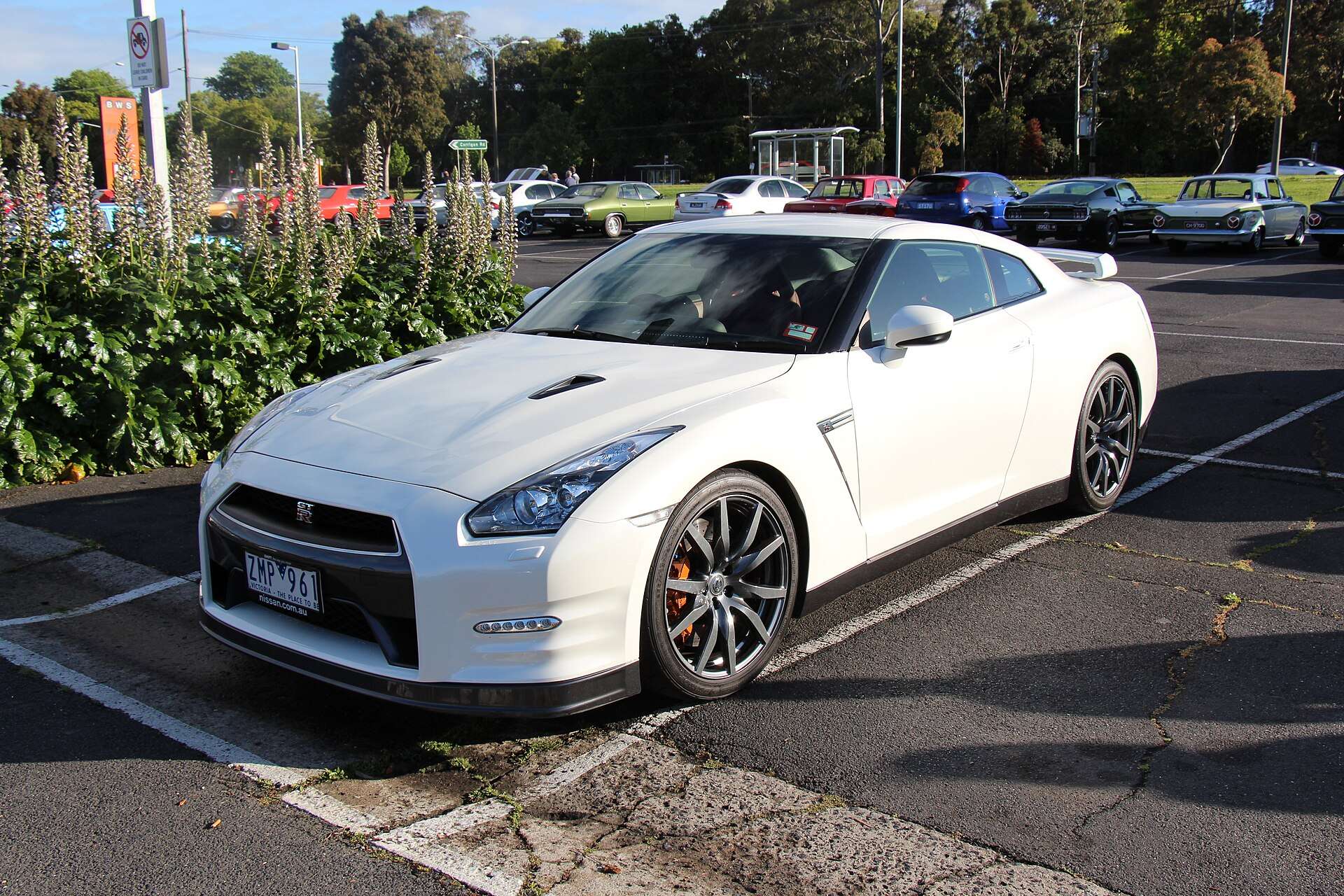
The Nissan GT-R R35 replaced the Skyline GT-R as Nissan’s independent technology flagship. Revealed in October 2007, it paired a hand-assembled 3.8-litre VR38DETT twin-turbo V6 with a rear-mounted six-speed GR6 dual-clutch transaxle and electronically controlled four-wheel drive.
Why the R35 was different
Nissan deliberately dropped the Skyline name. Its new Premium Midship package placed the engine in front and the transmission at the rear, linking them with a carbon-composite propeller shaft. Nissan quoted 480PS and 588Nm for the 2007 Japanese launch car, but later revisions increased output and altered launch control, dampers, aerodynamics and cooling.
The car’s performance came from integration rather than one component: the VR38 engine, GR6 transaxle, ATTESA E-TS four-wheel drive, Bilstein DampTronic suspension, large brakes and carefully managed aerodynamics worked as a system. That integration is also why diagnosis by a genuine GT-R specialist matters.
R35 generations and important versions
| Period or version | What changed |
|---|---|
| 2007–2010 launch cars | Original body and 480PS launch specification; annual software and mechanical revisions began immediately. |
| 2011 model update | Revised bumpers, aerodynamics, suspension, wheels and higher output; the easiest visual break in the early timeline. |
| 2017 model update | Substantially revised cabin, styling and refinement while retaining the VR38/GR6 layout. |
| Black Edition and Track Edition | Equipment and chassis-focused derivatives whose exact specification varies by year and market. |
| GT-R Nismo | Factory Nismo flagship with aerodynamic, chassis and engine revisions; provenance and originality strongly affect value. |
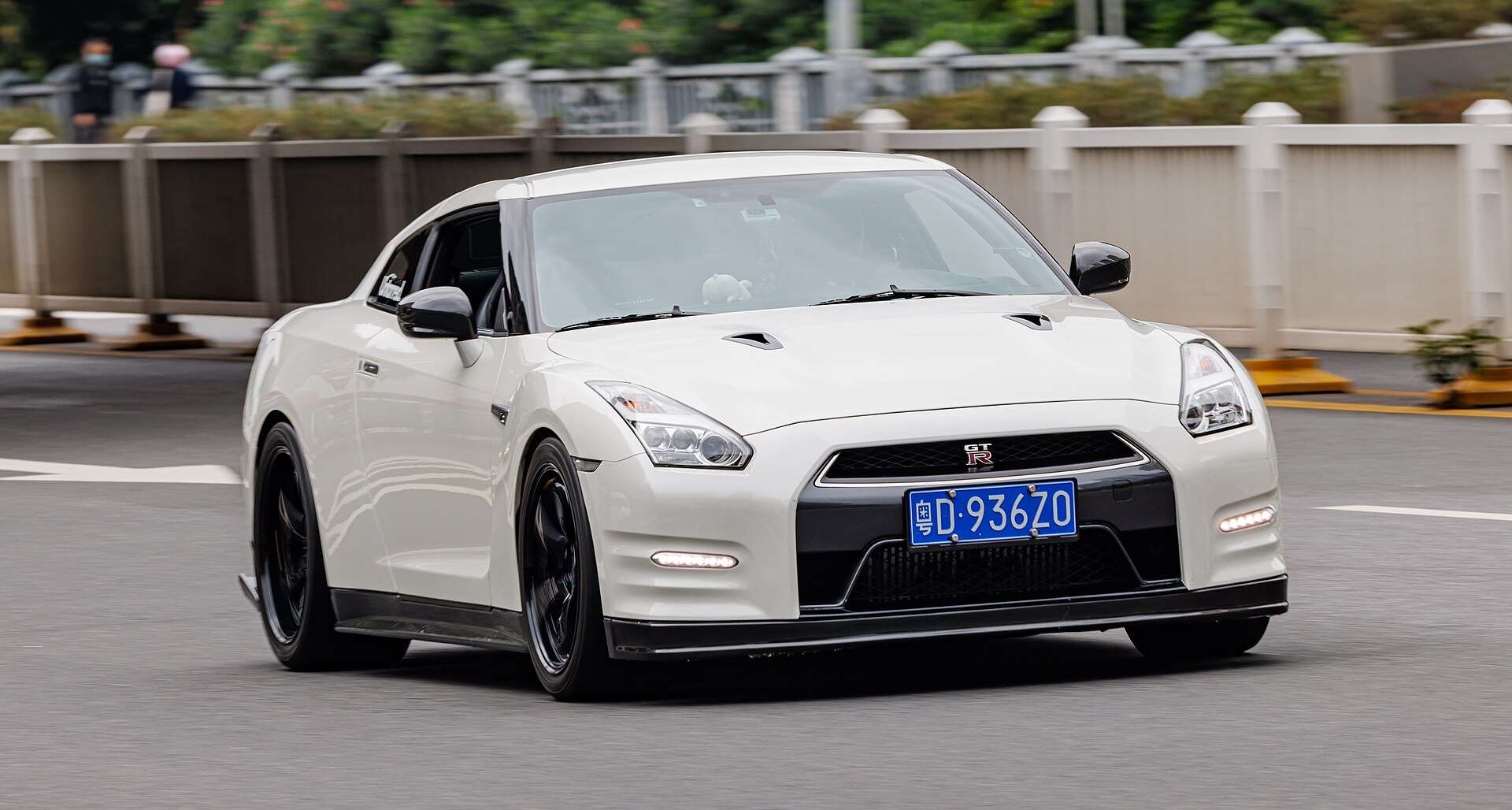
A badge does not prove a special edition. Compare the chassis number, market code, build date, original equipment and invoices with reliable model-year information.
Love cars you don’t see every day?
Get forgotten cars, surprising motoring stories and the most interesting finds from Unusual Cars by email.
Free to join. No spam. Unsubscribe whenever you like. See our privacy policy.
VR38DETT engine checks
Insist on a cold start. Check oil and coolant levels, smoke, misfires, boost control, fuel trims and service records. Modified cars need evidence for injectors, pumps, turbochargers, intercoolers and calibration. A claimed output without dyno documentation and supporting hardware is not a specification.
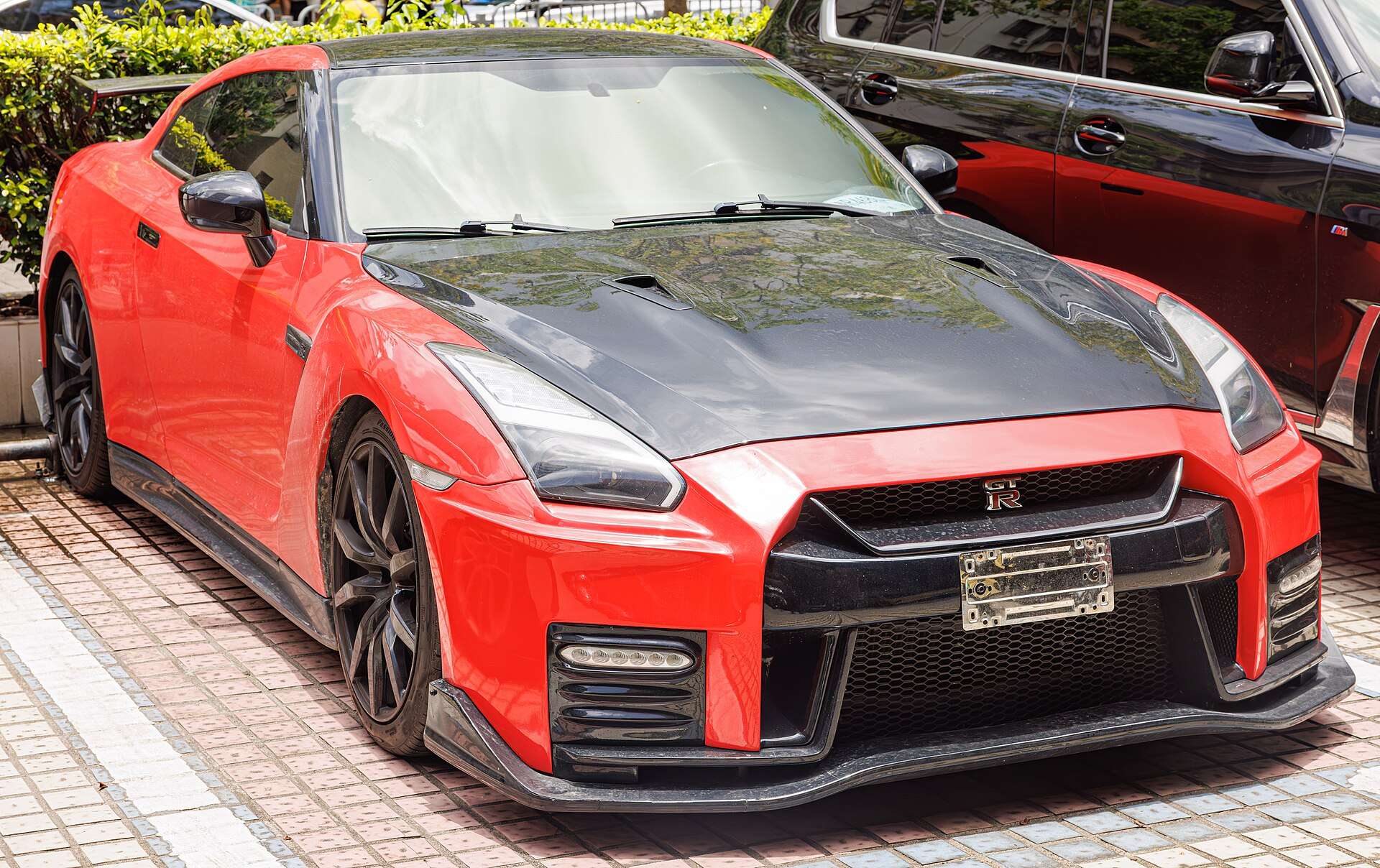
Oil specification, warm-up practice and service intervals matter. Look for coolant leaks, split hoses, exhaust damage and heat-related deterioration. Compression or leak-down testing is sensible where mileage, tuning history or symptoms justify it.
GR6 transmission and four-wheel drive
The GR6 is a defining part of the car and a major potential expense. Test from cold and hot in automatic and manual modes. Harshness alone is not a diagnosis, but warning lights, refusal to select gears, abnormal bearing noise, clutch judder or a poor service history require specialist investigation.
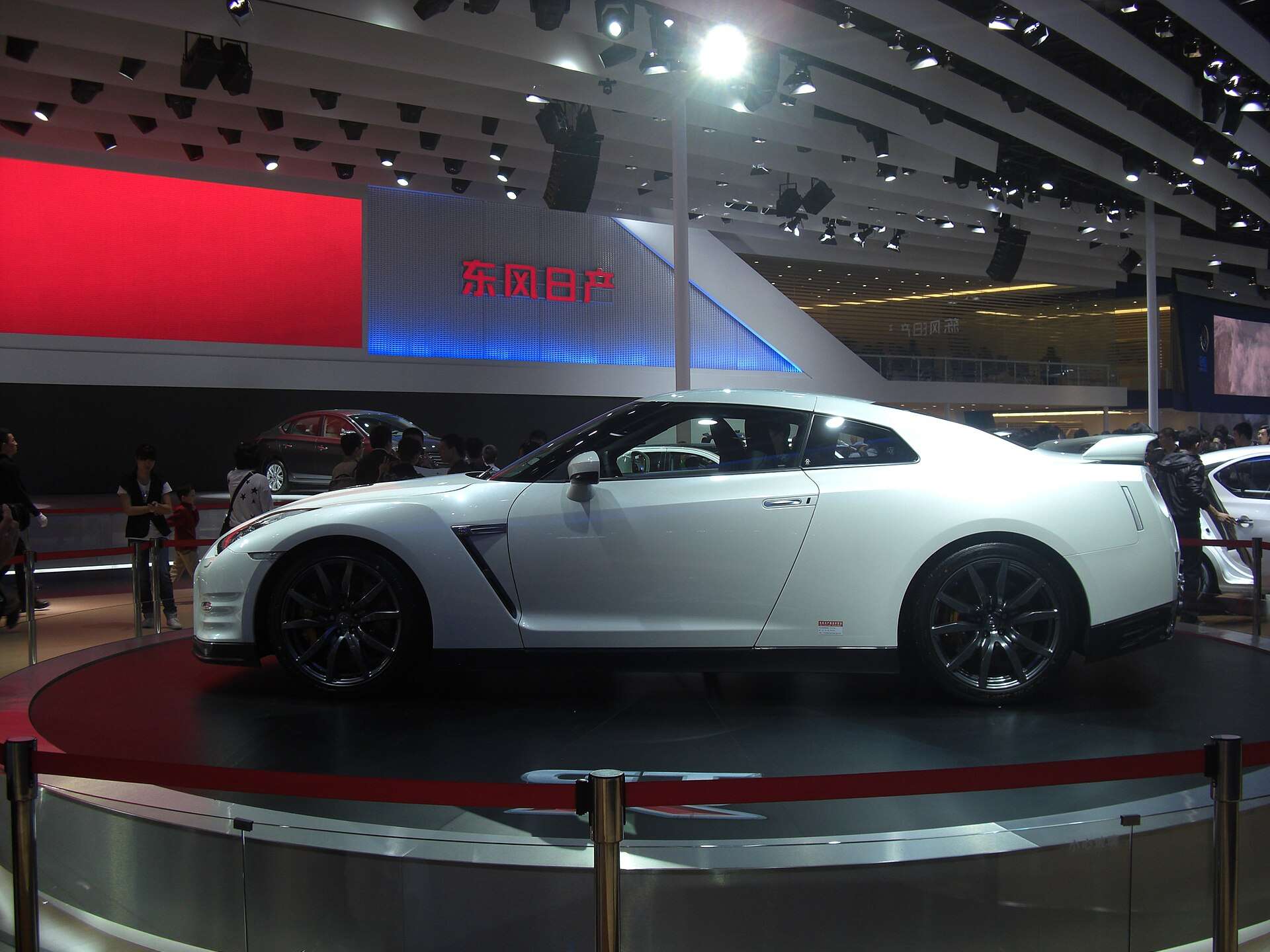
Ask for evidence of transmission-fluid and differential-fluid servicing and any clutch-learning or software work. Check that all four tyres match in size and are close in wear because rolling-circumference differences can affect the driveline.
Brakes, suspension and structure
Discs, pads, dampers and tyres are costly consumables. Inspect for cracked or heavily lipped discs, seized fasteners, tired dampers and uneven tyre wear. Track use is not automatically disqualifying if preparation and maintenance are documented, but repeated hard use without cooling and servicing evidence is a warning.

Examine the front structure, floors, subframes, suspension mounts, rear quarters and boot floor for accident damage. Check panel gaps and paint depth. Undertrays can conceal impacts, corrosion and fluid leaks, so an inspection on a lift is essential.
Modified R35s and earlier site features
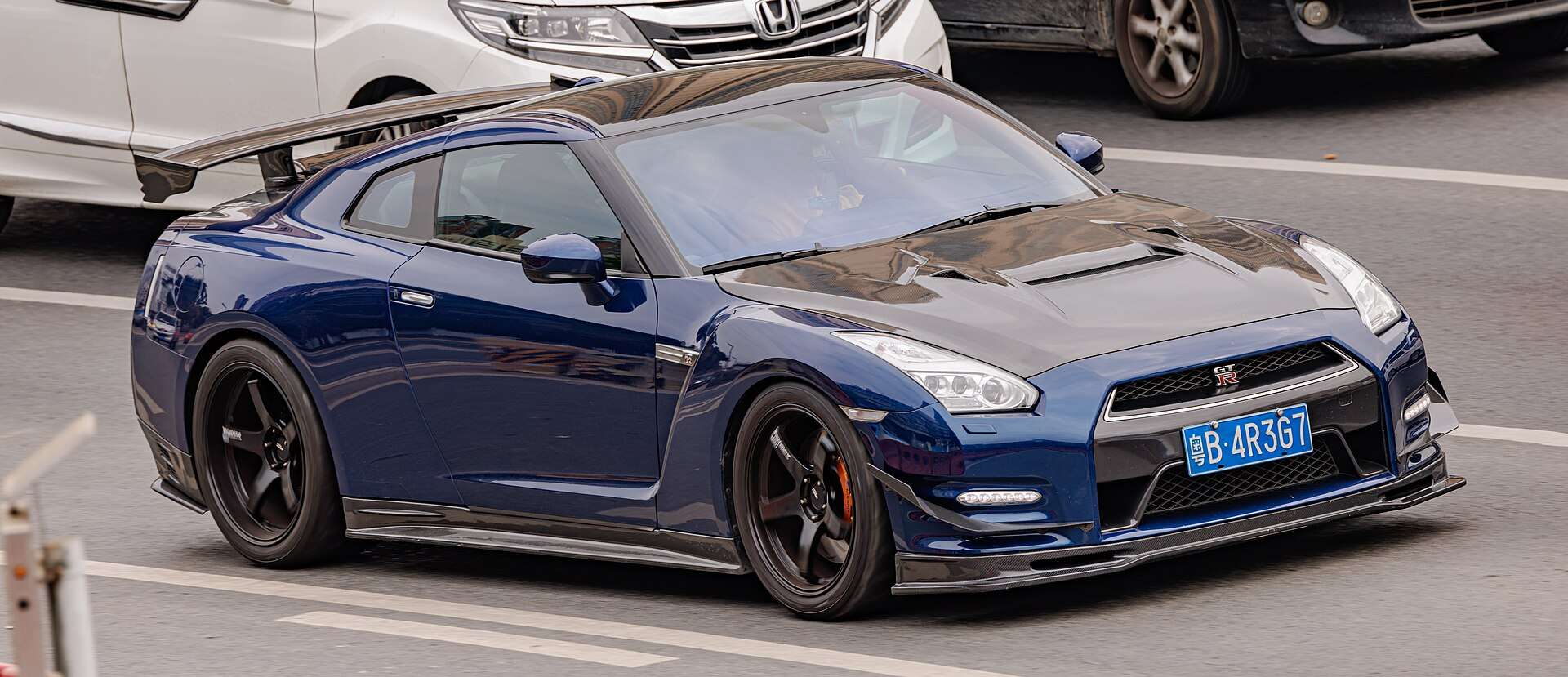
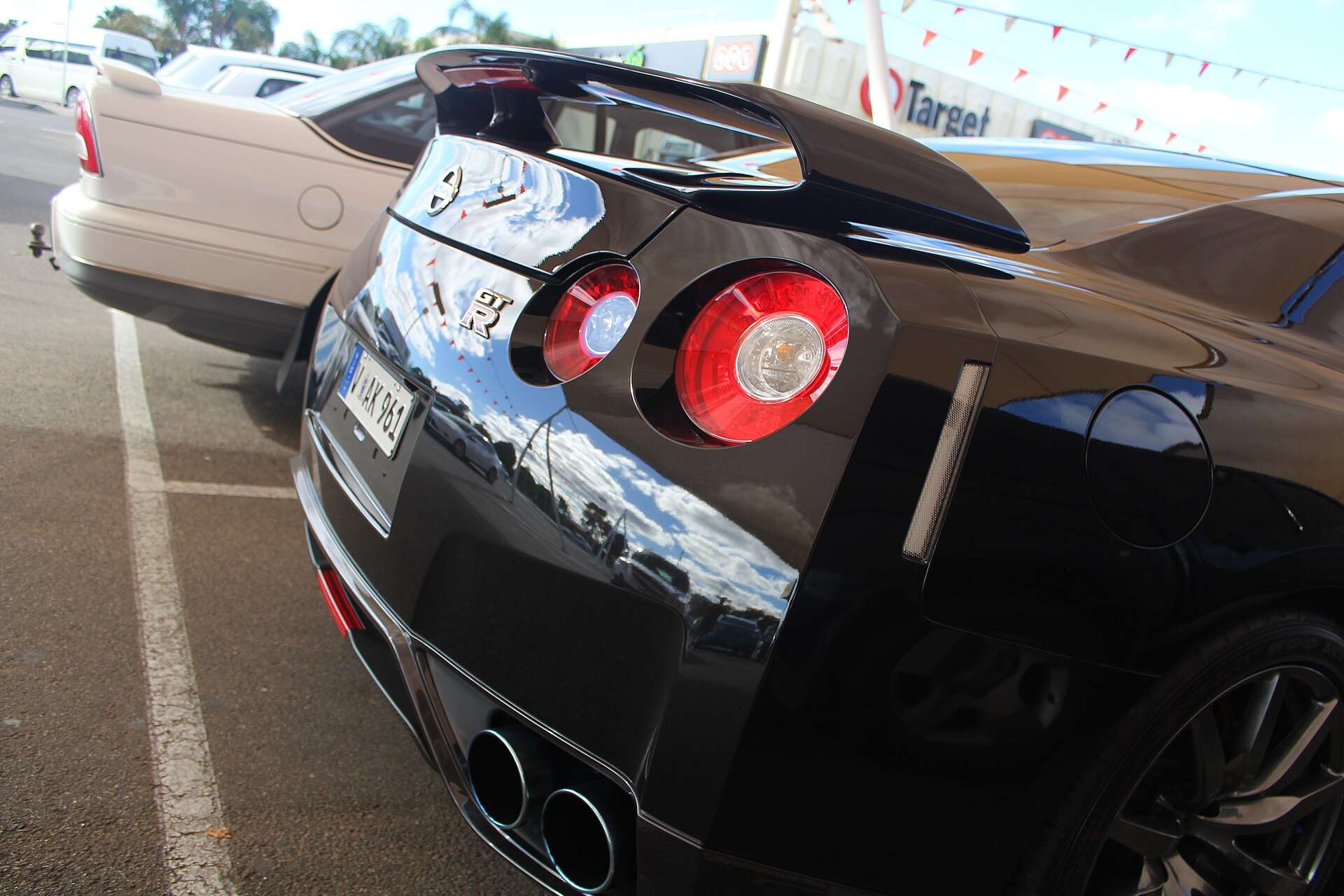
Unusual Cars already documents two heavily modified R35 examples. They remain individual case studies, not substitutes for a standard model guide. Use them to understand the range of conversions, while judging any purchase against its own engineering records and road legality.
Sources and further reading
- Nissan: original GT-R launch announcement
- Nissan: 2009 Nürburgring and global launch update
- Unusual Cars: modified 1,300bhp R35 case study
Continue the Nissan story
The R35 separated the GT-R name from the Skyline while extending Nissan’s all-weather performance philosophy. Explore the complete Nissan hub and read the Skyline GT-R R34 guide.
Frequently asked questions
Is the R35 a Skyline GT-R?
No. Nissan named the global model simply Nissan GT-R, although it continues the engineering and cultural lineage of earlier Skyline GT-Rs.
What engine does the R35 GT-R use?
It uses the 3.8-litre twin-turbo VR38DETT V6 with a rear-mounted six-speed GR6 dual-clutch transaxle.
What is the biggest R35 buying risk?
A neglected or poorly modified car can require very expensive engine, transmission, brake or suspension work. Documented specialist maintenance is essential.
Are all R35 model years the same?
No. Nissan revised power, software, suspension, aerodynamics, brakes and trim repeatedly, so identify the exact build and market specification.
Can a modified R35 be a good buy?
Yes, when the parts, installation, calibration and maintenance are fully documented and the chassis and driveline pass specialist inspection.