UNUSUAL CARS MODEL GUIDE
The Nissan Cube is a compact tall hatchback built around space, asymmetry and deliberately friendly design. The second-generation Z11 became a cult grey import in Britain, while the third-generation Z12 was officially introduced to Europe after its 2008 global launch.
Three generations of Cube
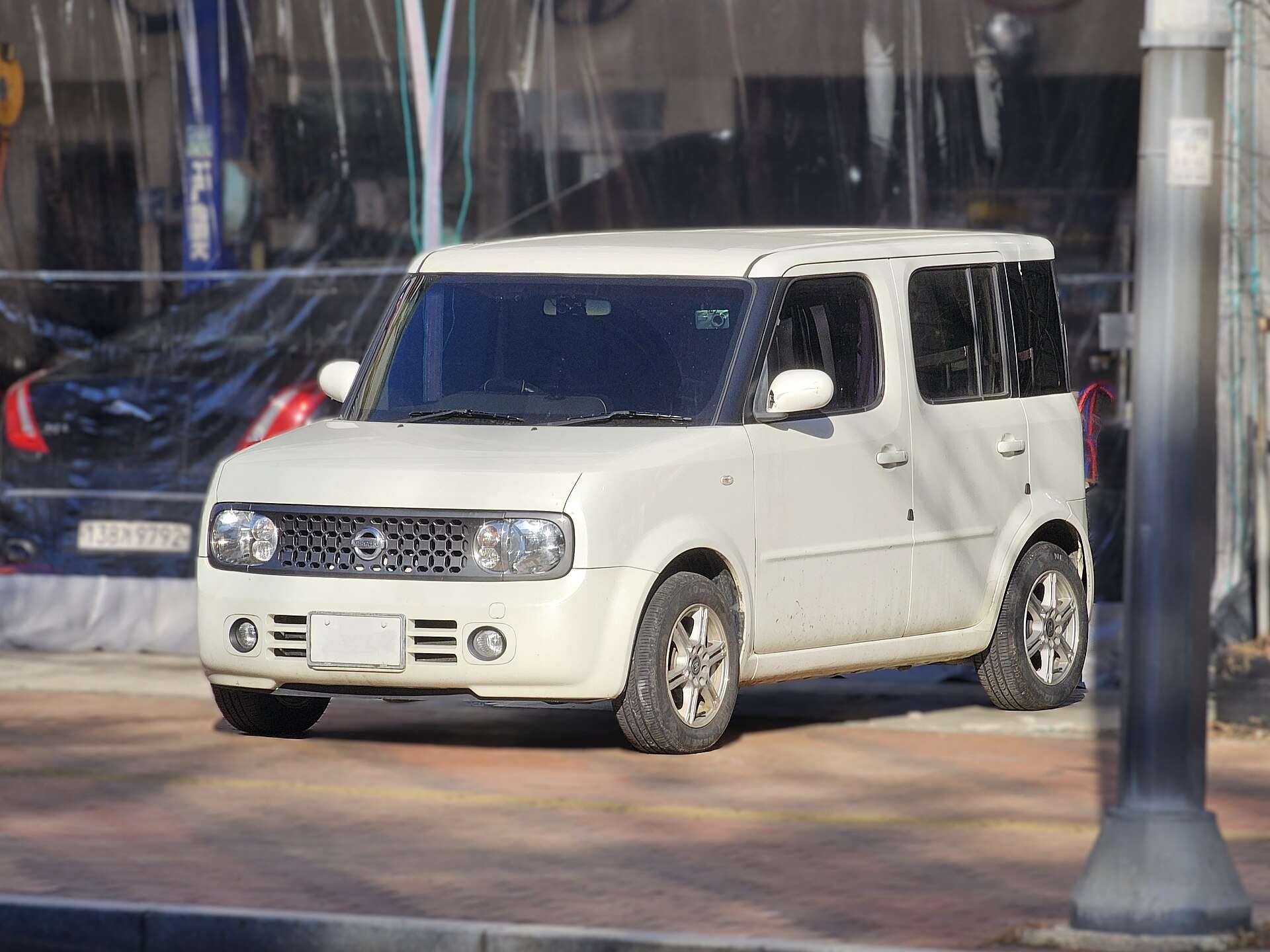
The original Z10 appeared in Japan in 1998. The Z11 followed with the now-famous wraparound rear glass and side-hinged tailgate. Nissan’s 2008 announcement said nearly one million Cubes had been sold in Japan before the third-generation Z12 made its global debut.
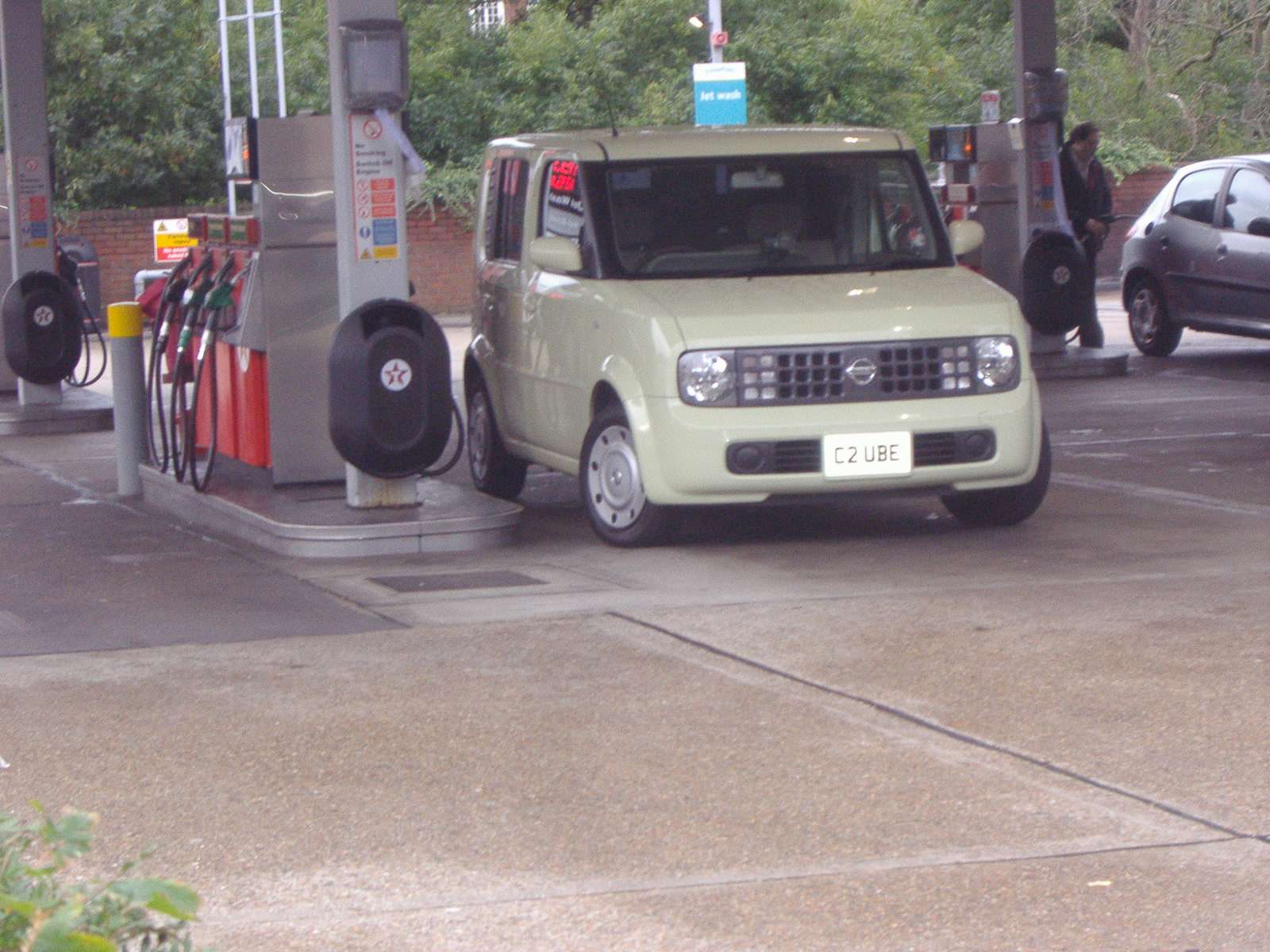
The Z11 was not officially sold new in Britain, so surviving cars arrived through independent importers. The Z12 was engineered for wider markets and reached Europe in 2009, although sales remained modest and its official presence was brief.
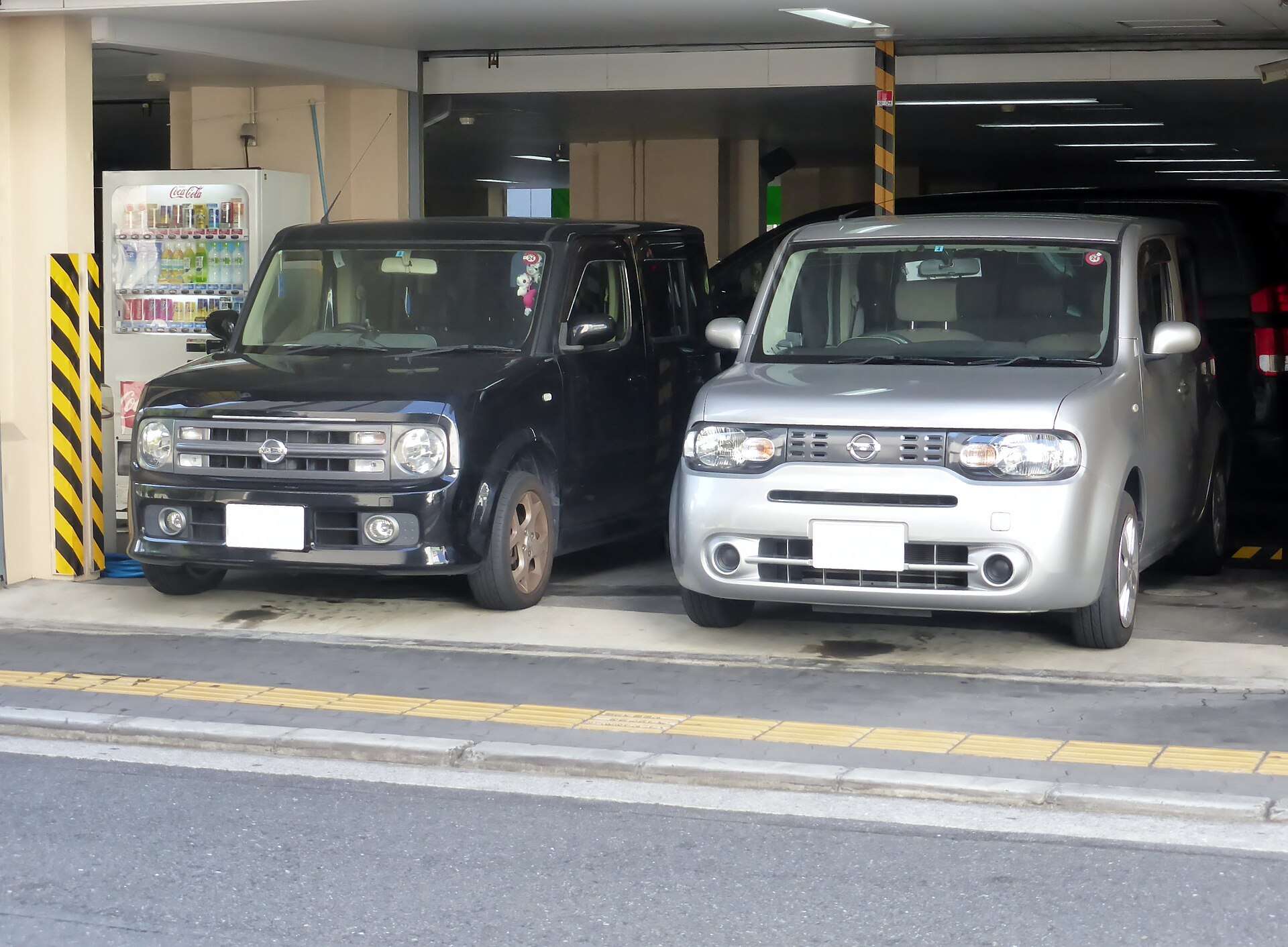
Z11 and Z12 differences
| Generation | Key distinction |
|---|---|
| Z10 | First Japanese-market Cube launched in 1998; the origin of the name and tall packaging. |
| Z11 | 2002-era Japanese model that established the asymmetric rear window and cult import identity. |
| Z12 | Third generation revealed in 2008 for Japan, North America and Europe, with a wider body and more refined cabin. |
| Autech Rider | Factory-associated styling derivative; equipment and engines vary, so verify the original model code. |
Nissan offered several Japanese engine, transmission and four-wheel-drive combinations. European Z12 specifications differ from Japanese cars, so parts ordering by registration alone can be unreliable.
Love cars you don’t see every day?
Get forgotten cars, surprising motoring stories and the most interesting finds from Unusual Cars by email.
Free to join. No spam. Unsubscribe whenever you like. See our privacy policy.
Design and packaging
The Cube’s asymmetrical rear glass visually links the side and tailgate. The rear door is side-hinged, which suits kerbside access in Japan but requires space behind the car. Inside, bench-like seats, broad surfaces and storage features create a lounge-like atmosphere rather than a conventional supermini cabin.
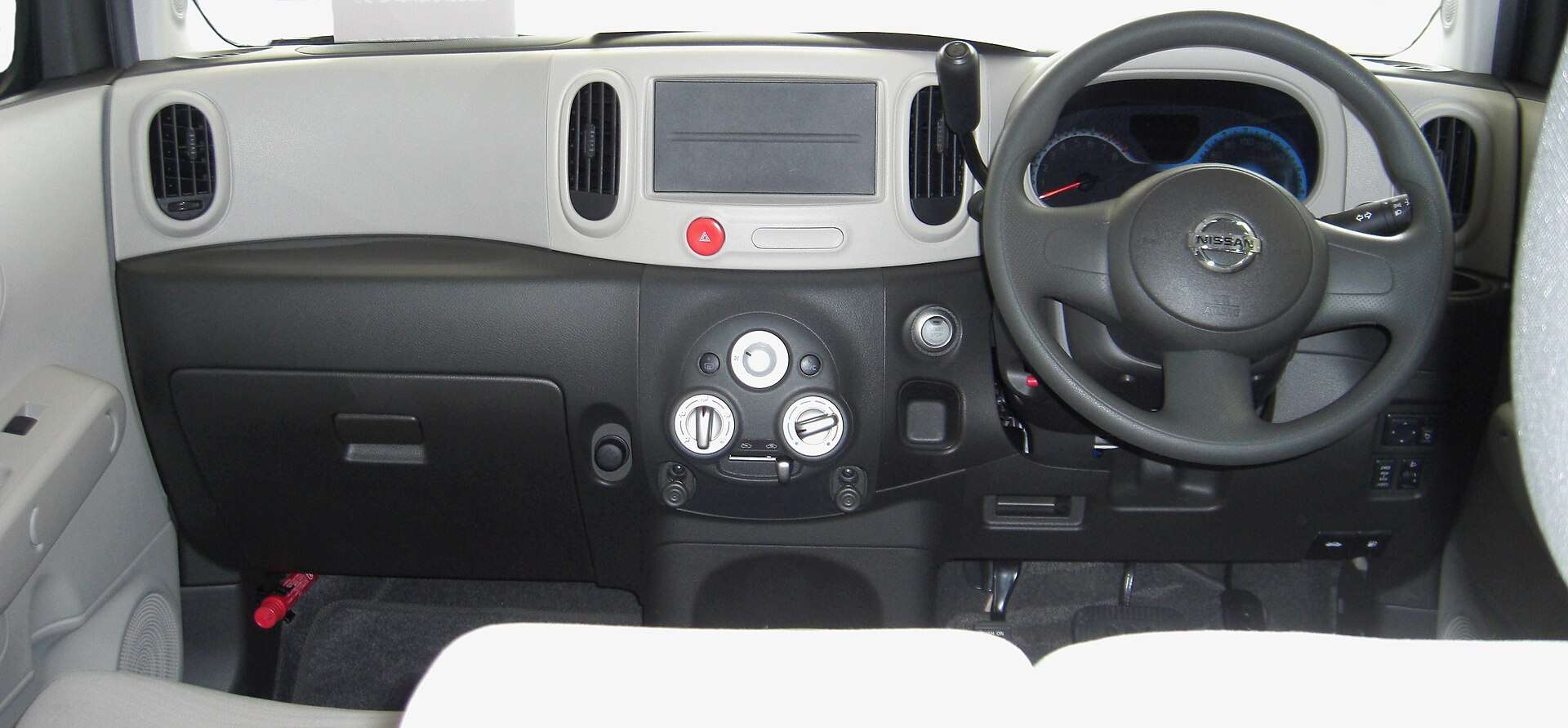
Nissan described the Z12 design as a refinement rather than a simple evolution, with softer exterior forms, sofa-like seating and an available glass roof. Its appeal depends on those distinctive details surviving intact.
Engines, CVT and driving checks
Japanese Z11s commonly use 1.4- or 1.5-litre petrol engines with automatic or continuously variable transmissions; exact combinations vary by model code and year. European Z12s use market-specific powertrains. Confirm the stamped identity and original sales data before ordering service parts.

On a test drive, check cold starting, stable idle, cooling and warning lights. A CVT should move away smoothly without flare, judder, delay or abnormal bearing noise. Ask for evidence of correct fluid servicing; the wrong fluid can cause serious damage.
Body, interior and electrical checks
Inspect sills, jacking points, floors, subframes, suspension mounts, wheel arches and the tailgate aperture. Check for water leaks around the rear glass and roof. Imported cars may have suffered long periods unused before registration, so examine tyres, brakes and rubber components as well as mileage.

Test climate control, smart key, windows, mirrors, central locking, audio, cameras and every dashboard display. Japanese navigation and radio equipment may not work fully in Britain. Replacement trim, lamps and tailgate glass can take patience to source.
Import documentation and ownership
For a Z11, check the Japanese export certificate, NOVA record, UK registration history, mileage evidence and whether the speed display has been converted correctly. Insurance should describe the precise imported model, not merely “Nissan Cube”.
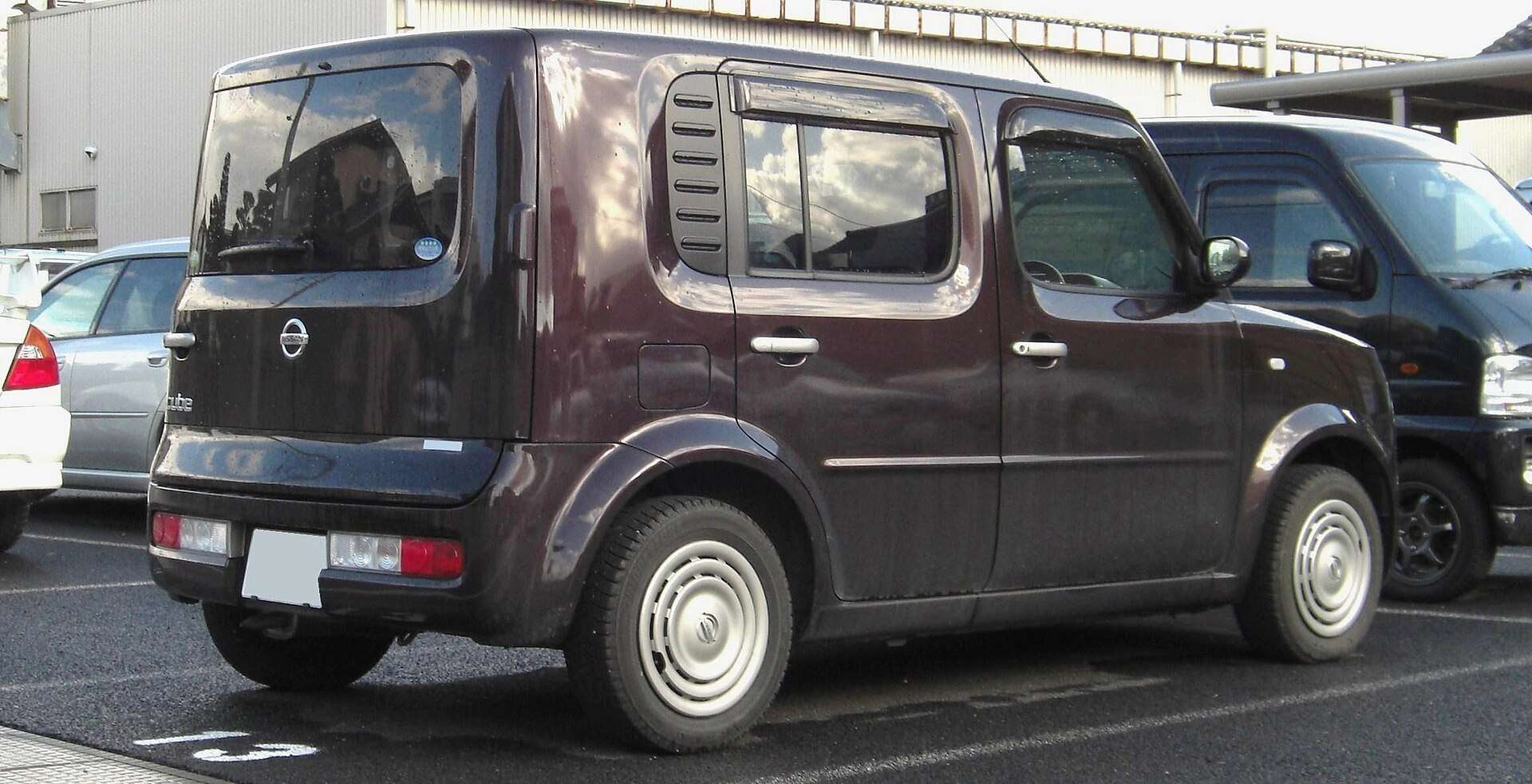
The Cube is practical, but its value lies partly in completeness. A mechanically sound car missing model-specific trim may be harder to restore than a more ordinary Nissan. Specialist importers and owners’ groups are useful sources for parts cross-references.
Sources and further reading
- Nissan: third-generation Cube global launch
- Nissan Heritage Collection: Cube
- Unusual Cars: Nissan Figaro guide
Continue the Nissan story
The Cube belongs to Nissan’s long tradition of practical cars with unusually strong visual identities. Explore the complete Nissan hub and read the Nissan Figaro guide.
Frequently asked questions
Was the Nissan Cube officially sold in the UK?
The Z11 was mainly a Japanese-market grey import. The later Z12 was officially offered in Europe, including Britain, after its 2008 global launch.
What is the difference between Z11 and Z12 Cube?
The Z11 is the smaller Japanese-market second generation that became a cult import. The Z12 is the wider third-generation global model with a more refined cabin.
Does the Nissan Cube use a CVT?
Many Japanese-market Cubes use a continuously variable transmission, although engine and gearbox combinations vary by generation, grade and market.
What should be checked on an imported Cube?
Verify the chassis code, export certificate, NOVA record, mileage evidence and speedometer conversion, then check transmission behaviour and parts compatibility.
Where does a Nissan Cube rust?
Inspect sills, jacking points, floors, subframes, suspension mounts, arches and the rear door and glass aperture.