UNUSUAL CARS MODEL GUIDE
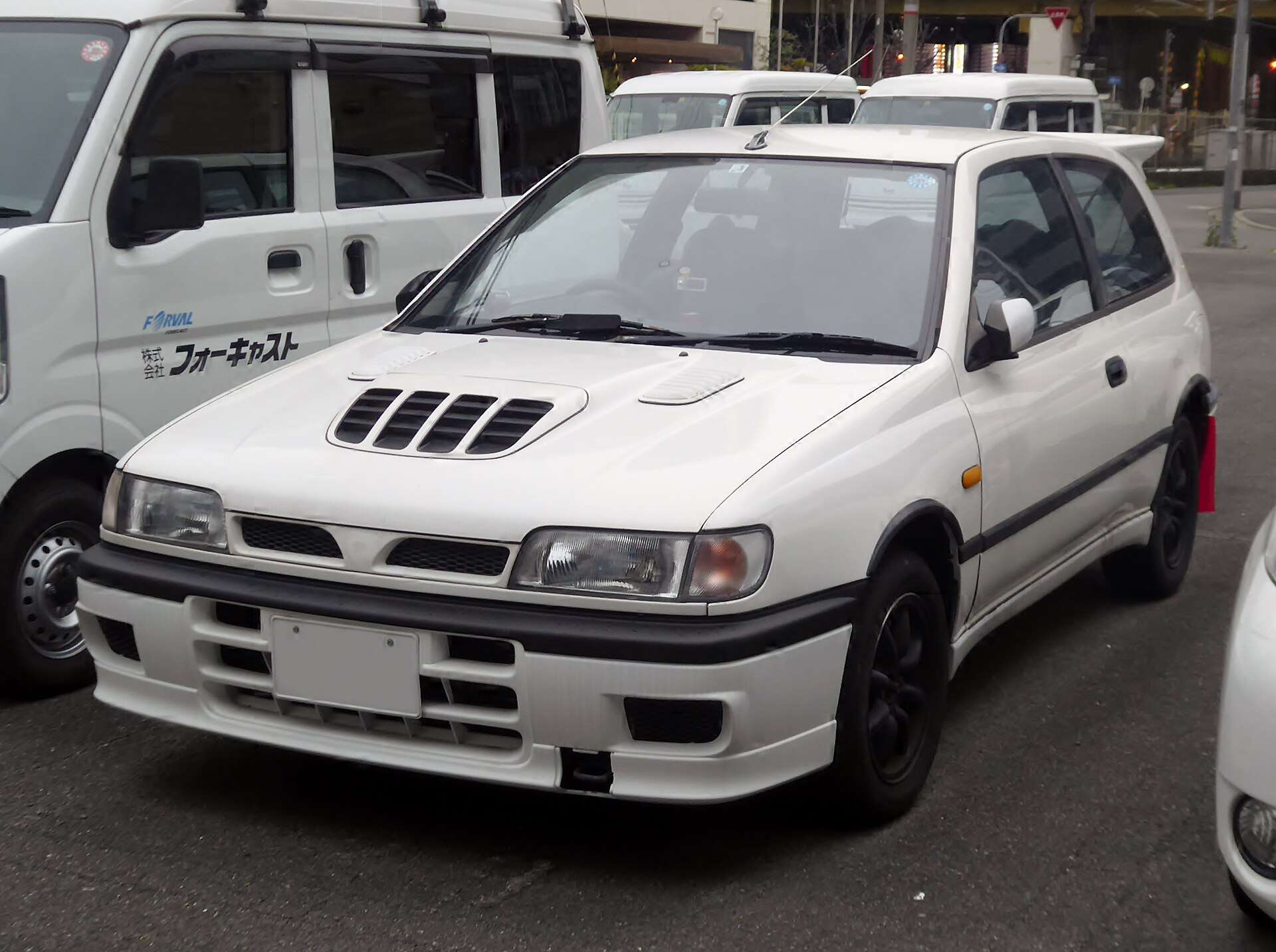
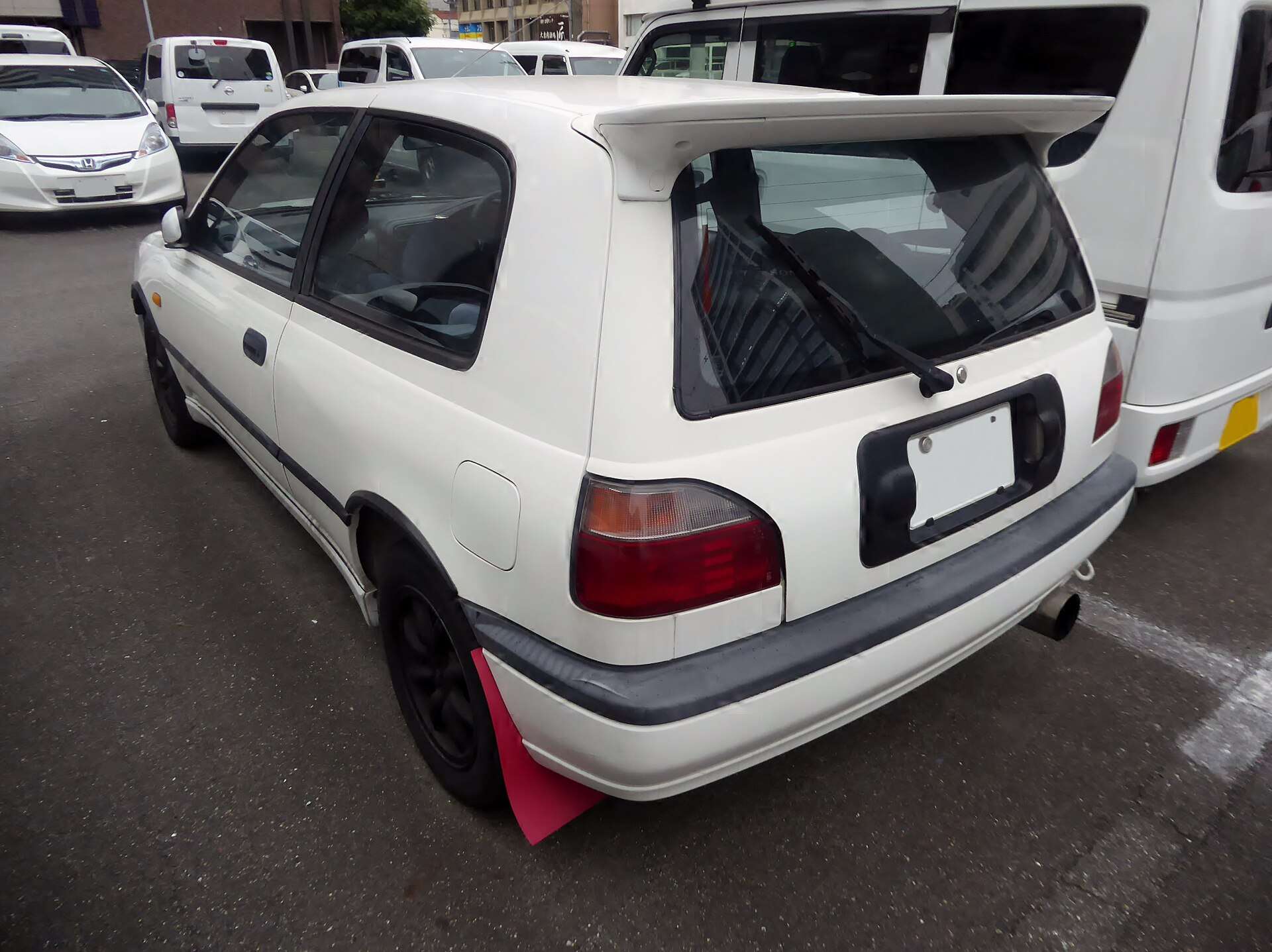
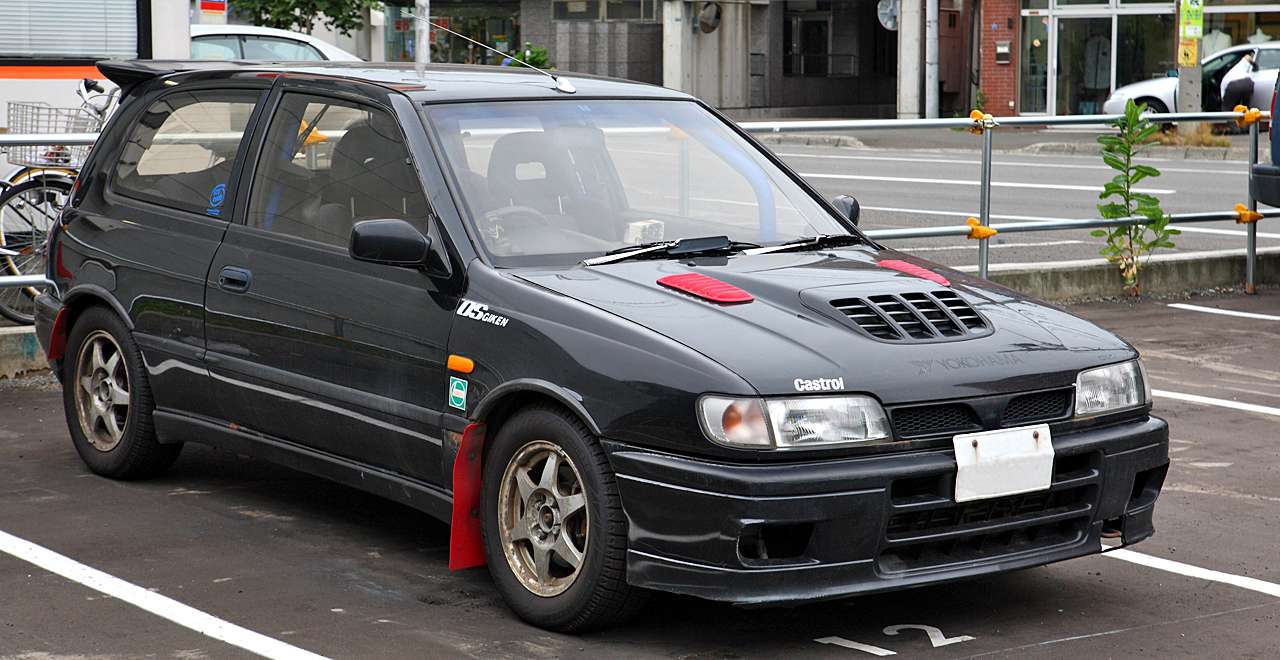
The Nissan Pulsar GTI-R was the competition-focused flagship of the N14 Pulsar family. Launched in 1990 for Group A rally homologation, it combined a 230 PS SR20DET turbo engine, ATTESA four-wheel drive, aggressive bonnet vents and a large rear wing in a compact three-door shell. European cars were sold as the Sunny GTI-R.
Built for Group A
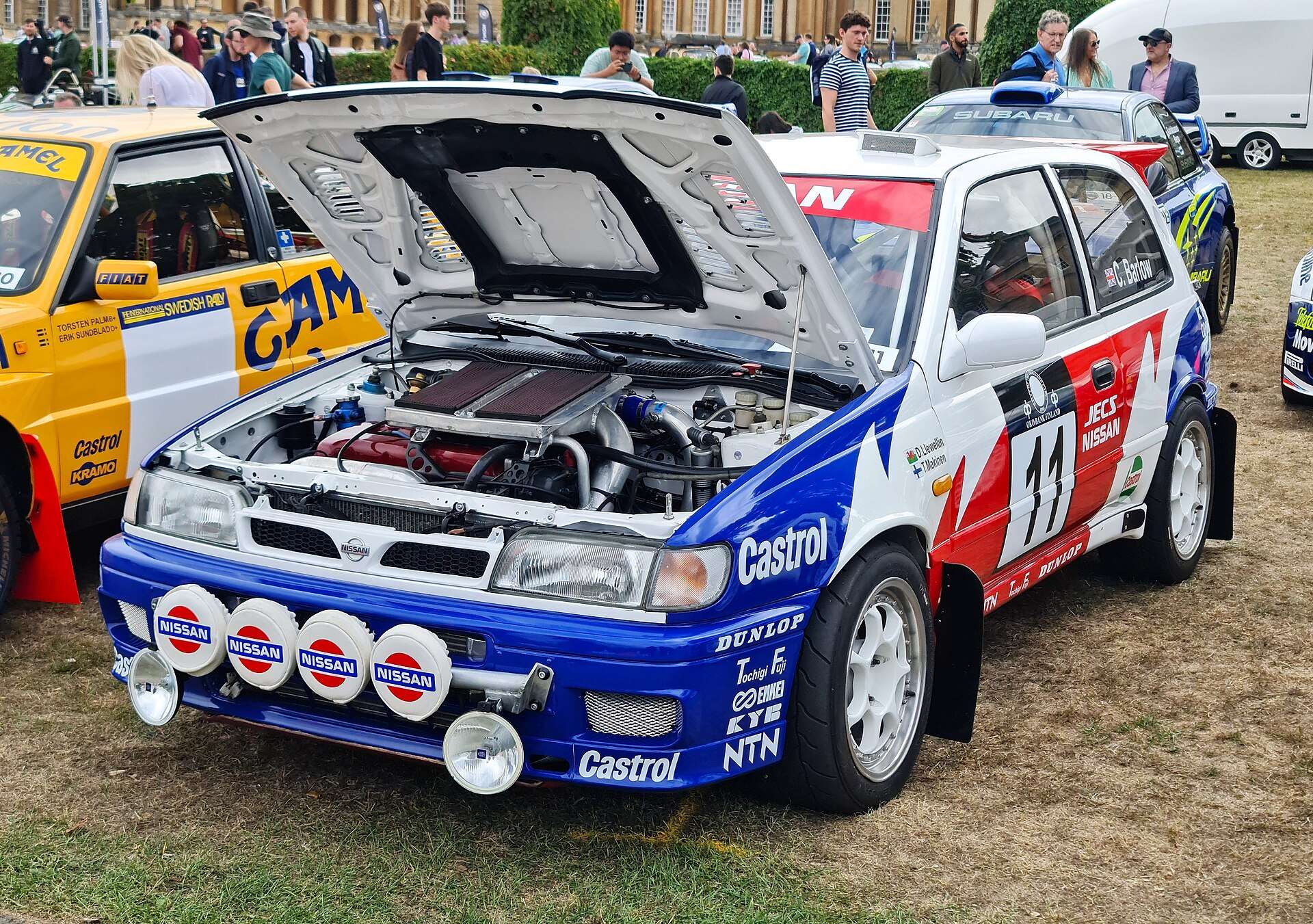
Nissan’s official Heritage Collection describes the GTI-R as the top model developed to contest the World Rally Championship. The company entered the car during 1991 and 1992; its best overall WRC result was third in the 1992 Swedish Rally, while the car achieved a Group N championship title.
The road car supplied the mechanical basis required by homologation. Its compact proportions and conspicuous bonnet hardware were functional responses to packaging a powerful turbocharged engine and four-wheel-drive system into an N14 hatchback.
Official specification
| Item | Nissan Heritage reference car |
|---|---|
| Model code | RNN14 |
| Engine | SR20DET 1,998 cc turbocharged inline-four |
| Output | 169 kW / 230 PS at 6,400 rpm |
| Torque | 284 Nm at 4,800 rpm |
| Transmission | Five-speed manual; ATTESA four-wheel drive |
| Dimensions | 3,975 × 1,690 × 1,400 mm; 2,430 mm wheelbase |
| Kerb weight | Approximately 1,230 kg |

Japanese Pulsar GTI-R and European Sunny GTI-R equipment and quoted outputs can differ. Homologation and competition variants add further complexity. Use the RNN14 chassis identity, build plate and market paperwork rather than a grille badge alone.
Love cars you don’t see every day?
Get forgotten cars, surprising motoring stories and the most interesting finds from Unusual Cars by email.
Free to join. No spam. Unsubscribe whenever you like. See our privacy policy.
SR20DET engine and heat
Start the engine from cold and check for chain noise, smoke, crankcase pressure, oil leaks and unstable idle. Compression or leak-down testing is sensible on any tuned car. Inspect coolant quality, radiator condition, hoses, fan operation and the history of water-pump and thermostat work.
The top-mounted intercooler sits in a hot engine bay. Front-mounted conversions are common, but the quality of pipework, mounting and engine management matters more than layout alone. Identify the turbo, injectors, fuel pump, boost controller, ECU and mapping specialist. Detonation damage is expensive and may not be obvious during a brief drive.
Gearbox and four-wheel drive
The five-speed transmission can be a weak point when subjected to hard launches or large torque increases. Test every ratio cold and hot, listen for bearing whine and check for a dragging clutch. Inspect driveshaft joints, transfer case, propshaft and differential seals.
Tyres should match in size, make and wear across all four wheels. Unequal rolling circumference stresses the driveline. On a quiet road, check that the car accelerates cleanly without torque steer, vibration or binding on tight turns.
Rust, bodywork and crash damage
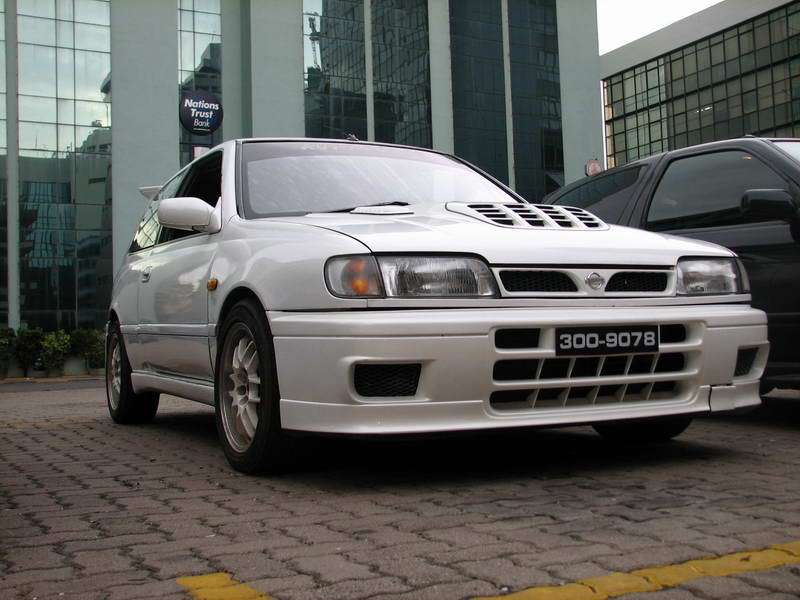
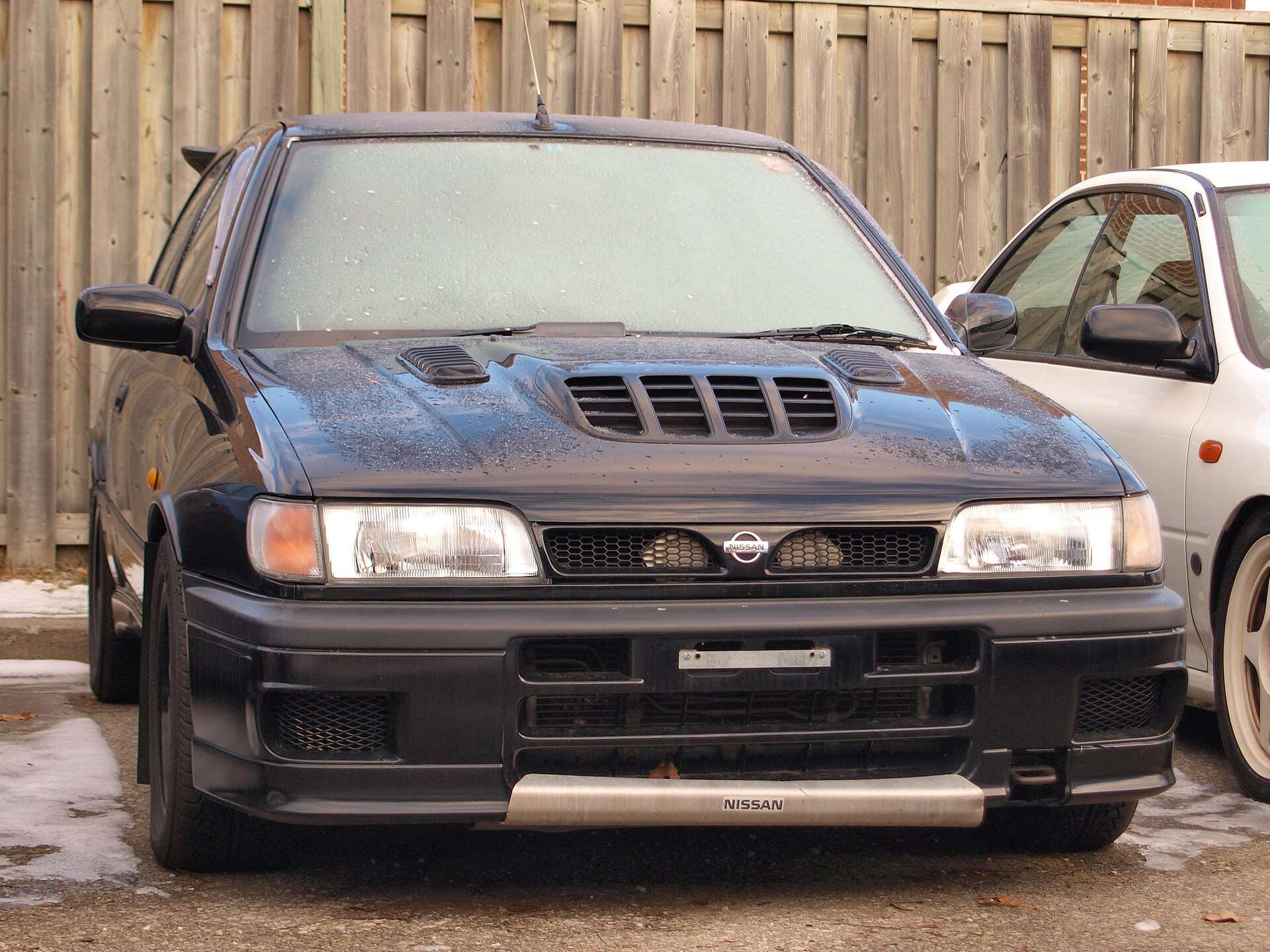
Inspect sills, jacking points, floors, inner and outer rear arches, front chassis legs, strut towers, bulkhead, boot floor and rear suspension mounts. The distinctive bonnet, vents, front bumper, grille and rear spoiler are model-specific; poor replacements or missing fittings reduce completeness.
Many cars have competed, been track-driven or suffered front-end damage. Look for wrinkled rails, replacement slam panels, non-original seam sealer, overspray and misaligned suspension pick-ups. A Japanese auction sheet and restoration photographs can help, but should match the car.
Suspension, brakes and interior
Check bushes, dampers, ball joints, wheel bearings and steering rack. Coilovers should move freely and carry identifiable spring rates. Brake upgrades need correct bias and clear wheel fit; old flexible hoses and seized calipers are common age-related faults.
Inside, confirm the original seats, instruments, switchgear and trim if originality affects value. Test windows, heater, gauges and warning lamps. Inspect under the dashboard for alarm, turbo-timer and controller wiring. The boot floor and rear trim can also reveal moisture or repaired impact damage.
Buying and owning one in Britain
Sunny GTI-Rs were officially supplied in Europe, while many British cars are Japanese Pulsar imports. Check VIN or chassis number, import date, model designation, insurance disclosure and speedometer conversion. Establish parts availability for GTI-R-specific transmission, body and trim items before purchase.
A lightly modified car can be reliable if cooling, fuelling and mapping were treated as a system. A cheaper high-power example with no paperwork is rarely a bargain. Specialist inspection, compression testing and drivetrain diagnosis are proportionate precautions.
Sources and further reading
- Nissan Heritage Collection: Pulsar GTI-R
- Nissan Global: Pulsar model history
- FIA homologation form 5427, Nissan Pulsar GTI-R
Continue the Nissan story
The GTI-R applied Nissan’s turbo and four-wheel-drive expertise to a small hatchback after the March Super Turbo took a very different route. Explore the complete Nissan hub and read the March Super Turbo story.
Frequently asked questions
What is the difference between a Pulsar GTI-R and Sunny GTI-R?
Pulsar was the Japanese-market name and Sunny was used for European cars. Both are RNN14 GTI-Rs, but equipment, documentation and quoted output can vary by market.
What engine is in the Nissan Pulsar GTI-R?
It uses the 1,998 cc turbocharged SR20DET four-cylinder, officially rated by Nissan at 230 PS and 284 Nm for the heritage reference car.
Was the Pulsar GTI-R a rally car?
It was developed for Group A homologation and competed in the World Rally Championship in 1991 and 1992, with a best overall result of third in Sweden in 1992.
What are the main GTI-R buying risks?
Look for gearbox wear, overheating, unsafe tuning, mismatched tyres, structural rust, competition damage and missing model-specific body or trim parts.
Where does a Pulsar or Sunny GTI-R rust?
Inspect sills, jacking points, floors, rear arches, front chassis legs, strut towers, bulkhead, boot floor and rear suspension mounting areas.