UNUSUAL CARS MODEL GUIDE
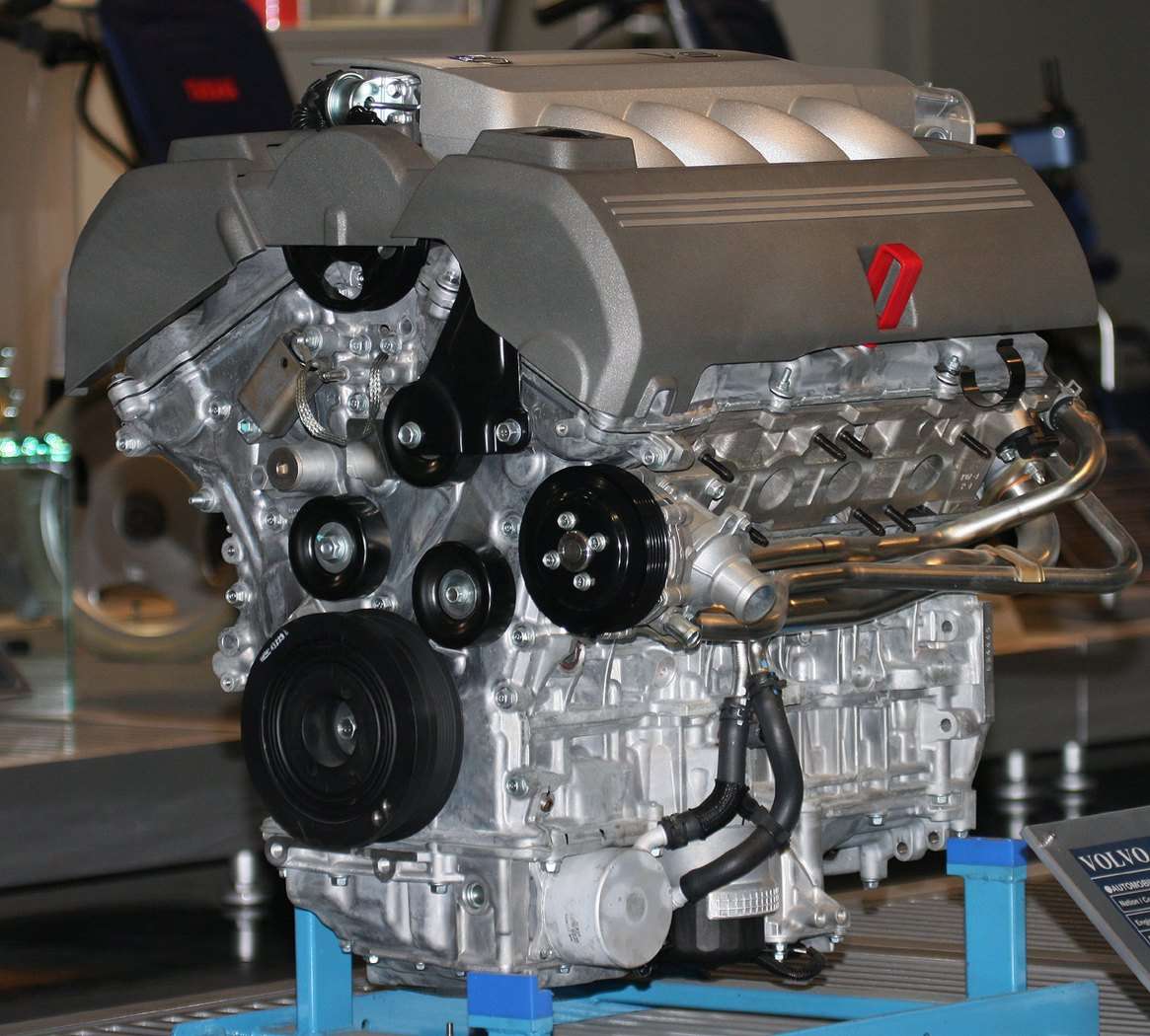
The first-generation Volvo XC90 V8 hid an unusual engine beneath one of the most familiar premium SUV shapes of the 2000s. Developed with Yamaha, the compact 4.4-litre V8 sat transversely and drove all four wheels through a six-speed automatic.
Quick answer: Volvo added the V8 to the XC90 in 2004. The all-aluminium engine used a narrow 60-degree bank angle so it would fit across the engine bay. It produced about 315hp and 440Nm in common European specification, though official figures vary slightly by market.
Why Volvo needed a V8 XC90
The XC90 launched in 2002 and quickly became central to Volvo’s range, especially in North America. Six-cylinder and five-cylinder engines covered most buyers, but rivals offered V8 flagships with stronger towing and luxury appeal. Volvo needed eight cylinders without abandoning the transverse layout and front-wheel-drive-based platform.
Yamaha helped engineer a compact unit known by Volvo’s B8444S code. It was not simply borrowed from an existing rear-drive car. Packaging drove its 60-degree vee angle, offset cylinder banks and balance shaft.

The compact transverse V8
The 4,414cc engine uses aluminium construction, four overhead camshafts and 32 valves. Mounted sideways, it leaves very little free space around accessories and exhaust components. The six-speed automatic and electronically controlled all-wheel-drive system distribute the power without a traditional longitudinal transfer case.
The result is smooth and discreet rather than theatrical. It has a muted V8 note, substantial low-speed torque and relaxed motorway performance. Fuel consumption is high, and the seven-seat body encourages heavy towing and family use, so maintenance history matters greatly.
Early and facelift XC90 V8 models
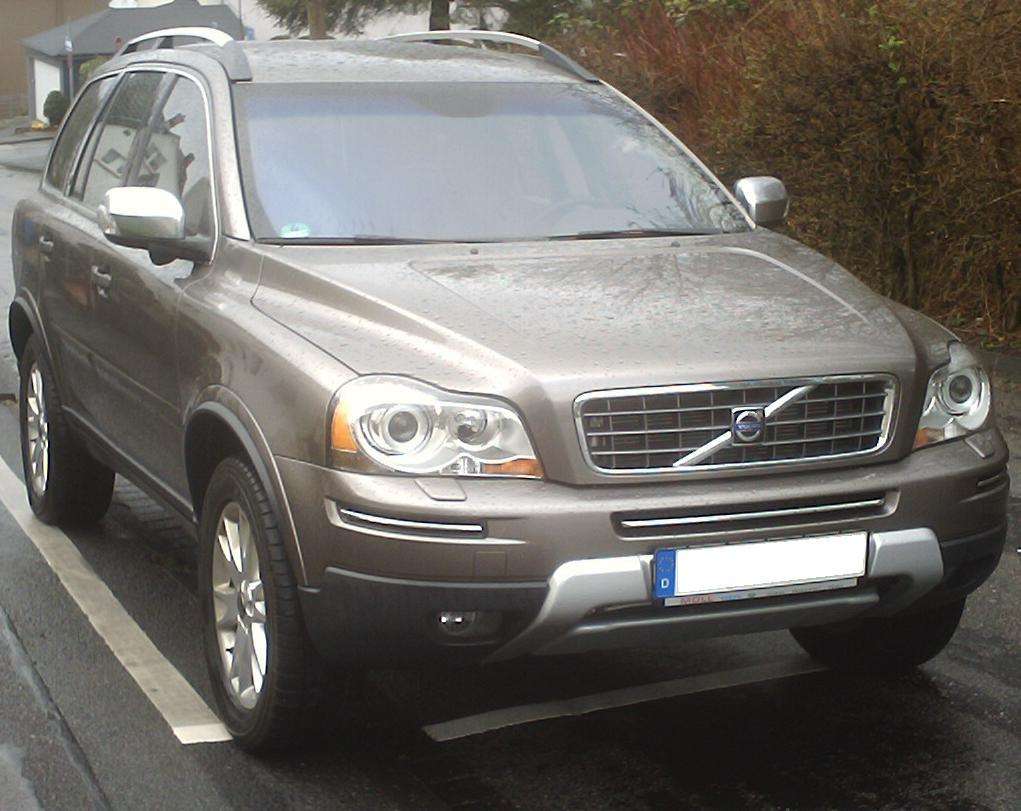
Early cars carry the original XC90 nose and trim. The 2007 model-year facelift revised lamps, bumpers and interior details, while equipment packages such as Executive and Sport varied by market. Later appearance does not remove the need to identify the exact engine, gearbox, suspension and wheel specification.
The V8 remained comparatively rare in Britain because purchase price, fuel use and taxation favoured diesel versions. That rarity makes correct badges, wheels, exhaust parts and under-bonnet components worth preserving.
What the XC90 V8 is like to use
The first XC90 prioritises comfort, visibility and family packaging. Its third-row seats fold into the floor and the split tailgate eases loading. The V8 adds effortless pace, but it does not transform the tall SUV into a sports car. Tyres, brakes, suspension and steering must all be in good condition to keep it composed.
A cheap V8 can be an expensive way to discover deferred maintenance. Buyers should budget for specialist diagnosis, premium tyres and the labour involved when access is tight.

Love cars you don’t see every day?
Get forgotten cars, surprising motoring stories and the most interesting finds from Unusual Cars by email.
Free to join. No spam. Unsubscribe whenever you like. See our privacy policy.
Volvo XC90 V8 buying guide
Balance-shaft and engine condition
Listen from cold and hot for bearing noise, rattles or changes with engine speed. Early discussions often focus on the balance-shaft bearing and water exposure; a specialist should identify the actual engine number, drainage condition and service history rather than relying on internet generalisation.
Cooling, oil leaks and engine mounts
Check coolant level, radiator, hoses, expansion tank and fans. Tight packaging makes leaks and mount replacement labour-intensive. Inspect cam covers, timing covers and the underside, and question any freshly cleaned engine.
Automatic gearbox and AWD
The six-speed automatic should engage promptly and shift smoothly when hot. Confirm matched tyres and working rear drive, then inspect the angle gear, sleeve, propshaft, Haldex coupling, pump and differentials for faults or leaks.
Suspension, steering and brakes
Heavy cars wear control-arm bushes, ball joints, wheel bearings, dampers and brakes. Large wheels can bend and accelerate tyre costs. Uneven wear may indicate alignment problems or tired components.
Electrics, water ingress and seven-seat equipment
Test the climate control, instruments, audio, xenon lamps, parking sensors, seat motors and tailgate wiring. Check carpets and electronic modules for damp, and operate both folding rear-seat rows and every belt.

Research sources
- Volvo Cars: XC90 V8 history
- Volvo Cars: first-generation XC90 technical overview
- Honest John: XC90 review and owner reports
- Parkers: used XC90 review
Continue the Volvo story
Return to the Rare & Performance Volvos hub, then compare the C30 T5 guide and S60 R and V70 R guide.
Frequently asked questions
Who made the Volvo XC90 V8 engine?
Volvo developed the compact 4.4-litre V8 with Yamaha, which manufactured the engine.
Why is the XC90 V8 engine mounted sideways?
The first-generation XC90 uses a transverse-engine platform, so the narrow-angle V8 was packaged across the engine bay.
How much power does the XC90 V8 have?
Common European specifications quote about 315hp and 440Nm, with small market differences.
Is the XC90 V8 four-wheel drive?
Yes. It uses an electronically controlled all-wheel-drive system and a six-speed automatic gearbox.
What should be checked before buying an XC90 V8?
Check engine noise and drainage history, cooling and oil leaks, automatic gearbox, AWD operation, matched tyres, suspension, brakes, electrics and water ingress.