UNUSUAL CARS MODEL GUIDE
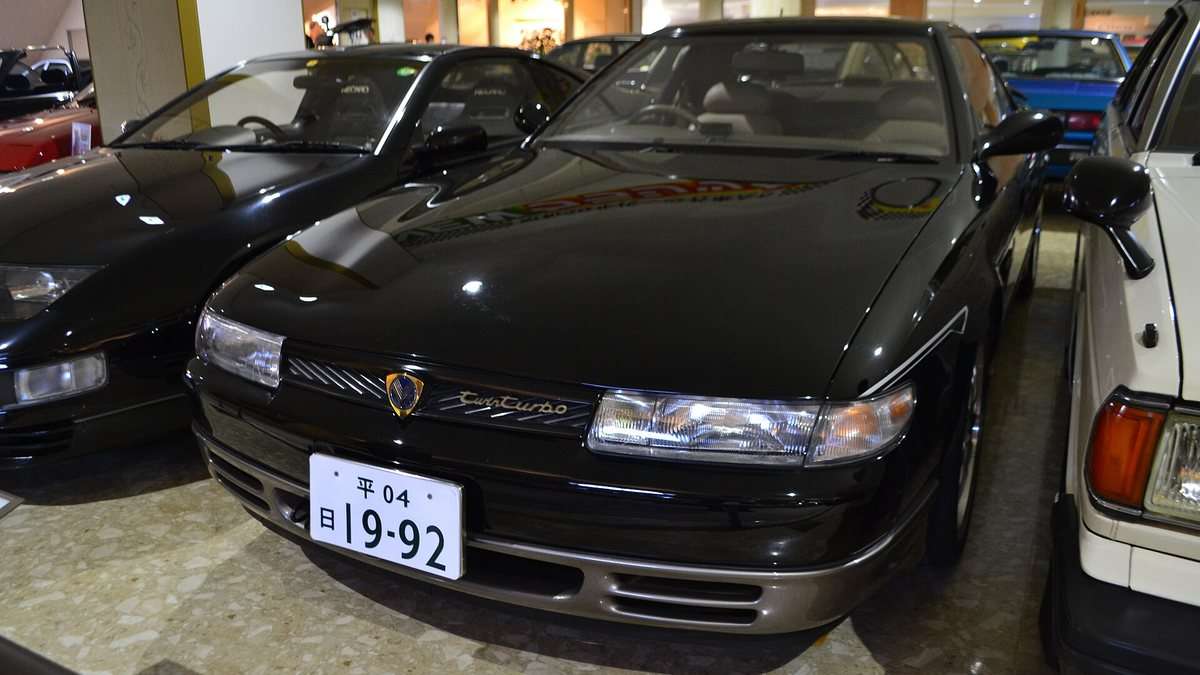
The Eunos Cosmo is Mazda’s four-seat luxury rotary coupé, sold in Japan from 1990. It was offered with twin-rotor 13B-REW and three-rotor 20B-REW engines, both using sequential twin turbochargers, and combined that unusual powertrain with advanced electronic equipment.
Quick answer: the Eunos Cosmo was the first mass-produced car to use a three-rotor rotary engine and was available with an early touchscreen communications system incorporating GPS navigation. It was never officially sold in Britain, so specification, electronics and parts support need careful investigation.
Mazda’s rotary flagship
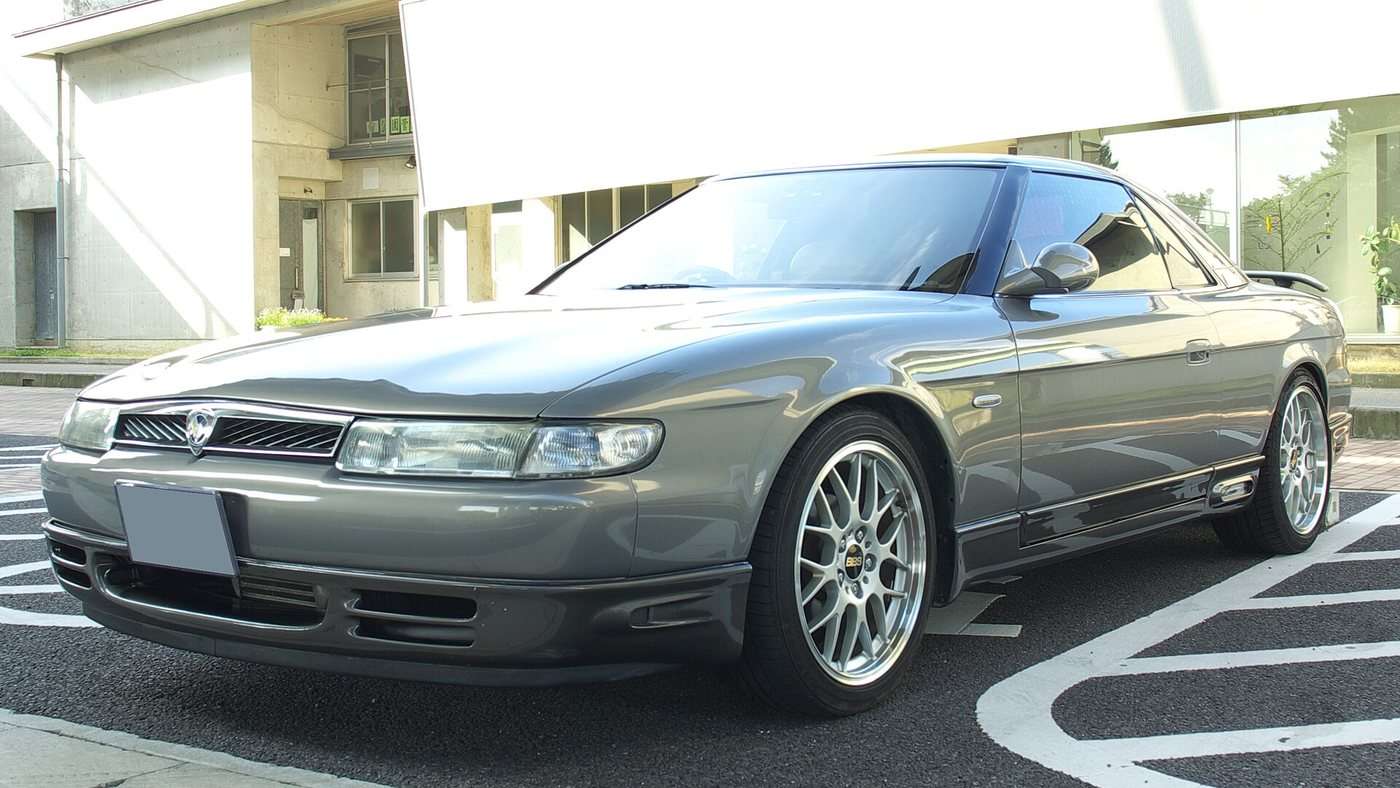
Mazda positioned the Eunos Cosmo as a personal luxury coupé rather than a harder-edged sports car. It sat at the top of the Eunos channel and used restrained proportions, a long cabin and a richly trimmed interior to make rotary engineering feel expensive and effortless.
The name continued a lineage that began with the 1967 Cosmo Sport, but the 1990 car was not retro. Its technology and materials were intended to demonstrate what Mazda could produce at the height of Japan’s asset-price boom.

13B and 20B rotary engines
The JC-platform Cosmo offered two rotary choices. The 13B-REW used two rotors and was quoted at 230PS in Japanese specification. The 20B-REW added a third rotor and was quoted at 280PS with 41.0kg-m of torque. Mazda paired both with sequential twin turbochargers.
A four-speed automatic was integral to the luxury brief. The 20B’s smoothness and torque suited the car, but the added heat, fuel demand and unique components make a neglected example a major undertaking.
| Version | Key distinction |
|---|---|
| 13B-REW | Twin-rotor sequential-twin-turbo engine, quoted at 230PS in Japanese specification |
| 20B-REW | Three-rotor sequential-twin-turbo flagship, quoted at 280PS and 41.0kg-m |
| Type E | Luxury-oriented grade with equipment varying by engine and year |
| CCS-equipped cars | Touchscreen car-control and communications system with early GPS navigation capability |
CCS, GPS and the digital cabin
The optional Car Communication System placed climate, audio, television and navigation functions behind a colour touchscreen. Mazda describes the Eunos Cosmo as using the world’s first mobile communication system incorporating GPS.
That historical importance creates an ownership problem: a complete, functioning system is far more valuable than a partly dismantled screen with missing control modules. Japanese radio frequencies and mapping no longer translate neatly to modern UK use, but originality remains significant.

Design, interior and market context
The pillarless side glass and clean flanks make the car appear lower and simpler than its engineering suggests. Inside, high-grade leather and wood trim reinforced the flagship role. Mazda’s own retrospective notes materials sourced from Europe and finished specifically for the Cosmo.
Sales remained domestic. Every British car is therefore an import, and owners must navigate Japanese documentation, specialist rotary maintenance and a much smaller pool of model-specific body and electronic parts than RX-7 owners enjoy.

Love cars you don’t see every day?
Get forgotten cars, surprising motoring stories and the most interesting finds from Unusual Cars by email.
Free to join. No spam. Unsubscribe whenever you like. See our privacy policy.
Eunos Cosmo buying guide
Rotary compression and cooling
Obtain warm rotary-specific compression results for every rotor. Check hot starting, smoke, coolant loss, radiator condition, oil lines and evidence of overheating.
Sequential turbos and automatic transmission
Boost should build smoothly without warning lights or uncontrolled spikes. Test the automatic from cold and warm, check fluid condition and investigate flare, harsh shifts or delayed engagement.
CCS and cabin electronics
Operate the touchscreen, climate control, instruments, electric seats, mirrors and every switch. Missing modules and improvised audio conversions can be more difficult to correct than routine mechanical wear.
Body and trim
Inspect sills, arches, floor, screen surrounds and accident repairs. Lamps, glass, seals, wood, leather panels and exterior mouldings are scarce, so a complete car has a substantial advantage.
Import documentation
Verify chassis identity, export certificate, registration history and odometer units. Confirm whether changes for UK use were documented and reversible.
Why the Eunos Cosmo matters
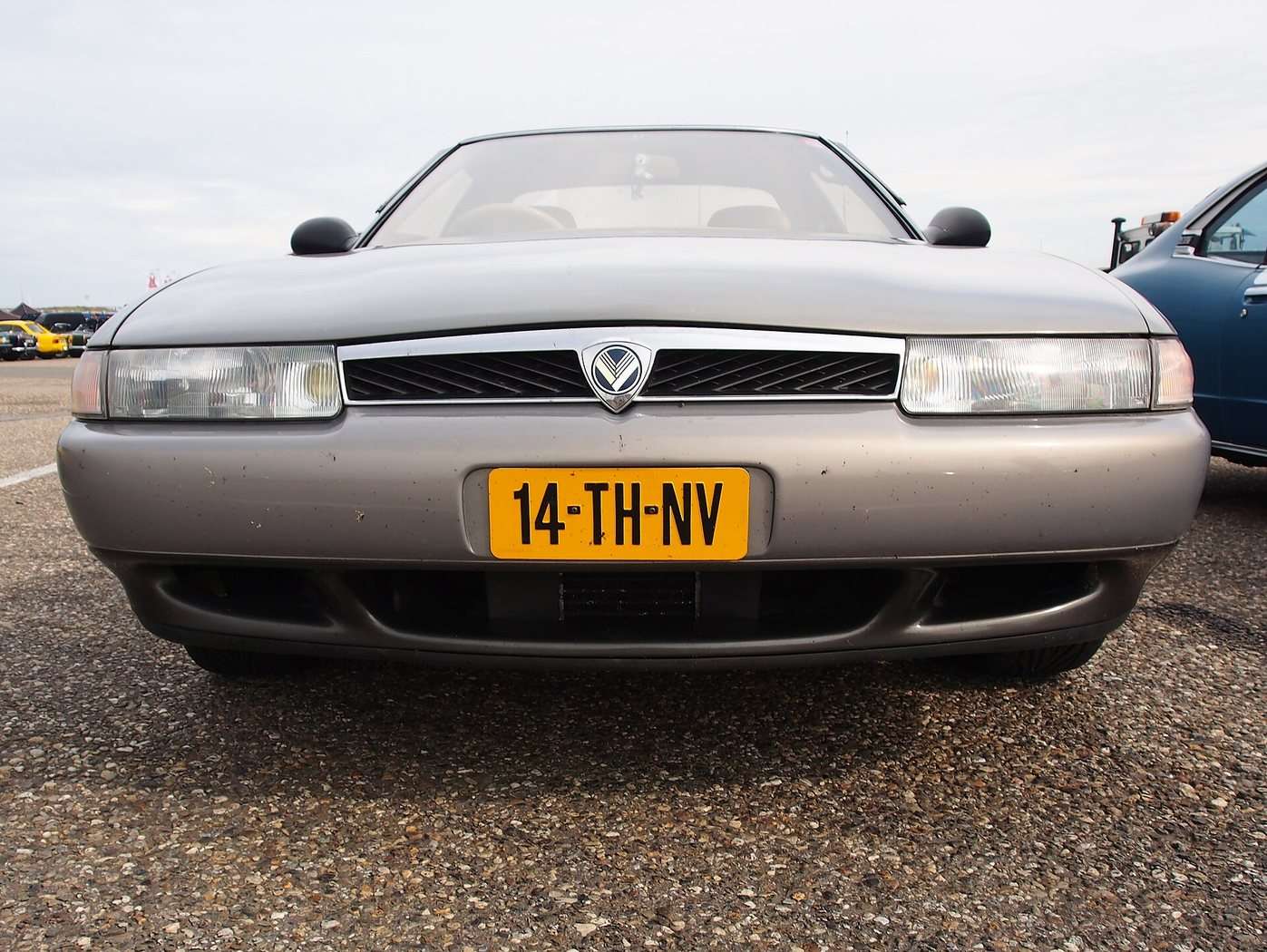
The Eunos Cosmo joined two ambitious ideas: a production three-rotor grand tourer and a touchscreen-connected cabin before either became familiar. Its rarity today reflects how costly that ambition was to build and maintain, not a lack of technical significance.
Research sources
- Mazda: Cosmo model history
- Mazda Virtual Museum: Eunos Cosmo development context
- Mazda: product history, 1990–1999
Continue the Mazda story
Explore the Rare & Performance Mazdas hub, then compare the RX-7 FD guide and the RX-8 guide.
Frequently asked questions
What is an Eunos Cosmo?
It is Mazda’s Japanese-market luxury rotary coupé launched in 1990 and sold through the Eunos dealer channel.
Did the Eunos Cosmo use a three-rotor engine?
Yes. The 20B-REW version used three rotors and sequential twin turbochargers; a twin-rotor 13B-REW was also offered.
How much power did the 20B Eunos Cosmo make?
Mazda quoted 280PS and 41.0kg-m of torque for the Japanese-market 20B-REW.
Was the Eunos Cosmo sold in the UK?
No. British examples are Japanese imports and require careful documentation and specification checks.
What are the main Eunos Cosmo buying checks?
Check rotary compression, cooling, sequential turbo operation, automatic transmission, CCS electronics, body condition and completeness of scarce trim.