Origins and development
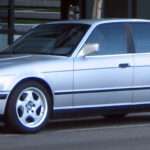
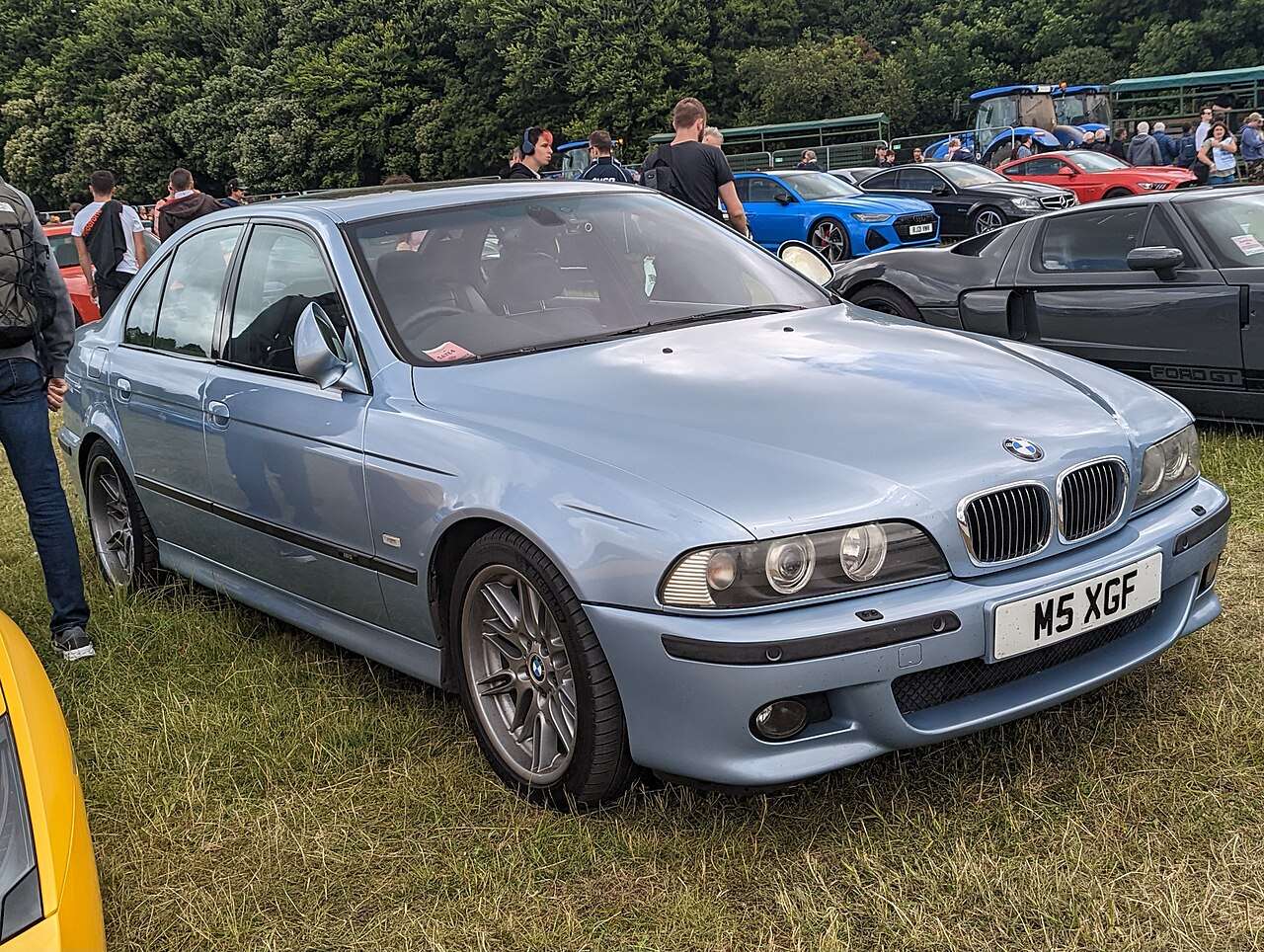
Unlike the hand-finished E28 and E34, the E39 M5 was integrated into regular 5 Series production at Dingolfing. That reflected much greater demand and a more mature BMW M operation. The car was unveiled in 1998 and reached major markets for the 1999 model year, receiving detail updates alongside the wider E39 range before production ended in 2003.
Engineering and driving character
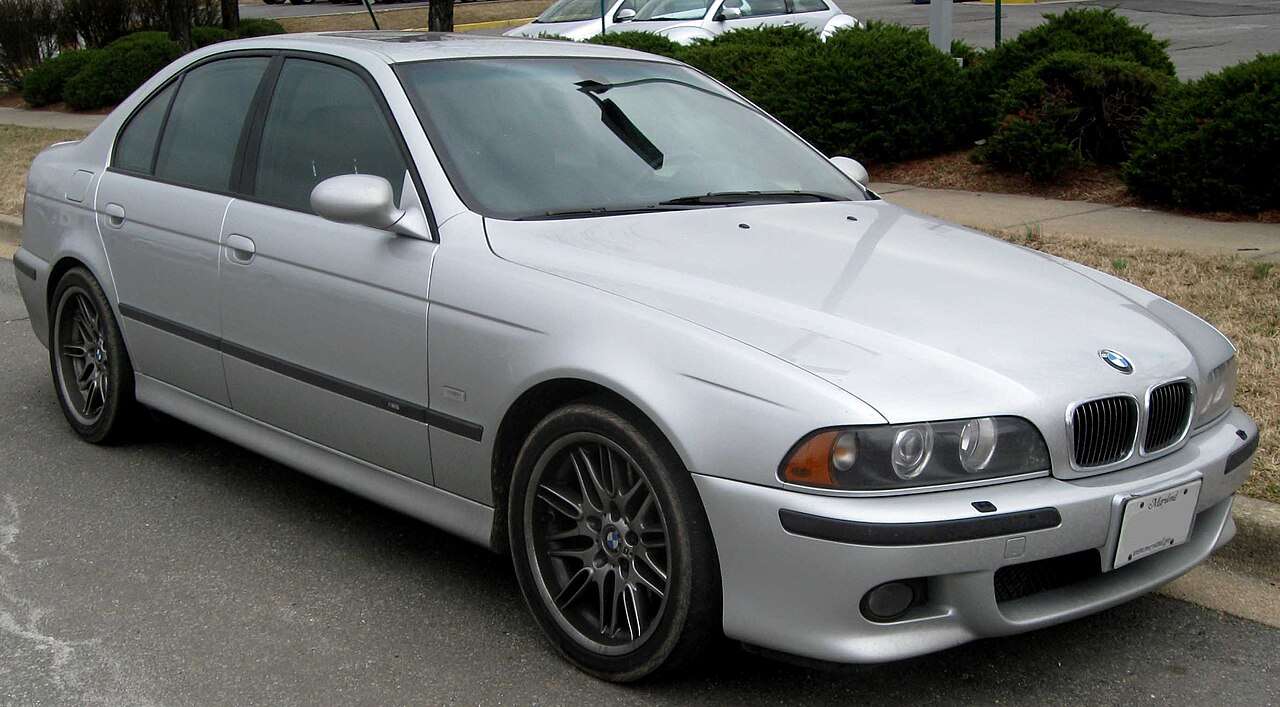
The S62B50 was BMW M’s first production V8. It used individual throttle butterflies, double VANOS variable cam timing, a semi-dry-sump lubrication system and sophisticated engine management. Output was 400PS with 500Nm, sent through a Getrag six-speed manual and variable-lock M differential. Aluminium-intensive E39 suspension, stronger brakes, quicker steering and model-specific damping produced a car that was composed rather than harsh.

Love cars you don’t see every day?
Get forgotten cars, surprising motoring stories and the most interesting finds from Unusual Cars by email.
Free to join. No spam. Unsubscribe whenever you like. See our privacy policy.
Versions and model evolution
BMW offered one saloon body and did not sell a production Touring, although a fully engineered E39 M5 Touring prototype was built for internal evaluation. Facelift cars gained the later E39 lighting treatment and detail changes, but the core drivetrain remained. Market specifications altered equipment and minor emissions details rather than creating separate performance tiers.
Why it matters
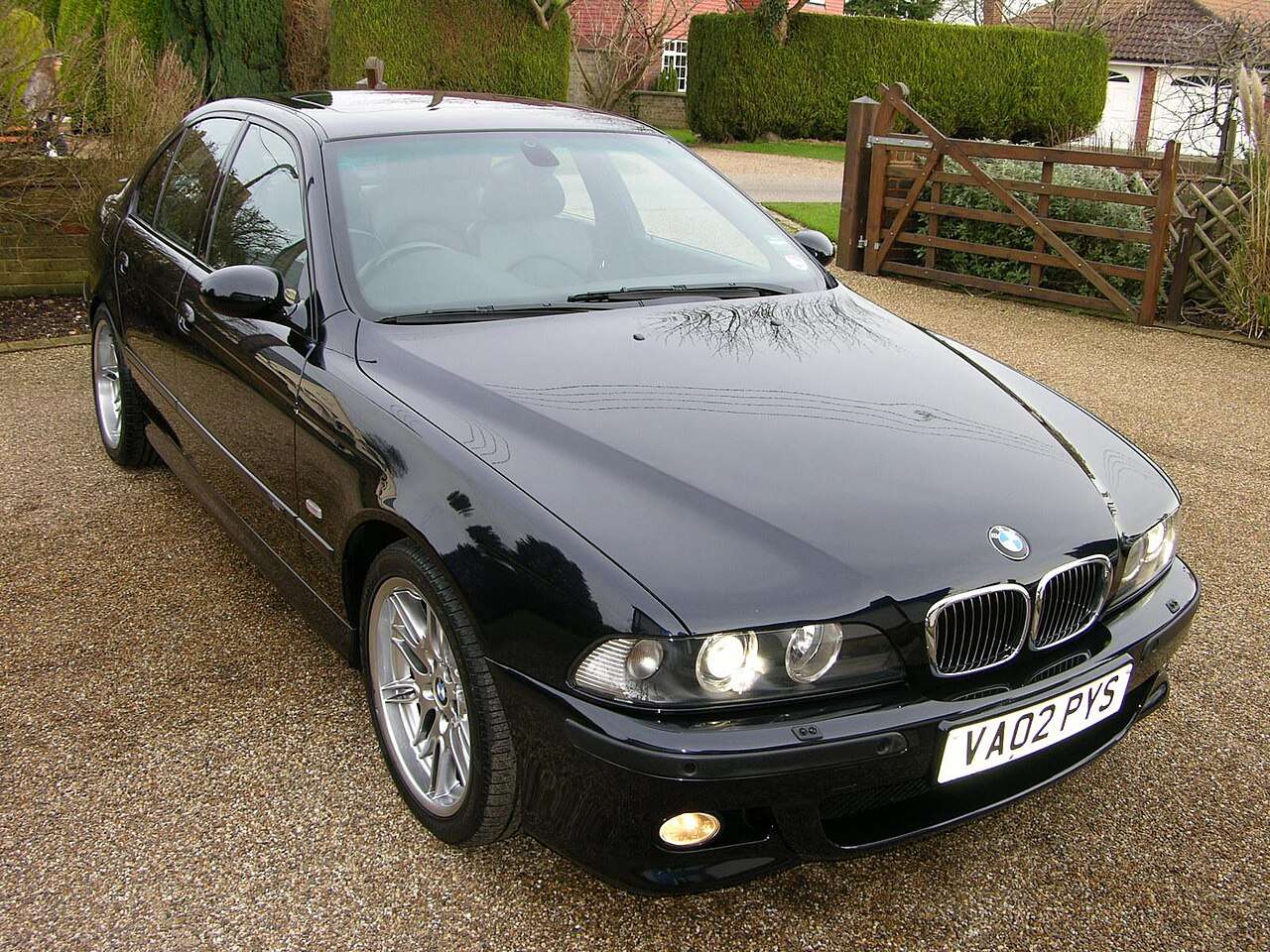
The E39 M5 balanced performance, sound, steering feel, manual control and understated design unusually well. Later M5s were faster and more technically complex, yet many enthusiasts regard the E39 as the point at which analogue involvement and modern usability overlapped. It also proved a high-volume M saloon could retain a distinct engine and chassis character.
Identity, originality and surviving cars
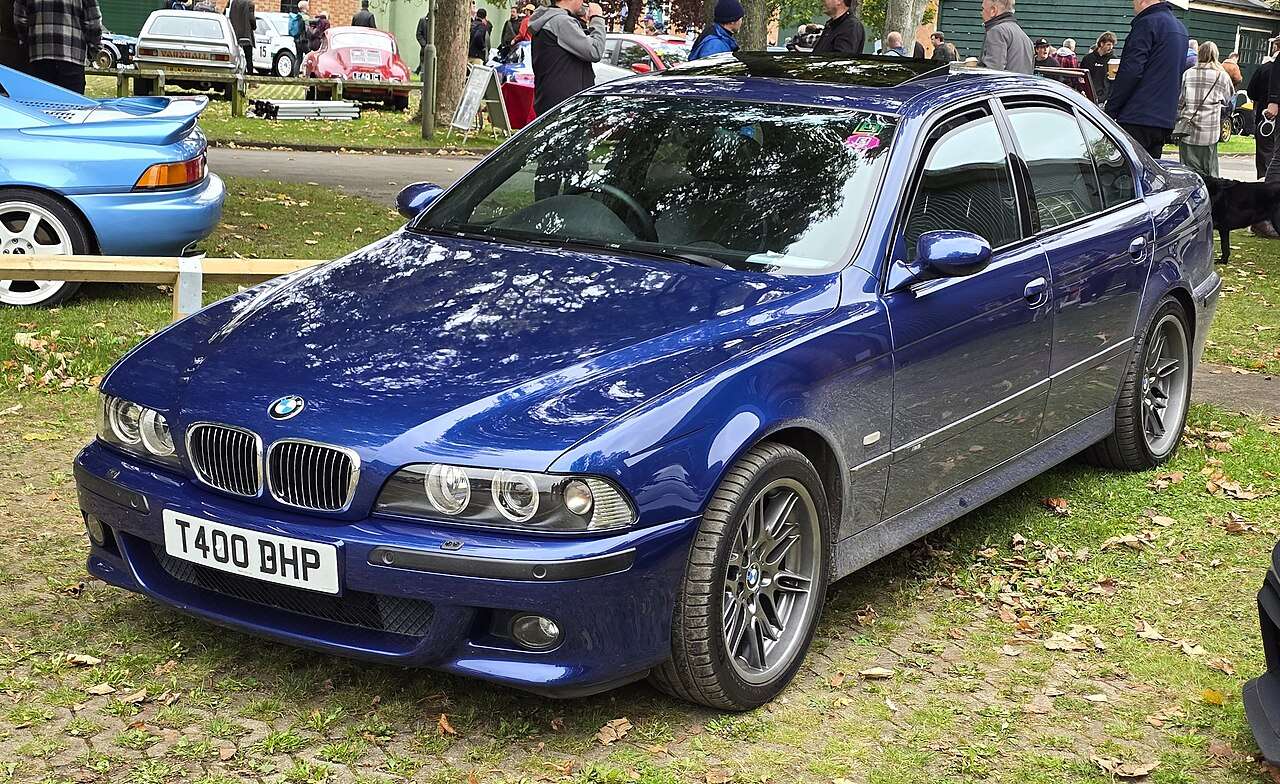
The S62 is durable when maintained but depends on cooling health, correct oil, VANOS condition and functioning electronic throttles. Rust, ageing suspension joints and differential noise also matter. The best evidence is a continuous specialist history rather than cosmetic modifications or an isolated low mileage.
Key specifications
| Production | 1998–2003 |
|---|---|
| Engine | 4,941cc S62B50 V8 |
| Power | 400PS (394bhp) |
| Torque | 500Nm |
| Performance | 0–100km/h in 5.3 seconds; six-speed manual |
Frequently asked questions
Did BMW make an E39 M5 Touring?
BMW built a complete prototype, but no E39 M5 Touring entered series production. All customer E39 M5s were saloons.
How much power does an E39 M5 have?
European specification is 400PS, equivalent to about 394bhp, with 500Nm of torque.
Is the E39 M5 automatic?
No. Every production E39 M5 used a six-speed manual gearbox.
What makes the S62 different from a normal BMW V8?
It has BMW M-specific cylinder heads, individual throttles, double VANOS, revised lubrication, higher compression and extensive management changes.
Research note: BMW M M5 generation history and BMW Group Classic E39 technical archive. Specifications can vary by market and model year; where production totals differ between sources, the article uses BMW’s published figure or states the uncertainty.