Origins and development
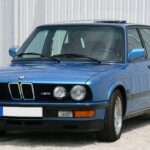
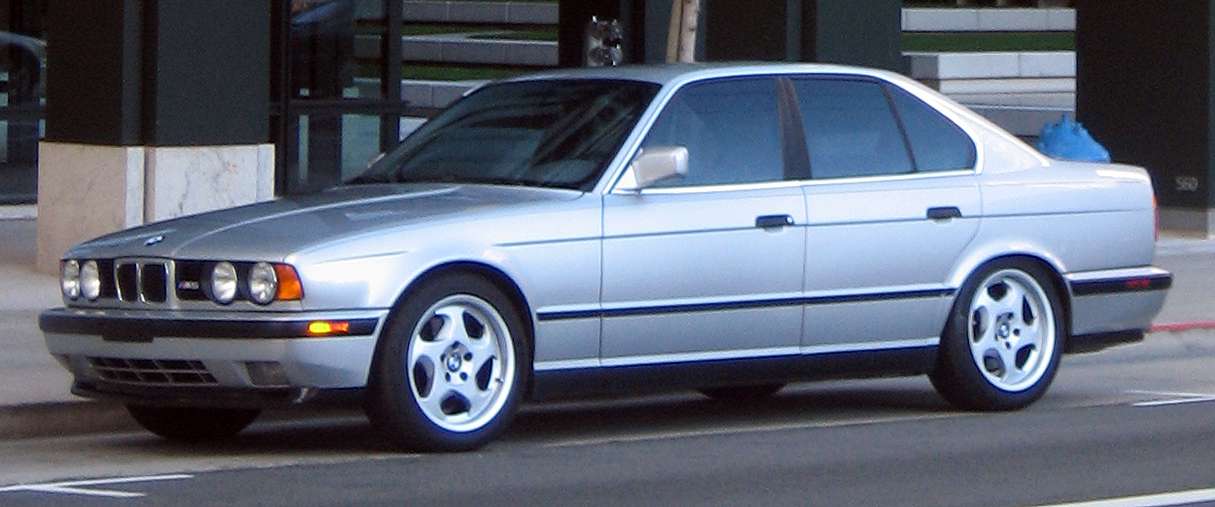
BMW M launched the second-generation M5 in 1988 using the stronger, more refined E34 5 Series as its base. Assembly at Garching retained a specialist character even as production expanded. The early 3.6 established the formula; from 1991 the 3.8 broadened performance, and later cars gained a six-speed gearbox in selected markets.
Engineering and driving character
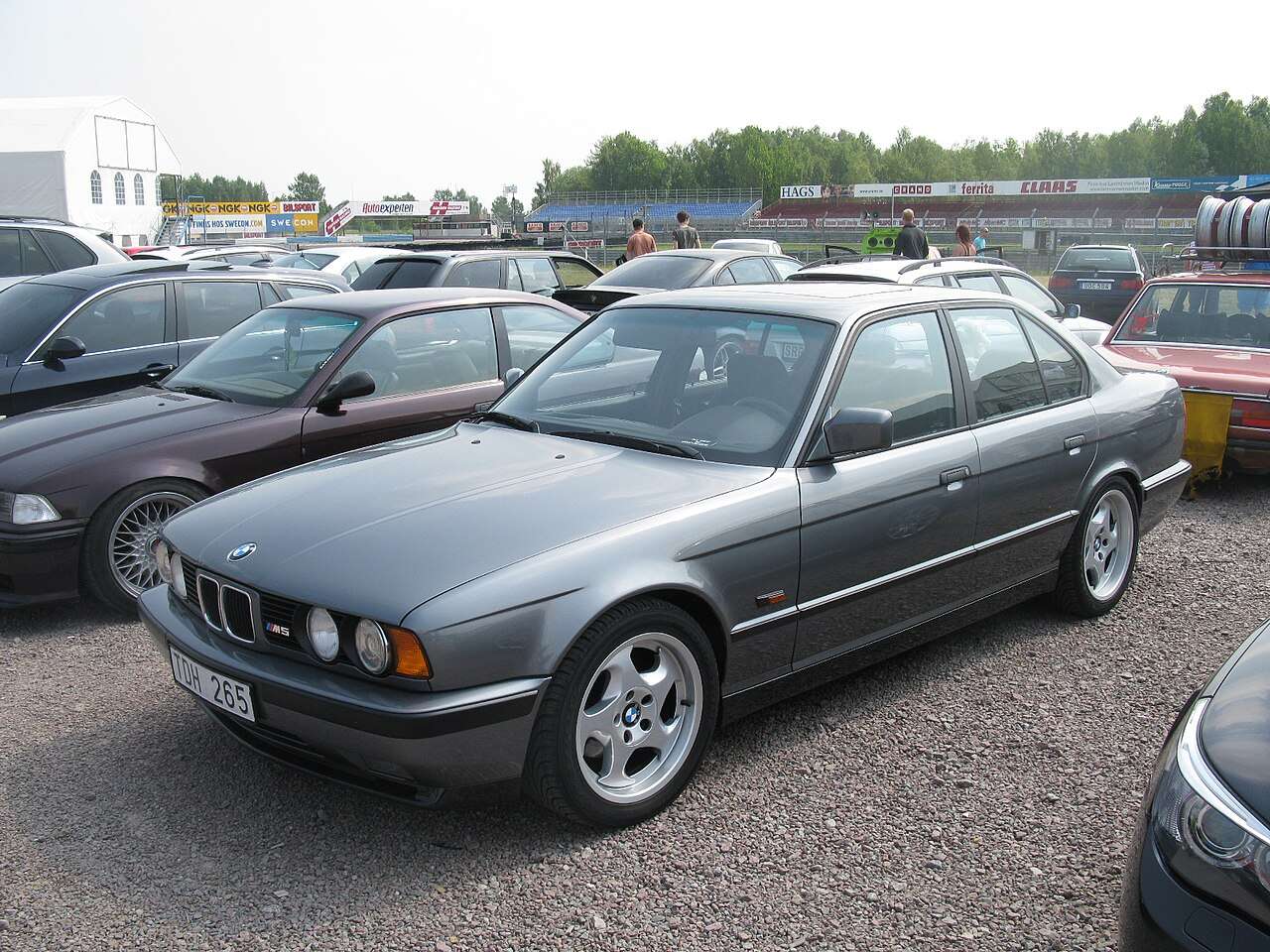
The S38B36 displaced 3,535cc and produced 315hp. The later S38B38 used 3,795cc, revised induction and management to make 340hp. Both retained individual throttle bodies and a high-revving naturally aspirated response. Self-levelling rear suspension, uprated brakes, a limited-slip differential and Nürburgring-developed chassis tuning allowed the M5 to cover ground rapidly without losing long-distance composure.
Love cars you don’t see every day?
Get forgotten cars, surprising motoring stories and the most interesting finds from Unusual Cars by email.
Free to join. No spam. Unsubscribe whenever you like. See our privacy policy.
Versions and model evolution
Saloon production covered multiple market specifications, including lower-output emissions versions. The 3.8 introduced adaptive Electronic Damper Control on some cars and larger compound brakes on later examples. The M5 Touring arrived in 1992 and was available only in left-hand drive; 891 were built, making it the rarest regular-production E34 M5 body style. Special editions included the UK-market Limited Edition and the Europe-market Winkelhock and Cecotto packages.
Why it matters
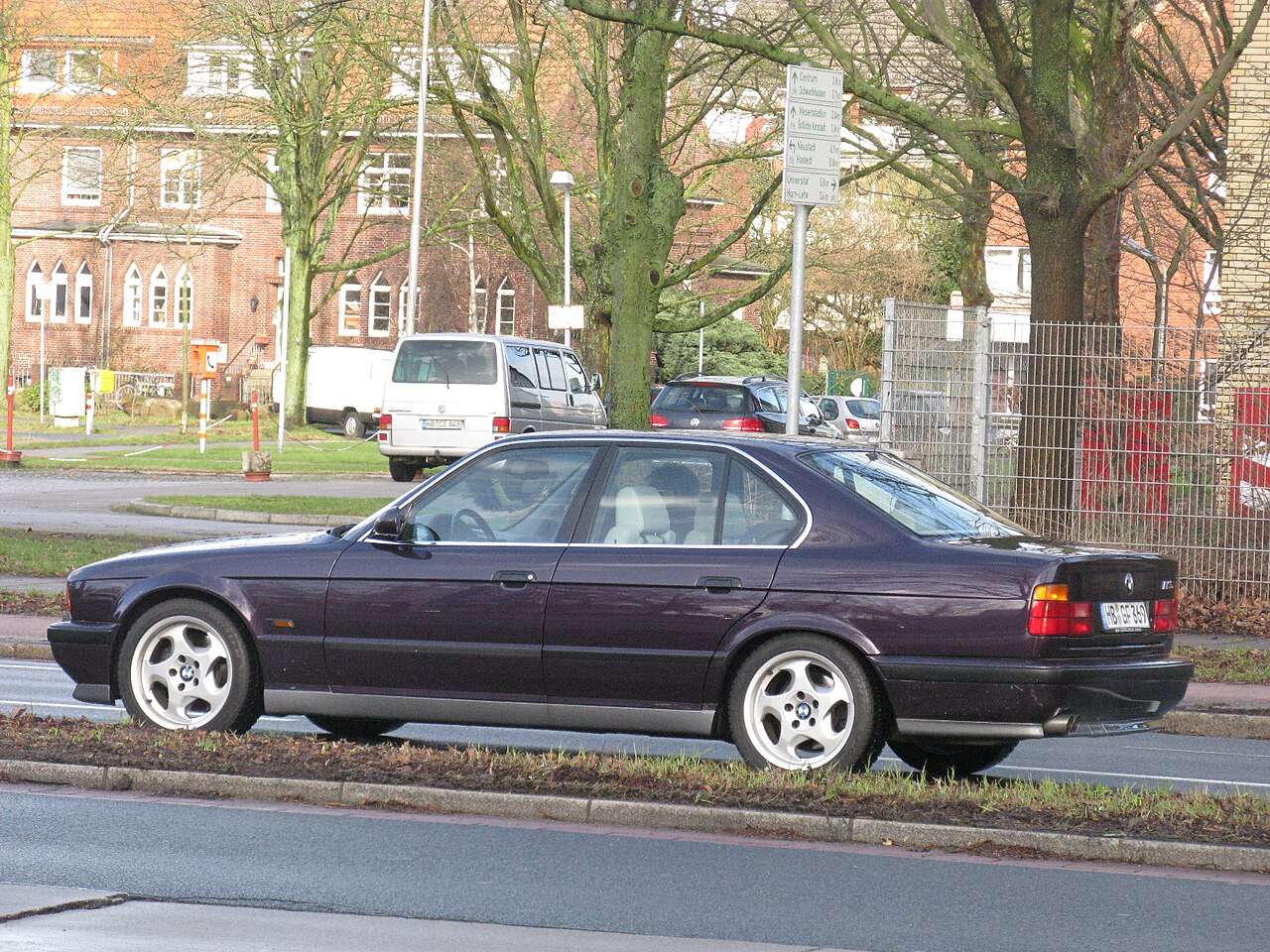
The E34 sits between eras. It has the solid, analogue feel of an older BMW M car but enough space, refinement and stability to function as a modern long-distance saloon. The Touring also created a template for high-performance estates, decades before BMW made another series-production M5 Touring.

Identity, originality and surviving cars
The S38 requires specialist maintenance, particularly valve clearances, timing components, cooling and evidence of correct oil use. Touring-specific trim and self-levelling suspension parts can be difficult to replace. VIN and build data should confirm model, engine, market and any claimed special edition.
Key specifications
| Production | 1988–1995; 11,989 cars |
|---|---|
| Engines | 3.6-litre S38B36; 3.8-litre S38B38 |
| Power | 315hp or 340hp |
| Body styles | Saloon and Touring |
| M5 Touring | 891 cars, left-hand drive only |
Frequently asked questions
How many E34 M5 Tourings were built?
BMW produced 891, all left-hand drive, between 1992 and 1995.
What is the difference between the 3.6 and 3.8 E34 M5?
The later car has a larger 3,795cc S38 producing 340hp, plus evolutionary chassis and equipment changes. Early cars use the 315hp 3,535cc engine.
Was the E34 M5 hand-built?
It was assembled largely by hand at BMW M’s Garching facility, making it the last M5 with that low-volume production character.
Did all E34 M5s have six-speed gearboxes?
No. Most used five-speed manuals. A six-speed became available on late 3.8-litre cars in selected markets.
Research note: BMW M M5 generation history and BMW Group Classic E34 production records. Specifications can vary by market and model year; where production totals differ between sources, the article uses BMW’s published figure or states the uncertainty.