Origins and development
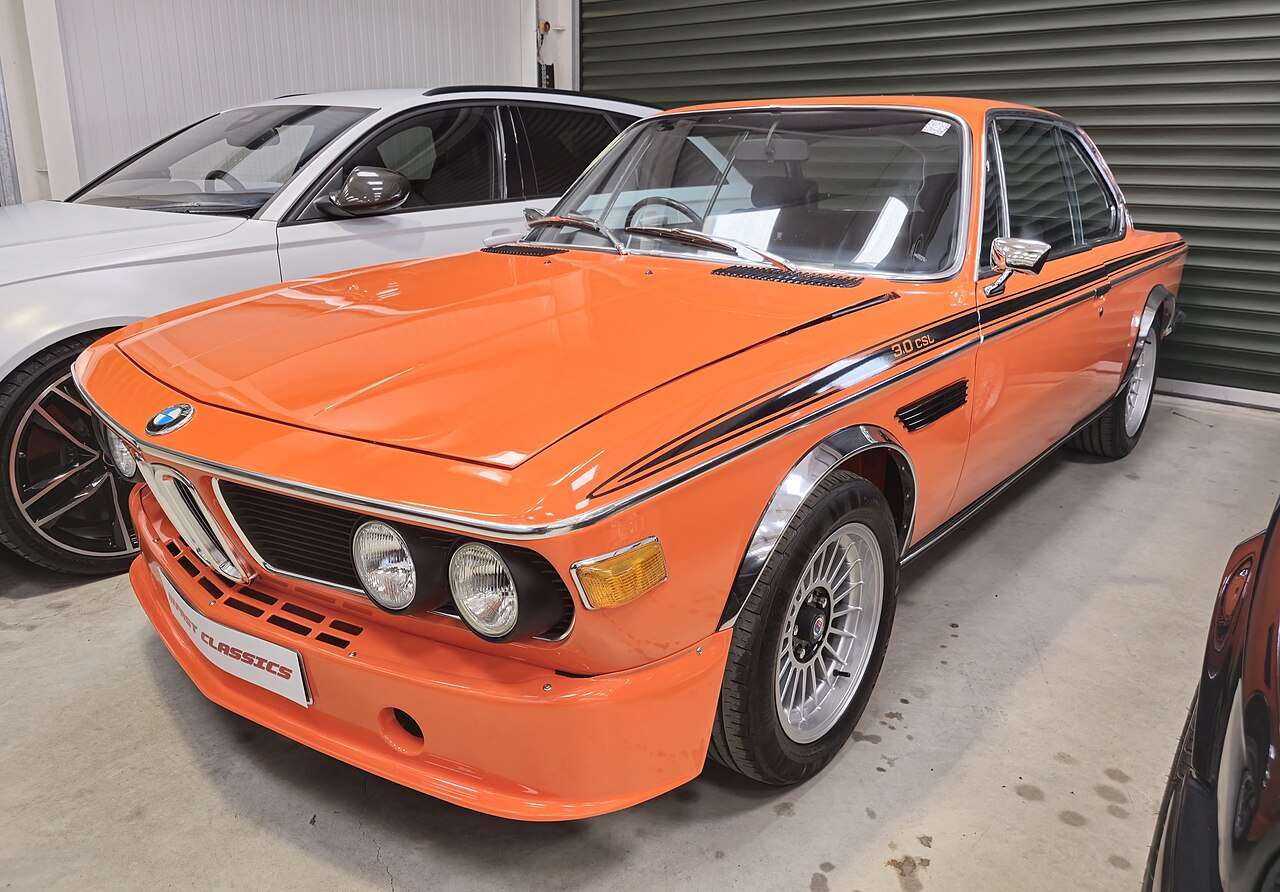
The E9 coupé began as a refined grand tourer, but BMW needed a lighter basis for European touring-car racing. The 3.0 CSL arrived in 1971 with aluminium panels, thinner steel and reduced equipment. The initials stood for Coupé Sport Leichtbau: coupé, sport and lightweight. BMW Motorsport GmbH, formed in 1972, developed the racing programme that made the CSL a six-time European Touring Car Championship winner between 1973 and 1979.
Engineering and driving character
Early CSLs used a 2,985cc carburettor straight-six with 180hp. Fuel injection followed, and engine capacity grew first to 3,003cc and then 3,153cc to place the race car in the over-three-litre class. Weight saving varied by market: aluminium bonnet, boot lid and doors, Perspex side windows, lighter trim and deletion of comfort equipment could all feature. UK-market cars often retained more equipment through importer specification and are sometimes called ‘city package’ CSLs.

Love cars you don’t see every day?
Get forgotten cars, surprising motoring stories and the most interesting finds from Unusual Cars by email.
Free to join. No spam. Unsubscribe whenever you like. See our privacy policy.
Versions and model evolution
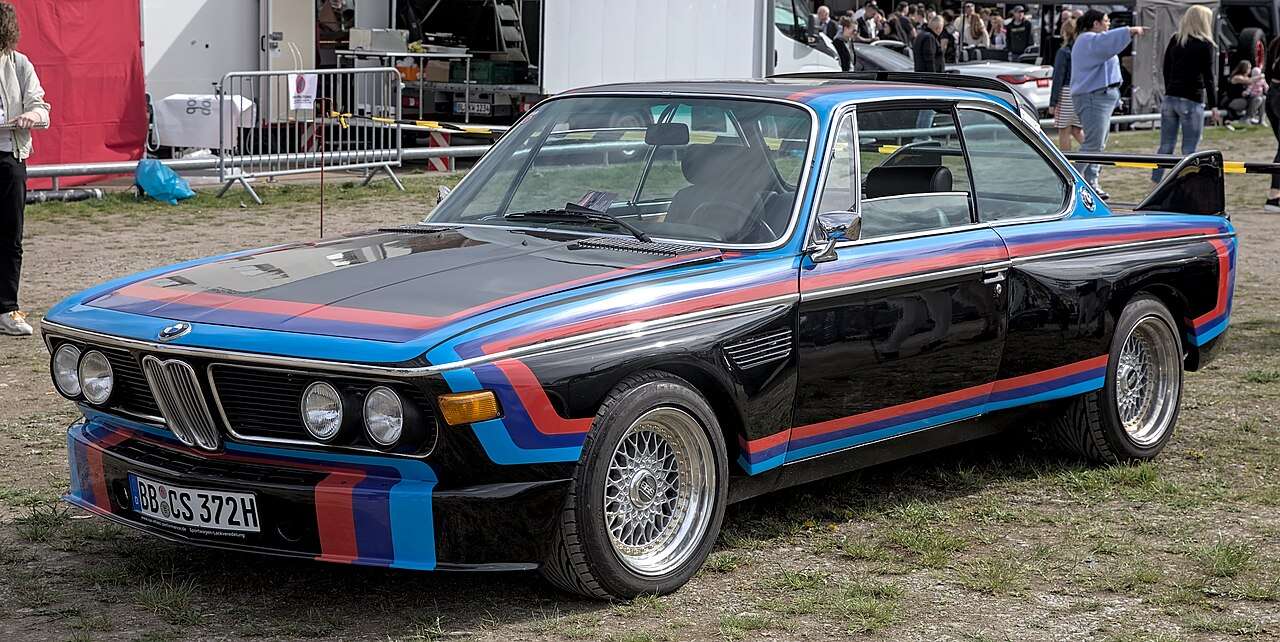
The final homologation cars gained a front air dam, fins over the front wings, a roof spoiler and a vast rear wing supplied for owner fitting because German road rules prevented factory installation. That package created the Batmobile nickname. Only 167 of the final Batmobile road cars were produced, while broader CSL production across all phases was considerably larger. Race CSLs developed far beyond road specification, including 3.5-litre engines and increasingly elaborate aero.
Why it matters
The 3.0 CSL linked BMW’s graceful six-cylinder coupés to a new competition-led identity. Its stripes, works racing colours and silhouette became visual shorthand for BMW Motorsport. The 2015 3.0 CSL Hommage and modern CSL models borrow that prestige, but the E9 earned it through weight reduction and years of racing development rather than marketing alone.

Identity, originality and surviving cars
A genuine CSL should be understood by its chassis identity and original-market specification. Equipment varied, and many ordinary E9 coupés have acquired spoilers or lightweight-style trim. Corrosion and restoration can replace large areas of a shell, so provenance, continuous records and expert inspection matter more than a superficial Batmobile appearance.
Key specifications
| Production | 1971–1975; several development phases |
|---|---|
| Engines | 2,985cc, 3,003cc and 3,153cc straight-six |
| Power | 180–206hp in road form |
| Layout | Front-engine, rear-wheel drive |
| Signature version | 167 final Batmobile homologation cars |
Frequently asked questions
What does CSL mean?
It stands for Coupé Sport Leichtbau—coupé, sport and lightweight—describing the reduced-mass homologation version of the E9.
Were all BMW 3.0 CSLs Batmobiles?
No. The Batmobile was the final aerodynamically developed homologation version. Earlier CSLs have cleaner bodywork without the full wing package.
Why did UK CSLs often have more equipment?
BMW’s British importer specified a more comfortable ‘city package’ with features deleted from the lightest continental cars, reflecting the expectations of road customers.
How successful was the 3.0 CSL in racing?
It won the European Touring Car Championship six times and became one of the defining touring cars of the 1970s.
Research note: BMW Group Classic 3.0 CSL history and BMW Motorsport heritage material. Specifications can vary by market and model year; where production totals differ between sources, the article uses BMW’s published figure or states the uncertainty.