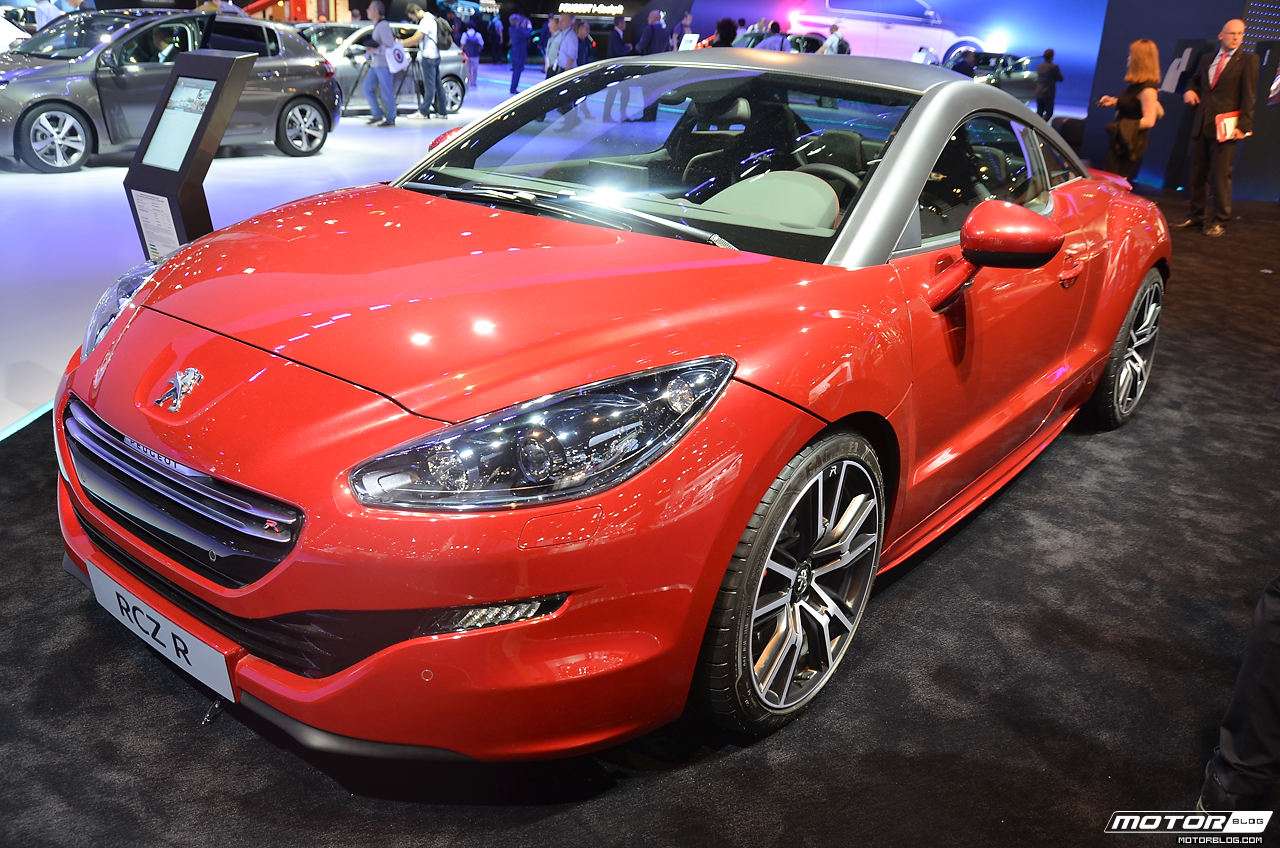
The Peugeot RCZ proved that a production coupé could retain the drama of a motor-show concept. Its aluminium roof arches, double-bubble roof and cab-rearward stance were unlike anything else carrying a Peugeot badge in the early 2010s. Beneath the shape sat familiar front-drive hardware, but careful chassis tuning—and, in the RCZ R, serious Peugeot Sport engineering—gave the car substance as well as style.
From concept car to production coupé
The RCZ began as a design exercise shown in 2007. Public reaction persuaded Peugeot to put it into production with remarkably little visual dilution. Built by Magna Steyr in Austria, it used PSA’s PF2 platform but wrapped it in a genuinely distinctive body. The fixed rear spoiler deployed automatically at speed, while the sculpted glass and roof panel created the signature double-bubble profile.
.jpg?width=1400)
Engines and versions
Most UK cars used the 1.6-litre direct-injection THP petrol engine, offered in several outputs, or the torquey 2.0-litre HDi diesel. The 200hp petrol version was the enthusiast sweet spot before the R arrived, combining a six-speed manual gearbox with stronger performance and a more purposeful chassis.
The HDi is less glamorous but suits long-distance use and gives the RCZ an unusually broad range. Condition and maintenance matter more than the badge on the boot: neglected petrol and diesel examples can both become expensive.
RCZ R: Peugeot Sport finishes the job
Unveiled in production form in 2013, the RCZ R extracted 270hp from 1.6 litres—an exceptional specific output for the period. Peugeot Sport added forged internal components, a Torsen limited-slip differential, larger brakes, revised springs and dampers, altered geometry and bespoke tyres. Peugeot quoted 0–100km/h in under six seconds.
.jpg?width=1400)
On the road
A standard RCZ feels planted and composed rather than aggressively adjustable. The THP 200 adds useful urgency, but the R is the version that turns the attractive coupé into a convincing driver’s car. Its steering, front-end grip and braking stamina are substantially more focused without making it unusable on ordinary roads.
Common problems and checks
- THP timing system: listen for chain rattle on a cold start and insist on evidence of correct oil and timely maintenance.
- Direct injection: carbon deposits, high-pressure fuel-pump faults and ignition problems can cause hesitation or warning lights.
- Cooling and turbo: inspect for leaks, overheating history and weak boost delivery.
- HDi cars: check DPF regeneration, EGR operation and dual-mass flywheel condition.
- Chassis: worn bushes, tired dampers and uneven tyre wear undermine the car’s handling; R-specific brakes and parts cost more.
- Body and roof: inspect the aluminium arches, rear spoiler mechanism, glazing and wide doors for damage or poor repair.
Which RCZ is the one to remember?
The THP 200 offers the best balance of price, performance and character for many owners. The RCZ R is the landmark model: rare, fast and properly re-engineered by Peugeot Sport. A well-kept HDi remains an appealing grand tourer, but originality, service history and evidence of sympathetic ownership should decide the purchase.
Frequently asked questions
Is the Peugeot RCZ a 2+2?
Yes, but the rear seats are very small. They are best treated as occasional seating or useful additional luggage space.
How much power does an RCZ R have?
The Peugeot Sport-developed RCZ R produces 270hp from its 1.6-litre turbocharged petrol engine.
Did every RCZ have the double-bubble roof?
Yes. The sculpted roof and rear glass are defining features of every RCZ, although roof-arch finishes and trim vary.
What is the quickest Peugeot RCZ?
The RCZ R is the fastest factory version. Peugeot quoted 0–100km/h in under six seconds.
Is the Peugeot RCZ R just an engine upgrade?
No. It also has a Torsen limited-slip differential, larger brakes, revised suspension, altered geometry and Peugeot Sport-specific chassis tuning.
What should be checked on a THP-powered RCZ?
Listen for timing-chain rattle and check for carbon deposits, high-pressure fuel-pump faults, cooling leaks, turbo problems and complete oil-service history.
Love cars you don’t see every day?
Get forgotten cars, surprising motoring stories and the most interesting finds from Unusual Cars by email.
Free to join. No spam. Unsubscribe whenever you like. See our privacy policy.
Research note: Technical and historical claims were checked against Peugeot/Stellantis heritage material, including the official RCZ R specification. Individual cars vary by year and market; verify details from the VIN and original documentation.