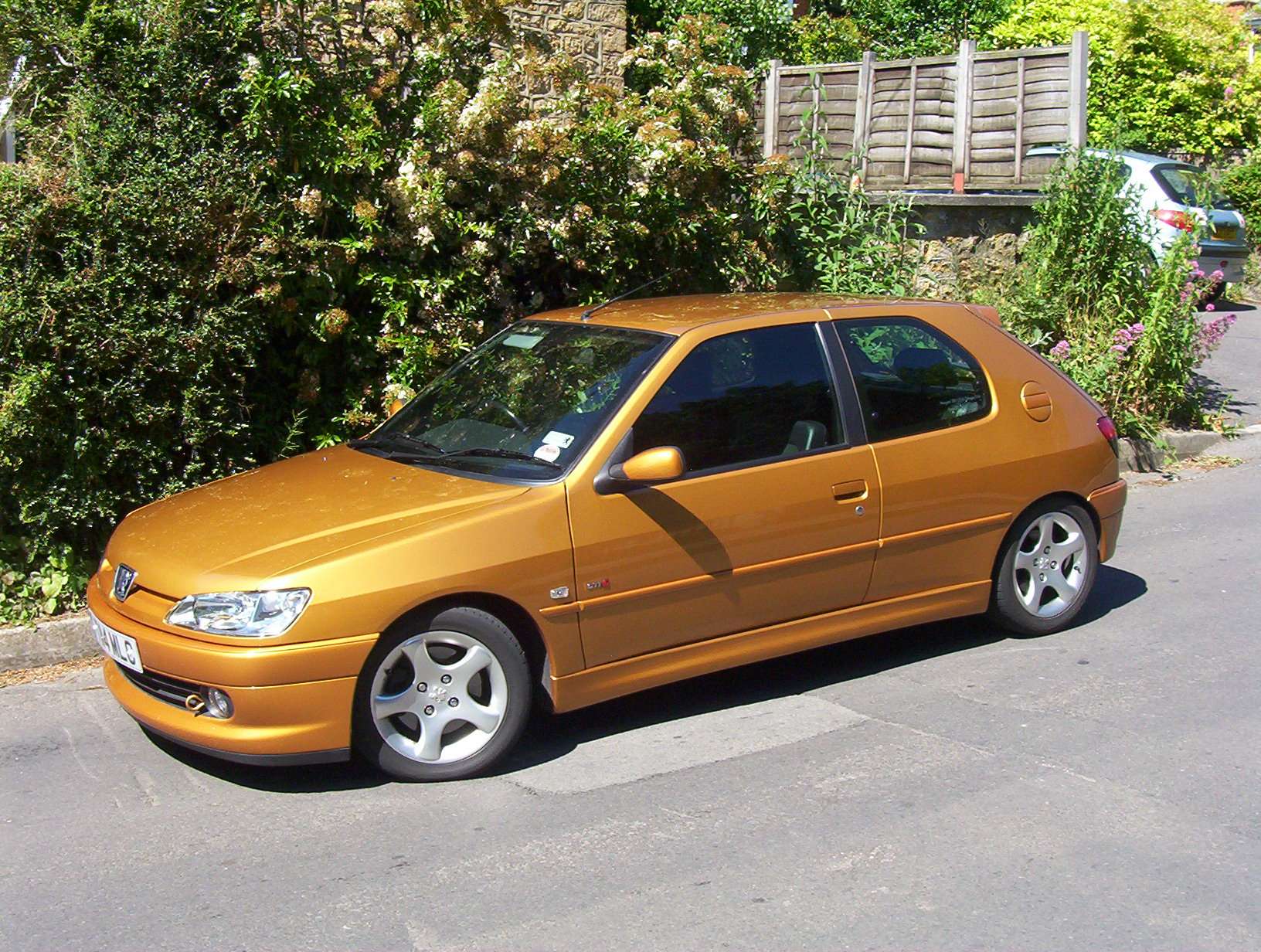
The Peugeot 306 combined handsome styling, supple suspension and unusually communicative handling across a remarkably broad range.
Peugeot 306 history and phases
The 306 replaced the 309 and shared PSA architecture with the Citroën ZX, but Peugeot gave it its own character through styling, suspension tuning and a large selection of petrol and diesel engines. Phase 1 established the clean original shape; the 1997 Phase 2 revision brought a smoother nose and substantial cabin changes; later Phase 3 cars received further lighting and trim updates.

Body styles and ordinary models
.jpg?width=1400)
Hatchbacks
Three- and five-door cars formed the core range, from modest petrol models to diesels, XSi, S16 and GTI-6.
Saloon and estate
Practical versions that demonstrate how broad the 306 programme became; good survivors are now scarce.
Cabriolet
Pininfarina assembled the elegant four-seat convertible. Roof condition, drainage and body rigidity require careful checks.
Diesels
XUD naturally aspirated and turbo diesels earned a durable reputation, but age, cooling neglect and corrosion now dominate.
306 S16, XSi and GTI-6

The XSi offered a sporting chassis without the flagship specification. The S16 carried a 2.0-litre 16-valve engine, while the later GTI-6 used Peugeot’s 167hp XU10J4RS and a six-speed manual gearbox. The unusually tight sixth ratio kept the engine in its useful range rather than acting purely as a motorway overdrive.
Check originality carefully: engines, gearboxes, brakes, wheels and interiors have often been swapped between cars. A correctly rebuilt standard car can be preferable to a claimed low-mileage example with uncertain history.

Peugeot 306 Rallye
The Rallye was a UK-focused lightweight special using the GTI-6 engine and gearbox but deleting equipment including air conditioning and some sound insulation. White was the signature colour, although black and red were also offered. Identity should be established from the VIN, trim and records rather than decals alone.
306 Maxi rally car
The front-wheel-drive 306 Maxi was a highly developed competition machine rather than a modified GTI-6. Official Peugeot history records French rally titles in 1996 and 1997 and major asphalt success against four-wheel-drive opposition.

Common Peugeot 306 problems
- Rear axle: worn trailing-arm bearings cause negative camber, noise and tyre wear.
- Corrosion: inspect sills, floor edges, inner wings, boot floor, suspension mounts and previous repairs.
- Cooling and belts: require dated evidence for timing-belt, tensioner, water-pump and coolant work.
- Gearbox: GTI-6 synchromesh, linkage and clutch condition need a full road test.
- Electrics: test windows, central locking, heater blower, instruments and immobiliser.
- Cabriolet: check roof fabric, mechanism, seals, drainage and damp carpets.
Buying checklist
Start with structural condition and identity. View from cold, confirm warning lights, let the cooling fan cycle and drive long enough to assess steering, rear suspension, brakes and hot restart. Rare trim and correct GTI-6 or Rallye parts can cost more to replace than routine mechanical items.
Frequently asked questions
How much power does a Peugeot 306 GTI-6 have?
The 2.0-litre XU10J4RS engine was rated at 167hp and paired with a six-speed manual gearbox.
Is the Peugeot 306 Rallye more powerful than the GTI-6?
No. It uses the same 167hp engine and six-speed gearbox; its advantage is lower weight through deleted equipment and reduced sound insulation.
What is the most common Peugeot 306 suspension problem?
Wear in the rear beam bearings is the best-known issue. Visible rear-wheel camber, creaking or uneven tyre wear can indicate that the axle needs specialist rebuilding.
Was every Peugeot 306 styled by Pininfarina?
The hatchback, saloon and estate were Peugeot designs. Pininfarina was closely involved with the Cabriolet and assembled the open model in Italy.
What is the difference between a 306 S16 and GTI-6?
Both are sporting 16-valve models, but the later GTI-6 uses the 167hp XU10J4RS engine and six-speed gearbox. Specification varies by market, so verify the VIN and build details.
Is a Peugeot 306 now a classic car?
The earliest cars are more than 30 years old and good GTI-6, Rallye, S16 and Cabriolet examples are already regarded as modern classics. Condition and originality matter greatly.
Love cars you don’t see every day?
Get forgotten cars, surprising motoring stories and the most interesting finds from Unusual Cars by email.
Free to join. No spam. Unsubscribe whenever you like. See our privacy policy.
Research note: 306 GTI-6 output and 306 Maxi history were checked against official Peugeot/Stellantis heritage material. Specifications varied by market and year.