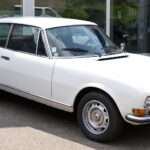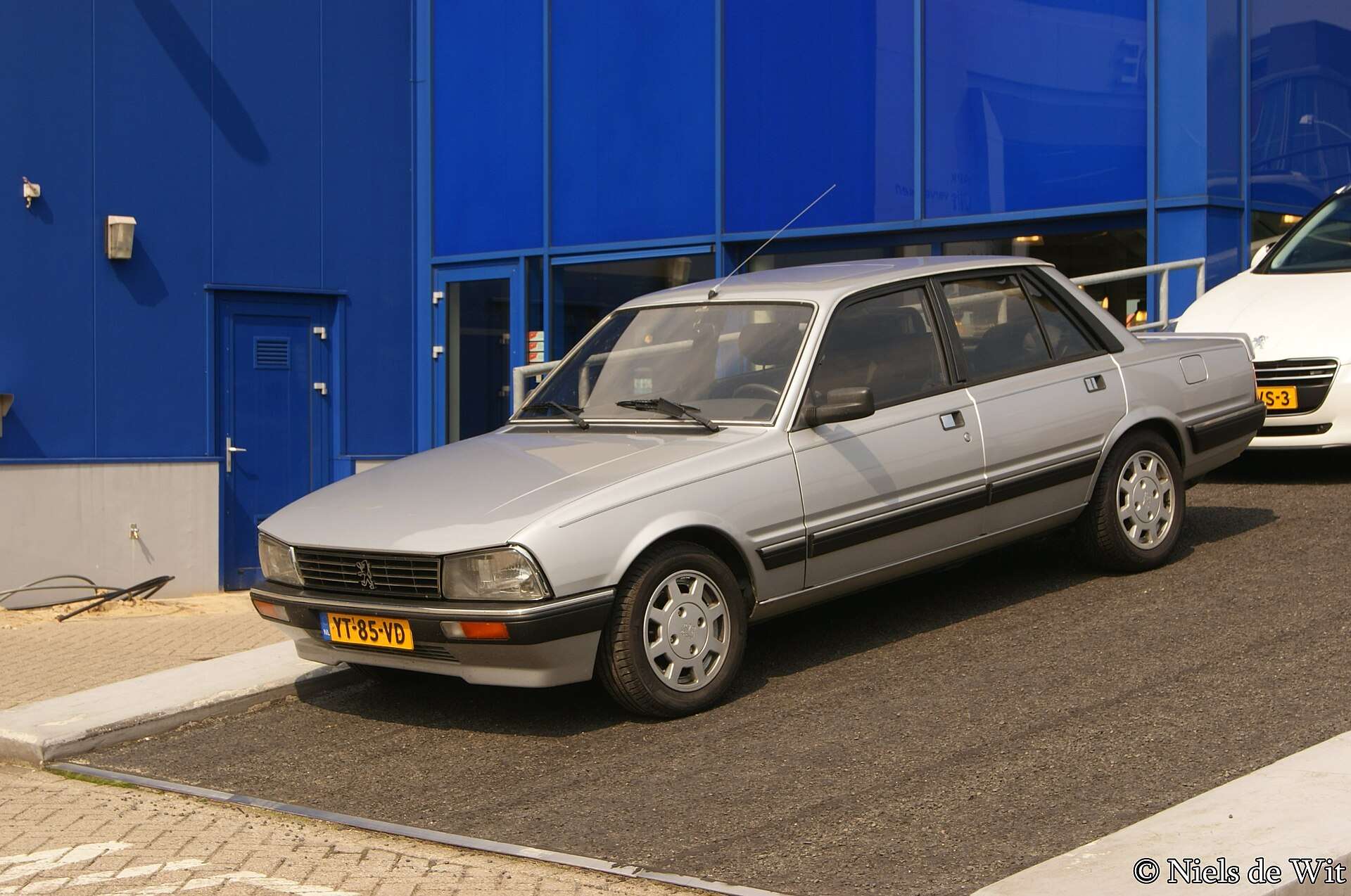
The Peugeot 505 combined traditional rear-wheel-drive engineering with family-car durability, enormous estate-car practicality and genuinely serious performance derivatives.
Peugeot 505 history
Styled with Pininfarina involvement and developed as the successor to the 504 saloon, the 505 retained a longitudinal engine and rear-wheel drive. Its ride, balance and robustness made it effective on European roads and in demanding export markets, where production continued beyond its mainstream European life.
.jpg?width=1400)
Saloon and estate
.jpg?width=1400)
Saloon
The core four-door combined generous space with unusually supple suspension and composed rear-drive handling.
Estate and Familiale
A long-wheelbase load carrier with vast capacity; some versions provided three rows of seats.
Diesels
Naturally aspirated and turbo diesels built the 505’s long-distance reputation, but neglected cooling and injection systems are costly.
Pickups and global variants
Market-specific derivatives underline how widely the basic platform was adapted.
GTI and V6
%2002.jpg?width=1400)
The GTI offered fuel-injected petrol performance without abandoning comfort. The later V6 used the PRV engine and broadened the 505’s executive-car appeal. Exact outputs and equipment vary by market, so identify imported cars by VIN and original documentation.
505 Turbo Injection
Official Peugeot history records the production Turbo Injection arriving in 1983 with a 2.2-litre engine developed with technical input from Porsche. It began with 150hp, followed by a 160hp version, while a PTS/Danielson kit could raise output to around 200hp. These are rare, complex cars whose identity and period components deserve specialist scrutiny.
Motorsport
The road Turbo led to dramatic French Production and Superproduction racers. Peugeot records eight outright victories between 1984 and 1987 with Jean-Pierre Beltoise and Jean-Pierre Jabouille, with later race outputs far beyond road-car specification.

Common problems
- Corrosion: inspect sills, floors, front rails, suspension points, arches, boot and estate tailgate structure.
- Cooling: large engines and turbo cars require a sound radiator, hoses, fan and clean coolant.
- Rear axle and driveline: listen for differential, propshaft and wheel-bearing noise.
- Turbo hardware: establish turbocharger, injection, boost-control and fuel-system condition.
- Interior and trim: model-specific dashboards, seats, lamps and exterior pieces can be extremely difficult to source.
Buying advice
Prioritise a complete shell with continuous documentation. Verify claims about GTI, V6 or Turbo specification and beware cars assembled from several donors. Imported examples may differ legitimately, but their market and identity need evidence.
Frequently asked questions
Is the Peugeot 505 rear-wheel drive?
Yes. The 505 uses a longitudinal engine and rear-wheel drive, continuing the engineering layout of the 504 it replaced.
How powerful was the Peugeot 505 Turbo Injection?
The production model began at 150hp, later rose to 160hp, and could reach roughly 200hp with the period PTS/Danielson performance kit.
Was there a Peugeot 505 V6?
Yes. Later 505s were offered with the PRV V6 in selected markets, giving the saloon a more overt executive-car character.
How many seats does a Peugeot 505 estate have?
Many estates have five seats, while Familiale and some market-specific versions use a third row to carry up to eight people.
Did Peugeot sell diesel 505s?
Yes. Naturally aspirated and turbocharged diesel versions were important to the model’s reputation for durable long-distance transport.
What is the biggest buying risk with a Peugeot 505?
Structural corrosion and missing model-specific trim are often more serious than routine mechanical faults. Turbo cars also require careful checks of injection, boost control and cooling.
Love cars you don’t see every day?
Get forgotten cars, surprising motoring stories and the most interesting finds from Unusual Cars by email.
Free to join. No spam. Unsubscribe whenever you like. See our privacy policy.
Research note: Turbo Injection development and Superproduction results were checked against official Peugeot/Stellantis heritage material. Market specifications varied substantially.