
Rare performance Vauxhalls
The Vauxhall Manta is one of Britain’s most recognisable rear-wheel-drive coupés: an Opel-developed fastback that became a fixture of UK roads, club culture and rallying. The early Manta A created the name, but the long-lived Manta B—especially the GT/E, GSi and late GSi Exclusiv—is the car most UK enthusiasts mean when they say “Manta”. This guide puts that distinction at the centre of the buying decision.
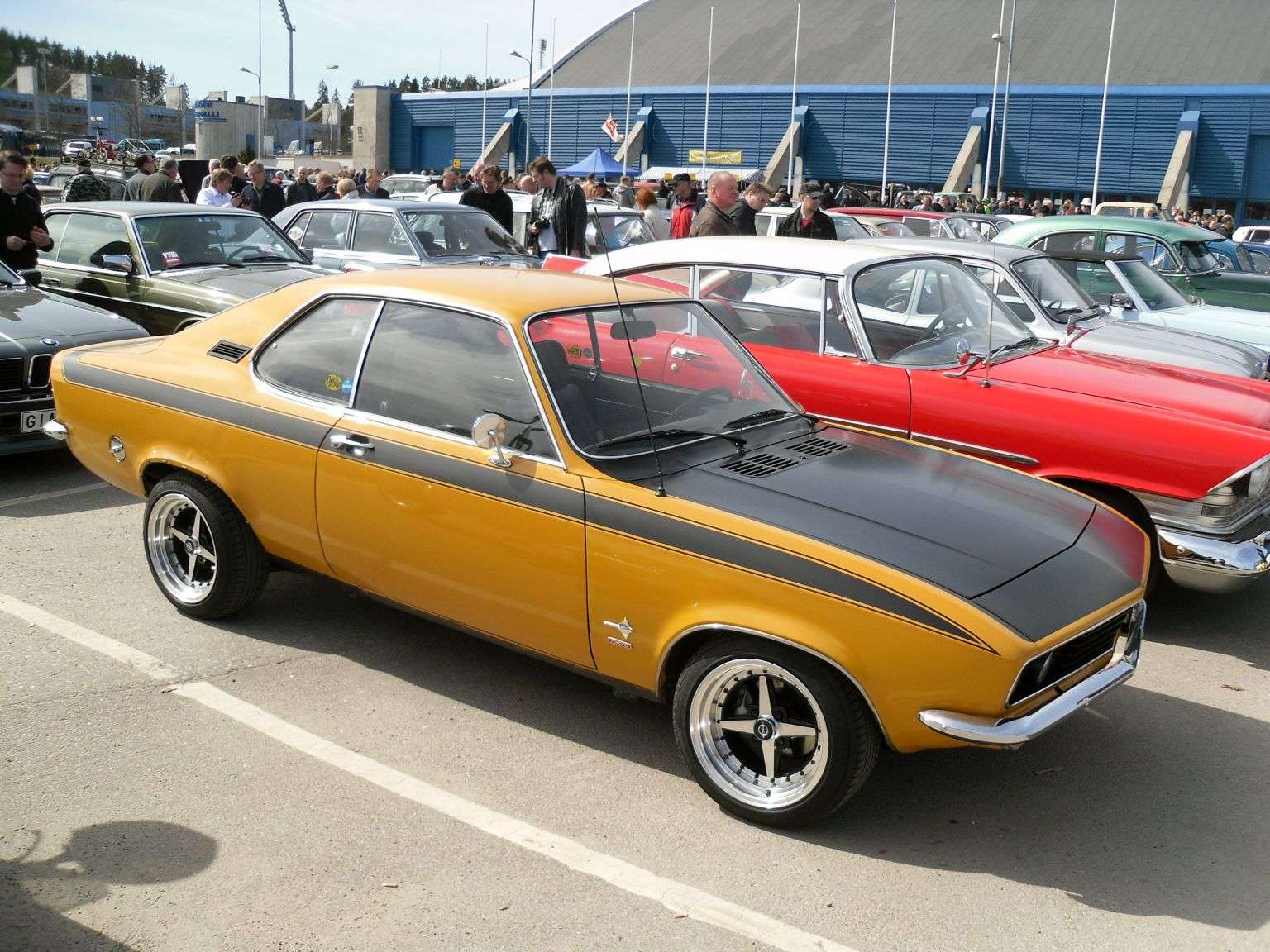
What is the Vauxhall Manta?
The Manta was sold by Opel from 1970 and by Vauxhall in the UK. It shared much of its engineering with the Ascona, but the body was a two-door coupé. In Britain it became a natural rival to cars such as the Ford Capri: practical enough to use, rear-wheel drive, and available in everything from modest everyday specifications to genuinely sporting fuel-injected versions.
There are two principal generations. The Manta A ran from 1970 to 1975, with a compact, curving coupé shape. The Manta B followed in 1975 and remained in production until 1988. It is the square-cut later car most British enthusiasts picture, available as a conventional coupé and later as the hatchback-like CC.
Manta A, Manta B and the important versions
Manta A: 1970–1975
The original Manta established the formula. It used Opel’s rear-wheel-drive mechanical layout and was offered with a range of four-cylinder engines, including 1.6-, 1.9- and 2.0-litre versions depending on market. The GT/E is the key sporting derivative: Opel introduced the 1.9-litre GT/E in 1974 with Bosch L-Jetronic fuel injection and 105hp. That is modest by modern standards, but the car’s weight, directness and simple layout make it rewarding.

Manta B: 1975–1988
The second generation was longer-lived, more angular and far more common in Britain. It was offered as a conventional coupé and, from 1978, the more practical CC with its large hatchback. Its range ran from basic cars through SR and Berlinetta trim to the sporting GT/E and later GSi.
The Manta B is the UK cult classic
The Manta B is the shape embedded in British car culture: the low bonnet, broad glass area, rectangular lamps and rear-wheel-drive stance are what most people picture. It remained on sale for thirteen years, so it covers a much wider mix of engines, trim and condition than the earlier Manta A. That is why a buyer should first decide whether they want a standard usable Manta B, a correct sporting model, a late special edition, or a properly documented modified car.
Manta B GT/E
The GT/E is the important road-going sporting Manta B. Opel gave it the injected 2.0-litre engine, firmer suspension, more direct steering, a matt-black bonnet treatment, reduced chrome and a proper set of instruments including rev counter, voltmeter and oil-pressure gauge. The 105hp output, later 110hp in the 2.0-litre version, is not the whole point: correct GT/E trim, injection equipment, instruments and a coherent history are central to value.

Manta B GSi and GSi Exclusiv
In 1984 the sporting Manta B was renamed GSi. The final headline version was the GSi Exclusiv, prepared in small numbers by Irmscher; UK adverts often use the anglicised “Exclusive”, but the original Opel name is Exclusiv. These late cars appeal because they combine the final Manta B specification with distinctive Irmscher details, but that makes originality particularly important. Check the VIN and documents, factory/Irmscher evidence, wheels, trim, interior and any claimed special-edition equipment rather than relying on decals or a body kit.
| Manta A | 1970–1975; compact first-generation coupé; key sporting version is the 1.9 GT/E. |
|---|---|
| Manta B GT/E | Sporting injected 2.0-litre version; direct steering, firmer suspension and distinctive period trim. |
| Manta B GSi | 1984-on name for the sporting injected Manta B. |
| Manta B GSi Exclusiv | Late limited-production Irmscher-developed version; assess originality and documentation carefully. |
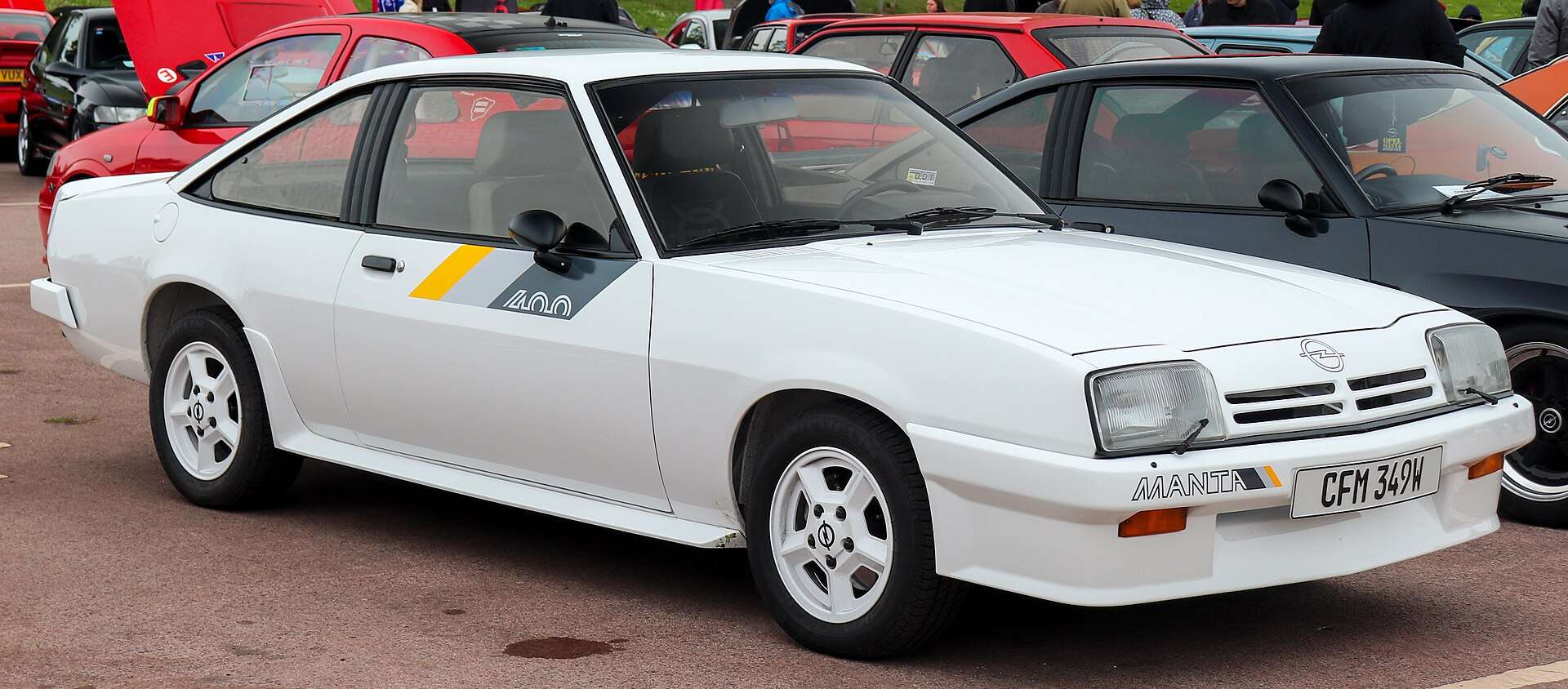
Manta 400
The Manta 400 is the separate special. It was created for Group 4 rally homologation and should never be confused with an ordinary Manta wearing wide arches and decals. The road car used a 2.4-litre, four-valve, twin-cam four-cylinder engine rated at 144hp; the competition cars were a much more developed proposition. Genuine cars are rare, valuable and a specialist purchase. Identity, history and correct components are fundamental.
Specification context
| Manta A GT/E | 1.9-litre four-cylinder, Bosch L-Jetronic injection, 105hp |
|---|---|
| Manta B GT/E | 2.0-litre injected four-cylinder; 105–110hp depending on version |
| Manta B GSi | Later name for the sporting injected Manta B |
| Manta 400 road car | 2.4-litre DOHC 16-valve four-cylinder, 144hp |
| Layout | Front engine, rear-wheel drive; manual transmission on the important sporting models |
Figures vary by year, country and measurement method, so use them as a way to identify a car rather than as a substitute for documentation. Vauxhall and Opel badges alone do not define a rare derivative; establish the exact body, engine, gearbox and factory specification.

Why the Manta matters
The Manta’s appeal is broader than pure performance. It has a recognisable silhouette, straightforward rear-wheel-drive chassis, a huge enthusiast following and a direct link to Opel’s rally story. The Manta B also remained available for an unusually long time, creating a broad spread of trim levels, engines and conditions. That makes it possible to find a usable entry-level car, but it also means that a badge or body kit says very little on its own.
The 400 gave the name motorsport credibility, while the GT/E and GSi give most road-car buyers the most useful performance-and-character balance. A correctly preserved Berlinetta can be just as appealing as a sporting model if originality is the objective.
What to inspect before buying a Vauxhall Manta
Body shell and corrosion
Start underneath. Inspect sills, floorpans, chassis rails, front and rear suspension mounting points, inner wings, bulkhead areas, wheelarches, lower doors, boot floor and screen surrounds. Fresh underseal, thick seam sealer and recent paint are not proof of poor work, but they make it more important to inspect properly. Restoration photographs and invoices are valuable.
Identity and originality
Match the VIN, V5C and chassis plate, then establish what the car was when new. Genuine sporting models command a premium only when their engine, trim and supporting history make sense. On a Manta 400, specialist confirmation is sensible. On a modified Manta, ask for a clear description of the shell, donor components, engine installation, brakes, suspension and insurance position.
Engine, gearbox and axle
Check for cold-start smoke, oil leaks, cooling problems and uneven running. Original fuel-injection parts, carburettors, exhaust manifolds and ignition components can influence both expense and originality. Test the gearbox once warm and listen for axle, propshaft and wheel-bearing noises on a road test. A conversion may use very different mechanical parts from a standard Manta, so never apply standard-car advice blindly.
Suspension, brakes and steering
Worn bushes, dampers and springs can make a Manta feel vague; poorly chosen lowering kits can make it worse. Check the steering, brake pipes, calipers, discs, tyres and wheel fitment. A period-correct wheel is attractive, but tyres that are old, mismatched or wrong-sized are a safety concern on any classic.
Trim, glass and small parts
Completeness can be expensive. Badges, lights, bumpers, dashboards, seat fabric, weather seals and model-specific interior details are often harder to replace than mechanical service parts. Check that windows, heater controls, instruments and electrical functions work rather than assuming a simple-looking car will be simple to sort.
Modified Mantas: how to judge them fairly
Modified cars are a major part of Manta culture. A well-engineered red-top conversion, rally replica or period-inspired build can be enjoyable and useful; a poorly documented conversion can be difficult to insure, repair and sell. Treat the quality of work as the story: inspect mounting points, cooling, fuel system, brakes, wiring, gearbox, axle and paperwork. Never present a conversion as a factory special.
Ownership and buying strategy
Choose the car that matches your aim. For a weekend classic, a sound standard or lightly upgraded 1.9/2.0 car may be the sensible route. For a collector, originality and history should lead every decision. For a GT/E, GSi or 400, budget for specialist inspection before agreeing a deal. Low mileage does not eliminate corrosion, storage damage or age-related work.
Build a contingency into the purchase budget. Classic-coupé ownership usually involves tyres, brakes, bushes, cooling hoses, fuel-system attention and electrical tidying even on a presentable car. A good shell and a coherent history are the foundations worth paying for.
Love cars you don’t see every day?
Get forgotten cars, surprising motoring stories and the most interesting finds from Unusual Cars by email.
Free to join. No spam. Unsubscribe whenever you like. See our Privacy Policy.
Related Unusual Cars guides
Continue through the Rare & Performance Vauxhalls hub, then compare the Manta’s rear-wheel-drive character with the Vauxhall Monza GSE guide, the Vauxhall Senator guide and the Firenza HPF Droopsnoot guide.
Frequently asked questions
Is a Vauxhall Manta the same as an Opel Manta?
They are closely related versions of the same GM Europe model, with the badge and market differing. Verify the exact UK-market specification and registration history of any individual car.
What is the best Manta to buy?
The best one is the soundest and most complete car that suits your budget and intended use. A documented GT/E or GSi is desirable, but a sound standard car can be a better purchase than a corroded sporting project.
How can I tell a Manta 400 from a replica?
Do not rely on arches, decals, wheels or engine claims. Treat it as a specialist identity exercise involving the chassis, factory information, recognised history and a knowledgeable marque specialist.
Research note: model history and key specifications were checked against Opel/Stellantis heritage material. Individual cars, especially modified examples and rare derivatives, require physical inspection and supporting documentation.


