The Vauxhall Vectra became an everyday sight on British roads, which makes its faster and rarer versions easy to overlook today. The Vectra GSi and Irmscher-developed i500 were serious attempts to give the B-generation Vectra genuine performance character: handsome in the right specification, practical enough to use and now increasingly hard to find in unmodified condition.
This UK-focused guide explains the Vectra GSi and i500, how to tell the desirable versions apart, what to inspect and where the real ownership risks lie. It is intended as a research-led starting point, not a substitute for inspecting a particular car or taking specialist advice.
Quick answer: is a Vectra GSi or i500 worth buying?
Yes—provided it is an authentic, well-documented car with sound bodywork, a healthy cooling system and evidence of careful V6 maintenance. The i500 is the collector’s choice because of its Irmscher connection and distinctive specification; a good GSi can be the more attainable route into the same era. In either case, condition and provenance matter far more than a loud exhaust, aftermarket wheels or a claimed badge.
Vectra performance models: GSi, i500 and Super Touring
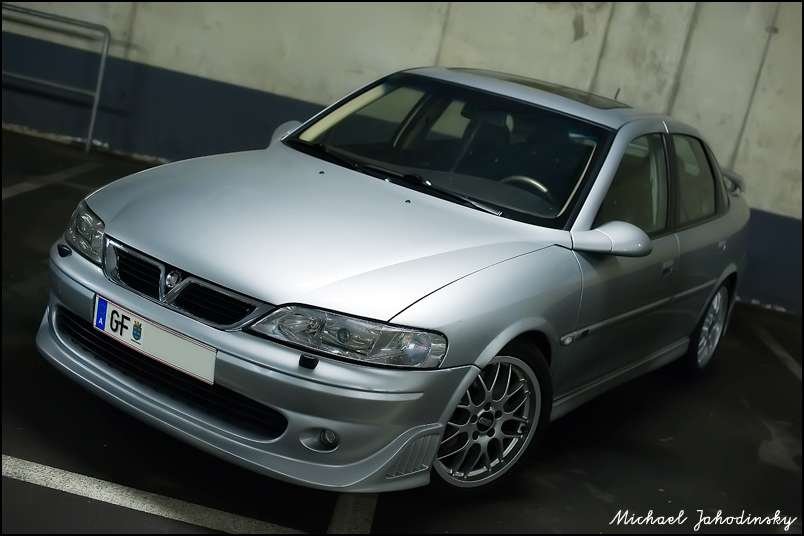
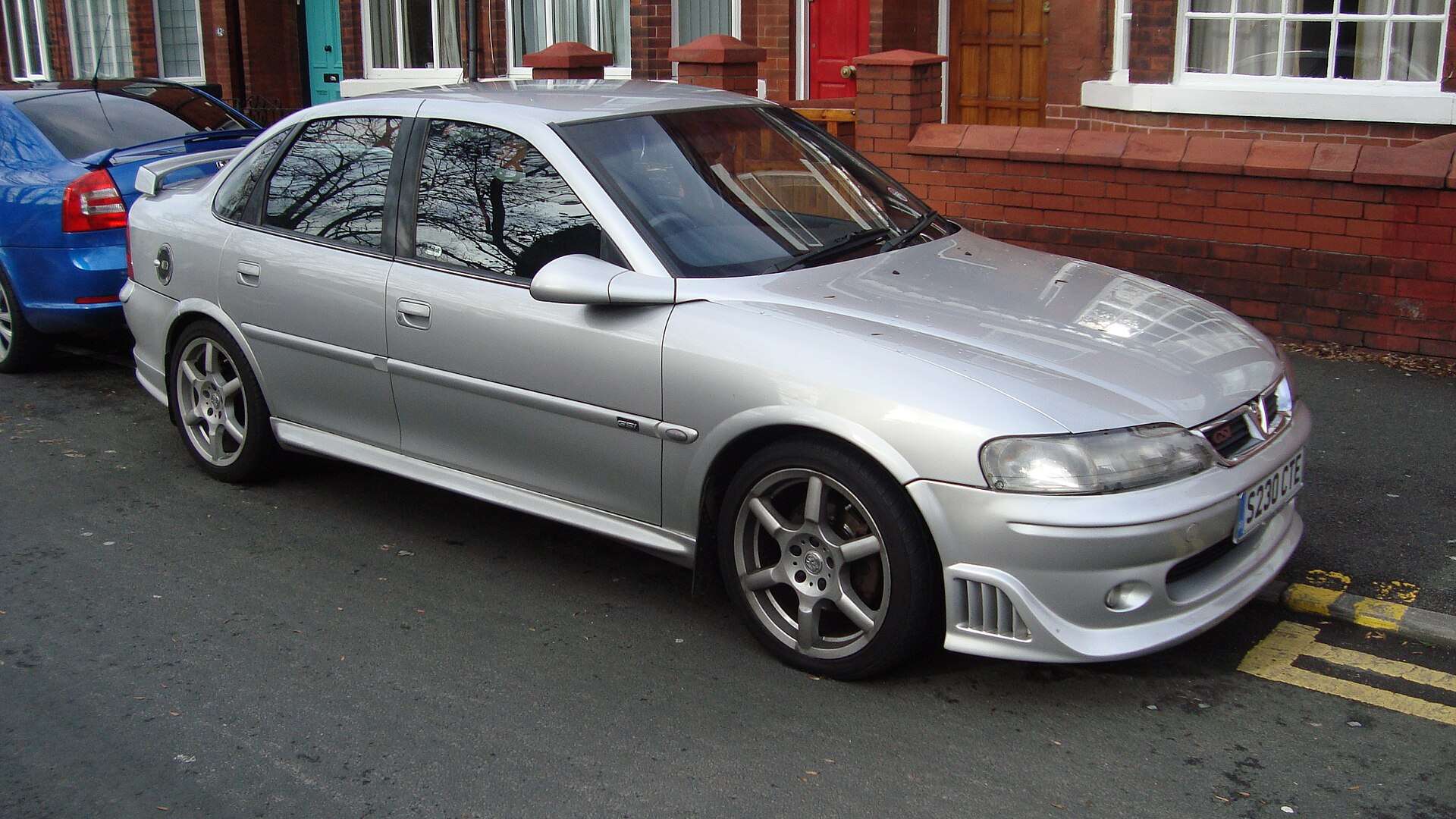
The Vectra range is crowded with V6s, body kits and later special editions, so the name on the boot lid is only the beginning. The i500 was an Irmscher-developed version of the 2.5-litre V6 Vectra B, created as a road-going counterpart to the Super Touring-era programme. Contemporary Irmscher material lists 143 kW—roughly 195 PS—for the i500, alongside chassis and visual changes that helped distinguish it from an ordinary V6.
GSi has been used by Vauxhall for performance-led models across several generations. Check the year, engine code, original paperwork, factory equipment and VIN with a marque specialist rather than assuming every V6 Vectra—or every car wearing GSi trim—is a factory performance model. “Super Touring” editions are related in spirit and styling, but should be identified on their own documentation.
Why the i500 matters
Late-1990s Super Touring racing made front-wheel-drive saloons feel unexpectedly glamorous. The i500 gave the sensible Vectra B a proper specialist story: an Irmscher-developed 2.5 V6, purposeful wheels and bodywork, and a specification aimed at drivers who wanted more than a company-car saloon. It is not an exotic homologation special, but that is part of the appeal: it remains a usable four-door performance car with a believable motorsport-era connection.
Engine, transmission and cooling checks
A smooth cold start, steady idle and clean pull through the rev range are more important than headline power figures. Establish exactly which V6 is fitted and ask for invoices that show routine servicing, timing-belt work to the appropriate schedule, water-pump work where relevant and replacement of age-related hoses, sensors and ignition components. A seller who can explain what has been done is usually more valuable than one who only quotes mileage.
Watch the temperature gauge on a proper test drive. Cooling-system neglect can turn a tempting car into an expensive one, so inspect for coolant staining, weak heater performance, fans that do not operate as expected or signs of past overheating. A clutch should engage cleanly, the gearbox should not baulk when warm and the car should track straight without a steering-wheel tremor.
Bodywork, suspension and brakes
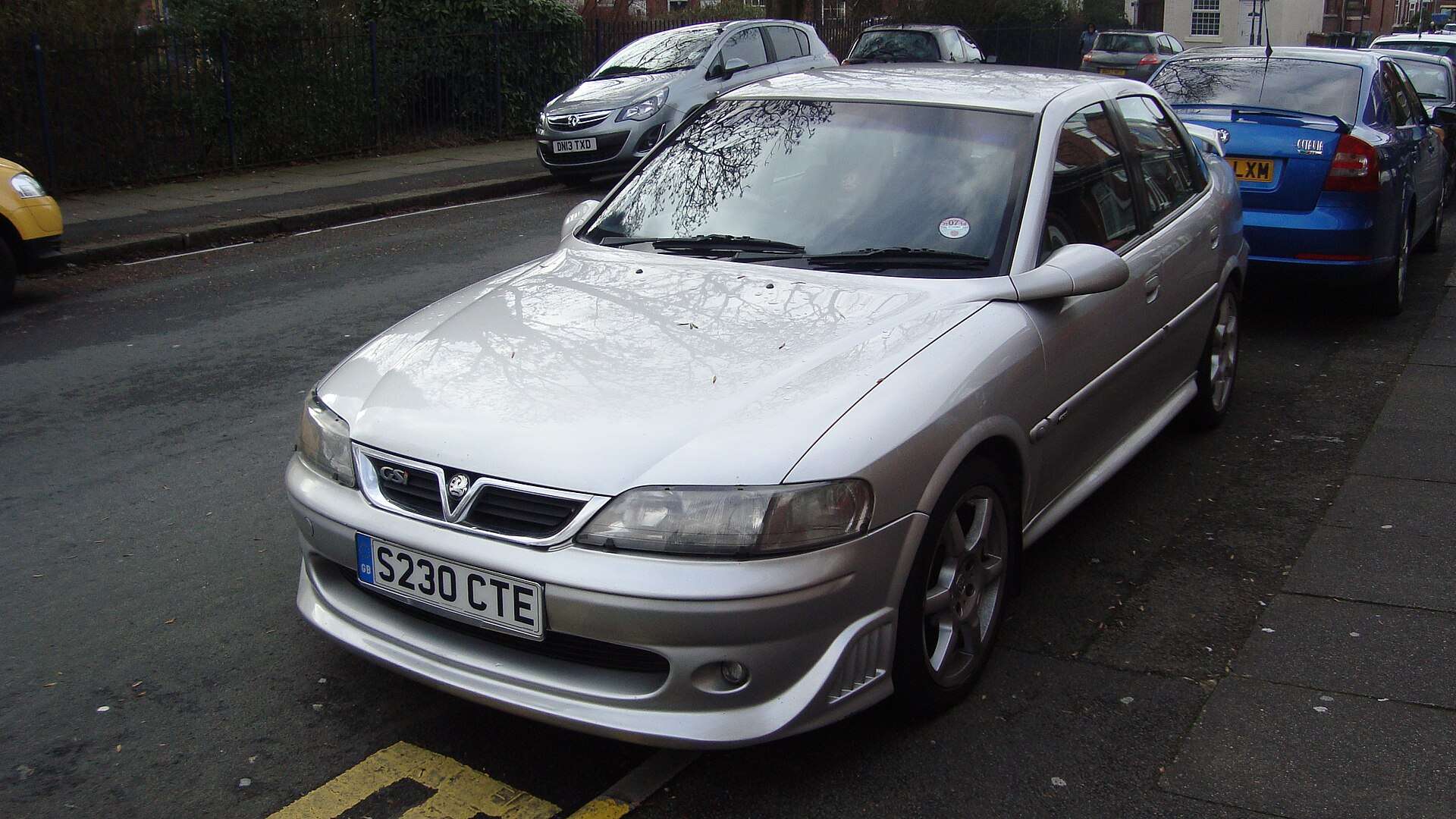
Buy the cleanest shell you can find. Examine sills, wheel arches, floorpan, suspension mounting points, boot floor, door bottoms and the edges hidden by side skirts or cosmetic trim. A polished exterior can conceal poor repairs, so look underneath and compare panel gaps, paint texture and corrosion protection from side to side.
On the road, listen for knocks over broken surfaces and check that the car brakes evenly without pulling or vibration. Tired bushes, dampers, springs and wheel bearings are normal age-related jobs; repeated corner-cutting repairs or a mixture of unsuitable budget parts are a reason to slow down. Original wheels, correct brakes and sensible tyres make a surprisingly large difference to how one of these cars feels.
Originality, modifications and paperwork
These cars were popular with modifiers, so originality commands a premium. That does not mean every modified Vectra is unsuitable: quality upgrades with receipts can be sensible. But a buyer should be able to separate an honest enthusiast-owned car from one assembled from several incomplete projects. Photograph the VIN, compare equipment with factory literature and keep a file of MOT history, service invoices, old adverts and specialist correspondence.
Viewing checklist
- Confirm the exact model and engine using VIN, paperwork and specialist knowledge.
- Inspect the underside before negotiating on cosmetics.
- Start from cold, then take a long enough drive to assess cooling, clutch, gearbox and brakes.
- Check for complete service evidence, especially major scheduled work.
- Assess wheels, trim, badges and bodywork for originality and quality of repair.
- Budget for recommissioning if the car has been stored or used rarely.


Love cars you don’t see every day?
Get forgotten cars, surprising motoring stories and the most interesting finds from Unusual Cars by email.
Free to join. No spam. Unsubscribe whenever you like. See our Privacy Policy.
Related Vauxhall performance guides
- Rare Performance Vauxhalls: models, history and buying advice
- Vauxhall Astra GSi guide
- Vauxhall Calibra Turbo 4×4 guide
- Vauxhall Carlton and Opel Omega performance guide
- Lotus Carlton guide
Vauxhall Vectra i500 FAQ
Was the Vectra i500 made by Irmscher?
Yes. Irmscher-developed the Vectra B i500 from the 2.5-litre V6 platform. Verify an individual car using its documentation and original specification rather than badges alone.
What should I check first on a Vectra GSi or i500?
Establish authenticity and body condition first, then assess the quality of maintenance. A cheap car with corrosion, a weak cooling system or missing history rarely stays cheap.
Are modified cars worth considering?
They can be, but modifications should be legal, declared, well installed and supported by invoices. A largely original, complete car is normally the safer long-term choice.
Research note: i500 specification context checked against historic Irmscher technical material and Opel model-history information. Figures and trim can vary by market and model year; confirm the exact car before purchase.