How the Golf GTI began
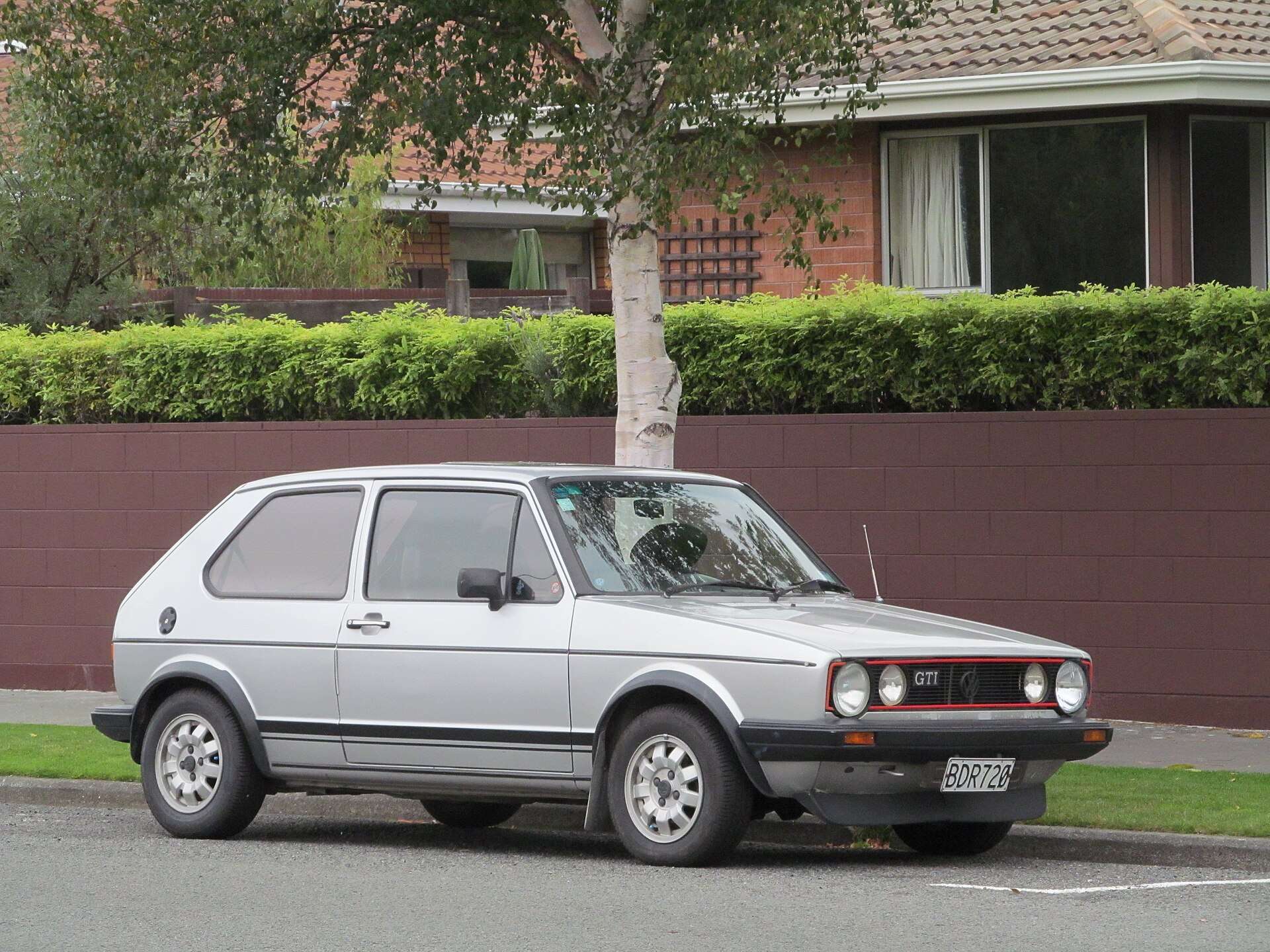
The project started unofficially in 1974, when a small group inside Volkswagen developed a sporting Golf without a formal production brief. Once management approved development order EA195, the team combined the light Type 17 shell with Bosch K-Jetronic fuel injection, firmer suspension and stronger brakes. The concept appeared at the 1975 Frankfurt motor show; customer reaction turned a proposed 5,000-car exercise into a permanent model line.
The original 1.6-litre GTI
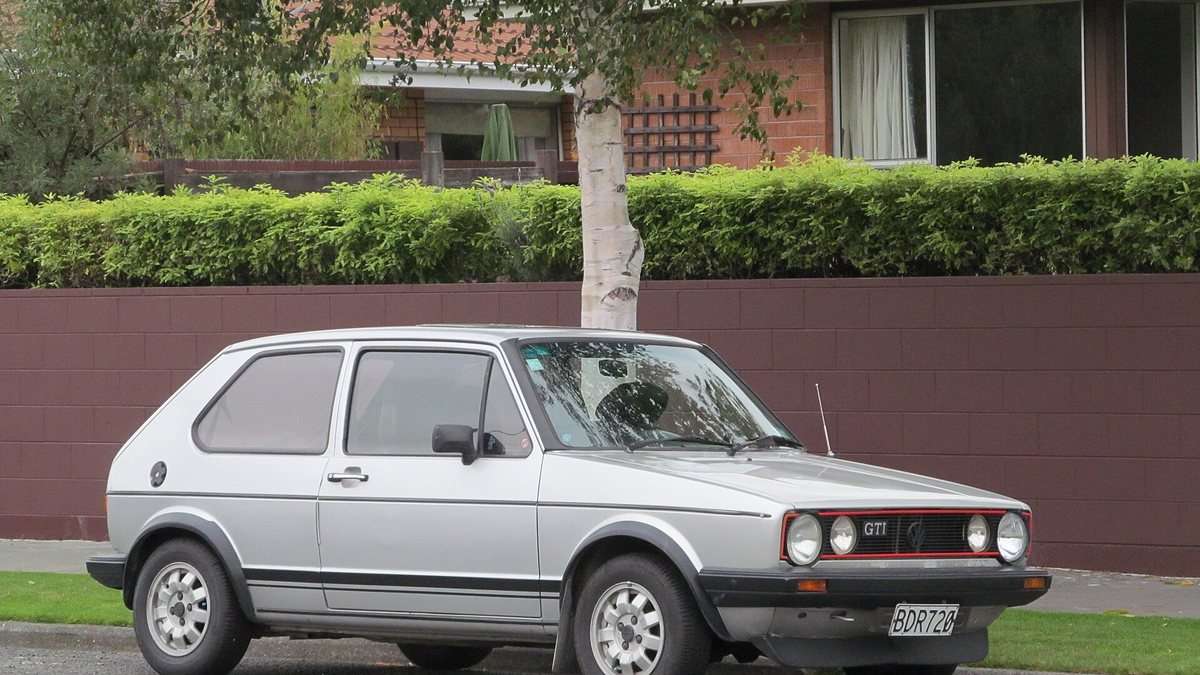
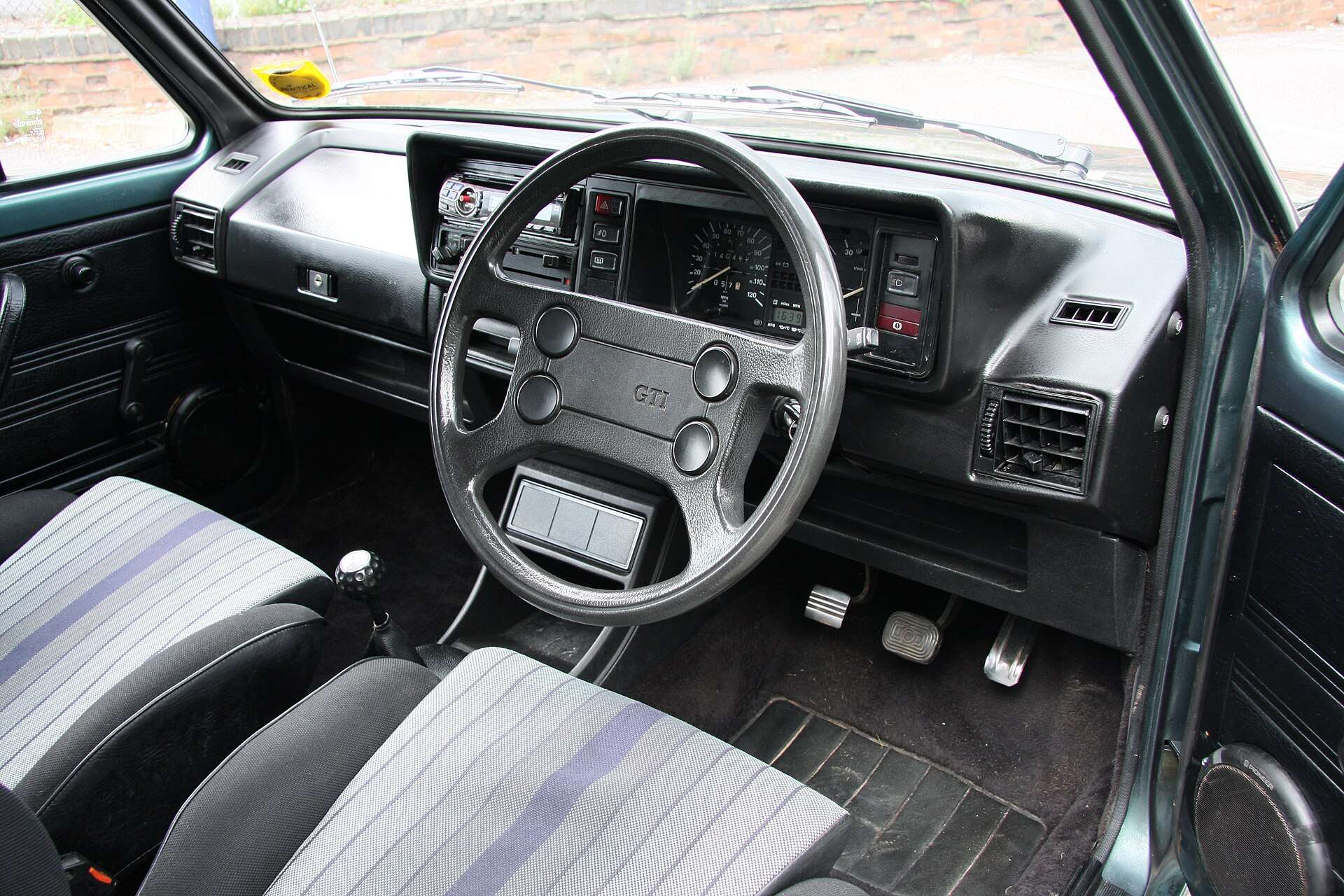
Early production cars used a 1,588cc injected four-cylinder producing 110 PS. In a car weighing roughly 810 kg, that was enough for a quoted 182 km/h top speed and performance that embarrassed larger machinery. The appeal was not simply acceleration. The steering, body control and modest dimensions made the GTI usable on ordinary roads, while the rear hatch and folding seat preserved the Golf’s everyday usefulness.
Love cars you don’t see every day?
Get forgotten cars, surprising motoring stories and the most interesting finds from Unusual Cars by email.
Free to join. No spam. Unsubscribe whenever you like. See our privacy policy.
The later 1.8-litre cars
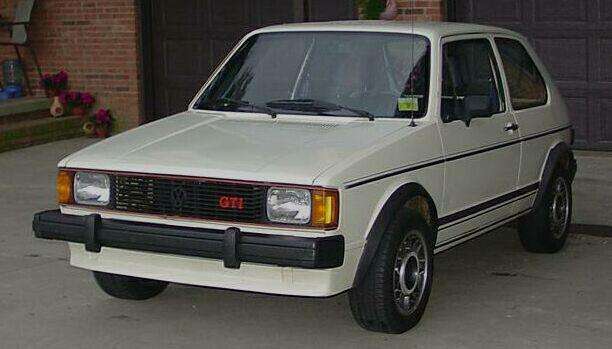
For the 1982 model year the GTI gained a 1,781cc engine with 112 PS and more torque. The numerical increase was small, but the broader delivery made the car more flexible. Late European cars also received detail changes accumulated across the Mk1 life. The 1983 Pirelli GTI, recognised by its distinctive wheels and trim, became the closing European special edition rather than a mechanically separate reinvention.
Design details that created the identity
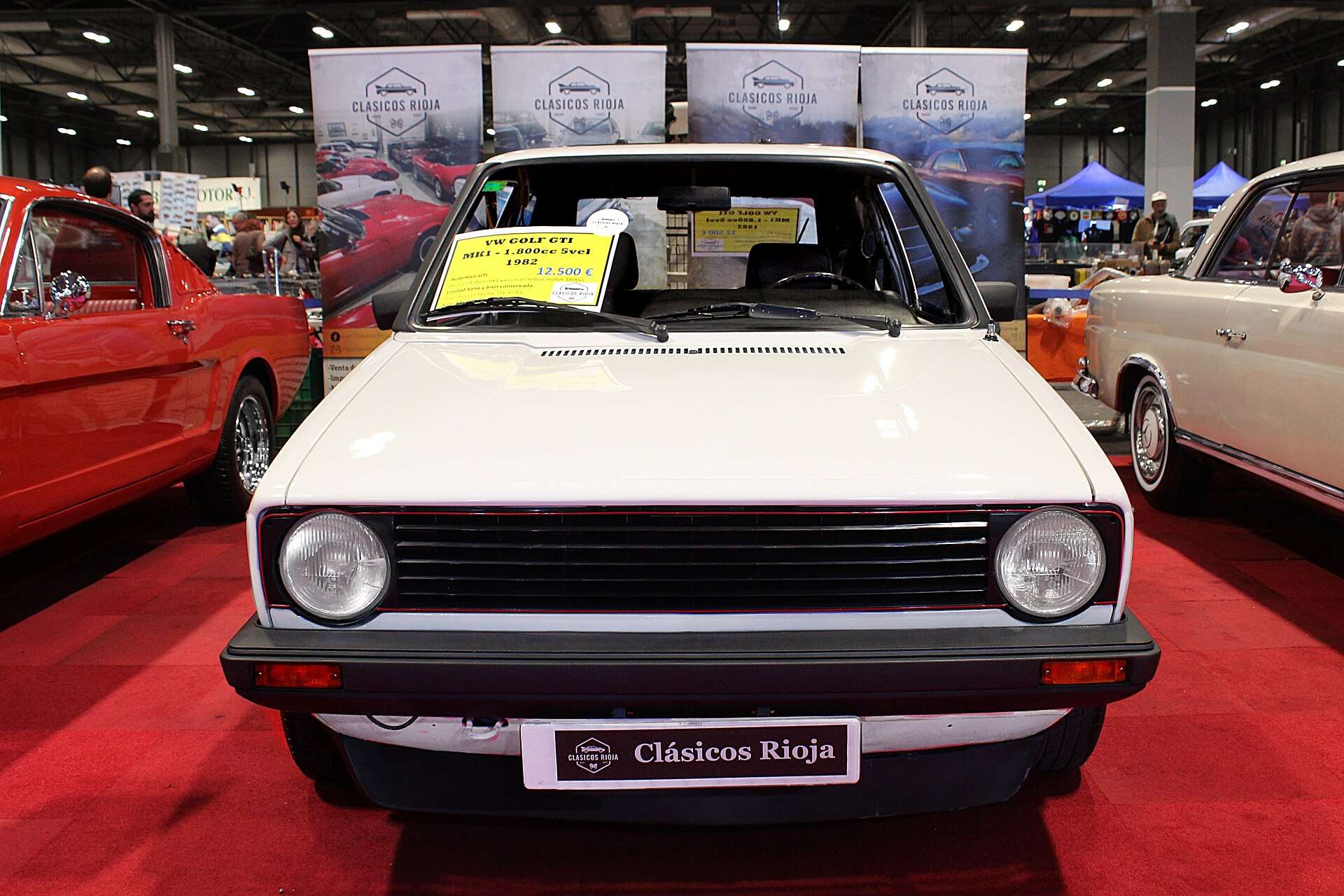
Herbert Schäfer’s red grille surround, black wheelarch extensions and golf-ball gear knob made the GTI identifiable without disguising its humble origins. Tartan sports seats and the three-spoke steering wheel added character inside. Those touches mattered because the GTI was never intended to look like an exotic sports car; its appeal came from discovering serious ability inside an ordinary hatchback shape.
Production and legacy
Volkswagen records 461,690 Mk1 GTIs, far beyond the original plan. European hatchback production ended in 1983, although the Mk1 Cabriolet continued much longer and South Africa evolved the basic body into the Citi Golf. The GTI badge survived because the first car balanced speed, accessibility and practicality rather than maximising any single number.
Key specifications
| Version | Engine | Output | Character |
|---|---|---|---|
| Early GTI | 1.6-litre injected four | 110 PS | Light, rev-hungry original |
| Late GTI | 1.8-litre injected four | 112 PS | More mid-range torque |
| Pirelli GTI | 1.8-litre injected four | 112 PS | Late European special edition |
Frequently asked questions
Did the Golf GTI invent the hot hatch?
No. Fast, practical small cars existed earlier, including the Simca 1100 Ti and Renault 5 Alpine. The Golf GTI made the combination commercially influential and established the template most manufacturers followed.
What is the difference between a 1.6 and 1.8 Mk1 GTI?
The early injected 1.6 produced 110 PS. The later 1.8 produced 112 PS but delivered more torque, so it generally feels stronger in everyday driving. Specification varies by year and market.
Was every Mk1 Golf Cabriolet a GTI?
No. Cabriolets used several engines and trim levels, and GTI terminology is applied inconsistently in adverts. Engine code, factory specification and documentation matter more than badges.
How many Mk1 Golf GTIs were built?
Volkswagen gives a total of 461,690—an extraordinary result for a model initially planned as a 5,000-car special.
Continue the Volkswagen story
Browse the Rare & Performance Volkswagens hub, read 10 things about the Mk1 Golf, or continue with the Mk2 Golf GTI guide.