UNUSUAL CARS MODEL GUIDE
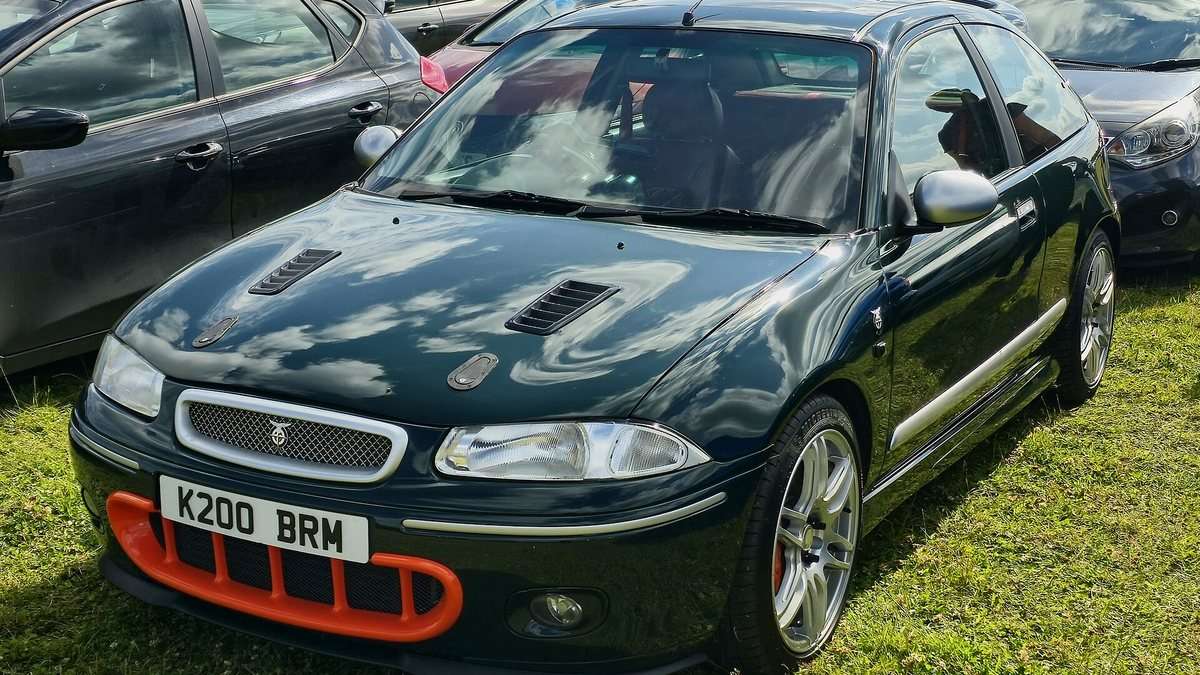
The Rover 200 BRM was a limited-edition performance hatchback based on the three-door R3 Rover 200. Previewed in 1997 and launched for sale in 1998, it paired the 1.8-litre VVC K-series engine with British Racing Green paint, red leather, orange detailing and a close-ratio gearbox with a limited-slip differential.
Quick answer: The BRM is far more than a colour scheme, but originality is essential to its value. Buyers should confirm genuine identity and check the cooling system, head-gasket history, VVC operation, gearbox and differential, corrosion, suspension and the survival of BRM-specific trim.
Why Rover used the BRM name
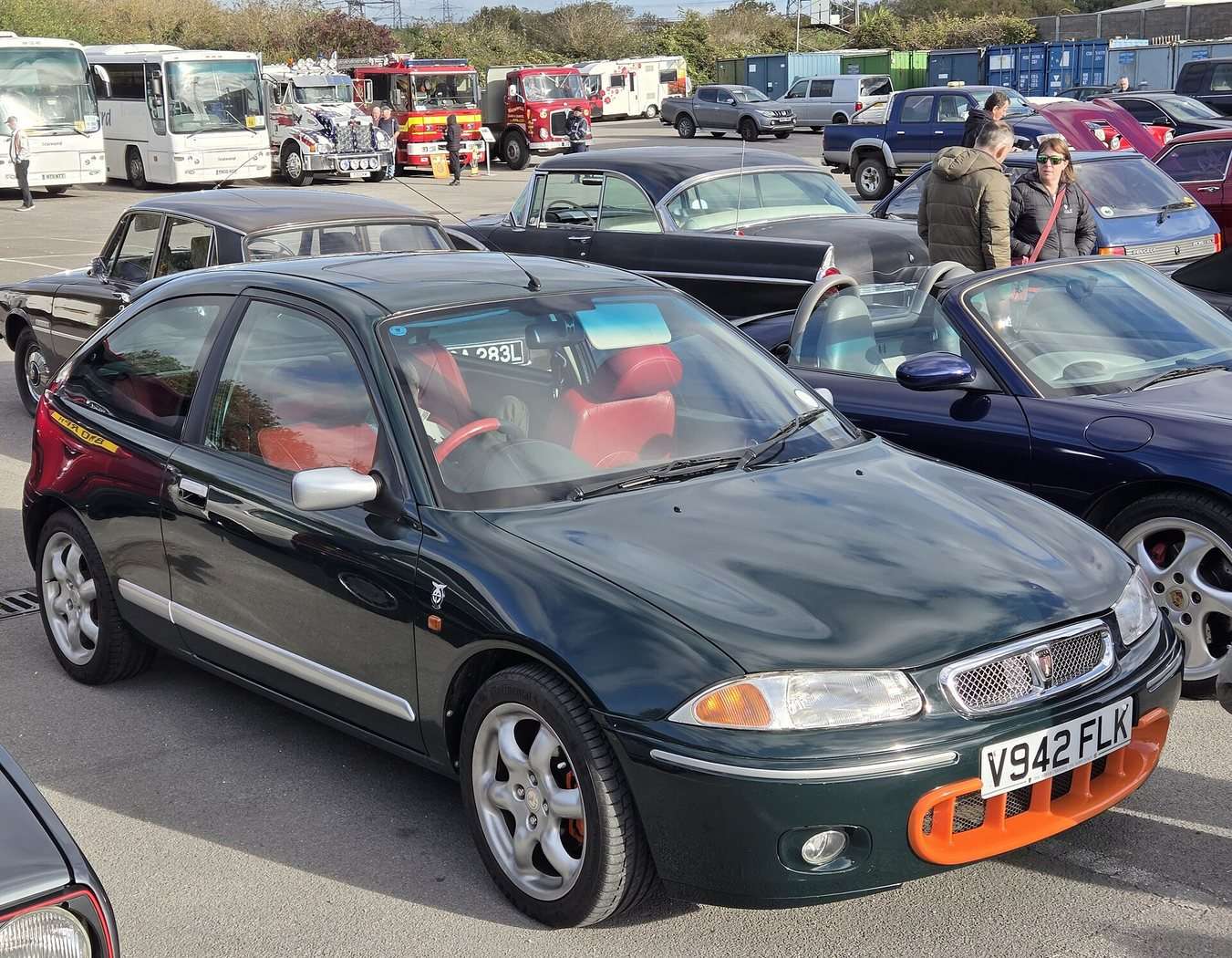
The model celebrated Rover’s historic association with British Racing Motors, expressed through a colour scheme inspired by the Rover-BRM gas-turbine competition car. The road car’s Brooklands Green body, bright orange grille surround, silver roof treatment and red cabin deliberately made a conservative hatchback look unmistakable.

Engine and transmission
Power came from the 1.8-litre VVC K-series, broadly familiar from other sporting Rover and MG applications. The BRM also gained a close-ratio gearbox and limited-slip differential, giving it a sharper mechanical character than a regular 200vi. A healthy car should rev cleanly, change gear precisely and pull without temperature instability.
How to identify a genuine BRM
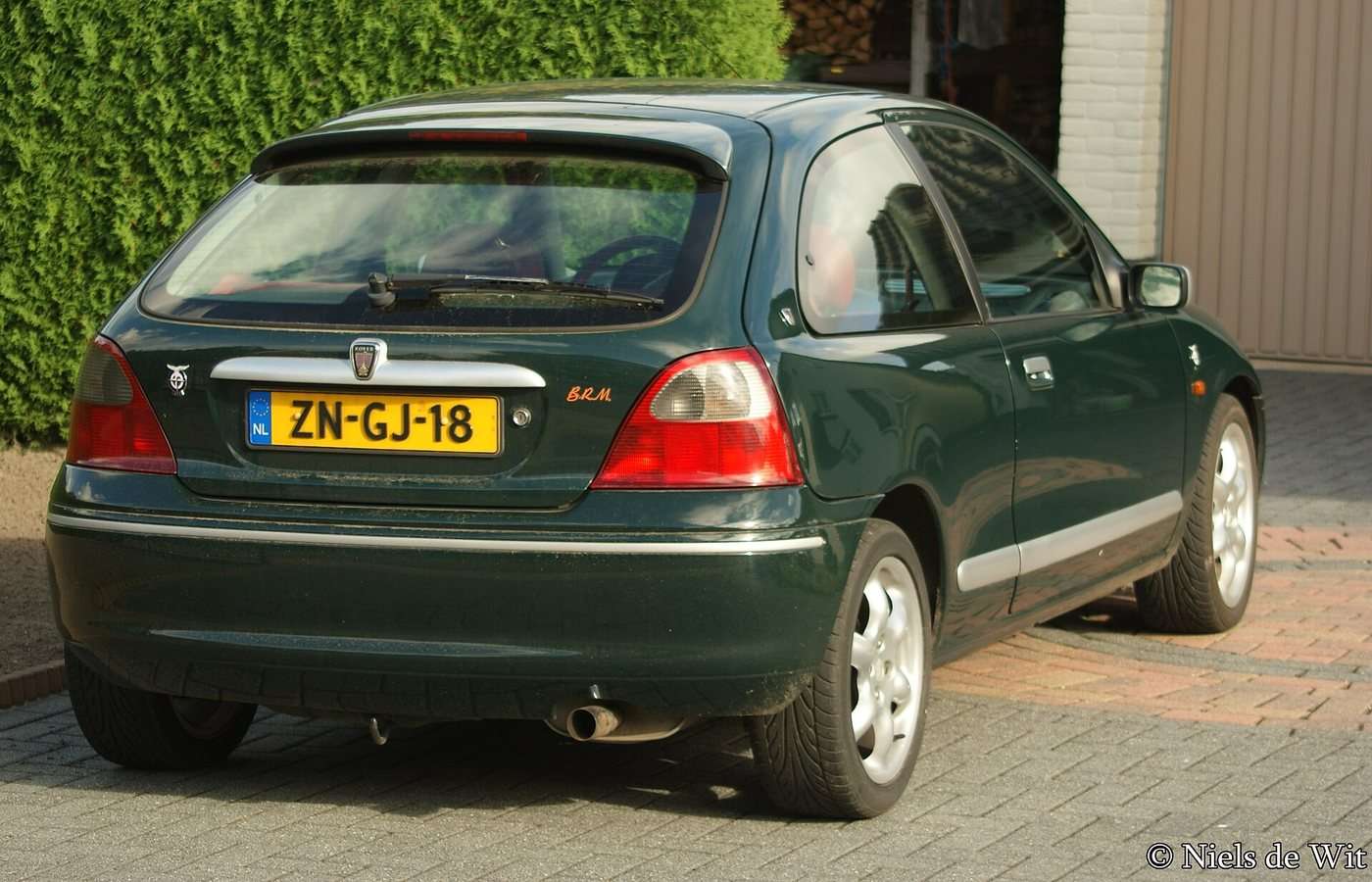
Check the VIN, registration history and build information before relying on paint and badges. The correct grille, wheels, cabin upholstery, steering wheel, trim colours and drivetrain are all important. Replacement or missing BRM components can be costly, and a replica may still be enjoyable but should never be represented as a factory car.

Love cars you don’t see every day?
Get forgotten cars, surprising motoring stories and the most interesting finds from Unusual Cars by email.
Free to join. No spam. Unsubscribe whenever you like. See our privacy policy.
K-series cooling and head gasket
Inspect the radiator, hoses, expansion tank, cap, water pump and thermostat arrangement, then look for unexplained coolant loss or evidence of repeated overheating. A previous head-gasket repair is acceptable only when properly documented and accompanied by diagnosis of the cause. Confirm cambelt history and correct VVC operation.
Gearbox, differential and clutch
The close-ratio transmission should select every gear without crunching, whine or lever movement under load. Test the clutch for slip and judder and listen for driveshaft or wheel-bearing noise. The limited-slip differential and matched front tyres affect steering behaviour, so investigate pulling, vibration or inconsistent traction.

Corrosion and chassis condition
Inspect sills, floor seams, jacking points, rear arches, front inner wings, suspension mounts and subframes. Water ingress can damage carpets and wiring. The suspension should feel controlled rather than simply harsh; tired dampers, bushes, brakes and old tyres can disguise the model’s intended balance.

Interior and scarce details
Red leather and aluminium-effect details define the BRM cabin. Look for bolster wear, missing trim, poorly repaired headlining and alterations to audio or alarm wiring. Confirm the orange exterior accents, wheels and badges are present, while recognising that careful refurbishment is preferable to neglected originality.
Key specifications
| Area | Specification | Buyer focus |
|---|---|---|
| Engine | 1.8-litre VVC K-series | Cooling, cambelt, head gasket and VVC |
| Transmission | Close-ratio five-speed with limited-slip differential | Synchromesh, clutch, bearings and correct oil |
| Body | Three-door R3 Rover 200 hatchback | Sills, arches, floor and accident repairs |
| BRM details | Green paint, orange grille, silver roof treatment and red leather | Authenticity and replacement-part availability |
Research sources
- Rover Cars 1945 to 2005 reference extract
- British Motor Museum archive
- MG Car Club historical resources
Continue the MG and Rover story
Explore the Rare & Performance MG and Rovers hub, then read MG ZR 160 guide and Rover 220 Coupé Turbo guide.
Frequently asked questions
What does BRM mean on the Rover 200?
It refers to British Racing Motors and Rover’s historic association with the racing organisation.
What engine is in the Rover 200 BRM?
A 1.8-litre VVC version of Rover’s K-series four-cylinder engine.
Is the orange grille original?
Yes. The orange grille surround is one of the factory BRM model’s defining details.
Does the Rover 200 BRM have a limited-slip differential?
Yes, it uses a limited-slip differential with a close-ratio manual gearbox.
What are the main Rover 200 BRM buying checks?
Confirm genuine identity and inspect cooling, head-gasket and cambelt history, gearbox, differential, corrosion, suspension and BRM-specific trim.