UNUSUAL CARS MODEL GUIDE
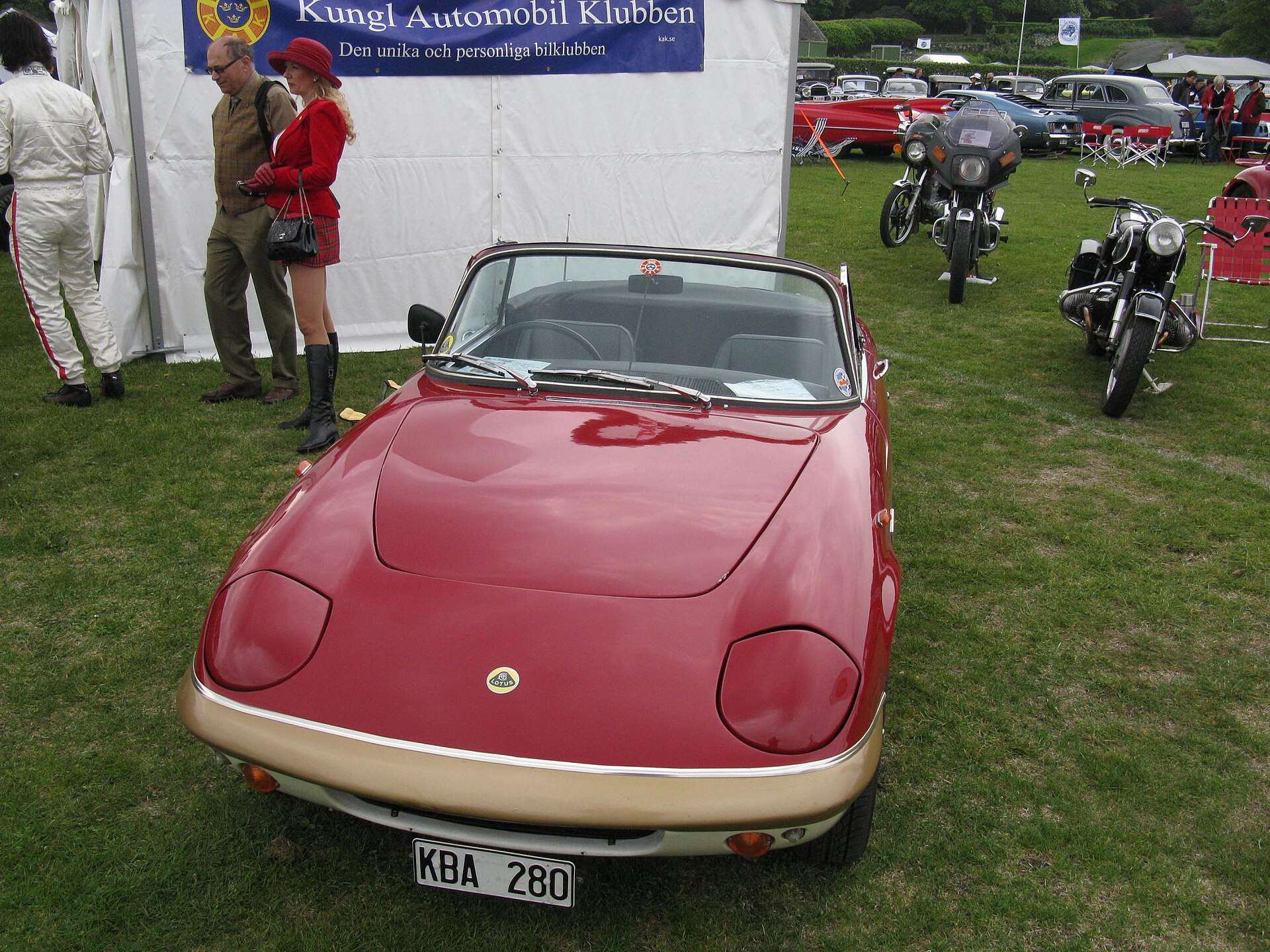
The original Lotus Elan is the compact two-seat sports car produced from 1962 to 1973 as the Type 26 roadster and Type 36 fixed-head coupé. It combined a glassfibre body, steel backbone chassis, Ford-based Lotus Twin Cam engine and fully independent suspension. The later Sprint is the best-known version, but condition and structural integrity matter more than the badge on the boot.
Quick answer: an S1 or S2 gives the lightest early-car experience, the S3 adds greater comfort, the S4 brings later detail changes, and the Sprint combines the big-valve engine with the mature body. Verify the chassis, identity, engine specification and restoration record before paying for rarity or cosmetics.
Why the Elan changed the small sports car
Lotus replaced the costly monocoque Elite with a simpler structure: a separate pressed-steel backbone carrying the suspension and drivetrain, clothed in a light glassfibre shell. The layout kept mass low and allowed compliant springing, while the rack-and-pinion steering and independent suspension gave the Elan its defining delicacy.

The 1,558 cc Lotus Twin Cam used a Ford block with a Lotus-designed aluminium twin-cam cylinder head. Early power figures and carburettor specifications vary by market, but the car’s ability came from its low weight as much as peak output.
S1, S2, S3 and S4
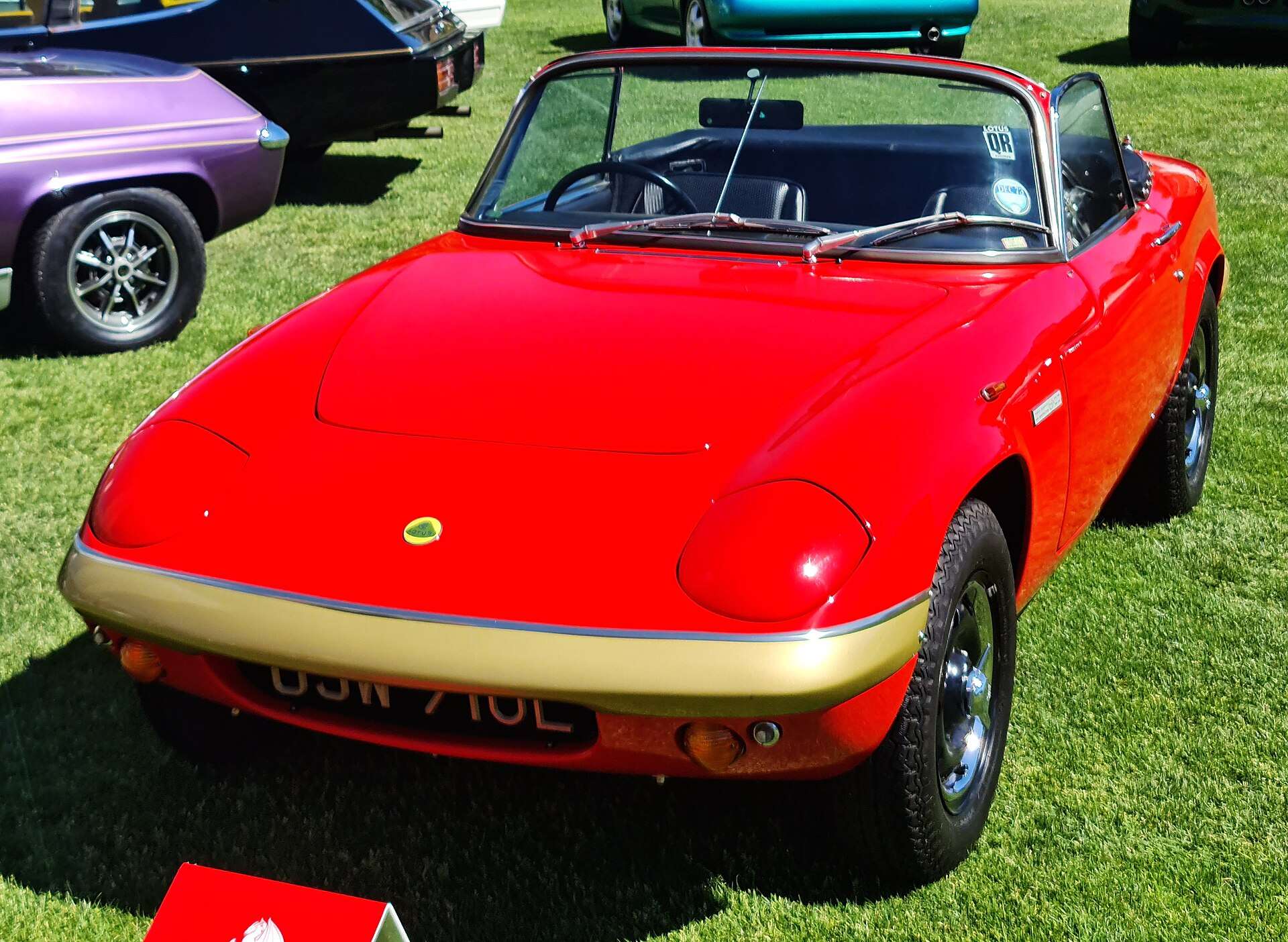
The S1 established the Type 26 roadster in 1962. The S2 refined trim and detail equipment without changing the basic formula. The S3 introduced the Type 36 fixed-head coupé and a more developed roadster, while the S4 brought flared wheelarches, revised lighting and later interior details.
| Version | Approximate period | What distinguishes it |
|---|---|---|
| S1 | 1962–64 | Earliest, lightest Type 26 roadster with simple trim. |
| S2 | 1964–66 | Detail refinements while retaining the early body character. |
| S3 | 1966–68 | Roadster and Type 36 coupé, improved hood and interior equipment. |
| S4 | 1968–70 | Later wheelarches, lighting and trim; Weber or Stromberg specification by market. |
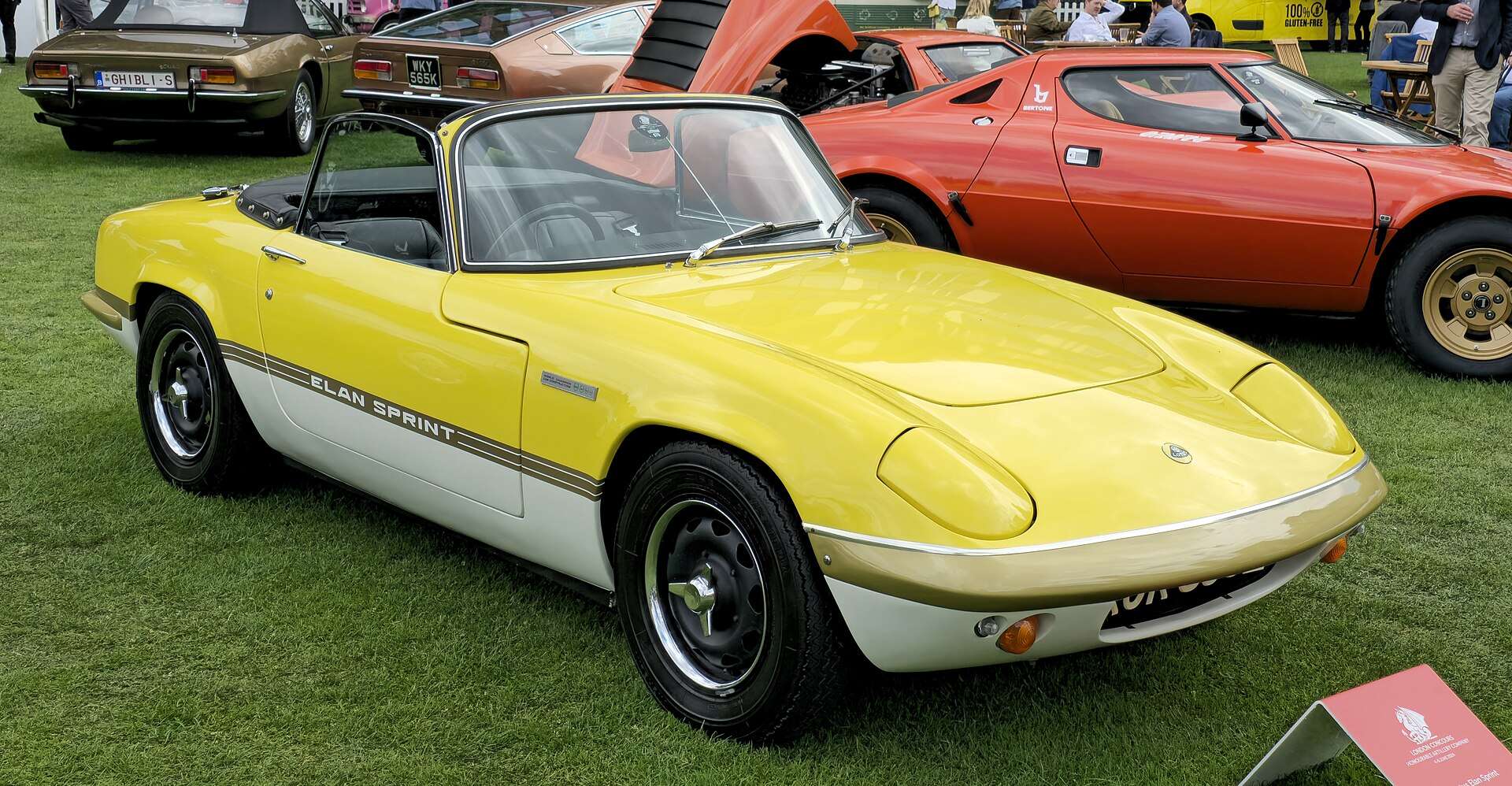
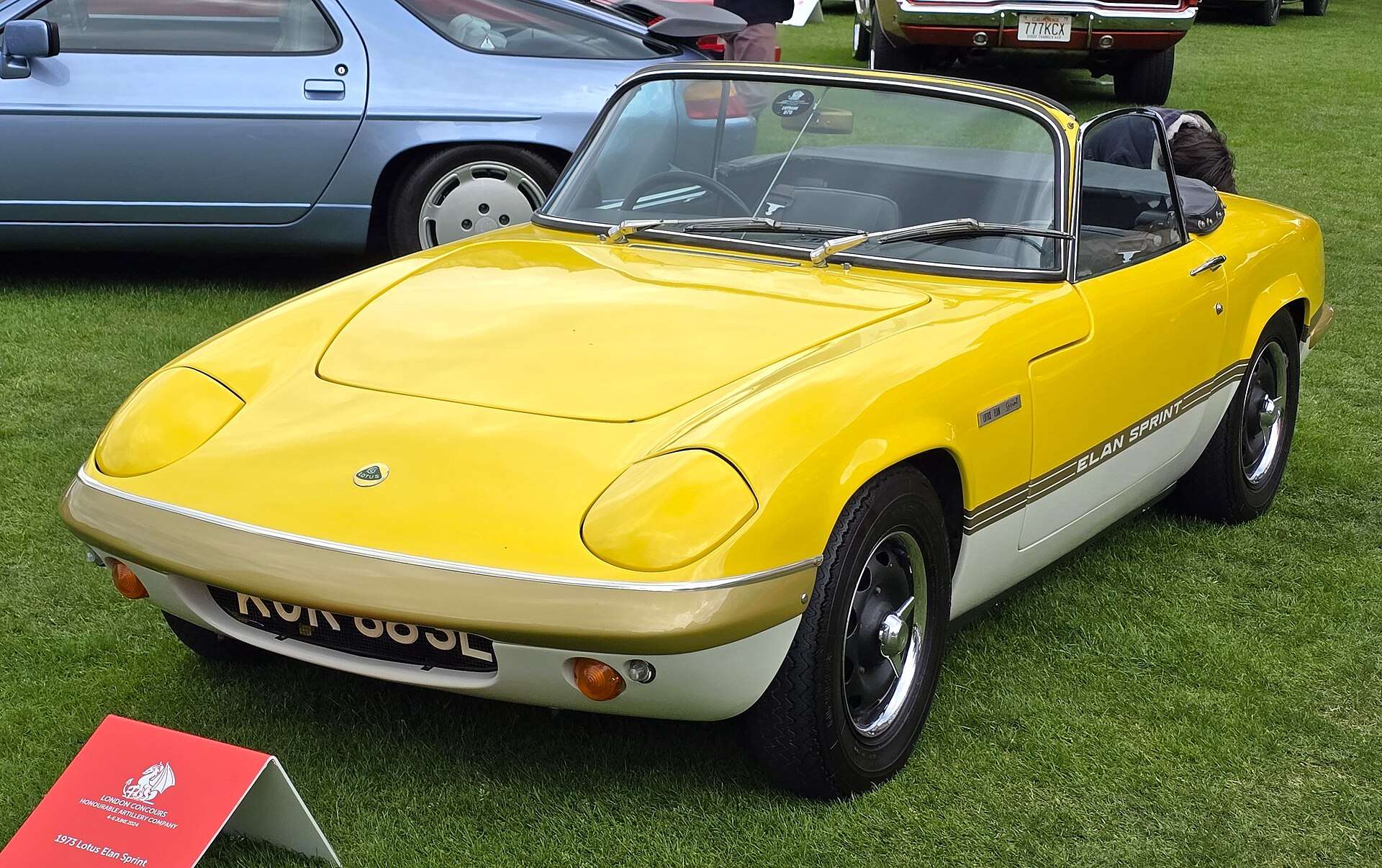
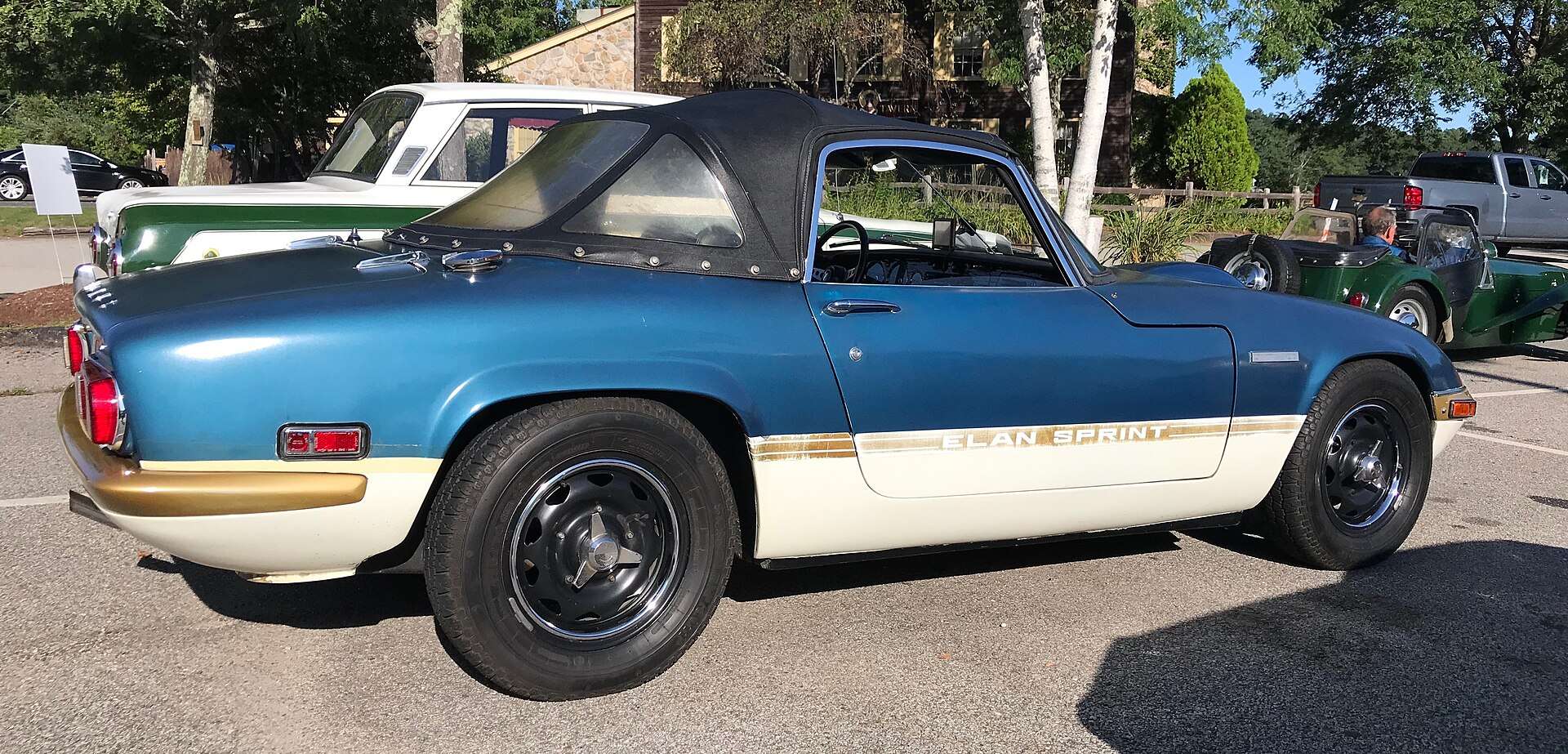
| Sprint | 1971–73 | Big-valve Twin Cam, usually 126 bhp in UK specification, often in two-tone colours. |
The Elan Sprint
The Sprint arrived as the most developed two-seat Elan. Its big-valve engine, stronger performance and distinctive two-tone presentation made it the version many buyers now seek. Genuine identity is important because earlier cars have often acquired Sprint engines, stripes, wheels or badges.

Love cars you don’t see every day?
Get forgotten cars, surprising motoring stories and the most interesting finds from Unusual Cars by email.
Free to join. No spam. Unsubscribe whenever you like. See our privacy policy.
Chassis and body inspection
The steel backbone is the first buying decision. Original chassis can corrode around suspension pick-ups, the front towers, differential mounts and lower sections. Many cars use replacement Lotus or Spyder frames; that can be desirable, but the paperwork should explain when and why the change occurred. Confirm that the identity belongs to the complete car, not merely a plate.
Glassfibre does not rust, but stress cracks, star crazing, poor panel fit and old repairs can demand a full repaint. Inspect the door hinges, headlamp pods, boot floor and areas around body-to-chassis fixings. A glossy surface can conceal decades of filler or moisture damage.
Engine, cooling and drivetrain
Check oil pressure hot, coolant stability, smoke, crankcase breathing and evidence of correct Twin Cam maintenance. Water-pump replacement can be labour-intensive, and a leaking pump should not be dismissed. Carburettors must be balanced and free from fuel leaks; inspect hoses and the tank carefully.
The four-speed gearbox should select cleanly, while differential mounts, Rotoflex couplings or CV conversions and rear wheel bearings all deserve inspection. A harsh vibration under load can indicate driveline or mounting trouble rather than normal old-car character.
Suspension, brakes and steering
The Elan only feels right when dampers, bushes, trunnions, bearings, tyres and alignment work together. Heavy steering, wandering or uneven ride height suggests neglect or poorly matched modifications. Brakes should pull up straight; seized callipers and perished hoses are common recommissioning items.
Choosing a car
Buy the best documented structure and restoration, then choose the series that suits you. An honest S4 can be a wiser purchase than a doubtful Sprint. Cars with thoughtful upgrades can work well, but originality claims require engine numbers, chassis details, invoices and period evidence.
Sources and further reading
Continue the Lotus story
The Elan made low mass and suspension precision usable every day. Explore the Rare & Performance Lotus Cars hub, then read the Lotus Europa guide and the Lotus Elan M100 guide.
Frequently asked questions
When was the original Lotus Elan built?
The two-seat Elan was produced from 1962 to 1973 in S1, S2, S3, S4 and Sprint forms.
What engine does a Lotus Elan Sprint use?
It uses the 1,558 cc Lotus Twin Cam big-valve engine, usually quoted at 126 bhp in UK specification.
Does a Lotus Elan have a separate chassis?
Yes. The glassfibre body is mounted on a pressed-steel backbone chassis.
Is a replacement chassis a problem?
Not necessarily. A correctly installed documented Lotus or specialist replacement chassis can be an advantage, but its provenance and the car identity must be clear.
What should be checked before buying an Elan?
Inspect the backbone chassis, glassfibre repairs, Twin Cam engine, cooling system, differential mounts, driveshaft couplings, suspension, brakes, electrics and restoration records.