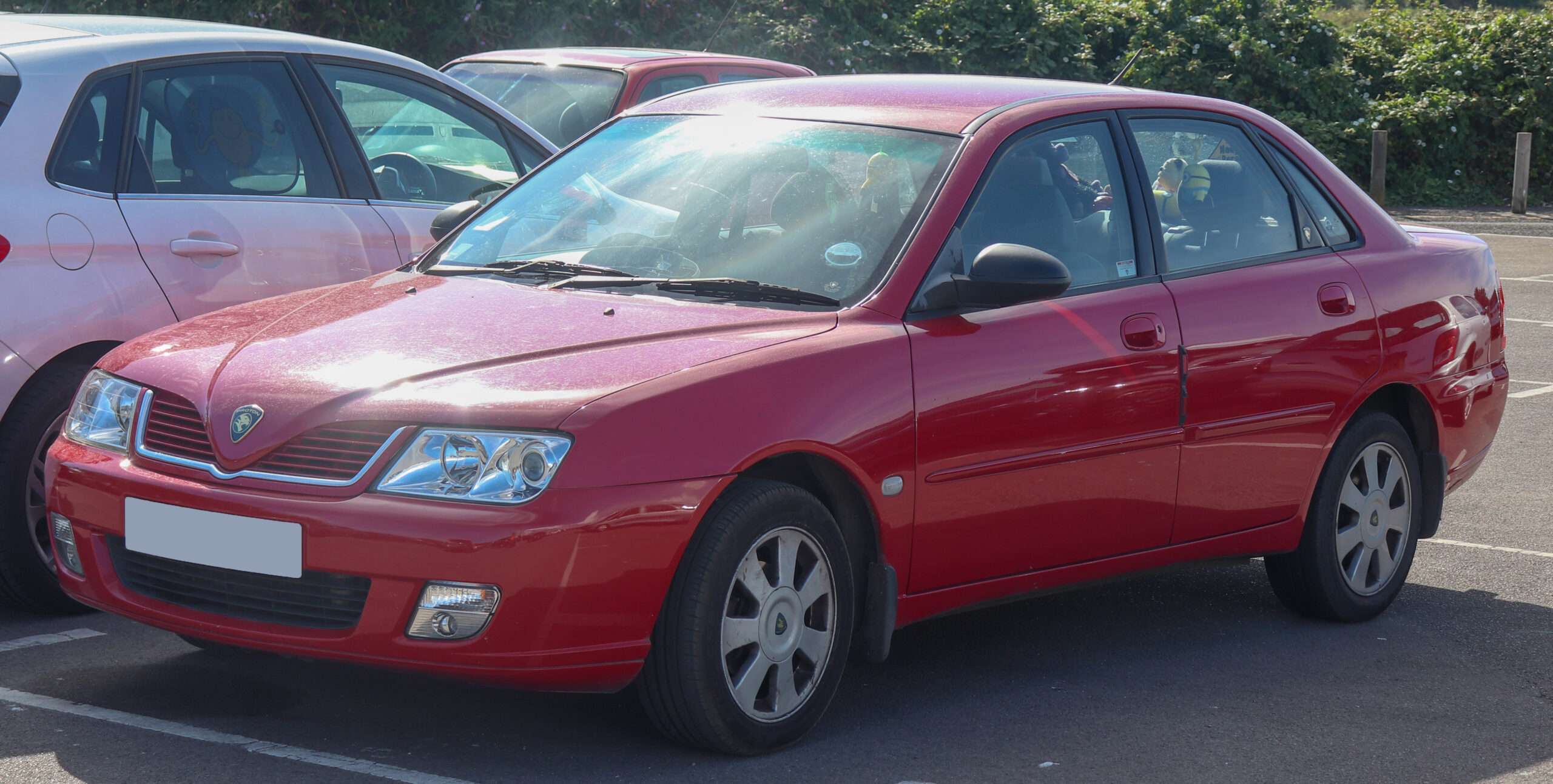
Proton Impian
Proton’s first substantially home-developed car combined a roomy saloon body, Mitsubishi power and Lotus-informed handling.
Quick answer: The Proton Impian was sold in Britain from 2001 to 2008. It used a 1.6-litre petrol engine, five-speed manual or four-speed automatic transmission and a chassis tuned with Lotus input. It can be an engaging, inexpensive rarity, but inspect the exhaust, cooling system, central locking, heater controls, cabin trim and body structure carefully.

Why the Impian mattered
Known as the Waja in Malaysia, the Impian marked a decisive change for Proton. Earlier models leaned heavily on Mitsubishi designs; this was the company’s first car substantially developed around its own platform and body. The Malaysian launch came in 2000 and British sales began in 2001.
The name meant “dream” in Malay, and UK marketing presented the Impian as a more mature, better-driving alternative to budget saloons. Lotus input helped give it fluent steering and body control, while standard equipment typically included air conditioning, anti-lock brakes and twin airbags. Contemporary reviewers praised the handling more readily than the cabin plastics or driving position.
UK versions and specifications
- Body: four-door saloon
- Engine: 1.6-litre four-cylinder petrol
- Early output: about 102 bhp
- Later output: roughly 110 bhp after revisions
- Transmission: five-speed manual or four-speed automatic
- UK sales: approximately 2001–2008
The original car was followed by equipment revisions and GLS/GSX designations around 2004. A 2005 facelift freshened styling and details, while later cars received an updated engine tune. The manual makes better use of the modest power; the automatic prioritises easy progress.

What is the Proton Impian like to drive?
Performance is adequate rather than fast, but the chassis is the reason enthusiasts remember it. Steering is accurate, cornering balance secure and the ride generally composed on British roads. Refinement and cabin presentation never matched the class leaders, yet a healthy Impian feels coherent and more interesting than its bargain-car image suggests.
Proton Impian buying guide
Engine and cooling system
Start from cold and look for a stable idle, clean exhaust and steady temperature. Inspect radiator, hoses, expansion tank and water-pump area for leaks or staining. Confirm timing-belt history; uncertainty should be priced as immediate maintenance.
Exhaust
Period UK used-car guidance highlights fractured or poorly supported exhaust systems. Listen for blows and knocks, inspect hangers and check that replacement sections fit without stressing joints.
Gearbox and clutch
Manuals should shift cleanly and pull without clutch slip. Automatic fluid should be clean and changes smooth when hot as well as cold. Hesitation or harsh engagement needs investigation.
Suspension, steering and brakes
Knocks point to tired bushes, links or dampers. Uneven tyre wear may indicate poor alignment. Check power steering for leaks and listen for wheel-bearing noise. ABS warning lights must illuminate and extinguish correctly.
Body and water ingress
Inspect sills, floor, wheel arches, subframe areas, boot floor and door seams. Check carpets and spare-wheel well for damp. Previous accident repair is more important than minor cosmetic wear because values were once extremely low.
Interior and electrical faults
Test heater controls, fan speeds, central locking, electric windows, air conditioning and instruments. Rattles and loose trim are common; replacement panels and switches are scarce in Britain. Make sure the driving position suits you because seat and steering-wheel adjustment are limited.

Parts, rarity and ownership
Basic consumables can still be sourced, but model-specific lamps, body panels, trim and electronic components may require specialist or overseas suppliers. Britain’s surviving population is small, so buy a complete car with history. A neglected example can absorb more than its purchase price very quickly.
The Impian’s obscurity is now part of its appeal. It represents the point at which Proton moved beyond assembling variations of another manufacturer’s design and tried to define its own engineering identity.
Frequently asked questions
Is the Proton Impian the same as the Waja?
Yes. Impian was the name used for the Waja in the UK and selected export markets.
Was the Impian officially sold in Britain?
Yes, from 2001 until approximately 2008, chiefly with a 1.6-litre petrol engine.
Does it really have Lotus handling?
Lotus contributed to chassis tuning. The result was widely regarded as one of the car’s strongest qualities, although it is not a Lotus-designed sports saloon.
Verdict
The Impian is an intelligent choice for an enthusiast who values engineering backstories over badges. It is rare, usefully practical and better to drive than its reputation suggests—provided you find a complete, structurally sound example.
Research basis: Proton corporate milestones, AA road-test data, RAC and New Car Net UK used-car archives, Auto Express road-test material and Wikimedia Commons records.