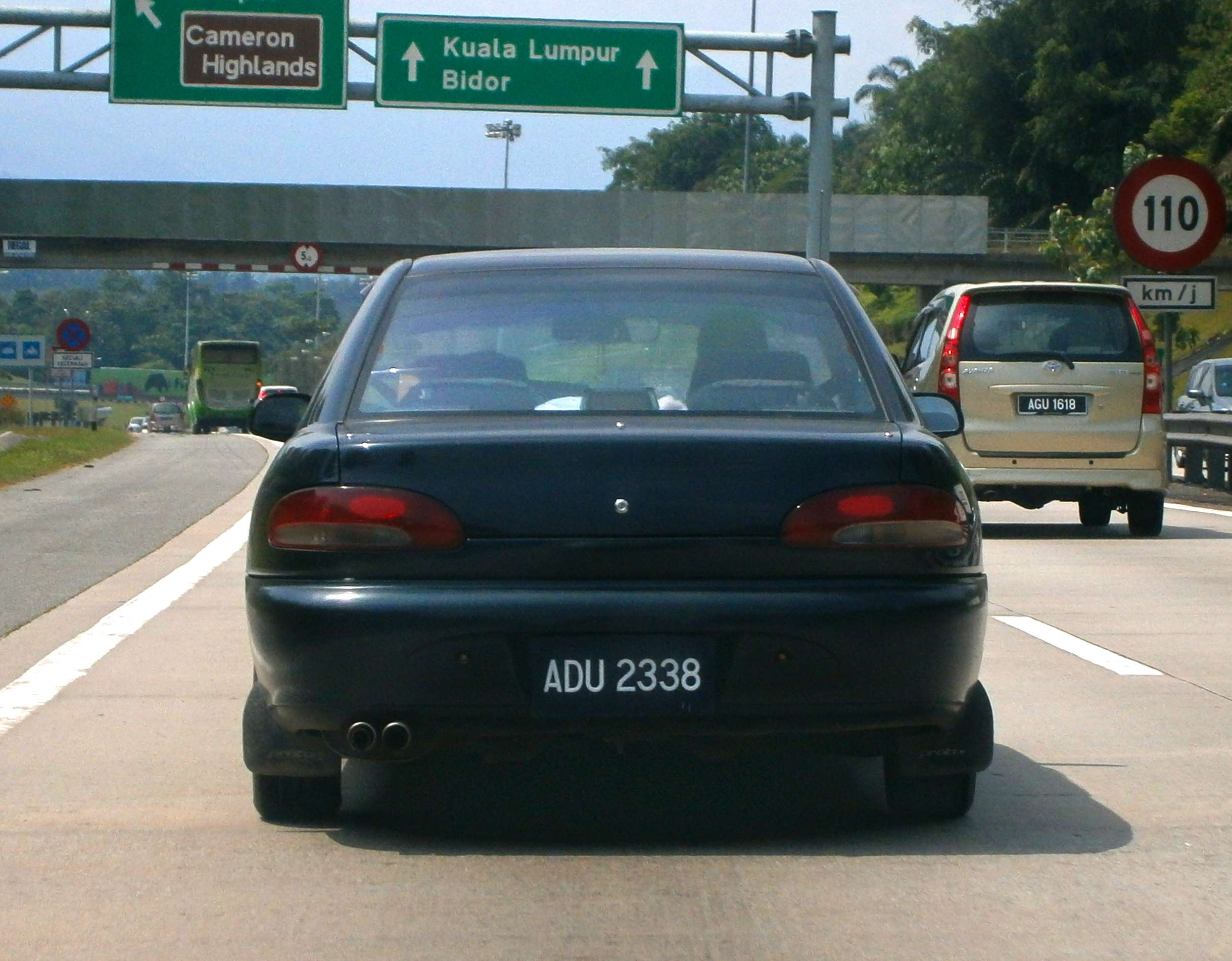
Proton Coupé (Putra)
A Mitsubishi-based 1.8-litre coupé that briefly offered British buyers genuine pace, rarity and value—then almost vanished.
Quick answer: The Proton Coupé was the UK-market version of the Proton Putra, sold from 1997 into the early 2000s. It used a 1.8-litre Mitsubishi-derived twin-cam engine producing about 133bhp, a five-speed manual gearbox and front-wheel drive. Around 500–600 are thought to have been sold in Britain, making surviving Coupés and Evolution special editions exceptionally scarce.

From Mitsubishi Lancer to Proton Coupé
Proton built its early success around proven Mitsubishi engineering, and the Putra was one of the most attractive results. Launched in Malaysia in 1996, it combined the platform and much of the structure of the contemporary Wira and Mitsubishi Lancer family with a neat two-door body. British sales began in 1997 under the straightforward Proton Coupé name.
Its mechanical specification was unusually serious for a budget-priced car. The 1,834cc 4G93 four-cylinder engine had twin overhead camshafts, 16 valves and multi-point injection. With roughly 133bhp moving a car weighing a little over a tonne, the Coupé could reach 62mph in about nine seconds and run to approximately 127mph. Period pricing of £13,999 placed it below many fashionable European and Japanese rivals.
Evolution and Motorsport versions
The rare Evolution 16v added 15-inch Momo alloy wheels and sharper presentation. A dealer-supported performance upgrade was advertised at around 150bhp, while the Motorsport Coupé echoed Proton’s competition activity with distinctive graphics and equipment. These cars are now the most collectible versions, but buyers should confirm originality rather than relying on badges or later modifications.
The Putra also acquired genuine motorsport credibility. Proton developed rally versions and competed internationally, demonstrating that the handsome two-door was more than a styling exercise. Road cars remained relatively civilised, with usable rear seats and a conventional boot.

Proton Coupé specifications
- UK sales: approximately 1997–2001
- Engine: 1,834cc 16-valve DOHC four-cylinder petrol
- Power: approximately 133bhp; selected upgraded cars around 150bhp
- Torque: approximately 121lb ft
- Transmission: five-speed manual, front-wheel drive
- 0–62mph: around 9.0 seconds in standard form
- Top speed: approximately 127mph
What is it like to drive?
The Coupé feels light and uncomplicated. Its naturally aspirated engine needs revs but responds cleanly, while the chassis is predictable rather than intimidating. Period testers noted that gentle lift-off could trim the line through a corner, giving the car more adjustability than its modest image suggested. Steering feedback, a low kerb weight and compact dimensions matter more than outright power.
Refinement and cabin finish were less impressive. The dashboard was inherited from more ordinary Proton models and road noise is noticeable by modern standards. That simplicity is part of the appeal today: the controls are direct, visibility is good and there are few electronic systems to distance the driver.
Proton Coupé buying guide
Rust and accident damage
Inspect the sills, rear arches, floor, jacking points, boot floor, front chassis legs and suspension mounting areas. Coupés were inexpensive performance cars when new, so poorly repaired accident damage and cosmetic patching are real risks. Check panel gaps, paint consistency and the condition of the inner wings.
Engine and cooling system
The Mitsubishi-derived 4G93 can cover high mileages when serviced. Demand evidence of timing-belt changes and inspect the water pump, radiator, hoses and coolant condition. Listen for top-end noise, check for smoke after idling and make sure the engine pulls cleanly through the rev range without warning lights.
Gearbox, clutch and suspension
Second-gear synchromesh can suffer on abused cars. Test for clutch slip, driveshaft clicks and wheel-bearing noise. Worn bushes, tired dampers and poor-quality lowering kits spoil the handling. Original suspension and wheels add value, particularly on Evolution and Motorsport cars.
Trim and originality
Model-specific lamps, glass, body panels, spoilers and interior trim are difficult to replace. Complete cars are worth paying more for. Confirm that an alleged special edition has the correct period equipment and supporting history.

Frequently asked questions
Is the Proton Putra the same as the UK Proton Coupé?
Yes. Putra was the Malaysian name; British marketing generally used Proton Coupé.
How many were sold in Britain?
Contemporary and survival-data estimates suggest roughly 500–600, although exact figures vary by source and special edition.
Is it related to the Satria GTi?
They share Mitsubishi-derived engineering and the 1.8-litre 4G93 family, but the Coupé has a distinct two-door saloon-style body.
Verdict
The Proton Coupé is a textbook forgotten performance car: quick enough to entertain, handsome without being showy and now genuinely rare. A sound, original example deserves preservation, especially an authenticated Evolution or Motorsport version.
Research basis: Proton corporate history, Hagerty UK period-advertising analysis, contemporary Autocar and Top Gear references, UK model archives and Wikimedia Commons records.