UNUSUAL CARS MODEL GUIDE
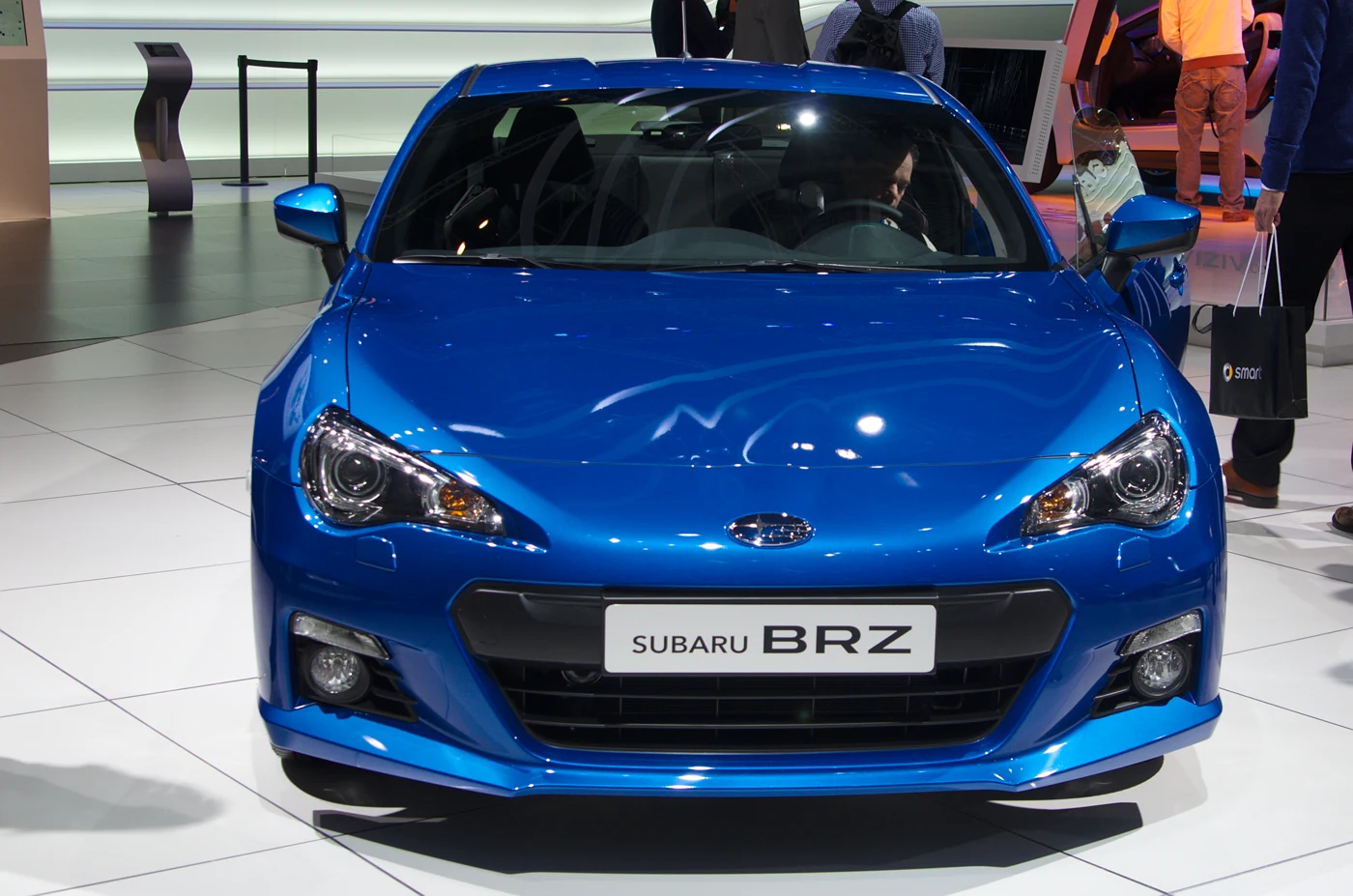
The first-generation Subaru BRZ brought something unexpected to British showrooms in 2012: a light, compact, rear-wheel-drive coupé from a company best known for four-wheel drive. Developed alongside the Toyota GT86, it paired Subaru’s flat-four engine with a low centre of gravity, modest grip and unusually communicative handling.
Quick answer: the UK-market BRZ uses a naturally aspirated 1,998cc FA20 boxer engine, a six-speed manual or automatic gearbox and rear-wheel drive. It is not especially fast in a straight line, but its balance, steering and everyday usability make it one of the most satisfying affordable sports cars of its era.
Why Subaru built the BRZ
Toyota wanted a modern, accessible sports coupé and Subaru supplied much of the engineering and production expertise. The shared platform placed the engine low and well back in the chassis. Subaru sold its version as the BRZ—Boxer engine, Rear-wheel drive, Zenith—and British deliveries began in 2012.
The formula was deliberately simple. There was no turbocharger, no four-wheel drive and no attempt to chase headline power figures. Instead the car concentrated on low weight, direct responses and a chassis that could be enjoyed at sensible speeds. Compared with the near-identical GT86, the BRZ was rarer in Britain and received subtly different suspension tuning.
Engine, gearbox and performance
The 1,998cc FA20 combines Subaru’s horizontally opposed layout with Toyota’s D-4S direct and port fuel injection. UK cars were rated at 200PS, with peak torque high in the rev range. The six-speed manual suits the engine’s appetite for revs; a six-speed automatic was also offered, but it softens the car’s character and performance.
| Specification | UK Subaru BRZ |
|---|---|
| Engine | 1,998cc naturally aspirated flat-four |
| Power | 200PS |
| Transmission | Six-speed manual or six-speed automatic |
| Drive | Rear-wheel drive with limited-slip differential |
| 0–62mph | About 7.6 seconds, manual |
| Top speed | About 140mph, manual |
What changed during production?
Early UK cars were sold in SE and better-equipped SE Lux forms. Detail updates arrived during the model’s life, followed by a more substantial 2017 facelift with revised styling, improved damping, a strengthened engine and updated cabin electronics. The basic character remained intact. Limited UK editions are uncommon, so condition and history matter more than chasing a particular badge.
What is it like to drive?
The BRZ’s appeal comes from proportion and feedback. The driving position is low, the steering is accurate and the pedals are placed well for a manual car. Modest Michelin tyres were chosen partly to keep the chassis adjustable without extreme speeds. On a wet or greasy road the car demands respect, but the standard stability system provides a useful safety net.
Performance feels brisk rather than explosive. There is a noticeable dip in mid-range torque, so progress depends on using the upper half of the rev range. Owners expecting turbocharged shove can be disappointed; those who value response and balance usually understand the car immediately.
Love cars you don’t see every day?
Get forgotten cars, surprising motoring stories and the most interesting finds from Unusual Cars by email.
Free to join. No spam. Unsubscribe whenever you like. See our privacy policy.
Buying guide: what to check
Recall and service history
Some early cars were included in a valve-spring recall. Confirm by chassis number that any applicable campaign was completed correctly, and look for a continuous service record with the correct oil. A rough idle or hesitation may point to an outdated ECU calibration, ignition trouble or neglected maintenance.
Engine and transmission
Listen from cold for persistent knocks and check carefully for oil seepage. A chirping high-pressure fuel pump can be irritating but is usually less serious than it sounds. On manuals, second gear can feel reluctant when cold; baulking when warm, clutch slip or an unusually high biting point deserves investigation.
Body, brakes and suspension
The low nose collects stone chips. Check window frames and quarter-light areas for corrosion, rear lamps for condensation and the underside for damage from speed bumps or track use. Uneven tyre wear can reveal poor alignment. Modified suspension, wheels and exhausts are common, so insist on quality parts and evidence of competent fitting.
Cabin
Interior materials are durable but plain. Look for wear on the driver’s outer bolster, rattles around the dashboard and parcel shelf, and signs that audio or alarm wiring has been disturbed. The rear seats are small, although folding them creates useful luggage space.
Which BRZ should you buy?
A standard six-speed manual with full history is the safest choice. The 2017-on facelift feels more polished, while an earlier car offers the purest value. Avoid assuming that more power automatically improves the package: forced-induction conversions can be excellent, but they increase heat and drivetrain loads and require specialist inspection.
Verdict
The original BRZ is unusual not because it is exotic, but because it resisted the industry’s move toward heavier, faster and more insulated performance cars. In UK-market form it is a rare, usable coupé with clear engineering priorities and a growing modern-classic following.
Research sources
- Subaru UK, marque history and heritage material
- PistonHeads, Toyota GT86/Subaru BRZ buying guide
- Autocar, used Subaru BRZ 2012–2020 review
- DVSA recall information and model-specific service guidance