UNUSUAL CARS MODEL GUIDE
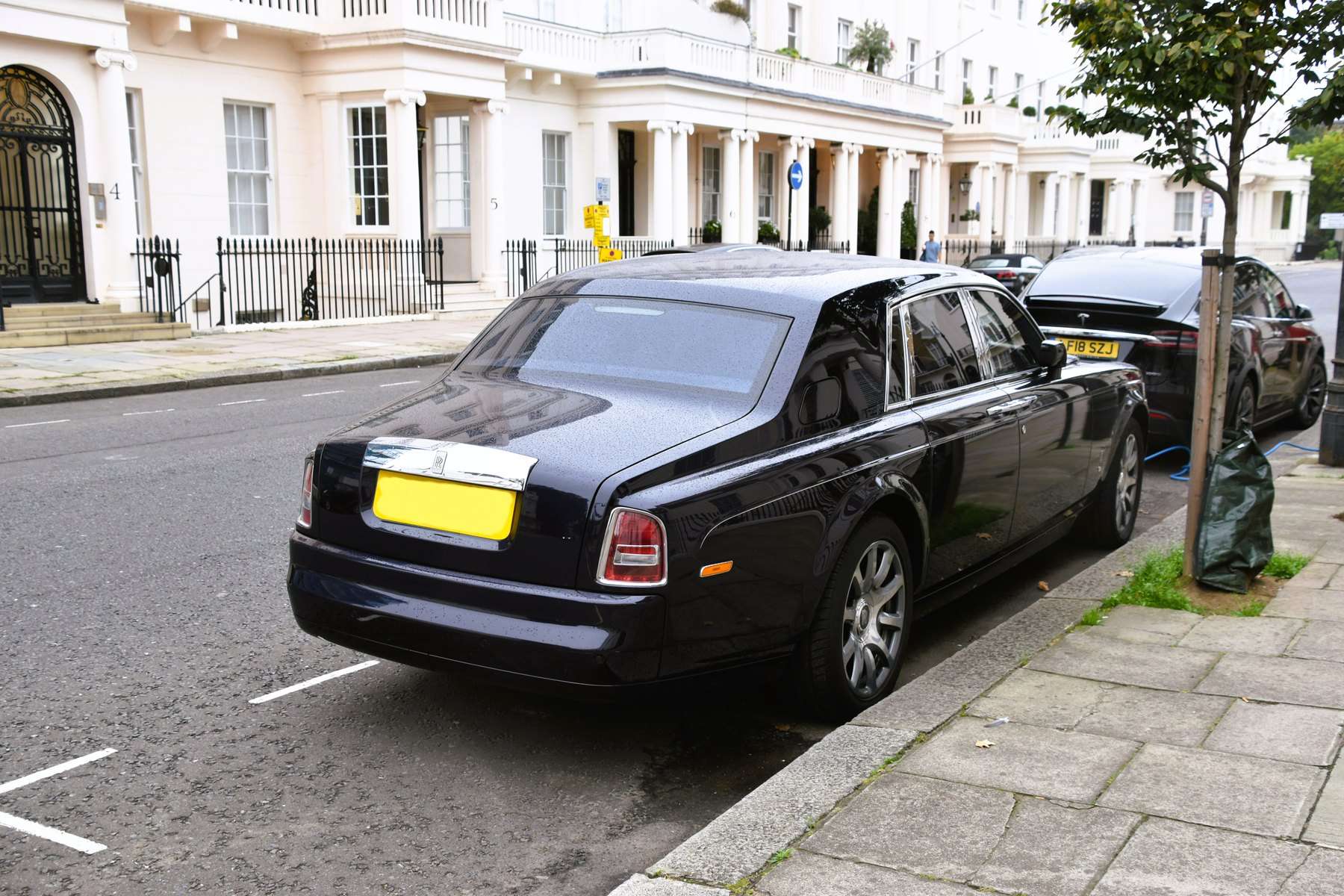
The Phantom VII launched the modern Goodwood era in 2003. Its aluminium spaceframe, 6.75-litre V12, rear-hinged coach doors and uncompromising scale re-established Rolls-Royce as an independent luxury-car maker and later supported extended-wheelbase, Drophead Coupé and Coupé derivatives.
Quick answer: A Phantom VII is engineered for immense durability, but its size, bespoke equipment and systems make deferred maintenance expensive. Condition, diagnostic health, provenance and correct tyres are more important than finding the lowest-priced example.
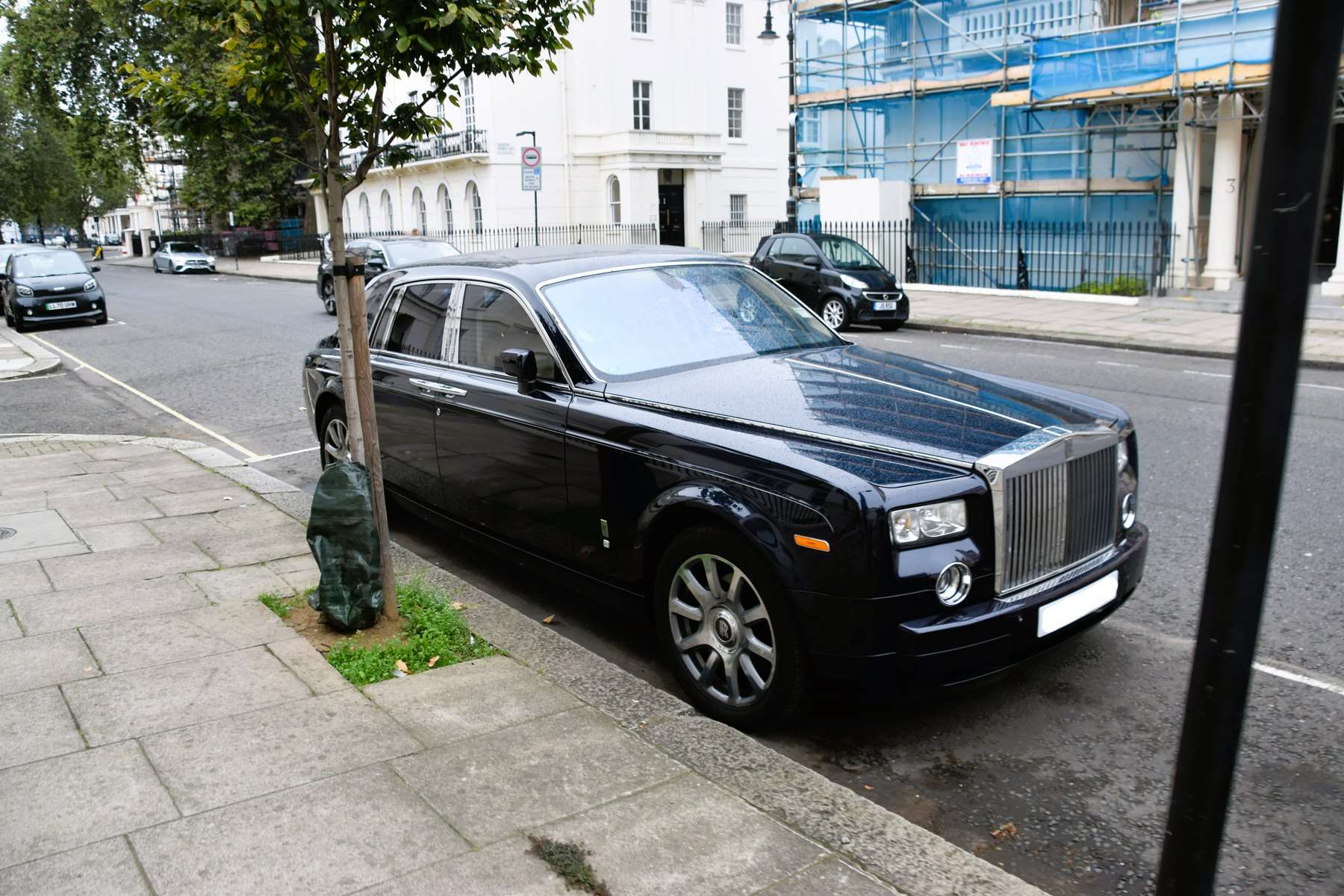
Featured image: Rolls-Royce Phantom VII. Photograph by Charles from Port Chester, New York, CC BY 2.0, via Wikimedia Commons; locally hosted.
The first Goodwood Rolls-Royce
BMW Group acquired the right to build Rolls-Royce motor cars and created a new factory at Goodwood. The first customer Phantom was handed over on 1 January 2003. Marek Djordjevic’s exterior combined an upright grille, minimal front overhang and long bonnet with a rising “waft line” inspired by earlier Phantoms and motor yachts.
An aluminium spaceframe gave designers freedom from conventional platform constraints. Coach doors, concealed umbrellas and a cabin built around traditional materials made the technology feel subordinate to ceremony.
V12, chassis and model range
| Version | Key distinction |
|---|---|
| Phantom saloon | Launched for 2003 with 6.75-litre V12 and aluminium spaceframe |
| Extended Wheelbase | Added 250mm to rear-cabin length from 2005 |
| Drophead Coupé | Open two-door derivative inspired by the 100EX concept |
| Phantom Coupé | Fixed-head two-door inspired by 101EX |
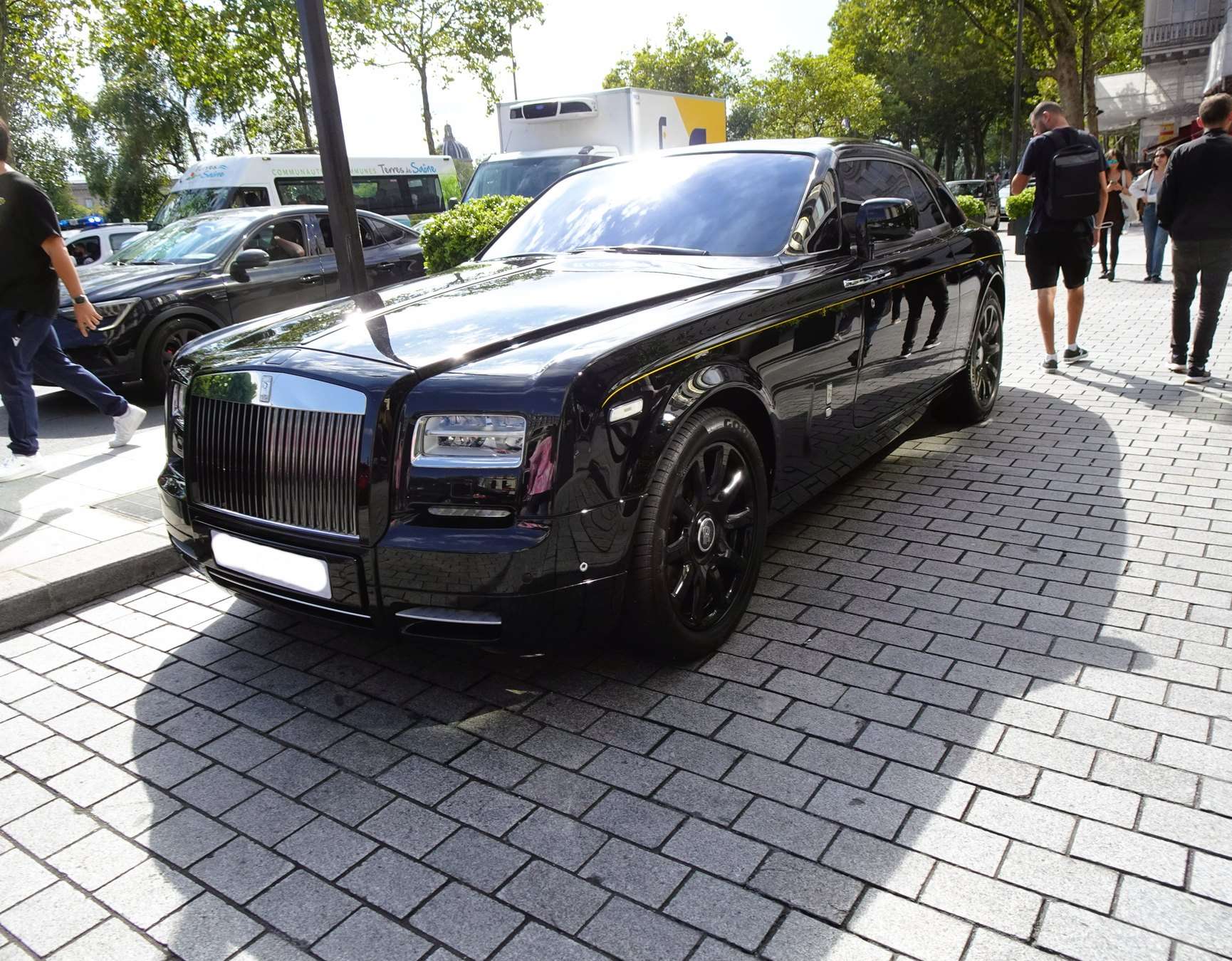
| Series II | 2012 update with revised lighting, transmission, controls and technology |
Love cars you don’t see every day?
Get forgotten cars, surprising motoring stories and the most interesting finds from Unusual Cars by email.
Free to join. No spam. Unsubscribe whenever you like. See our privacy policy.
Engine, transmission and diagnostics
The naturally aspirated V12 should start silently, idle without tremor and deliver uninterrupted power. Inspect cooling components, oil leaks, engine mounts and service records. Any misfire, drivetrain warning or overheating history needs marque-level diagnosis.
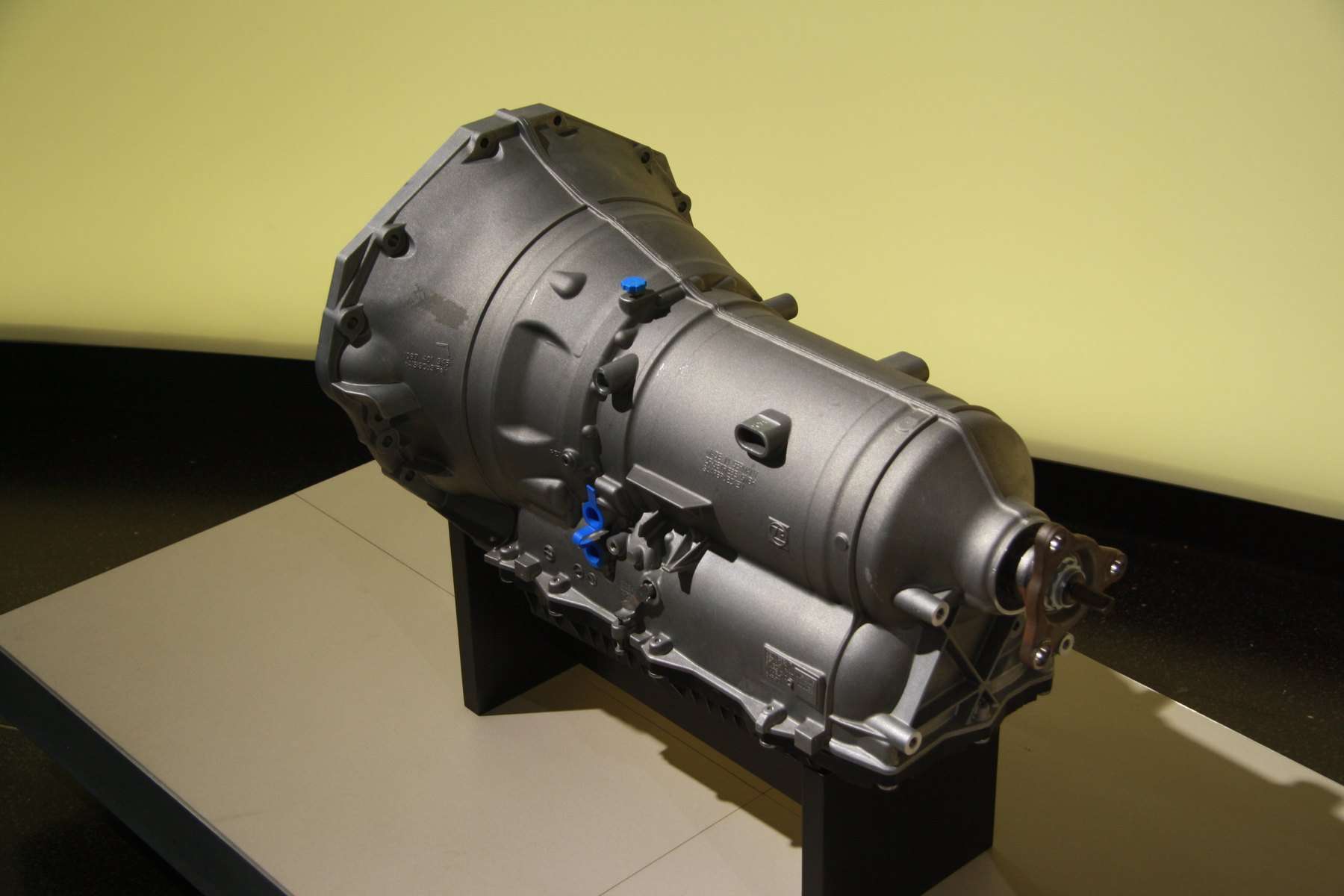
Early cars use a six-speed automatic and Series II introduced an eight-speed transmission. Changes should be nearly imperceptible. A complete diagnostic scan is essential because battery voltage, network faults and neglected modules can trigger multiple apparently unrelated symptoms.

Air suspension, brakes and tyres
Check that the car rises promptly, remains level after standing and rides quietly without float, knocking or harshness. Air springs, dampers, compressors, valves, control arms and bushes are service items on a very heavy vehicle. Inspect brake discs, calipers and electronic systems.
Correct tyres are crucial to ride, noise and safety. Confirm matching premium tyres with appropriate load ratings, healthy pressure monitoring and no age cracking. Uneven wear may reveal alignment or suspension faults.
Body, cabin and bespoke equipment
Inspect the aluminium body and bonded structure for signs of poorly repaired collision damage. Panel finish must be judged by someone familiar with Phantom construction. Test power-closing coach doors, umbrellas, windows, seats, tables, curtains, entertainment, navigation and climate functions.
Bespoke specification can be a strength when complete and documented. Missing trim, damaged veneers or obsolete screens may require specialist solutions, so inventory every fitting and compare it with the original build information.

Choosing and inspecting a Phantom VII
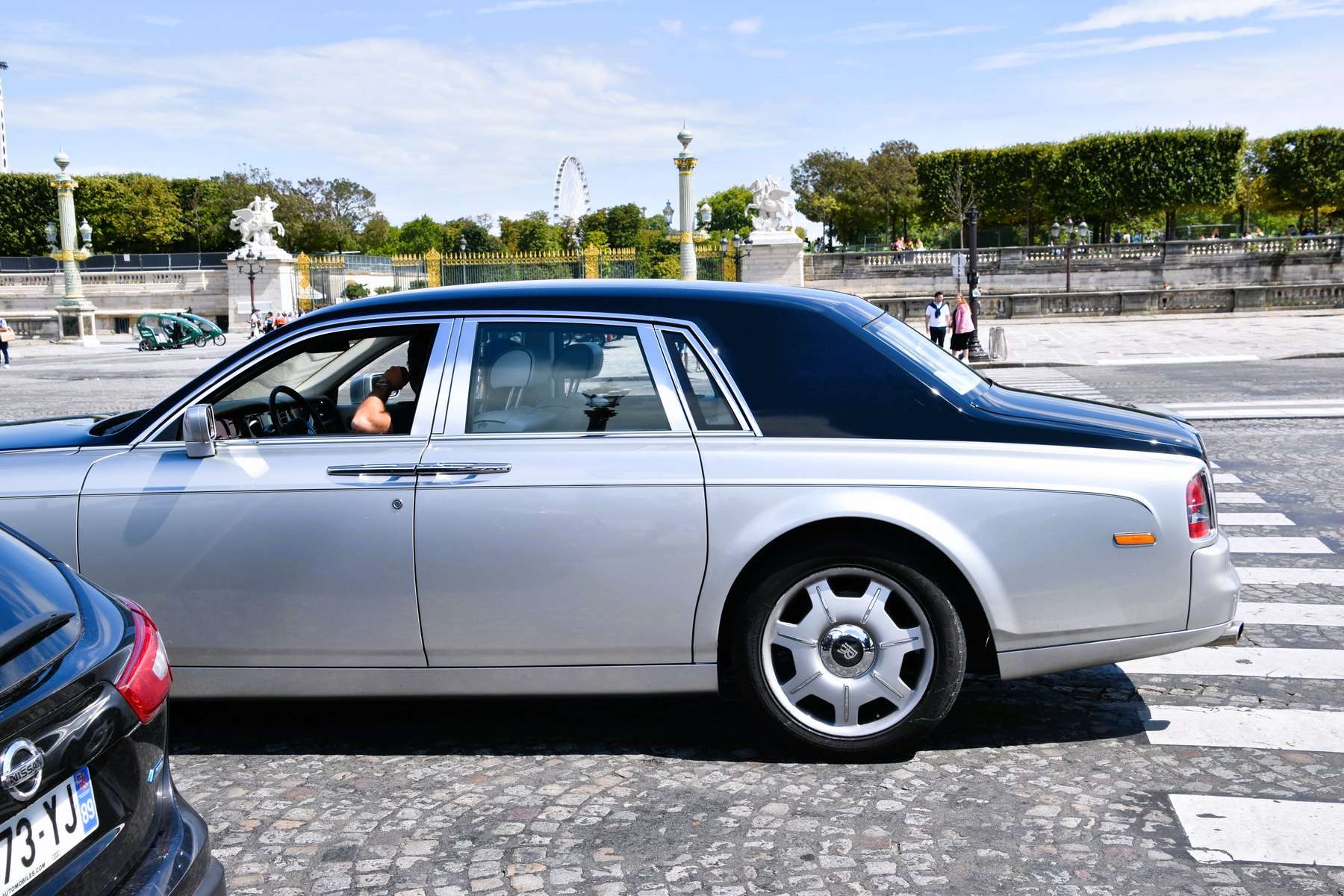
Earlier cars offer the cleanest original design; Series II improves infotainment, lighting and transmission response. Drophead and Coupé models are much rarer and bring unique roof, glass and body parts. Regardless of version, insist on invoices showing regular servicing rather than long dormant intervals.
A pre-purchase inspection should include diagnostic printouts, battery testing, suspension leak-down, lift examination, a full-temperature road test and confirmation that every bespoke function operates. Transport, tyres and workshop access must also suit the car’s exceptional dimensions and weight.
Sources and further reading
Continue the Rolls-Royce story
Explore the complete Rolls-Royce hub. Continue with Ghost Series I, Silver Seraph.
Frequently asked questions
When was Phantom VII produced?
The Goodwood-built Phantom VII ran from 2003 until 2017.
What engine does it use?
A naturally aspirated 6.75-litre V12.
What changed with Series II?
The 2012 update brought revised lighting, controls, infotainment and an eight-speed automatic gearbox.
Was Phantom VII available as a coupé?
Yes. Rolls-Royce offered both a fixed-head Phantom Coupé and a Phantom Drophead Coupé.
What are the key buying checks?
Diagnostic health, air suspension, cooling, brakes, correct tyres, collision repair, batteries and operation of every bespoke feature.