UNUSUAL CARS MODEL GUIDE
The Ferrari 400, 400i and 412 were front-engined V12 2+2 grand tourers built from 1976 to 1989. Their restrained Pininfarina styling, four proper seats and optional General Motors automatic made them unusual Ferraris, yet underneath they retained a tubular chassis, independent suspension and a direct link to the marque’s classic V12 GT tradition.
Quick answer: these cars can look deceptively affordable, but restoration costs are substantial. Verify whether the car is a carburetted 400, injected 400i or enlarged 412; then inspect corrosion, cooling, exhaust manifolds, fuel injection or carburettors, automatic transmission, complex electrics and complete interior trim.
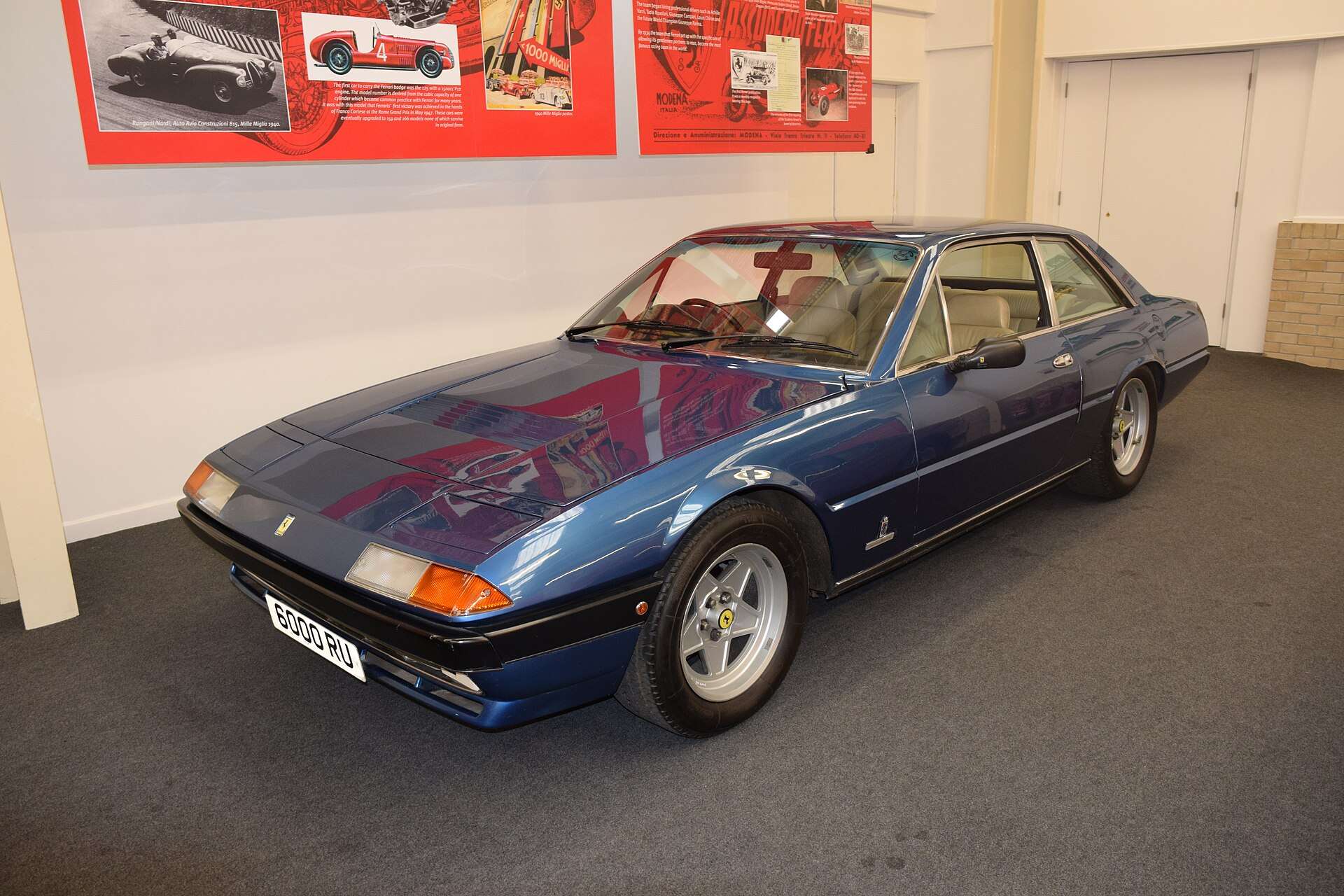
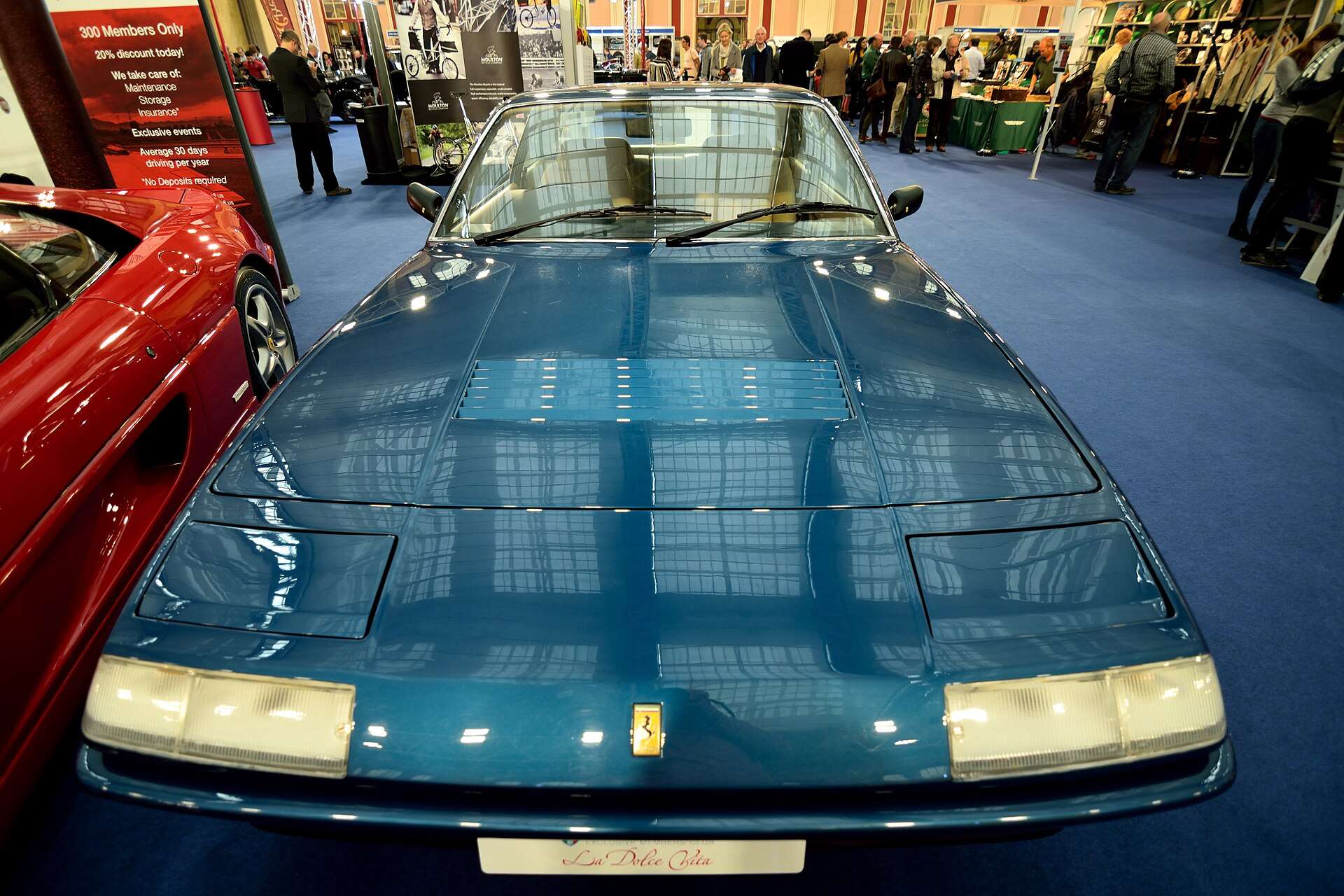
Featured image: blue 1986 Ferrari 412. Photograph by Charles01, CC BY-SA 4.0, via Wikimedia Commons; locally hosted.
The discreet Ferrari flagship
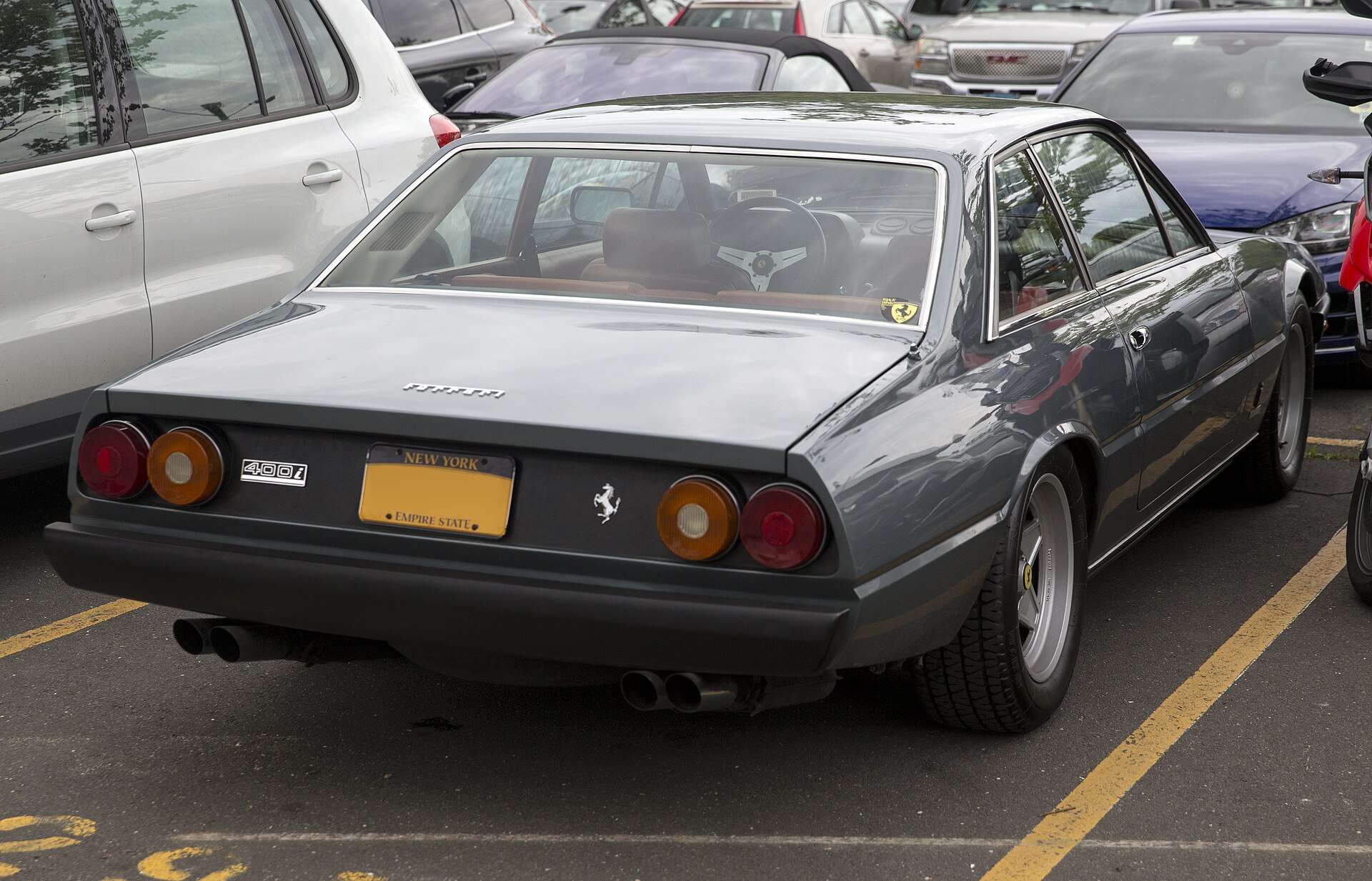
The 400 evolved from the 365 GT4 2+2 and retained its angular three-box Pininfarina form. In 1976 Ferrari enlarged the Colombo-derived V12 to 4,823cc, added a deeper front spoiler and revised rear treatment, while offering either a five-speed manual or a three-speed General Motors automatic. It was the first Ferrari road car available from the factory with an automatic transmission.
The 400 was conceived for long distances rather than theatre. Self-levelling rear suspension, twin air-conditioning systems on many cars and a leather-lined four-seat cabin made it a continental express. Ferrari did not officially certify the 400 series for the United States, making European and UK-market histories especially important to establish.

400, 400i and 412 compared
| Version | Years | Engine | Key change |
|---|---|---|---|
| 400 GT / Automatic | 1976–1979 | 4,823cc V12, six Weber carburettors | Five-speed manual or GM three-speed automatic |
| 400i GT / Automatic i | 1979–1985 | 4,823cc V12, Bosch K-Jetronic injection | Smoother running and lower emissions |
| 412 GT / Automatic | 1985–1989 | 4,943cc V12, Bosch injection | More torque, ABS, revised body and self-levelling system |
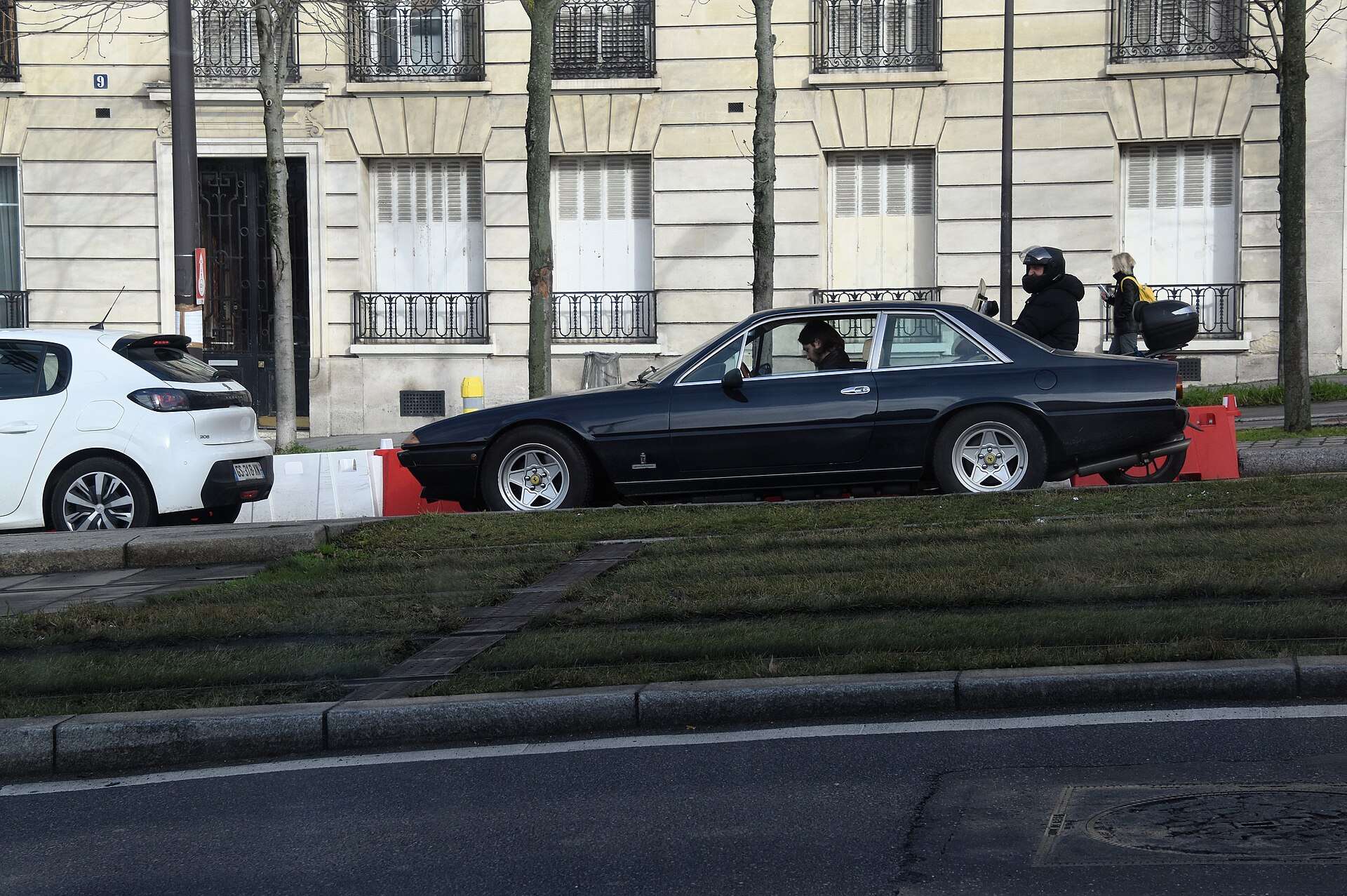
The 400i traded some peak output for the civility of injection; later versions regained power. The 412’s colour-coded bumpers, revised boot line and flat-faced alloy wheels are visual clues, but chassis and engine records remain the proper basis for identification.
Love cars you don’t see every day?
Get forgotten cars, surprising motoring stories and the most interesting finds from Unusual Cars by email.
Free to join. No spam. Unsubscribe whenever you like. See our privacy policy.
V12, cooling and fuel system
The V12 is generally the strongest major component, but it contains expensive detail. Check oil pressure hot, compression, timing-chain noise, valve clearances, smoke and evidence of coolant contamination. Cooling must remain stable in traffic with both fans working, and every hose, tank and radiator should be inspected.
Six Weber carburettors require accurate balancing and sound ignition. Bosch-injected cars need clean tanks, correct fuel pressure and freedom from vacuum leaks. Cracked exhaust manifolds are costly; listen from cold and inspect the complete exhaust. Long storage can damage pumps, seals and fuel lines even on low-mileage cars.
Transmission, suspension and brakes
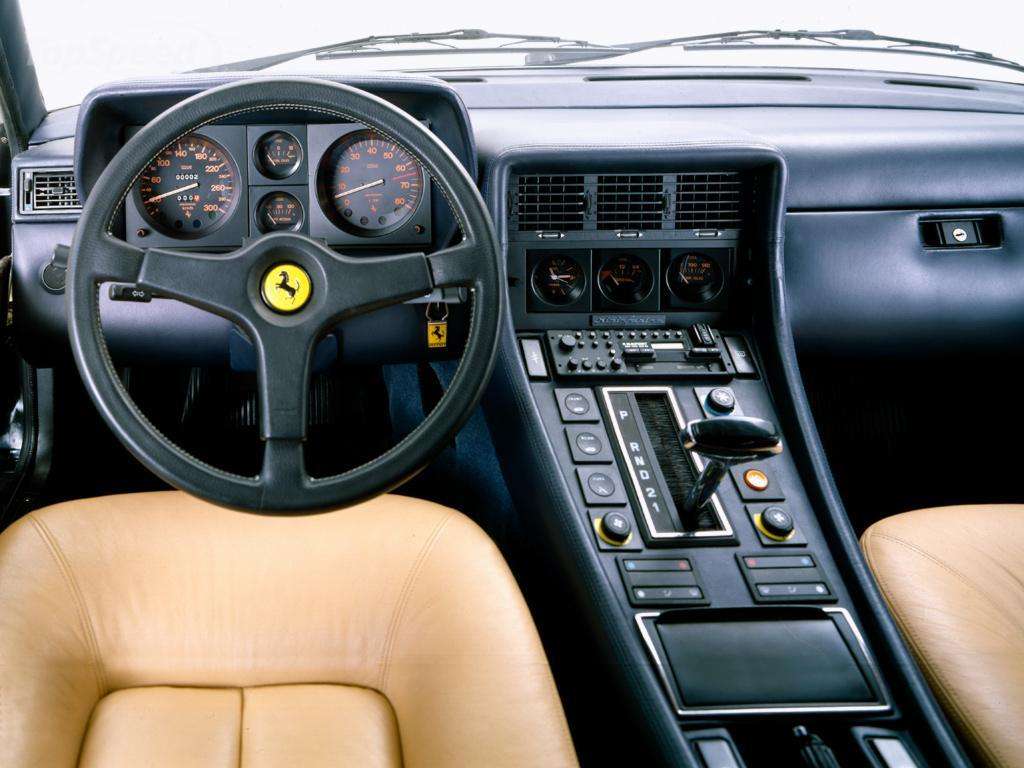
The five-speed manual is scarce and desirable, but a healthy GM automatic suits the car’s relaxed purpose. It should select promptly and change without slipping or harsh engagement. Check its fluid and cooling arrangements, then inspect the clutch and synchromesh on a manual, plus propeller shaft, differential and mounts on both.
Self-levelling rear suspension can be expensive when neglected. Look for leaks, sagging ride height, seized adjusters, tired bushes and incorrectly substituted components. Steering should be consistent without excessive play. On a 412, confirm that the ABS operates correctly and that no warning lamps have been disabled.
Body, trim and electrical complexity
Rust can affect sills, floors, wheelarches, door bottoms, screen surrounds, boot floor and suspension mounting areas. The tubular chassis needs inspection as seriously as the visible body. Misaligned doors or inconsistent seams can reveal accident repair, while replacement panels and bumpers are difficult to source.
The car contains extensive wiring, relays, electric seats and windows, twin ventilation equipment and multiple charging components. Test every switch repeatedly, both cold and hot. Leather, veneers, headlining, gauges and model-specific trim are expensive to restore correctly; completeness is a major part of value.
Buying the right 400-series Ferrari
A manual carburettor 400 is the most mechanically theatrical, a 400i is usually easier to use, and the 412 is the most developed. The automatic is not an inferior afterthought: it was part of the model’s grand-touring brief and far more common than the manual.
Commission a specialist inspection that includes lift access, compression or leak-down testing, cooling and fuel pressure, gearbox behaviour, suspension levelling, electrical load and a detailed check of chassis and body. A complete, exercised car will usually cost less overall than a neglected example needing simultaneous mechanical, body and cabin restoration.
Sources and further reading
- Ferrari: 400 GT factory history and specifications
- Ferrari: 412 factory history and specifications
- Classic & Sports Car: 365 GT4 2+2, 400i and 412 comparison
- Hagerty UK: Ferrari 400/412 profile
Continue the Ferrari story
Explore the complete Ferrari hub. Continue with the Ferrari 456 GT and GTA and Ferrari 308.
Frequently asked questions
Was the Ferrari 400 the first automatic Ferrari?
It was the first Ferrari road car offered from the factory with an automatic transmission, using a three-speed General Motors unit alongside a five-speed manual.
What is the difference between a Ferrari 400 and 400i?
The original 400 used six Weber carburettors. The 400i introduced Bosch K-Jetronic fuel injection in 1979 for smoother running and lower emissions.
How is the Ferrari 412 different?
The 412 enlarged the V12 to 4,943cc and added revised styling, more torque, ABS and an updated self-levelling rear suspension system.
Are Ferrari 400 and 412 models four-seaters?
Yes. They were designed as genuine 2+2 grand tourers with usable rear seats and a practical luggage compartment.
What should be checked before buying one?
Inspect chassis and body corrosion, V12 health, cooling, carburettors or injection, exhaust manifolds, gearbox, self-levelling suspension, brakes, electrics and complete interior trim.