UNUSUAL CARS MODEL GUIDE
The Talbot Avenger was not a new design, but it was an important final chapter. The rear-wheel-drive family car launched as the Hillman Avenger in 1970, became a Chrysler and then wore the revived Talbot badge from 1979 until British production ended in 1981. Saloon and estate models provided inexpensive, conventional transport while their platform and engines supported the more glamorous Sunbeam Ti and Lotus.
Quick answer: Talbot-badged Avengers were sold in Britain from 1979 to 1981 with familiar 1.3- and 1.6-litre overhead-valve engines, four-speed manual transmission and rear-wheel drive. Structural rust, incomplete trim, worn steering and suspension, oil leaks and accident repairs matter more than the badge on the grille.
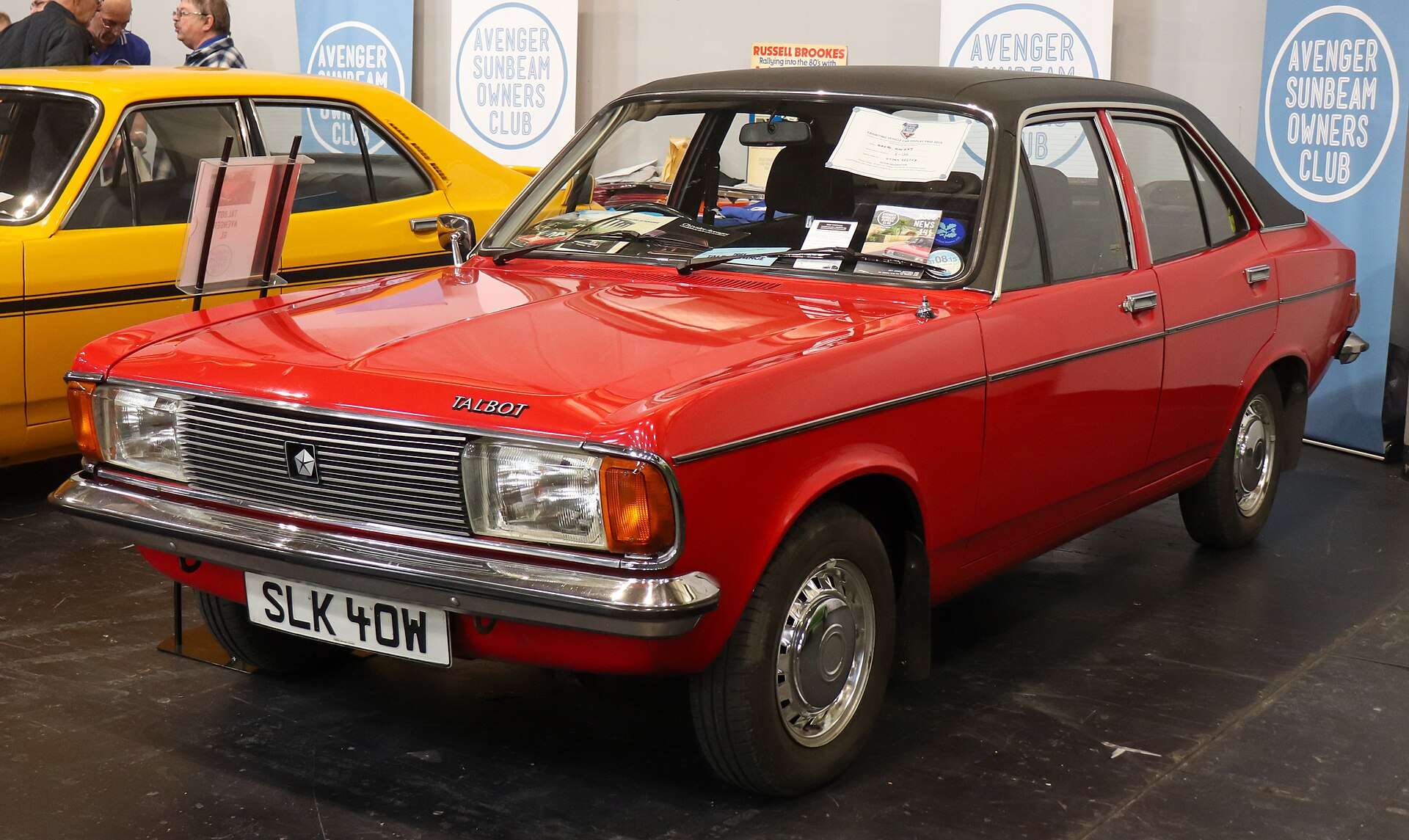
Featured image: 1981 Talbot Avenger GL 1.6 saloon. Photograph by Vauxford, CC BY-SA 4.0, via Wikimedia Commons; locally hosted.
From Hillman to Chrysler to Talbot
Rootes developed the Avenger as a modern small family saloon with MacPherson-strut front suspension, a coil-sprung live rear axle and a new overhead-valve engine family. Its straightforward layout proved adaptable: estates, sporting Tigers, export derivatives and competition cars all followed.
Chrysler progressively replaced Rootes marques with its own name, then PSA’s purchase of Chrysler Europe brought another identity change. From 1979 British Avengers carried Talbot badges. The underlying car was mature, inexpensive and familiar to dealers, but Linwood’s closure ended production in 1981.
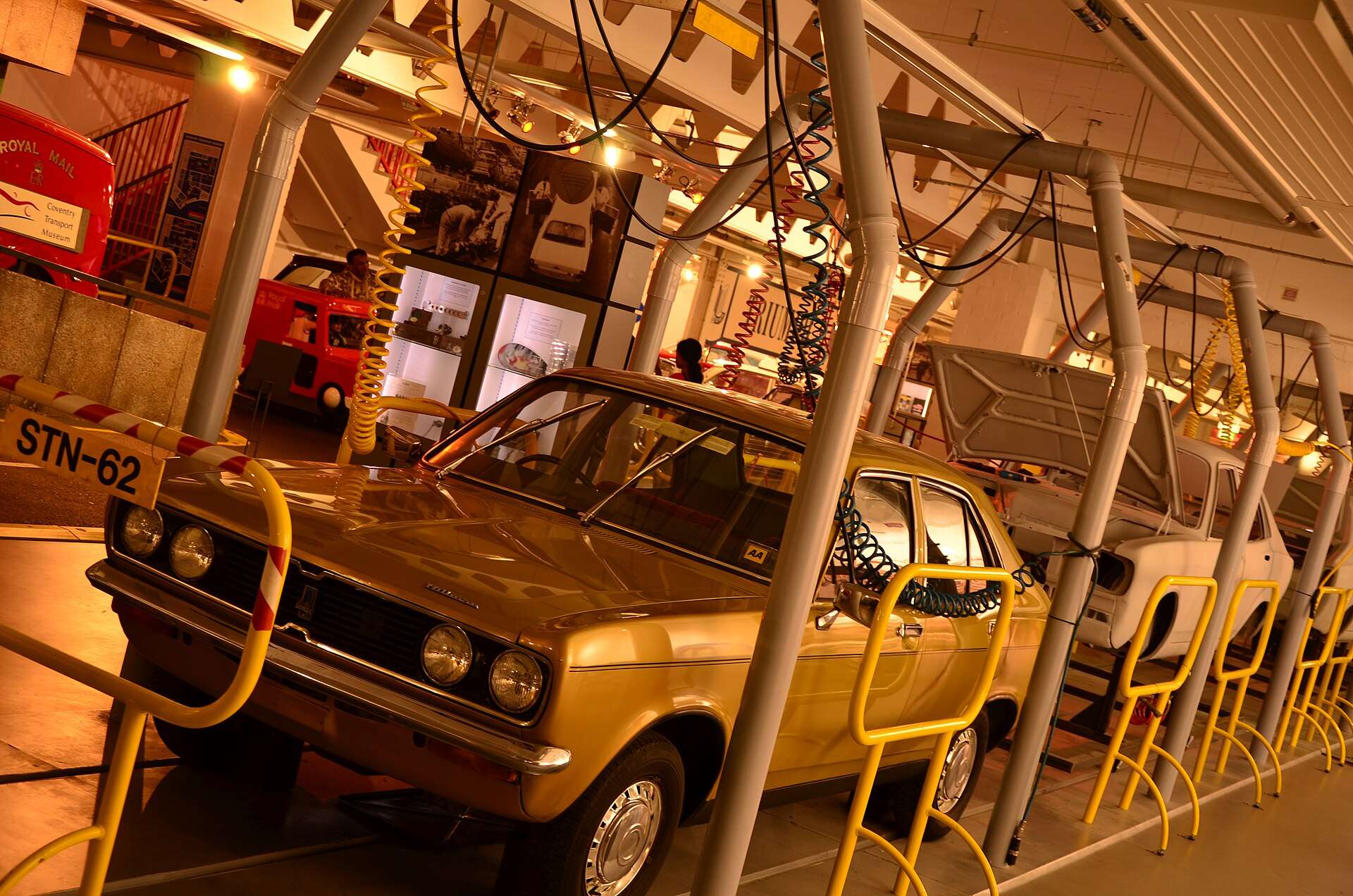
UK Talbot models and specifications
| Model | Engine | Character |
|---|---|---|
| Avenger LS | 1.3 litre | Basic saloon and estate transport |
| Avenger GL | 1.3 or 1.6 litre | Higher trim and the common enthusiast choice |
| Saloon | Four-door | Conventional three-box family car |
| Estate | Five-door | Practical load carrier with strong period appeal |
Exact trim and engine availability varied during the short Talbot period. Contemporary advertising placed the Avenger at the affordable end of a UK range that also included the Sunbeam, Horizon, Alpine, Solara, Rancho and Tagora. Check the chassis plate, engine number and original sales documentation when establishing specification.
Love cars you don’t see every day?
Get forgotten cars, surprising motoring stories and the most interesting finds from Unusual Cars by email.
Free to join. No spam. Unsubscribe whenever you like. See our privacy policy.
The 1.3 and 1.6 engines
Both engines are simple and well understood, but age and neglect still show. Look for oil leaks, crankcase fumes, timing-chain noise, low oil pressure and overheating. A clean cooling system, correct ignition timing and well-adjusted carburettor transform the way the car drives.
The four-speed gearbox should not jump out of gear or baulk badly, and the clutch should engage without judder. Listen for differential whine and worn universal joints. Steering play, tired front struts, perished bushes and seized brakes are common consequences of long storage rather than difficult design.
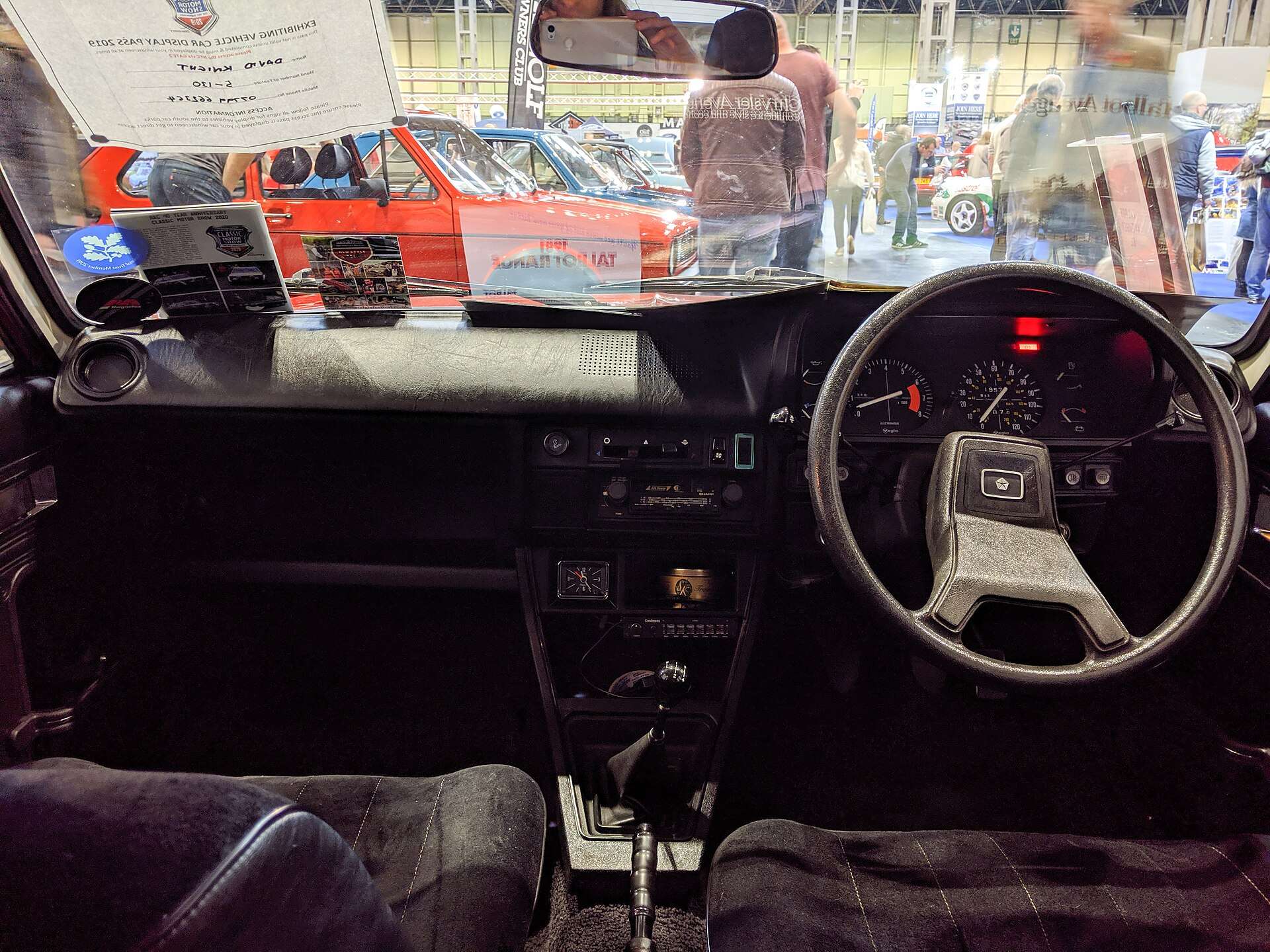
Body and structural inspection
Inspect front wings, inner wings, strut tops, bulkhead, windscreen surround, sills, jacking points, floors, rear arches, boot floor and suspension mounts. Estates need extra attention around the tailgate, load floor and rear side windows. Check panel alignment and seams for old accident repairs.
Talbot-specific grille, badges and cabin trim are much harder to source than service components. Water leaks can damage floors and interior materials, while badly fitted replacement screens promote further rust. Original completeness should influence the buying decision.
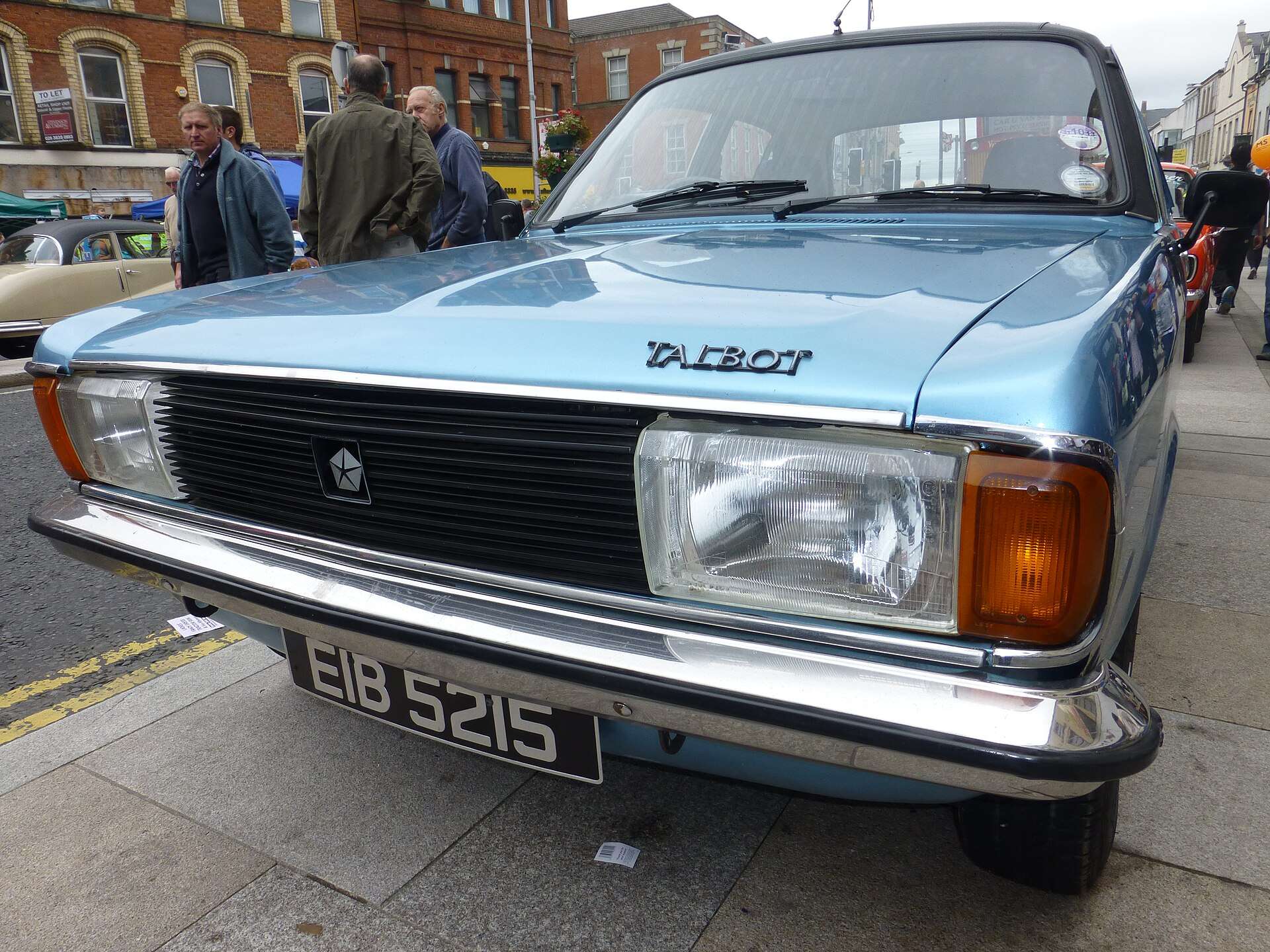
Why the Talbot years matter
The final badge illustrates how quickly Britain’s motor industry changed. A car conceived by Rootes passed through Chrysler and PSA ownership while remaining fundamentally the same useful rear-wheel-drive design. The Talbot Avenger also connects directly to the Sunbeam, which used shortened Avenger underpinnings and related engines.
Choose a sound shell with honest history rather than chasing a particular trim level. Parts support from the broader Avenger community is a major advantage, but rare Talbot details deserve preservation. A sorted 1.6 GL or estate offers simple classic motoring and a story no earlier badge can quite duplicate.
Research sources
- Avenger and Sunbeam Owners Club
- Rootes Archive: Avenger brochures and road tests
- Contemporary 1981 Talbot UK range advertisement
- 1980 UK Talbot Avenger sales brochure
Continue the Talbot story
The Avenger links Rootes engineering, Chrysler ownership and the short-lived Talbot revival. Explore the complete Talbot hub. Continue with the Sunbeam Ti. Compare the front-wheel-drive Horizon.
Frequently asked questions
When was the Avenger sold as a Talbot?
British Avengers carried Talbot identity from 1979 until production ended in 1981.
Is the Talbot Avenger rear-wheel drive?
Yes. It uses a front-engine, rear-wheel-drive layout with a live rear axle.
Which engines were offered?
The final UK range used the established 1.3- and 1.6-litre Avenger overhead-valve engines.
Is the Talbot Avenger related to the Sunbeam?
Yes. The smaller Sunbeam used shortened Avenger underpinnings and related engines.
What is the main buying concern?
Structural corrosion is the main concern, followed by incomplete Talbot-specific trim and the effects of long storage.