UNUSUAL CARS MODEL GUIDE
The first SEAT Alhambra was a full-size European MPV sold from 1996 until 2010. Developed alongside the Volkswagen Sharan and Ford Galaxy, it offered genuine seven-seat practicality and an unusually broad engine range, from economical TDI diesels to the rare 2.8-litre V6 with four-wheel drive.
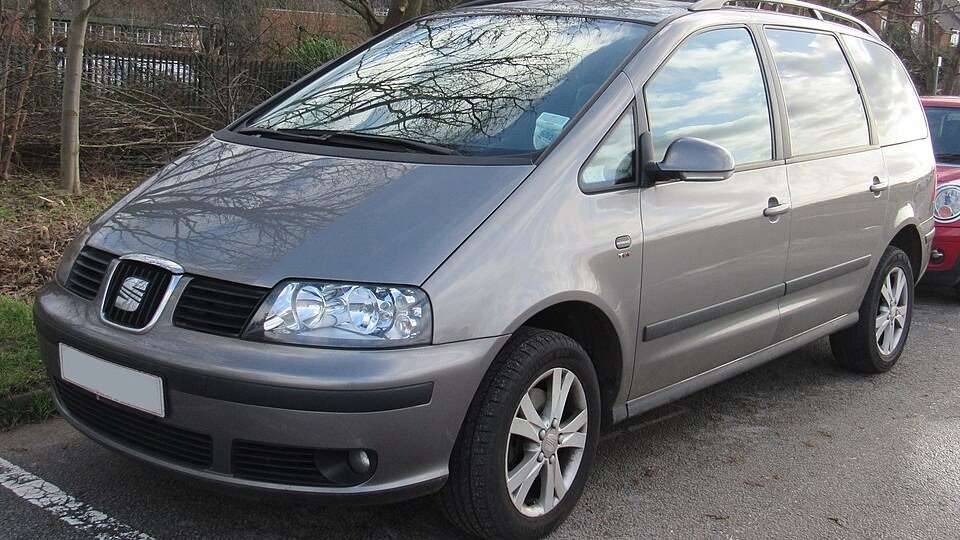
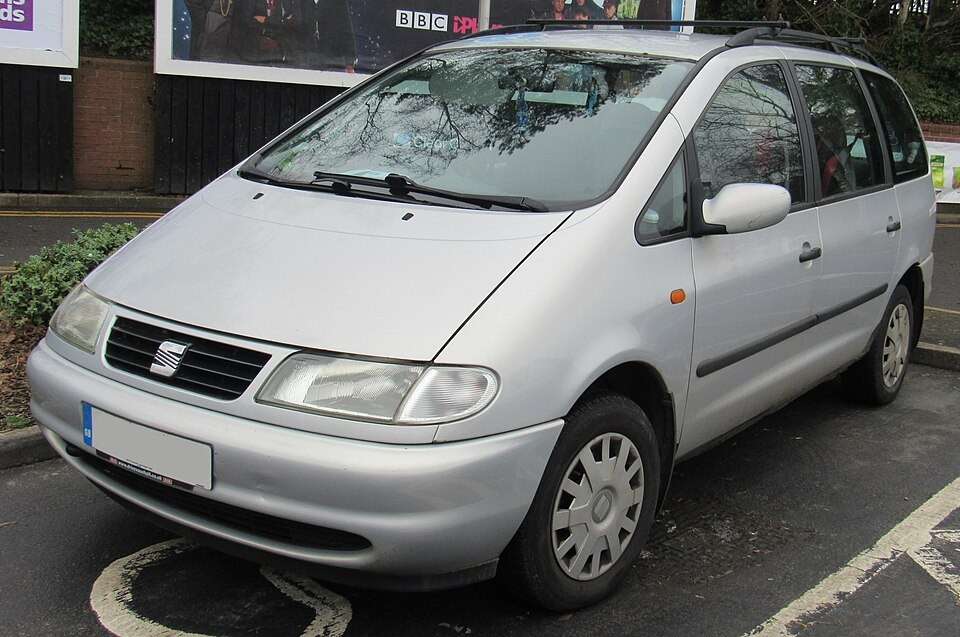
Featured image: Facelift SEAT Alhambra Mk1 Reference TDI front three-quarter view. Photograph by Vauxford, CC BY-SA 4.0, via Wikimedia Commons; locally hosted.
A SEAT with seven-seat ambition
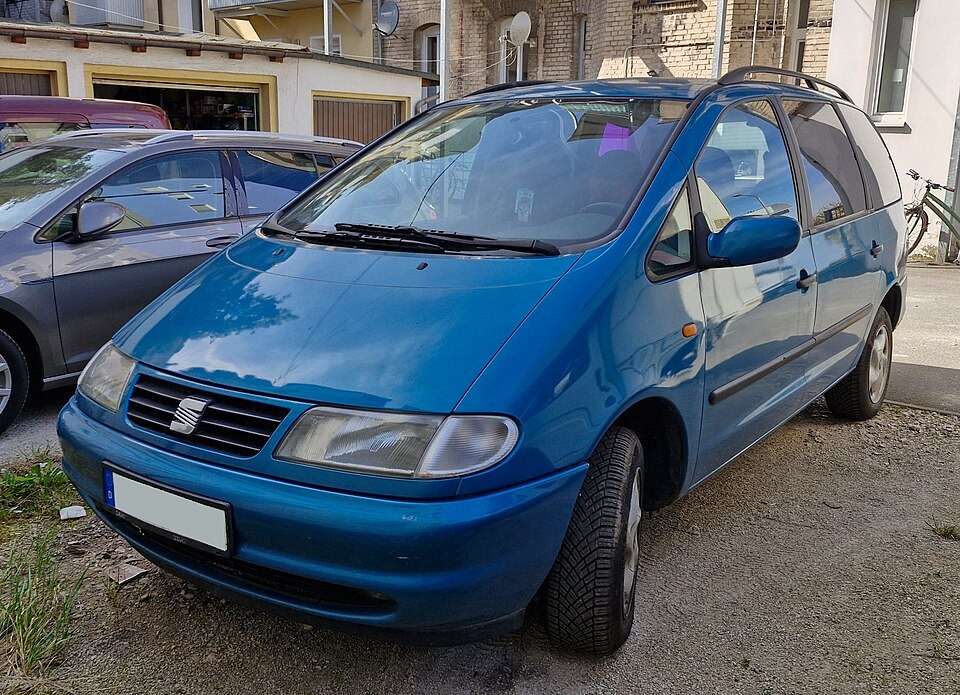
Launched in 1996, the Alhambra moved SEAT into the large-MPV class. Joint development spread costs across SEAT, Volkswagen and Ford, but each brand applied its own grille, trim and engine strategy. Early cars could be configured with five or seven seats; after the 2000 facelift, seven seats became standard in the UK range.
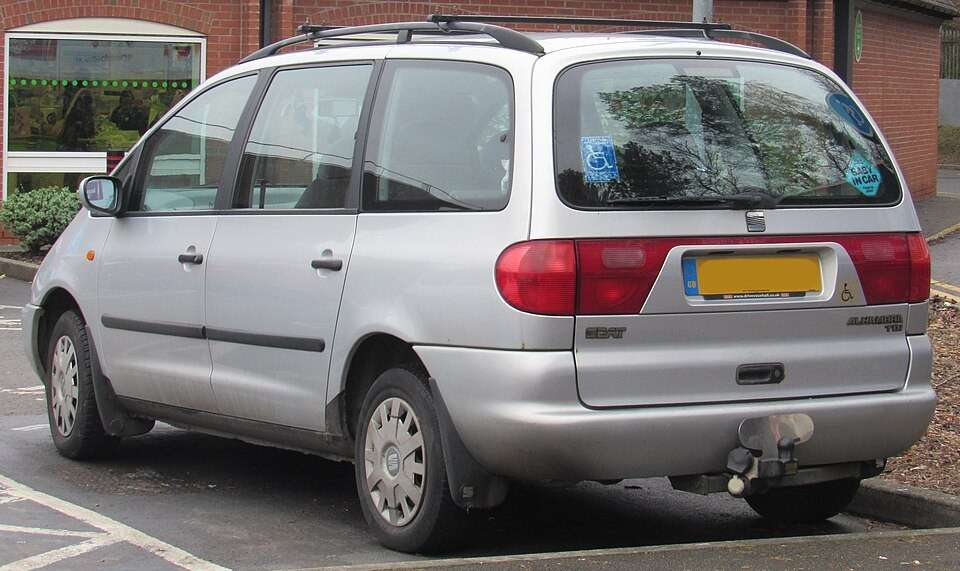
The facelift brought revised lights, bumpers, dashboard details and improved equipment. Production continued for a remarkably long period, so registration year alone does not identify the engine, emissions equipment or specification.
Engines from TDI to V6
| Engine | Typical outputs | Buying context |
|---|---|---|
| 2.0 petrol | About 115 PS | Simple but works hard in a loaded MPV. |
| 1.8 turbo petrol | 150 PS | Flexible and uncommon. |
| 2.8 V6 | Up to 204 PS | Fast, thirsty and available with four-wheel drive. |
| 1.9 TDI | 90–150 PS depending on year | Most common and usually the practical choice. |
| 2.0 TDI | 140 PS in late cars | Later diesel with different maintenance considerations. |
The official UK owner’s manual lists the 204 PS V6 and four-wheel-drive petrol and diesel combinations. Verify the engine code and driven wheels because badges and online adverts are often incomplete.
Love cars you don’t see every day?
Get forgotten cars, surprising motoring stories and the most interesting finds from Unusual Cars by email.
Free to join. No spam. Unsubscribe whenever you like. See our privacy policy.
Diesel and transmission checks
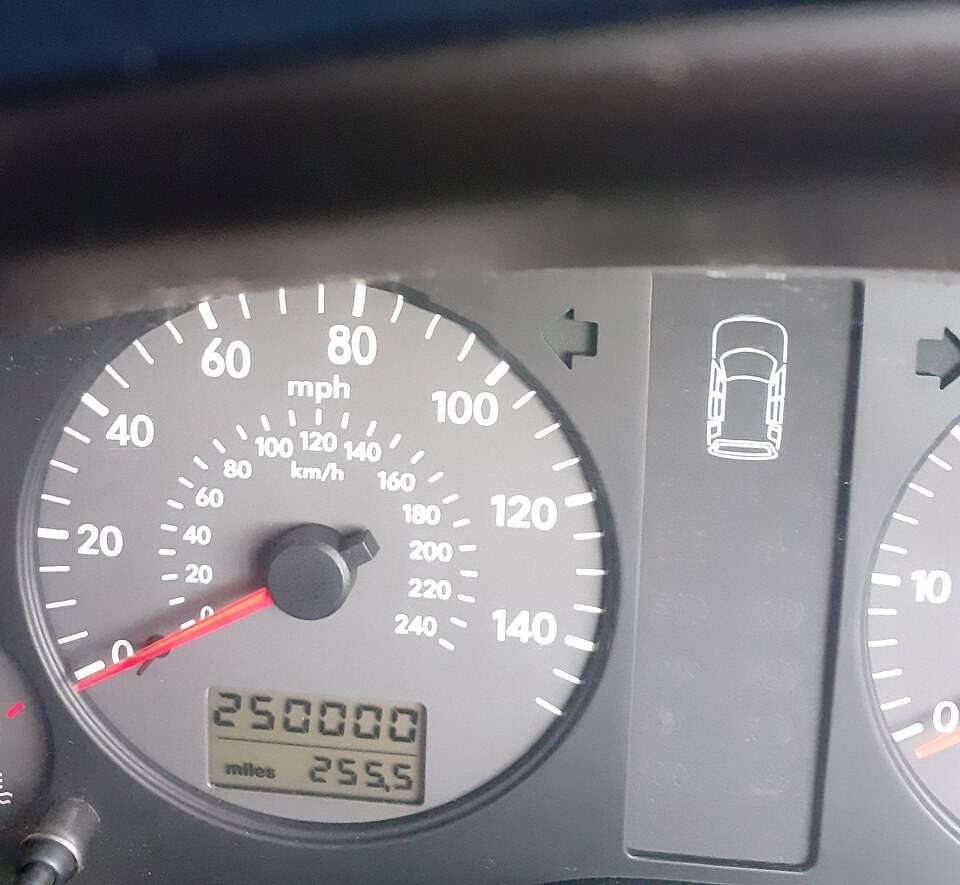
On a TDI, demand evidence for timing-belt and water-pump replacement, correct oil and fuel-filter servicing. Watch for difficult starting, smoke, boost loss, leaking intercooler hoses, sticking turbo vanes and EGR or intake contamination. Later unit-injector engines are sensitive to the correct oil specification.
Manual cars can need a clutch and dual-mass flywheel; listen for rattling at idle and test for slip under load. Automatics require clean changes when cold and hot plus documented fluid servicing. Four-wheel-drive versions need matching tyres and evidence that the coupling and rear driveline have been maintained.
V6 appeal and cost
The narrow-angle 2.8 V6 turns the Alhambra into an unusual high-performance people carrier. Its smoothness and strong motorway performance are appealing, but fuel consumption, cooling-system complexity and tight engine-bay access make neglected examples expensive.
Check chain noise, coolant loss, ignition faults, catalytic converters and all driveline components. A V6 with incomplete history should not command a premium merely because it is rare.
Body, cabin and electrics
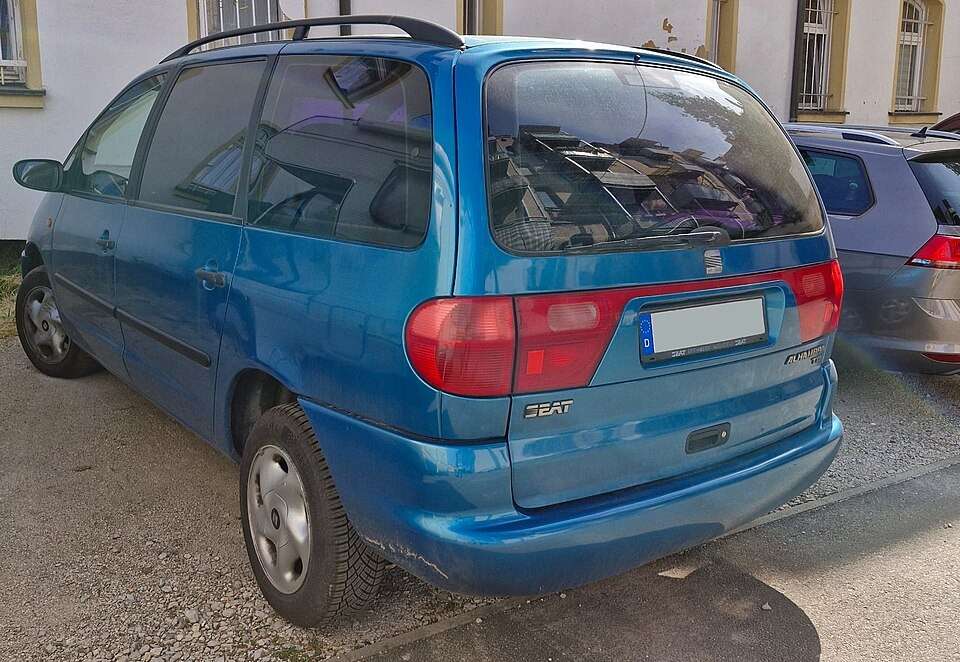
Inspect sills, jacking points, floor edges, wheelarches, tailgate, door bottoms and the front subframe. Examine the underside for damage from incorrect lifting. Test every door latch, central-locking function, window, mirror, wiper, parking sensor and dashboard display.
Air conditioning must cool all zones. Fold, slide and remove each seat, checking runners and belts. Missing rear seats and parcel covers are costly, while water ingress around doors, tailgate or scuttle can trigger electrical problems.
Buying checklist
Identify the exact drivetrain
Use the engine code, gearbox code and underside inspection, not the badge.
Test every family-car function
Seats, belts, climate control, doors and windows are central to the car’s usefulness.
Inspect hot and loaded
A long test drive exposes cooling, boost, clutch, automatic and driveline faults.
Sources
- SEAT UK: Alhambra owner’s manual and technical data
- SEAT UK: history of the 1990s
- What Car?: used SEAT Alhambra review
Continue the SEAT story
Explore more overlooked Spanish performance and everyday cars in the complete SEAT hub.
Frequently asked questions
Is the SEAT Alhambra related to the Volkswagen Sharan?
Yes. The first Alhambra shares its basic platform and many components with the Volkswagen Sharan and Ford Galaxy.
Did the Alhambra have a V6 engine?
Yes. Facelift-era cars could use a 2.8-litre V6 producing up to 204 PS, including a four-wheel-drive version.
Which diesel is best?
Condition and history matter more than output, but documented 1.9 TDI cars are generally the most familiar and practical choice.
What are the main buying checks?
Check cooling and timing history, diesel boost and injection, clutch and flywheel, automatic behaviour, electrics, air conditioning and all seven seats.
When was the Mk1 Alhambra sold?
The first generation was launched in 1996 and remained in production until 2010.