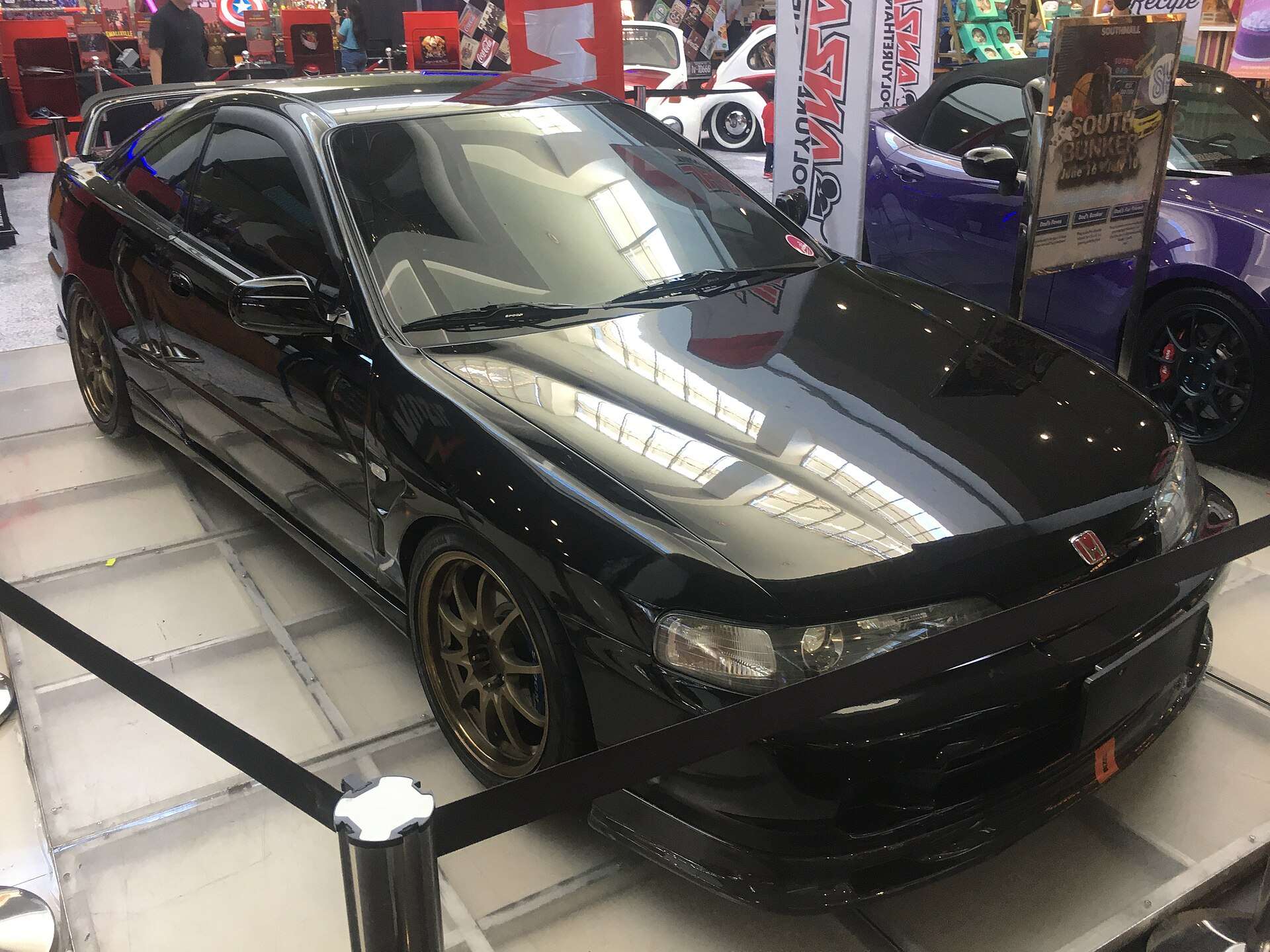
The Honda Integra Type R DC2 is an enthusiast car whose appeal comes from engineering rather than excess power: a high-revving naturally aspirated engine, a precise five-speed manual gearbox and a focused front-wheel-drive chassis. Today, buying well means establishing genuine identity, understanding market-specific specification and inspecting the shell as carefully as the engine. A healthy B18C cannot make a badly corroded body a sensible purchase.
Our buying verdict
Buy the best documented, structurally sound genuine Type R you can find. Prefer a coherent standard or reversible specification, credible timing-belt and oil history, clean warm running and a gearbox that shifts properly. A repaired car can be worthwhile when the work is documented and inspected; a shiny car with hidden corrosion is a much harder ownership proposition.

UK, Japanese import and genuine Type R identity
Honda’s original August 1995 Japanese launch release describes a 1,797 cc B18C DOHC VTEC engine, five-speed manual transmission, helical limited-slip differential and specific chassis and interior changes. It quotes 200 PS for that Japanese launch specification. Honda’s European history places the DC2’s arrival in Europe in 1997. Do not blend Japanese launch output with every UK or export specification, and do not confuse the later 2.0-litre DC5 with this car.
| Car type | What to understand | Buying priority |
|---|---|---|
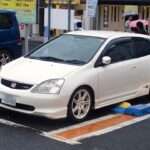
| UK-supplied DC2 | Market-specific engine, lighting and equipment details; round-headlamp appearance is familiar. | Confirm original supply history, VIN and actual engine rather than relying on lamps or badges. |
| Japanese-market DC2 | Rectangular-headlamp examples and different revisions/equipment are common in imports. | Verify chassis information, export documents, mileage units and the installed drivetrain. |
| Modified Type R | Engine, gearbox, hubs and trim may have changed during a long ownership history. | Create an actual component list and require invoices and a specialist inspection. |
| Type R lookalike / converted shell | Appearance can be reproduced on a different Integra. | Authenticate before paying a genuine-car premium. A red cam cover or numbered plaque is insufficient. |
Japanese revisions can differ in brakes, hubs, wheels, gearing and equipment. Order parts using the actual chassis and installed components, not a seller’s shorthand description such as “98 spec”. Engine and gearbox swaps make identification particularly important. The DB8 four-door Type R is related but is not the DC2 three-door covered here.
Check VIN or chassis markings, registration details, engine identity, service paperwork and import records together. Ask a Honda specialist familiar with genuine Type R shells to inspect construction details and repairs. Plaques, seats, steering wheels and badges can move between cars; no single decorative item proves authenticity.
Choose according to intended use. A carefully maintained modified car may suit regular driving, while a collector will put more weight on original components and provenance. Do not pay a standard-car premium for a heavily altered example if you intend to buy rare original parts afterwards.
Prices: a thin market needs careful comparison
A market check on 4 November 2026 found that PistonHeads’ broad Integra page mixed generations and did not offer a useful current set of comparable DC2 advertisements. It did report a 1998 DC2 auction sale at £14,740 on 30 November 2025, with 105,325 miles shown. That is one historical platform-reported result, not a current valuation or a representative price range.
The same page displayed DC5s and non-Type R cars. Their prices should not be used to manufacture an apparently well-supported DC2 range. For a live purchase, collect several genuine DC2 comparables and separate UK provenance, Japanese imports, restoration quality, originality and modifications. Auction fees and the condition described in the sale record also matter.
Ask what justifies a premium: a sound unrestored shell, properly documented metalwork, verified mileage or complete factory equipment? A low reading in a car with mixed kilometre and mile records needs explanation. Price rust repair and missing parts before negotiation; these can matter more than a small difference in odometer mileage.
Rust and shell condition come first
Arrange a dry daylight inspection and a lift. Examine rear wheelarch lips and inner structures, sill ends, jacking areas, the floor, suspension mounting points and the spare-wheel well. Look behind accessible liners and trim for trapped dirt, dampness and repair seams. A neat outer arch does not establish sound metal behind it.
Check the lower door and hatch edges, glass surrounds, boot seals and water tracks. Investigate damp carpets and a wet boot rather than assuming a cheap rubber seal is the only problem. Corrosion repair needs to address the source of moisture and the inner structure, not simply improve the visible paint.

Ask for photographs of welded repairs before filler, paint and protective coatings. A restoration invoice should explain which panels and structures were repaired and by whom. Fresh underseal deserves inspection of what lies underneath, without assuming it proves either quality or concealment. Obtain a specialist body estimate if the work is uncertain.
Inspect panel gaps, paint consistency, fasteners, inner wings and front and rear structural areas for accident repairs. Check suspension mounting alignment and tyre wear. A car can look straight while needing geometry or structural correction. A vehicle-history report cannot certify the absence of unrecorded damage.
Original spoilers, skirts, lamps and badges can be expensive to replace. Check attachment points and the condition of any removed components included in the sale. A box labelled “all original parts” needs the same scrutiny as the car.
B18C engine and five-speed gearbox checks
Cold start and oil condition
Ask the seller to leave the engine cold. Check oil and coolant safely before starting, then observe idle, smoke and abnormal mechanical noise. The B18C’s high-revving reputation is not permission to neglect oil level or warm-up. Look for dated servicing records and an owner who can explain oil consumption and checks between services.
During a complete warm road test, assess clean response and consistent power without forcing the engine beyond sensible conditions. Investigate smoke under load or on the overrun, persistent misfire and unusual noises. Compression or leak-down testing can help assess a suspect engine, but results need consistent technique and expert interpretation.
VTEC operation depends on proper engine conditions and control systems. If it does not behave correctly, identify oil level, pressure, temperature, electrical and mechanical causes rather than assuming a cheap solenoid will cure it. Avoid buying an unexplained “VTEC fault” solely on a seller’s proposed fix.
Timing belt, valve clearances and cooling
The B18C uses a timing belt. Require an invoice identifying date, mileage and the components changed; a general service stamp does not prove a belt job. Confirm the applicable Honda schedule for the actual engine and its age. If the record is missing or ambiguous, budget for an appropriate complete belt service before relying on the car.
Tegiwa’s B18C/B16B timing-belt application is distinct from its B16A listing. This illustrates why a generic “B-series” search is not enough to establish fitment. Compare the correct belt, tensioning parts, pump and seals as applicable, and ask the garage to state the scope. A racing-branded belt does not remove age-related maintenance requirements.
Ask for valve-clearance inspection evidence and investigate an excessively noisy or uneven engine. Check cam-cover, distributor and other accessible seal areas for leaks, then have the source identified on the lift. Confirm coolant condition, radiator, hoses, thermostat and fan operation. Any overheating history deserves a clear account and appropriate tests before purchase.
Gearbox, clutch and differential
Test every gear when cold and warm, including shifts into the higher-load gears without rushing or forcing the lever. Crunching, baulking, jumping out of gear or excessive whine needs a repair estimate. A short-throw lever or fresh transmission oil does not establish healthy synchros.
Check clutch take-up, release and slipping under reasonable warm load. Ask whether the installed clutch is standard or uprated; a harsh competition setup may be tiring on the road. Inspect mounts, driveshaft boots and leaks. Price the flywheel, release bearing, seals and labour separately if they are excluded from a clutch quote.
Honda’s launch documentation identifies a helical limited-slip differential, but replacement gearboxes and altered internals need verification. Use gearbox identification and invoices rather than trying to prove fitment through aggressive wheelspin. A seller claiming different gearing should provide a coherent description of what was changed.
Suspension, steering and brakes
Inspect bushes, ball joints, dampers, springs, top mounts and wheel bearings. Check for excessive lowering, poor clearance and inappropriate spring or damper combinations. A Type R’s reputation for handling cannot overcome worn joints or bad tyres. Obtain a proper geometry assessment if it pulls, wanders or wears tyres unevenly.
Brake and hub specification can differ across market revisions or modifications. Identify actual disc dimensions, calipers and wheel pattern before ordering. Check caliper operation, brake pipes, fluid history and ABS equipment where fitted. Do not assume every imported car has the same equipment as a UK example.

Recaros, trim and electrical checks
Inspect seat bolsters, frames, rails and locking mechanisms. Recaro refurbishment and correct original trim can add significant cost, so distinguish normal wear from broken or incorrectly mounted parts. Check steering wheel, pedals and gear knob against mileage while remembering that these components are replaceable.
Test windows, mirrors, locking, heater, air conditioning if installed, instruments, audio, wipers and lights. Compare equipment with the market specification, not assumptions from another car. Check for amateur alarm, stereo and engine-management wiring, and obtain the details needed to support any aftermarket ECU.
Look for dampness beneath carpets and around the boot, and assess whether electrical faults may be connected. Confirm both keys or understand the cost and limitations of replacing missing items. A tidy cabin is encouraging but cannot substitute for checking the shell behind it.
Maintenance and useful parts costs
Plan a baseline service from the engine identity, invoices and inspection. Use the correct Honda fluid specifications and assess time as well as mileage. Modified engines, gearing and brakes need their own component record so the next service does not become a guessing exercise.
These are editorial UK parts-only budgeting allowances, not live offers or fitted quotes. Brand, VAT treatment, exchange surcharges and availability can change the total. Obtain a written fitted quote and check part numbers against your VIN, engine and modifications.
Affiliate disclosure: we may earn a commission from qualifying eBay purchases, at no extra cost to you. The links open vehicle-specific searches; they do not certify the suitability or quality of individual listings. Check seller, fitment, warranty and returns.
| Maintenance item | Parts allowance | What to check |
|---|---|---|
| Oil and filter service parts | £45–£90 | Use the correct oil specification and monitor level between services. |
| Timing-belt service components | £120–£260 | Confirm B18C fitment and complete scope; labour and seals may be extra. |
| Accessory belts | £20–£60 | Verify the equipment fitted and each belt application. |
| Spark plugs | £25–£70 | Match engine and any verified modifications. |
| Alternator | £120–£280 | Check application, output, diagnosis and exchange terms. |
| Starter motor | £80–£190 | Rule out battery, cable and earth problems first. |
| Manual clutch kit | £140–£300 | Flywheel, seals and labour are additional where required. |
| Radiator | £90–£220 | Verify mountings, connections and intended road use. |
| Cam-cover gasket set | £25–£75 | Identify leak source and compare complete sealing sets. |
| Front discs and pads | £100–£230 | Market revision and swaps can change fitment. |
| Suspension bushes | £30–£90 per component | Correct installation and geometry matter as much as the part. |
Hidden ownership costs
Proper rust repair: outer panels are only part of a structural job. Inner metal, fabrication, paint matching, drainage and corrosion protection all contribute. A cheap patch can become a larger bill when the car is dismantled correctly.
Originality: correct seats, wheels, steering wheel, airbox, exhaust and trim may be harder to source than routine service parts. Price missing pieces individually before paying a collector premium for a car described as “easy to put back to standard”.
Import and mileage evidence: Japanese documents, odometer conversions and miles accumulated after import need a consistent chronology. Obtain specialist insurance using the correct model and modifications; do not assume every online quotation recognises the exact car.
Gearbox work: parts availability, synchro repair and labour can make a crunchy gearbox more expensive than a seller suggests. A used replacement introduces its own unknowns. Obtain a written estimate before treating it as a minor negotiating point.
Tyres and chassis setup: correct quality tyres, suitable wheels, sound bushes and alignment deliver the car’s core appeal. An aggressive track setup may need money spent to restore acceptable road manners.
Security, storage and downtime: quote appropriate cover and security for your circumstances. Long storage can leave old tyres, stale fluids and seized brakes behind a low mileage reading. Keep a reserve for diagnosis and parts lead times as well as routine servicing.

Eight checks before you commit
- Authenticate the Type R shell, chassis identity, engine and gearbox.
- Reconcile UK or Japanese supply records, odometer units and mileage history.
- Inspect inner and outer arches, sills, floor and mounting points on a lift.
- Read photographs and invoices for structural repair before valuing fresh paint.
- Check a cold start, oil history, cooling and credible timing-belt evidence.
- Test warm gearbox and clutch operation, then inspect driveshafts and leaks.
- Verify brakes, hubs, suspension, tyres and any claimed market revision or modification.
- Price immediate repairs, missing originals, insurance and a maintenance reserve.
Frequently asked questions
Is every red-badged DC2 a genuine Type R?
No. Seats, plaques, badges and cam covers can be swapped. Confirm shell and drivetrain identity with records and an experienced specialist.
Are Japanese and UK cars mechanically identical?
Do not assume so. Market and revision differences affect engine specification, equipment, hubs, brakes and gearing, while later swaps add another layer. Identify the actual components before buying parts.
Does the B18C use a timing belt?
Yes. Obtain a dated, mileage-specific invoice and confirm the appropriate schedule and complete job scope. A general service stamp is not enough.
What matters more: mileage or rust?
Both need context, but serious structural corrosion can dominate the economics. A sound well-maintained higher-mileage car can be preferable to a low-reading example needing extensive metalwork.
Can I use DC5 prices to value a DC2?
No. They are different generations and buying markets. Compare genuine DC2 cars with similar provenance, condition and specification.
Research and sources
Factory material establishes the original Japanese specification and European arrival. Parts documentation supports fitment distinctions, not a factory maintenance interval. The limited market evidence is identified openly rather than presented as a broad current price survey.
- Honda: original Japanese Integra Type R launch, August 1995: B18C, five-speed, helical differential and model identity; Japanese-market figures.
- Honda European Type R history: the DC2’s European arrival and its relationship to the Accord Type R.
- Tegiwa: B18C/B16B timing-belt application: component identification and the need to distinguish B-series variants.
- PistonHeads Integra listings and reported results: the clearly dated single DC2 auction observation above; other generations excluded.