The 2013–2017 Fiesta ST combines a turbocharged 1.6-litre engine, a six-speed manual gearbox and a compact body that makes sense as an everyday enthusiast car. Buying well requires more than choosing a colour or a claimed power output. Cooling history, correctly completed belt work, accident repairs, security and the quality of modifications can change the ownership bill substantially. This guide concerns the four-cylinder ST180 family, including ST200; it is separate from the earlier 2.0 ST150 and later 1.5 three-cylinder ST.
Our buying verdict
Choose a sound, well-documented car with a healthy cooling system, verified recall status and a clear maintenance timeline. We would favour a standard or carefully documented mildly modified example over an anonymous “stage” build. Buy an ST200 for its verified factory specification and condition, not just grey paint and a badge. Allow for overdue belt work and security measures in the purchase budget.

ST, ST-2, ST-3 and ST200: which Fiesta?
Ford’s launch material describes the ordinary ST as producing 182PS from a 1.6 EcoBoost engine. “ST180” is the familiar shorthand; advertising may use PS and bhp inconsistently. ST-2 and ST-3 primarily describe equipment packages. A seller advertising a later 1.5-litre ST at 200PS is offering a different generation, not automatically an ST200.
| Version | Buying implications |
|---|---|
| ST / ST-2 / ST-3 | Verify the original equipment from build information. Check heated seats, climate functions, navigation and keyless equipment where fitted; equipment does not establish mechanical health. |
| ST200 | Ford’s February 2016 press release specifies 200PS, 290Nm, temporary overboost, a shorter 4.06 final drive, Storm Grey paint and distinctive wheels/interior detailing. Authenticate the factory car. |
| Mountune or other tuned example | Ask for the package invoice, installer, software and hardware details and insurance declaration. A badge or dyno sheet alone does not identify the complete specification. |
| Three-door or five-door | Market and production differences matter. Confirm origin and equipment rather than assuming every photograph or overseas advert describes a UK three-door. |
Factory ST200 versus a remapped ordinary ST
Ford’s original ST200 announcement, reproduced as company press material by Ultimatecarpage, makes clear that the model includes more than an ECU power change. The shorter final drive is part of the specification, alongside the trim and chassis details. A modified ST180 may be enjoyable, but that does not make it a factory ST200. Check VIN/build information, invoices and drivetrain details before paying a special-model premium.
For normal road use, good tyres, straight wheels, healthy dampers and correct alignment are more valuable than an impressive list of bolt-on parts. Try the seats and driving position, including rear access, before committing. A very firm or lowered example should suit your actual journeys, not just a short smooth-road demonstration.
ST180 prices: a dated UK asking snapshot
Checked 4 November 2026: PistonHeads displayed a 2015 1.6 ST-2 at £7,999 with 48,755 advertised miles in Clevedon; a 2016 1.6 ST-3 at £8,995 with 69,000 miles in Braintree; and a 2013 1.6 ST-2 at £9,495 with 27,502 miles in Mold. It also showed a 2014 ST-2 at £4,250 and 109,000 miles. These are seller asking examples, not cars we inspected or evidence of achieved sales.
The same results page mixes the later 1.5-litre ST with the 1.6 and displays separate historical auction results. We excluded those later cars from this comparison and have not converted historical sales into a current price guide. Differences in mileage, history, condition, modifications and seller preparation mean these few adverts cannot establish a national valuation range.
How to compare two candidates
Write down asking price, overdue service work, belt evidence, cooling findings, tyres, brake condition, insurance and any security work. Obtain workshop estimates for the largest uncertainties. A lower asking price may leave you with several deferred jobs at once. A higher price is not proof that those jobs have been done: request the actual invoices and match them to the car and mileage.
Check declared accident status and repairs independently. Theft history, replacement locks, missing keys or an unexplained ECU change need a coherent documentary explanation. Avoid describing a clean history report as a guarantee of an undamaged car. Inspect panel and structural repairs physically, and ask a specialist to assess anything beyond ordinary cosmetic work.

Bodywork, rust and security checks
Check the VIN on the vehicle against the V5C, service records and any history report. Review mileages in order and investigate long gaps, duplicate-looking invoices or a sudden change of registration details. Make sure the person selling the car has a credible right to sell it and that any outstanding finance is resolved through the proper process.
On a lift, inspect sills, jacking points, floor, subframes, suspension mounts and brake pipes. Look for impact damage, distorted underbody protection and poorly executed repairs. Corrosion may be less obvious than on an older classic, but age, winter use and trapped dirt still matter. Treat fresh coating as a prompt to ask what is underneath, not as proof of restoration.
Examine the bonnet, front wings, slam-panel area, headlamp mounts, bumper fixings and rear quarters for inconsistent paint and alignment. Stone chips and a repainted bumper are not the same as structural damage. Ask why a repair was needed and look for photographs or invoices that define its extent. Uneven tyre wear and an off-centre steering wheel warrant a proper alignment and damage assessment.
Do not leave security until after purchase
Get an insurance quotation for the actual registration before paying a deposit. Ask the insurer what security measures it requires and discuss reputable additional protection with a qualified installer. Verify all supplied keys, locking functions and any aftermarket immobiliser documentation. Do not ask a public forum to diagnose your specific security setup by posting sensitive access details.
Check weather seals, the spare-wheel area and under the carpets for dampness. Water inside can produce electrical symptoms as well as smells. Confirm that repairs address the entry point rather than simply cleaning and drying the trim. Inspect door seals and trim attachment without assuming every loose piece needs a whole replacement panel.
Engine, cooling, belt and tuning checks
Start with the cooling system and recall record
Ford directs owners to its VIN-based recall checker or a Ford dealer because campaigns depend on exact build and specification. Ask for evidence of completed applicable work. A sensor visible on an expansion tank is not, on its own, proof that every required campaign has been completed. Conversely, do not apply an overseas campaign number to every UK car without checking eligibility.
See the engine cold and inspect the coolant level, hoses, reservoir and surrounding joints for staining or leaks. Ask whether it has ever overheated, required repeated top-ups or had cylinder-head work. Have a specialist investigate unexplained coolant loss, abnormal pressurisation, contamination, misfires or inconsistent temperature behaviour before buying. Those symptoms have more than one possible cause; do not diagnose an engine from an oil-cap photograph.
Warm the car fully at sensible speeds and confirm stable temperature and appropriate fan operation. A quick run around the block may miss a fault that appears after heat soak. Never open a hot pressurised cooling system, and stop safely if the temperature becomes abnormal. A completed recall and a recent coolant change do not prove that previous overheating caused no damage.
Timing-belt evidence must identify the actual job
Laird Performance’s workshop page specifically covers the 2013–2017 ST180 and ST200 1.6 EcoBoost and stresses correct Ford timing tools and procedures. Its advertised job includes a genuine belt, water pump, timing-system components and necessary consumables. That is useful evidence of the job’s scope, rather than a reason to accept “belt done” without an invoice.
Confirm the correct time/mileage requirement for the actual vehicle with Ford service information and your chosen specialist. Do not substitute the schedule or wet-belt work for an ordinary 1.0-litre Fiesta. If the dated belt history cannot be established, obtain a quotation and arrange the appropriate work before relying on the car for normal use. Ask what associated drive components and coolant are included.

Modified cars: investigate the complete package
Obtain invoices for the intake, intercooler, exhaust, catalyst, turbo and ECU calibration as applicable. Establish who wrote the software, what fuel and service requirements it carries and whether the car can be maintained by the workshop you intend to use. A named “stage” is not a universal engineering specification. Do not infer safe torque, emissions compliance or engine health from the label.
During a permitted drive, look for smooth response, consistent boost delivery and clean running rather than testing maximum performance. Investigate hesitation, smoke, warning lamps and unusual noises. Check for leakage, poor wiring, improvised brackets and hoses touching hot or moving components. A specialist should scan faults and assess live data where appropriate; cleared codes are not evidence of a repaired cause.
Gearbox, clutch, steering and brakes
Try every gear cold and fully warm. Check for crunching, selection resistance, jumping out of gear and speed-related whine. The clutch should engage predictably without slip under a sensible load. Ask for diagnosis before pricing a complete gearbox: linkage, mounts and clutch faults can change the feel, while an apparently small noise can also indicate a larger internal job.
Inspect engine and gearbox mounts and ask about vibration after aftermarket mount changes. A firmer mount can transmit more vibration by design, but “it’s modified” should not end an investigation into a new or severe symptom. Check driveshaft joints and boots, steering play, suspension bushes, springs and damper leaks.
Assess tyre age and specification, wheel damage, front and rear brake condition and fluid history. Check that the car stops straight and that no brake binds after the drive. Poor tyres, worn suspension and incorrect geometry can undermine the car’s handling more than the engine’s claimed power improves it. Plan alignment after replacing parts that affect it.
Recaros, electronics and everyday use
Inspect seat bolsters, rails, adjustment mechanisms and heating where fitted. Try the driving position for long enough to know whether the seats suit you. Operate climate controls, air conditioning, windows, mirrors, audio, navigation, parking equipment and all keys. A claim that the air conditioning “only needs gas” is an unresolved fault until tested.
Check that warning lamps perform their start-up check and extinguish correctly. Scan persistent engine, ABS or restraint warnings with appropriate equipment rather than accepting a recent reset. Review aftermarket alarm, stereo and auxiliary wiring for competent installation. Battery and charging tests should distinguish an ageing battery from a charging or parasitic-drain problem.
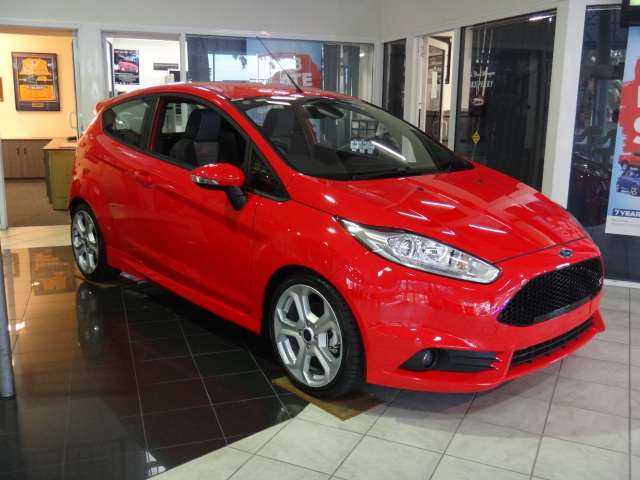
The illustrative North American five-door below is included to show why market specifications must be distinguished. Use the UK car’s actual build record for equipment, body style and parts, not a generic image or search-engine specification summary.

Maintenance costs and useful parts
Affiliate disclosure: This guide contains eBay affiliate links. We may earn a commission from qualifying purchases. These links open relevant searches, not vetted products or guaranteed fitments. Match VIN, engine, gearbox, original part numbers and modifications before ordering; availability and prices change.
Price check, 4 November 2026: Laird Performance displayed £570 for its workshop-fitted ST180 timing-belt and water-pump service. Confirm current availability, VAT treatment, complete scope and any extra work directly before booking. This is one specialist’s displayed package, not a UK-wide average. Compare timing kits and water pumps as parts searches only; a kit price excludes the skilled fitting and associated work.
| Item | What to check before spending | Relevant eBay search |
|---|---|---|
| Timing belt and water pump | Invoice, date, mileage, exact 1.6 application, tools and full job scope. | Timing belt and water pump searches |
| Alternator | Test charging and wiring; match mounting, output and pulley. | Alternator searches |
| Oil and filter | Use verified Ford specification and the car’s operating requirements. | Oil and filter searches |
| Spark plugs | Correct specification and gap, especially with a documented tune. | Spark plugs searches |
| Cooling hoses and thermostat | Diagnose the leak or temperature fault and confirm exact component. | Cooling hoses and thermostat searches |
| Clutch kit | Diagnose slip or selection faults; check associated parts and labour. | Clutch kit searches |
| Brake discs and pads | Match axle, dimensions and any modifications; include fluid where due. | Brake discs and pads searches |
| Engine mounts | Match road-use needs; harder does not automatically mean better. | Engine mounts searches |
Turn the inspection into a service plan
Ask for an itemised quotation showing parts, labour, VAT, fluids, diagnostic work and any refundable exchange surcharge. A complete fitted job and a parts-only listing answer different questions. Establish which associated seals, fasteners, tensioners or alignment work are included, and agree how the garage will handle additional faults found during dismantling. Confirm whether it will fit customer-supplied parts and what warranty applies.
Prioritise safety, overdue scheduled maintenance and defects that could cause further damage. Start a dated record at purchase, with mileage, component specifications and invoices. Cosmetic changes can wait until the car has a trustworthy mechanical baseline. Service stamps are useful, but an invoice explaining the actual work carries more information than a tick in a book.
Hidden ownership costs
The first-year budget needs more than purchase price and an oil change. Price the work identified on this particular car before agreeing a deal. Keep immediate repairs, recurring running costs and discretionary improvements separate; do not treat an unspent repair reserve as permission to ignore a fault.
- Security and insurance: requirements, extra keys, declared software and professionally installed protection can change the first-year bill.
- Previous overheating: a replacement reservoir is inexpensive compared with diagnosing or repairing existing internal damage.
- Restoring a modified car: returning software and hardware to a coherent, supportable specification may need more than removing an intake.
- Several wear jobs together: tyres, brakes, mounts, belt work and alignment can fall due in the same ownership period.
Obtain insurance quotations using the registration and declare modifications, including software changes. Check the actual vehicle’s tax and local emissions-zone treatment through the relevant official services rather than assuming every version is identical. Include storage, recovery or transport if specialist repairs will take the car off the road. An inexpensive used component is not a saving if its condition is unknown and you must pay the labour twice.
Viewing and test-drive checklist
Before travelling
Request registration, VIN details, ownership history, service invoices and photographs of the underside. Read the MOT history for repeated advisories, mileage inconsistencies and long gaps in use. Confirm that the engine will be cold and that a lift inspection and sensible test drive are permitted. Ask directly about accident repairs, overheating and modifications, then compare the answers with the records.
- Confirm ST180 versus later 1.5, and authenticate any ST200 claim.
- Check Ford recall status by VIN and obtain service and belt invoices.
- Inspect the structure, accident repairs, water entry and supplied security equipment.
- Assess coolant loss, cold running, full warm-up and restart without overheating.
- Try all gears, clutch, brakes, steering and suspension at sensible speeds.
- Verify the modification list, diagnostic findings, insurance and installed repair quotations.
Make the decision from evidence
Proceed when identity and history are consistent, the structure and major systems pass inspection and immediate work has been priced. Investigate an isolated, diagnosable issue with a written repair scope and enough budget. Walk away from unexplained identity conflicts, unsafe structural repairs, overheating, serious unresolved engine symptoms or a seller who refuses reasonable inspection. There will be another car; a cheap asking price does not put a ceiling on repair costs.
Buying questions answered
Is the ST180 the same as the later Fiesta ST?
No. This guide covers the 1.6-litre four-cylinder ST introduced in 2013. The later 1.5 three-cylinder and earlier ST150 need their own engine and maintenance advice.
Is an ST200 just a remapped ST180?
No. Ford’s launch material lists a shorter final drive and specific factory details as well as different calibration. Verify a claimed ST200 against build records.
Does the ST180 have the 1.0 Fiesta wet-belt service?
Do not use generic 1.0-litre Fiesta service advice for this 1.6 engine. Confirm the actual ST180 belt schedule and job scope with Ford and a capable specialist.
Should I avoid every modified Fiesta ST?
No, but require coherent hardware, calibration, service and insurance records. An anonymous stage description is insufficient, and a modification cannot repair existing wear or damage.
What does a timing-belt change cost?
Our November 2026 check found a £570 fitted belt-and-water-pump package displayed by Laird Performance. Confirm current tax, inclusions and extra work; eBay kit searches are parts-only comparisons.
Sources and research method
Independently written desk research by Unusual Cars UK, checked on 4 November 2026. We have not inspected or road-tested the illustrated cars or authenticated sellers’ claims. Recommendations and inspection priorities are editorial assessments. Prices below are dated evidence, not guaranteed quotations or predictions of appreciation.
- Ford ST200 launch release, reproduced by Ultimatecarpage — Identified as company press material, dated 29 February 2016; factory versions, output, final drive and equipment.
- Ford UK recall guidance — Primary manufacturer explanation of VIN-based recall eligibility and completion checks.
- Laird Performance ST180 belt and pump service — Primary specialist scope, compatibility and displayed £570 fitted package.
- PistonHeads Fiesta ST listings — Direct dated asking examples; later-generation cars and historical auctions treated separately.
- GOV.UK used-car checks and MOT history — verify documents, identity and test records.
Images illustrate the model and buying themes; they are not the advertised cars discussed in the price section. Credits and licence links accompany each image. No endorsement by a photographer, owner, manufacturer or specialist is implied. Confirm workshop information against the actual vehicle.
Compare alternatives in the Buying Guides hub.