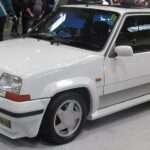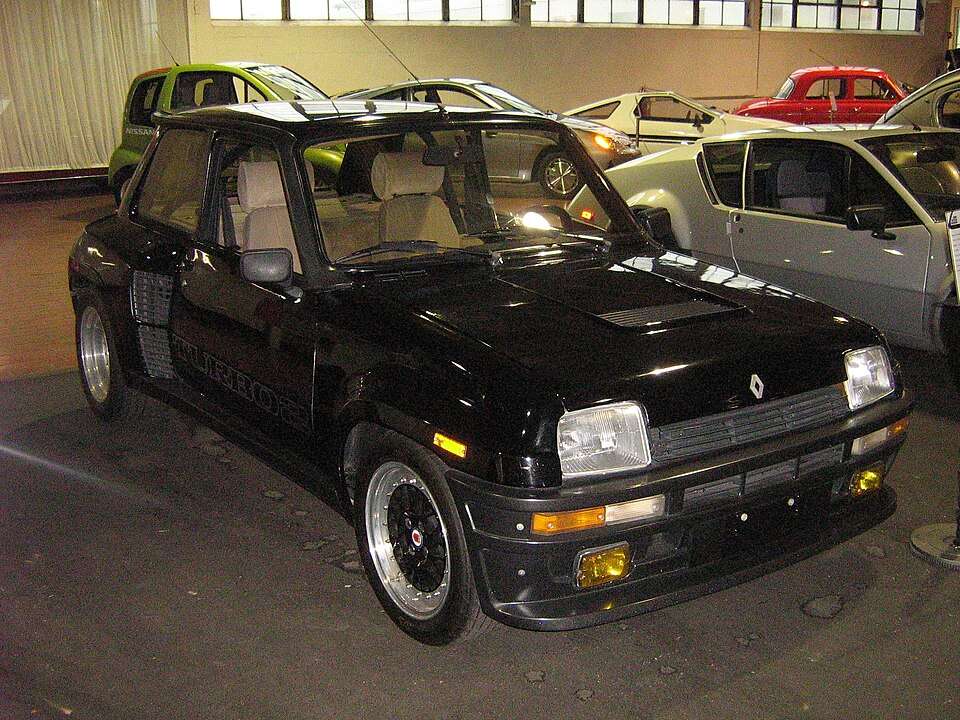
The Renault 5 Turbo looks like an outrageously widened hatchback, but its buying risks belong to a specialist mid-engined sports car. The engine lives behind the seats, power goes to the rear wheels and very little about a tired example can be priced sensibly from an ordinary Renault 5 parts catalogue. This guide covers the original road-going Turbo, often called Turbo 1, and Turbo 2—not the front-engined Renault 5 GT Turbo.
Our buying verdict
Choose a documented, structurally sound road car whose identity, injection system and cooling have been assessed by a genuine model specialist. A complete Turbo 2 with honest modifications can be a better ownership proposition than an incomplete first-series car bought for its badge. Pay separately for provenance, cosmetic originality and mechanical condition; none proves the other two.

Turbo 1, Turbo 2 and GT Turbo: understand the difference
The original Renault 5 Turbo arrived in 1980 as a rally homologation project. A turbocharged 1,397cc four-cylinder engine sits behind the occupants and drives a five-speed manual transaxle. The standard road specification was around 160PS, a very different proposition from an ordinary small hatchback of the period. Bosch K-Jetronic mechanical fuel injection is central to understanding how it starts and runs. A seller’s description of a carburettor conversion, electronic injection or a much higher power output therefore deserves a detailed explanation and supporting invoices.
The early Turbo has distinctive bespoke cabin fittings and lightweight aluminium panels. From 1983, the Turbo 2 simplified trim and construction while retaining the underlying mid-engine concept. Do not use one visible panel, a dashboard or an external badge as a complete authentication test. Decades of repair, competition use and parts swapping mean that the assembled car must be reconciled with its recorded identity. Build dates, first-registration dates and subsequent imports can differ.
| Version | Buying appeal | What to establish |
|---|---|---|
| Original Turbo / Turbo 1 | Distinctive early cabin and original homologation character | Correct identity, panel materials, scarce interior completeness and documented repairs |
| Turbo 2 | Same fundamental mid-engined road-car experience with simpler trim | Original specification versus later upgrades; cooling, injection and structural condition |
| Competition and homologation evolutions | Potentially important history and specialist appeal | Factory or period records, actual specification and independent provenance review |
| Renault 5 GT Turbo / Gordini / Alpine Turbo | Different front-engined cars with different purchase economics | Do not combine their advertisements, service parts or prices with the mid-engined Turbo |
Our starting recommendation is a road-specification Turbo 2 with a continuous history and support from an established specialist. That is an editorial judgement about usability, not a claim that it will outperform a Turbo 1 financially. Enthusiasts who specifically want the first-series cabin should budget for buying it complete: a bare shell and a box of unidentified trim can become a long restoration rather than an inexpensive route into ownership.
Claims such as 8221, Tour de Corse, Maxi, works specification or period rally history require evidence beyond paintwork and a roll cage. Have a specialist identify the chassis and relevant records before a deposit. A modern recreation can be enjoyable and valuable on its own terms, but it must be described and priced as the actual car it is. Competition logbooks and eligibility documents do not automatically establish a factory competition identity.
Prices: separate real Turbo advertisements from search noise
Our Car & Classic search on 3 November 2026 illustrates the problem with broad Renault 5 Turbo price searches. It mixed mid-engined cars, front-engined GT Turbos, Gordini/Alpine models and competition vehicles. The cheapest result is not necessarily an affordable example of this model. We excluded obvious front-engined derivatives and did not turn the remaining small sample into a national valuation band.
| Advertised example | Displayed asking price | How to use the evidence |
|---|---|---|
| Turbo 2, one previous owner claimed, 59,030 miles, LHD, Musselburgh | £185,000 | An individual UK seller’s ask; verify provenance, condition and current availability |
| 1984 Turbo 2, 69,000km, LHD, Portugal | €125,000 | Overseas advertisement: currency, inspection, transport and import costs differ |
| 1982 Turbo 1, 69,000km, LHD, Portugal | €179,000 | A different derivative; compare documented originality before drawing conclusions |
| 1982 Groupe 4 Usine, 900km claimed, France | €355,000 | Competition-provenance claim; excluded from ordinary road-car comparisons |
These are asking prices, not confirmed sales. An additional historical reference is Bring a Trailer’s published US$160,000 winning bid on 7 March 2023 for Lane Motor Museum’s 1985 Turbo 2. That was a particular US-market car at a past auction, with disclosed modifications and condition notes. It is not a current UK value and should not be converted into an apparent guaranteed price for every Turbo 2. Auction fees, taxes, location and presentation all affect comparison.
Build your own shortlist around specification and documentation. Ask whether a quoted price includes tax, what spare parts accompany the car and whether the seller can produce dated mechanical records. A car that has stood in a collection may require substantial recommissioning even when its indicated mileage is low. Conversely, a regularly used car can have a more useful maintenance trail. Neither mileage nor a famous previous owner removes the need for inspection.
Identity, rust and crash repairs
Start with the chassis identity and registration record before evaluating paint. Have the visible identifying marks checked against the vehicle’s documents and the specialist’s understanding of that production period. Inspect the surrounding metal for replacement, welding and disturbed finishes. If an overseas vehicle has changed speedometer units, establish what the odometer actually records and whether the mileage claim is supported by dated history.
The wide bodywork can disguise the condition of the steel structure beneath it. Inspect the sills, floor edges, footwells, bulkheads, jacking areas and suspension mounting regions from above and below on a suitable lift. Look for layered repairs, damp carpets, blocked drainage and new underseal that prevents an assessment. Fresh paint is not evidence of sound metal. Ask for photographs taken before and during structural repairs, showing the extent of any metal replacement.
Particular care is needed where earlier accident repairs or competition modifications affect the rear structure, engine installation and suspension geometry. Compare side-to-side gaps and wheel positioning, but do not diagnose a bent shell from a photograph alone. An alignment report, careful measurements and a knowledgeable inspection can distinguish worn suspension from a more serious structural issue. Check that fuel, cooling and electrical lines are correctly supported and protected after restoration.
Assess the early car’s aluminium panels with the correct tools and expectations: an ordinary magnetic test cannot authenticate the whole vehicle, and a paint gauge must suit the substrate. Panel availability, previous filler and corrosion at mixed-material joints deserve attention. Obtain a repair estimate from someone who can actually undertake the work. A cheap general bodyshop estimate can omit the fabrication, alignment and finishing needed for these unusual cars.

Engine, injection, turbo and cooling checks
Watch a genuinely cold start
Arrange to see the car before it has been warmed. Confirm the engine is cold and observe starting time, initial idle, smoke, warning indications and any fuel smell. A difficult start is a symptom with several possible causes; it is not proof that the engine needs rebuilding or that one fuel-system component is defective. Old petrol, ignition faults, air leaks and incorrect fuel pressures can overlap. A specialist should test the system rather than tune around an unidentified problem.
K-Jetronic depends on sound fuel delivery and correctly functioning pressure control. Ask for records identifying what was tested or rebuilt, who performed it and whether cold and hot starting were checked afterwards. An invoice for a fuel pump alone does not prove the injection system is healthy. Be cautious when the seller explains that it only needs an adjustment but cannot demonstrate satisfactory running. Unverified boost increases and improvised fuel-system changes can make diagnosis more expensive.
Inspect the complete cooling and lubrication installation
There is considerable distance and plumbing between the mid-mounted engine and the front of the car. Inspect radiator condition, cooling pipes, hoses, joints, fans and their electrical supply. Look for staining, chafing, brittle rubber and makeshift repairs. Verify stable temperature throughout a properly supervised road test and after returning to idle. A front radiator replacement does not establish that the rest of the system was renewed or bled correctly.
Oil-cooler lines and fittings also need close examination. Aged hoses can be unsafe even when their outer braid looks presentable. Establish the correct specification and the date of replacement; do not assume every aftermarket hose and fitting is suitable simply because it looks like a competition component. Oil-pressure concerns require testing against suitable workshop information with appropriate equipment, rather than trusting one dashboard gauge reading in isolation.
Look for persistent exhaust smoke, unexplained coolant loss, oil leaks, unusual mechanical noise and signs of overheating. Compression or leak-down testing can help investigate concerns, but results need interpretation in context. For a rebuilt engine, request the builder’s specification, machining record and running-in or follow-up service evidence. “Rebuilt” can mean anything from a head gasket to a comprehensive reconstruction.
Chain drive, valve adjustment and turbocharger
The original engine uses a timing chain, not a scheduled cambelt kit. Chain drive does not make the engine maintenance-free: noise, wear, lubrication and the condition of associated parts must be assessed. Ask about valve-clearance maintenance as well as routine oil servicing. Avoid importing cambelt advice from a completely different Renault simply because it shares a 5 badge.
Inspect turbocharger oil supply and return arrangements, exhaust mounting, heat shielding, boost hoses and control plumbing. A whistling noise or smoke alone does not identify the failed part. Have the actual turbo and installation identified, especially on modified cars. Do not ask the seller to demonstrate maximum boost on a cold engine or conduct an aggressive test drive to prove performance. Smooth, predictable response and a documented setup are more useful buying evidence.
Gearbox, clutch, brakes and suspension
Check clutch operation, hydraulic leaks, pedal return and selection of every gear when cold and warm. Poor change quality may involve linkage, bushings, clutch release or the transaxle itself; obtain a diagnosis before pricing a repair. Listen for transmission noise under different loads and inspect driveshaft joints and seals. A receipt for a clutch slave cylinder does not prove the friction assembly or gearbox has been rebuilt.
The suspension is not a standard small-hatchback arrangement hidden under wide arches. Check wishbones, joints, dampers, mounting points and any non-standard components for condition and correct installation. Ensure the steering is predictable, the car tracks properly and the tyres do not rub. Brake condition includes hoses, calipers, discs, fluid history and consistent operation, not just visible pad thickness. A specialist inspection should identify what the fitted parts actually are before ordering replacements.
Interior, electrics and originality
The cabin is an important part of the purchase, particularly in a Turbo 1. Photograph the dashboard, instruments, seats, door fittings, carpets, switches and small finishing pieces. Compare them with appropriate period information and record what is missing or modified. A recovered seat may be attractive but differs from an original one; neither should be misrepresented. A restoration plan needs actual suppliers and availability for scarce trim, rather than an assumption that another owner will have a spare.
Test lighting, indicators, horn, wipers, washers, heater and every gauge. Look behind accessible trim for cut wiring, poor connections, damaged fuse arrangements and alterations associated with alarms, extra gauges or cooling fans. Electrical shortcuts near a hot engine and fuel system deserve prompt specialist attention. A battery maintainer does not repair a weak alternator, poor earth or parasitic drain.

Confirm that the engine cover, insulation, fasteners and seals are present and serviceable. Missing or damaged pieces can affect noise, heat and separation of the cabin from the engine installation. Examine seat mountings and any roll-bar installation carefully. A competition appearance is not proof of road safety or appropriate restraint geometry; have changes assessed for the intended use.
Maintenance planning, timing components and alternators
Affiliate disclosure: eBay parts links below are affiliate links using our campaign. We may earn a commission if you buy, at no extra cost to you. Links open search results rather than a verified individual product. Check engine, year, part number, seller, condition and returns; search results can contain incompatible items.
Use the actual engine and installed specification to plan servicing. An annual inspection and fluid review is sensible for a lightly used collector car, but mileage, storage, competition use and the engine builder’s requirements may demand more frequent attention. Obtain a written scope covering oil and filters, ignition, valve clearances, leaks, fuel hoses, cooling and braking. A low annual mileage is not a reason to leave old fuel and perished rubber unchecked.
Parts-price example checked 3 November 2026: Arnaud Ventoux Pièces listed reference 4019, a chain, two sprockets, cork timing-cover gasket and oil-seal pack, at €79 including displayed tax. The itemised contents did not include a tensioner. It is a parts-only listing, not a complete engine service or fitted UK price. Confirm application, required additional components, stock, delivery and the final UK tax/import treatment. For marketplace comparison use Renault 5 Turbo/Turbo 2 timing-chain components and check each result against the specialist’s specification.
| Job or component | Budgeting and compatibility questions | Model-specific marketplace search |
|---|---|---|
| Oil service and ignition | Specify the correct oil, filter and plugs for the actual engine build; include valve-clearance assessment and leak inspection | Turbo 2 service parts |
| Alternator and charging | Identify output, mountings, pulley alignment and electrical connections; diagnose battery, wiring and earths first | Turbo 2 alternators |
| Cooling hoses and radiator | Confirm the mid-engine installation, pipe routes, hose shapes and fan controls; include pressure testing and bleeding | Turbo 2 cooling parts |
| Injection and fuel delivery | K-Jetronic diagnosis and pressure testing come before replacement; GT Turbo carburettor parts are not equivalent | Turbo 2 injection and fuel-pump parts |
| Brakes and clutch hydraulics | Confirm actual calipers, hose ends, master/slave specification and any conversion; price labour and fluid separately | Turbo 2 brake and clutch parts |
| Wheel and tyre package | Identify the actual wheel sizes and construction before comparing tyres; inspect age, clearance and compatibility | Turbo 2 wheel and tyre listings |
These links open searches, not an endorsement of a particular seller or a guarantee of fit. Results may include front-engined Renaults, replicas and unsuitable universal parts. Have the supplier confirm dimensions and application in writing. For original specialist components that cannot be matched confidently on eBay, obtain a direct specialist quotation rather than fitting the nearest-looking item. The lowest component price can become expensive if the wrong part damages a rare assembly.
Hidden ownership costs
Set a first-year budget before making an offer. Add the purchase price, fees and collection, independent inspection, immediate servicing, diagnosed repairs, insurance, storage and a reserve for unresolved work. Use quotations for the car in front of you; a percentage of the purchase price is a poor substitute for knowing what needs doing.
- Recommissioning the fuel system: old tanks, lines and injection components may need work together. Price inspection and testing before authorising a succession of replacement parts.
- Scarce trim and panels: an incomplete original cabin or damaged early aluminium panel can impose a sourcing delay as well as a repair bill. Check actual availability before buying.
- Wheels, tyres and modifications: uncommon sizes, multi-piece wheel maintenance and correcting an undocumented conversion belong in the initial budget, even if the tyres retain tread.
- Specialist access and provenance: allow for transport to a knowledgeable workshop, proper identity review and agreed-value insurance appropriate to a high-value imported or modified car.
- Parts are only part of the bill. Access, diagnosis, fluids, alignment, seized fasteners and VAT can change the total. Ask the workshop what its quotation includes and how additional work will be agreed.
- Exchange units and delivery. Alternators, starters and other rebuilt components can require a returnable old unit. Compare the surcharge, return postage, deadline and warranty before choosing a supplier.
- Insurance and downtime. Obtain a quote for the actual specification and declared modifications. Allow for recovery and alternative transport if this will be your only car.

Viewing checklist: what to establish before committing
Before travelling
- Confirm registration, exact version, seller identity and ownership history. Ask about accidents, insurance write-offs, engine changes and modifications.
- Read the MOT chronology and request invoices, not just a stamped service book. Agree a cold start, inspection access and a properly insured test drive.
- Get a written list of included keys, original parts and any outstanding faults. For a distant car, request current underside and engine-bay photographs.
At the car
- □ Confirm that the car is a genuine mid-engined Turbo/Turbo 2 and reconcile chassis identity, registration history and claimed special specification.
- □ Inspect steel structure, footwells, sills and suspension mounting areas on a lift; ask for restoration photographs rather than accepting fresh underseal.
- □ Witness a cold start, full warm-up and hot restart; record smoke, fuel smells, temperature behaviour and the need for throttle assistance.
- □ Review injection, cooling and oil-line work as complete systems; identify the turbo, boost setup and any engine-management conversion.
- □ Check gearbox selection, clutch hydraulics, brakes, suspension geometry, actual wheel sizes and tyre age with a competent specialist.
- □ Inventory the interior and engine-cover fittings, then obtain written prices and availability for every significant missing or defective item.
- □ Compare identification with documents, check panel alignment and inspect accessible structure on a lift. Never go beneath a car supported only by a jack.
- □ Try lights, wipers, washers, heater, locks and warning lamps. Inspect tyres for age and damage as well as tread.
- □ Drive from cold to fully warm, using gears and brakes progressively. Note smoke, overheating, vibration, warning lights or hesitant acceleration; stop if a serious fault develops.
- □ Recheck hot starting and visible leaks afterwards. Record unresolved faults and obtain specialist estimates before paying a deposit.
Proceed when identity, structure and maintenance evidence fit the description. Investigate when a fault has a plausible cause but no diagnosis. Walk away when crucial inspection is refused, identity remains uncertain or the budget depends on a serious fault being cheap. Put any inspection condition and deposit terms in writing.
Walk away or pause for further investigation if identity cannot be reconciled, the seller refuses an independent inspection, there is an unexplained fuel leak, structural damage is concealed or serious temperature/pressure concerns remain unresolved. A discounted price does not make an unquantified problem affordable. Agree the scope and purpose of any refundable reservation in writing before money changes hands.
Renault 5 Turbo buying questions
Is the Renault 5 Turbo the same as the GT Turbo?
No. This guide covers the mid-engined, rear-wheel-drive Turbo and Turbo 2. The later GT Turbo is a front-engined, front-wheel-drive car with different systems and buying economics.
Should I buy a Turbo 1 or Turbo 2?
Choose according to the car you actually want, then prioritise identity, structure, completeness and service evidence. Our starting recommendation for road ownership is a well-documented Turbo 2; an early car’s scarce cabin and panels need particular care.
Does the Renault 5 Turbo 2 have a cambelt?
The original Cléon-type engine has chain-driven cam timing. Inspect chain and associated components when symptoms or rebuild requirements justify it; do not apply a cambelt schedule from another Renault model.
Are parts still available?
Specialists offer many mechanical and service components, but that does not mean every trim, body, wheel or competition part is immediately available. Confirm the specific missing item before purchase.
Can a modified car be a good buy?
Yes, if changes are competently executed, documented, suitable for road use and properly disclosed to insurers. Price the actual specification and any cost of returning it to standard; do not pay a factory-provenance premium for appearance alone.
Sources and research method
Independently written desk research by Unusual Cars UK, checked on 3 November 2026. We have not road-tested or inspected the illustrated cars or independently authenticated sellers’ claims. Buying recommendations and inspection priorities are our editorial assessment. Historical guides inform technical context; their old price bands are not current valuations. Confirm service requirements against the actual vehicle and suitable workshop information.
- Collecting Cars / Melliard Motorsport buying-guide introduction — Primary specialist interview resource; published March 2023. Its old results are not treated as current values.
- Bring a Trailer: Lane Motor Museum’s 1985 Turbo 2 — Primary archived listing and March 2023 auction result; equipment, maintenance disclosures and mileage caveats describe that individual car.
- Arnaud Ventoux Pièces Turbo/Turbo 2 catalogue — Primary specialist parts categories, distinct from front-engined models.
- Arnaud Ventoux reference 4019 chain-component pack — Primary itemised parts-only price and contents checked 3 November 2026; fitment and delivered cost require confirmation.
- Car & Classic Renault 5 Turbo advertisements — Dated asking-price snapshot, with front-engined cars and competition claims separated.
- GOV.UK used-car checks and MOT history — document and test-history checks.
Images are illustrative surviving vehicles, not the advertised cars discussed in the market section. Individual credits and licence links accompany each photograph. No endorsement by a photographer, club, supplier or seller is implied. Prices and availability can change.