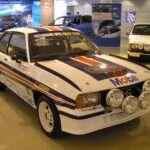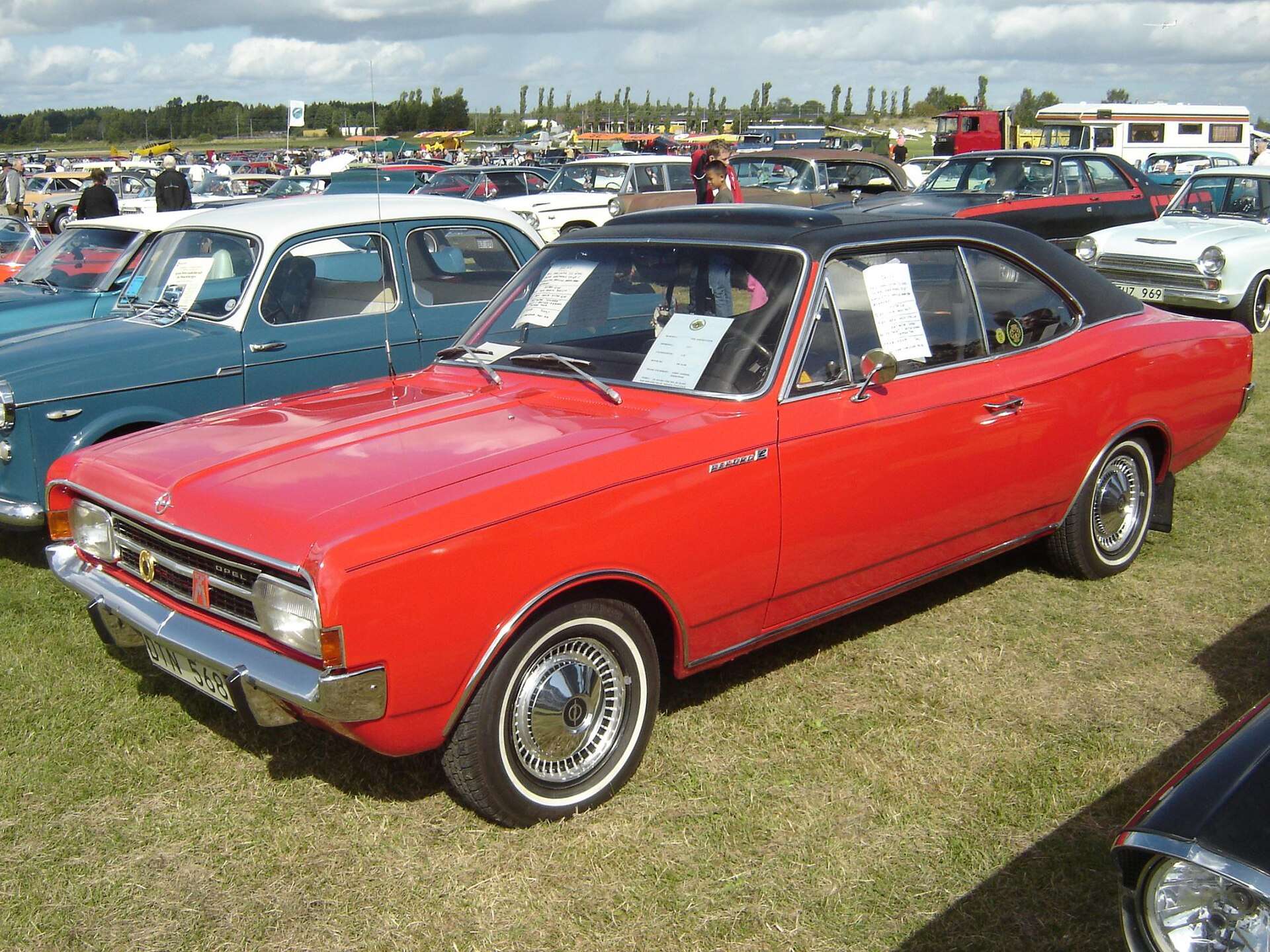
The Opel Rekord C Sprint Coupé is one of the most attractive and least remembered sporting cars sold through Opel’s British network. Its sweeping “coke-bottle” body, black stripes, auxiliary lamps and twin-carburettor 1.9-litre engine gave a practical five-seat coupé a welcome dose of late-1960s attitude.
Quick answer: buy a Rekord C Sprint for its style, rarity and relaxed rear-wheel-drive character, but inspect the shell with exceptional care. Correct Sprint components and interior trim are difficult to replace, while extensive corrosion can overwhelm the value of the finished car.
What is the Opel Rekord C?
Opel introduced the Rekord C in 1966 as a completely new generation of its large family car. The range included two- and four-door saloons, estates and an elegant pillarless-style coupé. American General Motors influence was visible in the curved rear quarters and long, clean body lines, but the engineering remained thoroughly European and conventional.
The model became the first Opel series to exceed one million examples. That success makes its modern scarcity in Britain particularly striking. Rekords were once credible alternatives to Ford, Rover and Vauxhall saloons, yet low values and rust removed most from the road.
What made the Sprint special?
The Sprint arrived as the sporting flagship. Its 1.9-litre cam-in-head four-cylinder engine used twin carburettors and produced approximately 106PS. Opel added distinctive black body stripes, auxiliary driving lamps, a sports steering wheel and extra instruments. It could be ordered as a two-door saloon or the more glamorous coupé.
Opel quoted a top speed of about 175km/h, or roughly 109mph, with 0–100km/h taking around 12.5 seconds. Those numbers were brisk for a spacious four-cylinder family car in the late 1960s. More important today is the combination of period performance details with the Rekord Coupé’s elegant shape.
Rekord C Sprint specifications
| Production | Rekord C, 1966–1971; Sprint introduced during the model run |
|---|---|
| Engine | 1,897cc cam-in-head inline four |
| Induction | Twin carburettors in Sprint specification |
| Power | Approximately 106PS |
| Transmission | Four-speed manual |
| Drive | Rear-wheel drive |
| Top speed | Approximately 109mph / 175km/h |
| Body | Two-door saloon or coupé; this guide focuses on the coupé |
Period specifications can differ by country and production date. Confirm carburettors, engine code, gearbox and trim against documentation for the individual car.
The UK-market story
Opel maintained its own British dealer presence, so right-hand-drive Rekords were sold here rather than arriving solely as private imports. The Sprint occupied a small niche: more sporting and distinctive than a normal family saloon, but without the established UK image of a Ford Capri or Rover.
Survival is now very limited. Some cars have been imported from mainland Europe or converted from left- to right-hand drive, while others have acquired Sprint stripes and equipment during restoration. None of those histories is automatically undesirable, but it must be described accurately.
Common problems
Serious body corrosion
Rust is the decisive issue. Inspect sills, jacking points, floorpans, front chassis legs, crossmember, inner wings, suspension mounts, lower front wings, door bottoms, rear arches, boot floor and the metal around both screens. On a coupé, check the roof pillars, rear window aperture and long rear quarters carefully. Water leaks can damage hidden structure and interior trim.
Old restorations
A repaired car can be an excellent purchase if the work was thorough. Look for straight panel gaps, correct sill profiles, sound seam welding and evidence of rust removal. Thick filler, distorted panels, overspray on seals and patches laid over weak metal require caution. Restoration photographs and measurements of chassis alignment are valuable.
Engine and twin carburettors
The CIH engine is robust but should start cleanly, show healthy oil pressure and maintain temperature. Listen for timing-chain noise and check for smoke, oil leaks and crankcase breathing. Twin carburettors require correct linkage, jetting and balancing; poor running may reflect wear, air leaks or inappropriate replacement parts rather than an internal engine problem.
Cooling, fuel and ignition
Inspect the radiator, water pump, hoses, fuel tank, metal lines and flexible connections. Cars that have stood for years may contain rust or degraded fuel. Renew suspect rubber before road use and verify that the ignition system advances correctly under load.
Gearbox, axle and steering
Check clutch operation and all four gears, then listen for propshaft or differential noise. Steering boxes and linkages can develop play. A vague car may need several joints and bushes rather than one adjustment.
Brakes and suspension
The Sprint used front discs and rear drums. Inspect hydraulics, flexi-hoses, pipes and servo assistance. Dampers, springs, bushes and ball joints must be assessed as a system. Old tyres can make a sound chassis feel alarming.
How to check Sprint authenticity
Stripes and auxiliary lamps are not proof. Match the VIN, chassis plate, engine number and registration history, then look for period invoices or ownership records. Confirm the twin-carburettor installation, instruments, steering wheel, seats, badging and exterior details with a knowledgeable Opel club.
Many genuine cars have lost original components, and a sympathetically restored example can still be worthwhile. The key is honest description. A standard Rekord Coupé built into a Sprint-style car should not be valued as an original Sprint.
Rare parts and practicality
Mechanical service items can often be sourced through German and European Opel specialists. Body panels, brightwork, coupé glass, seals, dashboards, instruments and Sprint-specific trim are harder. Check that the doors, windows, heater, instruments and locks work, and price missing pieces before committing.
The coupé offers useful rear seats and a good boot, so a sorted car can make a pleasant touring classic. Modern traffic demands respect for its brakes, lighting and limited crash protection, but the basic driving experience is approachable and relaxed.
Buying checklist
- Inspect the monocoque and suspension mounts on a ramp.
- Check screen apertures, roof pillars and coupé rear quarters.
- Verify the VIN, engine and Sprint provenance.
- Confirm the twin carburettors and linkage are correct and balanced.
- Test oil pressure, cooling and hot starting.
- Listen for gearbox, propshaft and axle noise.
- Check completeness of glass, brightwork and interior trim.
- Review import, conversion or restoration paperwork carefully.
Is the Rekord C Sprint Coupé worth buying?
For enthusiasts who value design and rarity, absolutely. It is handsome, usable and historically significant without being obvious. The sensible purchase is the best documented, most complete shell available—not necessarily the shiniest car. Restoration costs can quickly exceed market value, so pay for sound metal and correct parts.
Frequently asked questions
How powerful is the Rekord C Sprint?
The twin-carburettor 1.9-litre engine produced approximately 106PS.
Was the Rekord C sold in the UK?
Yes. Opel operated a British dealer network and offered right-hand-drive Rekords, although many survivors today are imports.
How can I identify a genuine Sprint?
Use chassis and engine information, period documentation and specialist knowledge. Stripes, lamps and badges can all be reproduced.
Sources and further reading
Confirm the exact specification and history of any individual car before purchase.