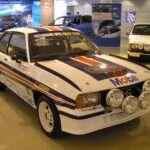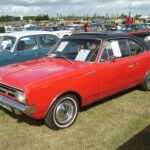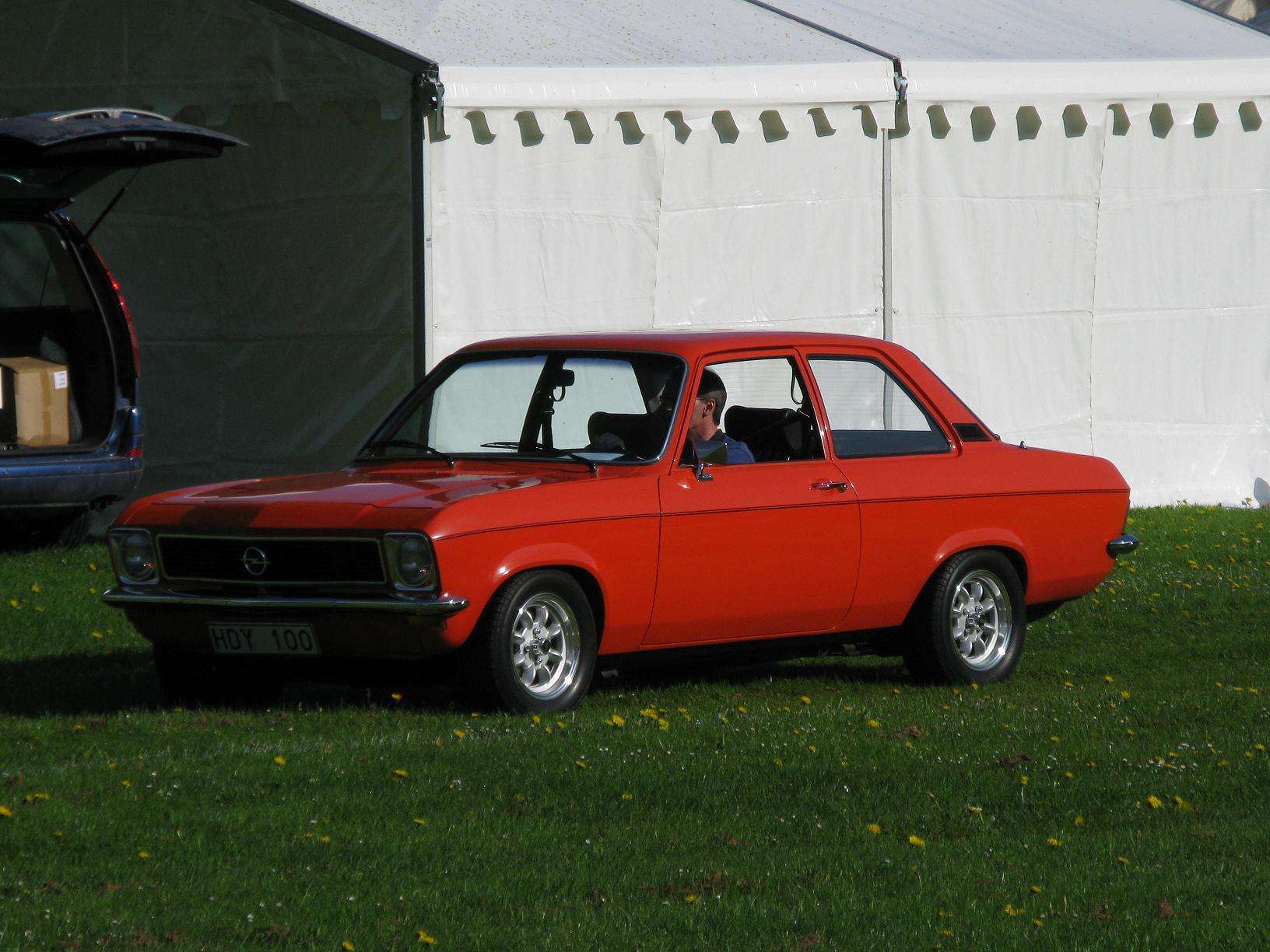
The Opel Ascona A 1.9 SR is one of the most appealing sporting saloons of the early 1970s. It combined clean, restrained styling with a lively 1.9-litre engine, rear-wheel drive and the sort of durable engineering that made Opel a serious force in European rallying. British examples were never common, which makes a genuine SR a particularly unusual classic today.
Quick answer
The Ascona A 1.9 SR was the sporting version of Opel’s first-generation mid-size saloon. Introduced in spring 1971, it used a 1,897cc cam-in-head four-cylinder engine producing about 90hp. It was officially available to UK buyers through Opel dealers, although it sold in much smaller numbers than familiar British rivals.
What is the Opel Ascona A 1.9 SR?
Opel launched the Ascona A in 1970 between the Kadett and Rekord. The SR package sharpened the formula with the larger engine, firmer presentation and sporting trim. Suspension was independent at the front, with a well-located live rear axle and Panhard rod. The result was simple, predictable and tough.
Its reputation was reinforced by competition. Walter Röhrl and Jochen Berger won the 1974 European Rally Championship in an Ascona, taking six victories from eight rounds, and an Ascona also won the Acropolis Rally in 1975.
The UK-market story
Period British price guides and surviving dealer literature list the Ascona 1.9 SR, confirming that this was not merely a later private import. It occupied an interesting position against cars such as the Ford Cortina 2000E and BMW 2002: more understated than either, but well engineered and capable. Opel’s UK dealer network was smaller than Vauxhall’s and relatively few survive.
Specifications
| Engine | 1,897cc four-cylinder petrol |
|---|---|
| Power | Approximately 90hp |
| Drive | Rear-wheel drive |
| Gearbox | Four-speed manual |
| Front suspension | Independent |
| Rear suspension | Live axle with Panhard rod |
What is it like to drive?
A healthy 1.9 SR feels light, balanced and usefully energetic rather than brutally fast. The steering is unassisted and communicative, the controls are straightforward and the engine delivers its best work in the mid-range. Its rally success was based on predictability and strength, qualities that still make the car enjoyable on British B-roads.
Common problems
Rust
Corrosion is the decisive issue. Inspect sills, floor edges, front chassis legs, suspension pick-up points, inner wings, bulkhead seams, wheelarches and the boot floor. Cosmetic bubbling may conceal structural repairs.
Engine and cooling
Listen for timing-chain noise, check for oil leaks and look for overheating or neglected coolant. A rebuilt engine is less worrying than a tired, low-mileage claim unsupported by invoices.
Transmission and axle
Check second-gear synchromesh, clutch take-up, propshaft vibration and rear-axle whine. Mechanical parts are generally straightforward, but model-specific trim is difficult.
Authenticity
Many ordinary Asconas have acquired SR-style wheels and badges. Verify the identity, engine type and period details before paying a premium.
Parts and ownership
Routine service components can often be sourced through German and European specialists. Body panels, brightwork, dashboard trim and correct SR pieces require patience. Joining an Opel club before buying can be more useful than searching after a rare part has failed.
Buying checklist
- Confirm it is a genuine 1.9 SR.
- Inspect the shell on a lift.
- Check cooling, oil pressure and timing-chain noise.
- Test gearbox, axle and brakes thoroughly.
- Value history and correct trim above superficial paint.
Is it worth buying?
Yes, if you want a genuinely uncommon UK-market sporting saloon with strong motorsport heritage. Buy the best shell you can find: restoring a rusty Ascona A will normally cost far more than paying extra for a sound one.
Frequently asked questions
Was the Ascona A 1.9 SR sold in Britain?
Yes. Period British pricing and dealer material list the model, though sales were modest.
How much power did it have?
About 90hp from its 1.9-litre four-cylinder engine.
Is it the same as an Ascona 400?
No. The 400 was a later, specialised homologation model based on the second-generation Ascona.
Sources and further reading
- Opel/Stellantis heritage: Ascona and Manta at 50.
- Period UK used-car price guides.
- Historic Opel sales literature archives.
Specifications vary by market and production date. Always verify an individual car’s identity and condition.