
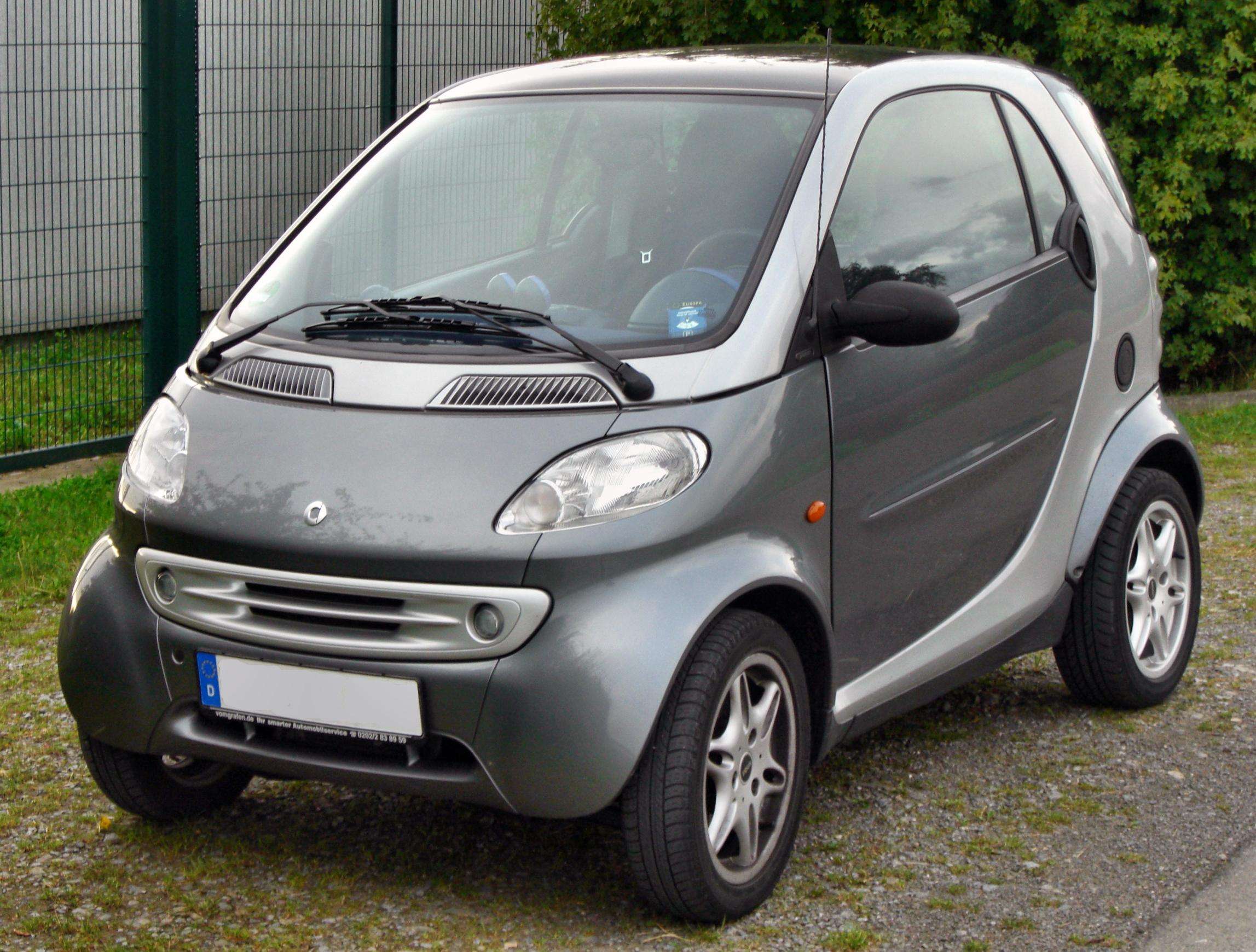
The original Smart City-Coupé was one of the boldest small cars to reach British showrooms. At just over 2.5 metres long, with two seats, a rear-mounted turbocharged engine and its distinctive exposed Tridion safety cell, it was conceived for crowded European cities rather than as a cut-price conventional hatchback. Today the first-generation 450 is an increasingly unusual modern classic, but buying one demands more care than its cheerful appearance suggests.
Smart City-Coupé and Fortwo 450 UK history
Official UK imports began in October 2000, initially in left-hand drive. Right-hand-drive cars followed in autumn 2001, making the Smart far easier to sell beyond London. The range centred on Pure, Pulse and Passion trims, with Coupé and Cabrio bodies. Early cars used a 599cc three-cylinder turbo engine; later examples gained a 698cc unit. In 2004 the City-Coupé name was replaced by Fortwo, although the underlying 450 generation continued until 2007.
Pure models were the simplest, while Pulse brought a sportier presentation and Passion usually added more comfort equipment and the fully automatic mode for the automated manual gearbox. Specification varies considerably, so buyers should confirm what is actually fitted rather than relying only on badges.
Engines, gearbox and driving character
The 599cc and 698cc petrol engines sit low beneath the rear luggage floor and drive the rear wheels through a six-speed automated manual transmission. There is no clutch pedal: electronics operate a conventional clutch and gearbox. In manual mode the pause between shifts is part of the car’s character; in automatic mode it can feel more pronounced. A well-set-up car should change cleanly without excessive clutch slip, shunting or warning lights.
Performance is modest in most versions, but the tiny dimensions, tight turning circle and upright driving position make the 450 superb in town. On faster roads it feels more substantial than its size suggests, although crosswinds, short-wheelbase pitching and firm suspension are noticeable.
Smart City-Coupé common problems
Oil consumption and engine wear
The biggest risk is an engine that has been allowed to run low on oil. The small turbocharged unit can consume oil, and a neglected breather system or worn piston rings may accelerate the problem. Check the level correctly, look for blue smoke after idling and during acceleration, and ask how frequently the owner has checked and changed the oil. Misfires, uneven idle and poor compression deserve investigation before purchase.
Turbocharger and boost faults
Loss of power can come from split boost hoses, a sticking wastegate, failed control plumbing or a tired turbocharger. Oil around the compressor pipework is another warning sign. The car should pull evenly once boost arrives without dropping into a restricted-power mode.
Clutch actuator and automated gearbox
Jerky changes are not automatically a failure, but severe judder, refusal to select gear or three horizontal bars in the display can point to clutch, actuator, wiring or calibration problems. A diagnostic scan is valuable. Replacement parts are available, yet labour and correct adjustment can turn a cheap car into an expensive project.
Water leaks and electrical issues
Check carpets, the battery area and the rear of the cabin for damp. Ageing door and roof seals, Cabrio drains and windscreen bonding can all admit water. Moisture may then cause central-locking, warning-light or connector trouble. Test every electrical item, including roof operation where fitted.
Suspension, brakes and body panels
Listen for knocks from worn bushes, drop links and ball joints, and inspect the front springs for fractures. Plastic exterior panels do not rust, but the steel Tridion structure and underbody still require examination. Cracked panels, mismatched colours and uneven shut lines may reveal previous accident damage. Tyres must be the correct sizes and in good condition, as mismatched rubber can upset the handling and electronic stability system.
What to check before buying
- Start the engine from cold and watch for smoke, rattles or an uneven idle.
- Confirm regular oil changes and evidence that the oil level was monitored.
- Drive long enough to test every gear in manual and automatic modes.
- Scan for stored engine, gearbox and stability-control faults.
- Inspect cabin floors, seals and the battery compartment for damp.
- Check front springs, suspension joints, brakes and all four tyres.
- Verify the VIN, trim level and service history rather than relying on badges.
Parts and ownership
Specialist support remains strong and many service items are readily available. The difficulty is that a tired 450 can need several small jobs at once, while engine or gearbox work may exceed the purchase price. A cherished, standard car with invoices is normally much better value than the cheapest example. Modified boost settings and oversized wheels should be treated cautiously unless the work is documented.
Verdict
The Smart City-Coupé and Fortwo 450 still feels unlike almost anything else on the road. Its clever packaging, vivid design and city-friendly footprint give it genuine collector appeal. Buy on condition and maintenance rather than mileage alone: a healthy 450 is entertaining and economical, but neglect of oil, cooling, clutch adjustment or water leaks can be costly.
Research sources included Smart UK model history, contemporary UK road-test material and independent Smart ownership and repair guidance. Featured image: M 93, Wikimedia Commons, CC BY-SA 3.0.
ALSO …
 Rare & Performance Smart Cars: Models, UK History & Buying Guides
 Smart Fortwo Brabus 450: UK History, Common Problems and Buying Guide
 Smart Fortwo Brabus 451: UK History, Specifications, Common Problems and Buying Guide
Smart Roadster and Roadster Coupé: UK History, Common Problems and Buying Guide